Embark on a culinary journey with pesto recipes without pine nuts, a delectable exploration that unveils a world of vibrant flavors and boundless possibilities. These innovative creations offer a tantalizing twist on the classic pesto, promising an equally enchanting experience that will captivate your taste buds.
From the vibrant greens of basil to the aromatic essence of garlic, each ingredient in these nut-free pestos harmoniously blends to create a symphony of flavors. Discover the versatility of these sauces as they transform your favorite dishes into culinary masterpieces, adding a touch of freshness and sophistication to every bite.
Essential Ingredients for Pesto Recipes Without Pine Nuts
Pesto recipes without pine nuts require a combination of fresh herbs, olive oil, cheese, and seasonings. Here is a list of essential ingredients:
- Fresh basil:The primary herb used in pesto, basil provides the distinctive flavor.
- Olive oil:Extra virgin olive oil is the traditional choice, adding richness and smoothness.
- Cheese:Typically Parmesan or Pecorino Romano, cheese adds a salty, nutty flavor.
- Garlic:Adds a pungent and aromatic flavor.
- Salt and pepper:Adjust to taste for seasoning.
Alternative Ingredients to Replace Pine Nuts
Pine nuts can be substituted with various ingredients that provide different flavors and textures. Here are some popular alternatives:
- Walnuts:Mildly nutty and slightly crunchy, walnuts are a good all-around substitute.
- Almonds:Sweet and crunchy, almonds add a delicate flavor.
- Cashews:Neutral in flavor, cashews provide a creamy texture.
- Pistachios:Bright green and slightly sweet, pistachios add a vibrant color and flavor.
- Sunflower seeds:Inexpensive and widely available, sunflower seeds provide a nutty flavor and crunchy texture.
Nutritional Benefits of Alternative Ingredients, Pesto recipes without pine nuts
Compared to pine nuts, some alternative ingredients offer different nutritional profiles. For instance, walnuts are rich in omega-3 fatty acids, while almonds are a good source of fiber and vitamin E. Cashews are low in carbohydrates and high in healthy fats, and pistachios contain antioxidants and potassium.
| Nutrient | Pine Nuts | Walnuts | Almonds | Cashews | Pistachios | Sunflower Seeds |
|---|---|---|---|---|---|---|
| Calories | 673 | 654 | 599 | 553 | 562 | 589 |
| Fat (g) | 68 | 65 | 49 | 44 | 44 | 51 |
| Protein (g) | 13 | 15 | 21 | 18 | 20 | 21 |
| Fiber (g) | 3 | 7 | 12 | 3 | 10 | 5 |
| Omega-3 Fatty Acids (g) | 0.1 | 2.5 | 0.2 | 0.1 | 0.1 | 0.1 |
Variations

The classic pesto recipe can be transformed into a variety of delicious variations by incorporating unique flavors and ingredients. These variations allow you to customize the sauce to your personal preferences and experiment with different culinary possibilities.
Herb Combinations
Basil is the traditional herb used in pesto, but you can experiment with other herbs to create distinct flavor profiles. Try using arugula for a peppery kick, spinach for a milder flavor, or cilantro for a fresh and aromatic twist.
You can also combine different herbs to create complex and harmonious flavors.
Nut Substitutions
Pine nuts are commonly used in pesto, but they can be replaced with other nuts to create different textures and flavors. Almonds add a nutty and slightly sweet flavor, while walnuts provide a richer and more robust taste. Cashews offer a creamy texture, and pistachios add a vibrant green color and a subtle nutty flavor.
Cheese Options
Parmesan cheese is the traditional cheese used in pesto, but you can experiment with other cheeses to create different flavor profiles. Try using Pecorino Romano for a sharper and saltier flavor, or Grana Padano for a milder and more nutty taste.
For those with nut allergies or simply seeking alternatives, pesto recipes without pine nuts offer a delicious solution. Whether you're a seasoned chef or a culinary novice, you'll find inspiration in the vast collection of ninja creami non dairy recipes . From classic basil pesto to unique variations using ingredients like arugula, walnuts, or sun-dried tomatoes, there's a pesto recipe to suit every palate.
These versatile sauces can elevate pasta dishes, add flavor to grilled meats, or create delectable dips for your next gathering.
You can also add a small amount of cream cheese to create a creamy and rich texture.
Additional Ingredients
In addition to the core ingredients, you can add various other ingredients to enhance the flavor and texture of your pesto. Sun-dried tomatoes add a sweet and tangy flavor, while roasted red peppers provide a smoky and earthy taste. You can also add capers for a briny and salty touch, or olives for a Mediterranean flavor.
Substitutions
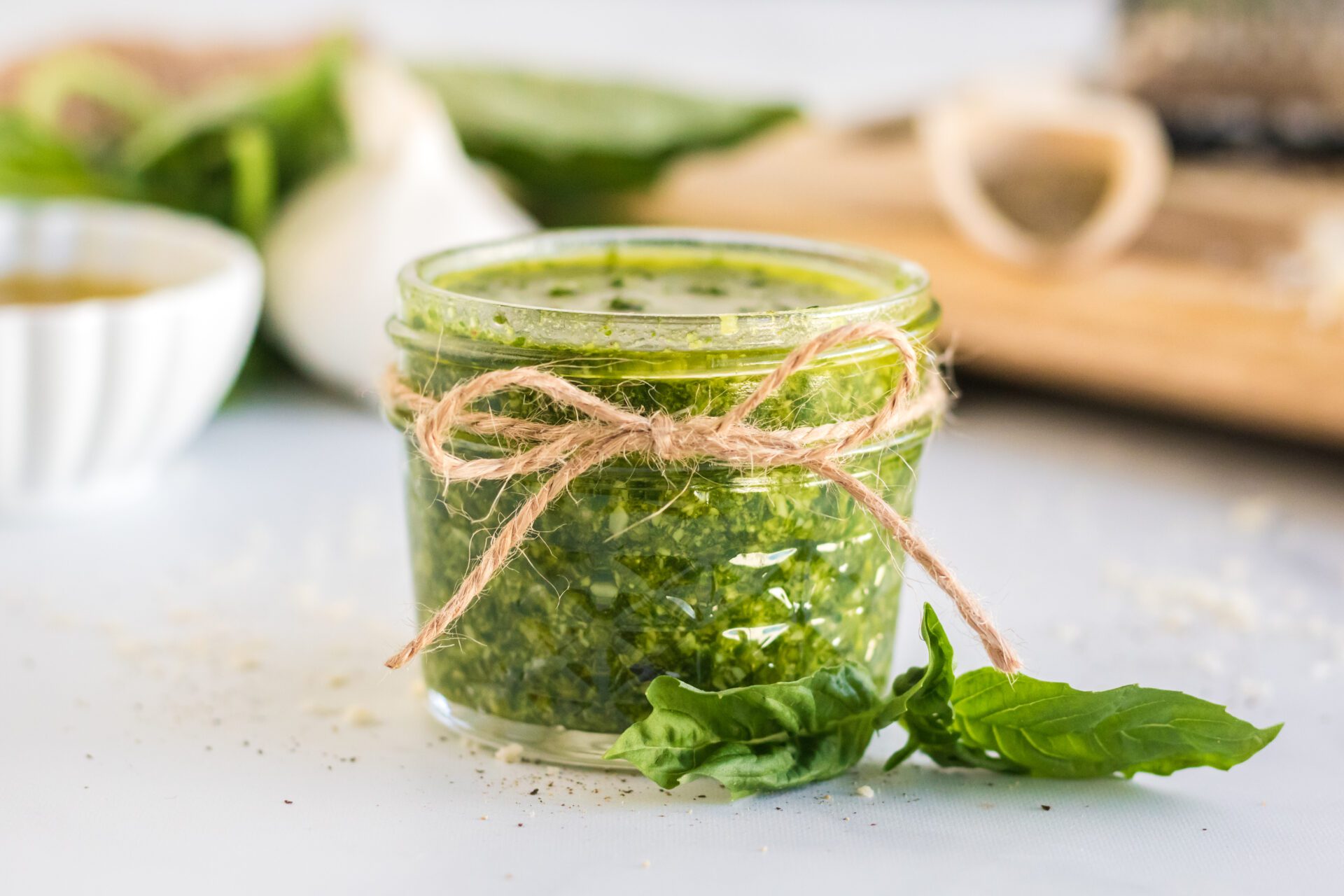
Pine nuts are a traditional ingredient in pesto, but they can be substituted with other ingredients to create a delicious and flavorful sauce.
Suitable Substitutes
- Walnuts:Walnuts have a rich, earthy flavor that pairs well with basil and other herbs in pesto. They are also a good source of omega-3 fatty acids.
- Almonds:Almonds have a milder flavor than walnuts, making them a good choice for those who prefer a more subtle pesto. They are also a good source of vitamin E.
- Cashews:Cashews have a creamy texture and a slightly sweet flavor. They are a good choice for those who want a pesto that is rich and decadent.
- Sunflower seeds:Sunflower seeds are a good source of vitamin E and magnesium. They have a slightly nutty flavor that pairs well with basil.
- Pumpkin seeds:Pumpkin seeds have a nutty flavor with a hint of sweetness. They are a good source of zinc and iron.
Adjusting the Recipe
When using a substitute for pine nuts in pesto, it is important to adjust the recipe accordingly. Here are a few tips:
- If you are using a nut with a stronger flavor, such as walnuts, use less of it than you would pine nuts.
- If you are using a nut with a milder flavor, such as almonds, use more of it than you would pine nuts.
- If you are using a seed, such as sunflower seeds or pumpkin seeds, use a little more of it than you would pine nuts and toast them before using them.
Table of Substitutes
| Substitute | Taste | Texture |
|---|---|---|
| Walnuts | Rich, earthy | Crunchy |
| Almonds | Mild, nutty | Crunchy |
| Cashews | Creamy, sweet | Soft |
| Sunflower seeds | Nutty, slightly sweet | Crunchy |
| Pumpkin seeds | Nutty, slightly sweet | Crunchy |
Common Pesto Variations
- Pesto Rosso:This variation uses sun-dried tomatoes instead of basil, giving it a red color and a slightly sweet flavor.
- Pesto Genovese:This is the classic pesto recipe, made with basil, pine nuts, garlic, olive oil, and Parmesan cheese.
- Pesto Trapanese:This variation uses almonds instead of pine nuts and adds capers and raisins to the mix.
- Pesto alla Siciliana:This variation uses pistachios instead of pine nuts and adds saffron to the mix.
Pesto Without Nuts
For those with nut allergies, it is possible to make a delicious pesto without nuts. Here is a simple recipe:
- 1 cup fresh basil leaves
- 1/2 cup olive oil
- 1/4 cup grated Parmesan cheese
- 2 cloves garlic, minced
- Salt and pepper to taste
Combine all ingredients in a food processor or blender and blend until smooth. Use as desired.
5. Herbs
Herbs play a crucial role in the flavor profile of pesto recipes without pine nuts, adding aromatic notes and depth to the sauce.
Commonly used herbs in these recipes include basil, parsley, and oregano, each contributing unique flavors and characteristics.
Basil
- Fresh basil is the traditional herb used in pesto, imparting a distinctive sweet and slightly peppery flavor.
- Different varieties of basil, such as Genovese or Thai basil, can offer subtle variations in flavor and aroma.
Parsley
- Parsley adds a bright, herbaceous flavor to pesto, balancing the sweetness of basil.
- Flat-leaf parsley (Italian parsley) is preferred for its more intense flavor compared to curly parsley.
Oregano
- Oregano provides a subtle, earthy flavor to pesto, adding complexity and depth.
- Use fresh oregano for optimal flavor, as dried oregano tends to be more pungent.
These herbs can be used individually or in various combinations to create different flavor profiles.
6. Nuts
Pine nuts are a traditional ingredient in pesto, but they can be expensive and hard to find. There are many other nuts that can be used in pesto recipes, each with its own unique flavor and nutritional profile.
Almonds
- Almonds are a good source of healthy fats, protein, and fiber.
- They have a mild, nutty flavor that pairs well with basil and other herbs.
Walnuts
- Walnuts are a good source of omega-3 fatty acids, which are important for heart health.
- They have a rich, earthy flavor that can add depth to pesto.
Cashews
- Cashews are a good source of vitamins and minerals, including magnesium, zinc, and iron.
- They have a creamy, buttery flavor that can make pesto smooth and rich.
Pistachios
- Pistachios are a good source of antioxidants, which can help protect cells from damage.
- They have a slightly sweet, nutty flavor that can add a touch of sweetness to pesto.
7. Seeds
Seeds are a great alternative to pine nuts in pesto recipes. They add a nutty flavor and a crunchy texture to the pesto. Some of the best seeds to use are:
- Sunflower seeds:Sunflower seeds have a mild, nutty flavor and a slightly crunchy texture. They are a good all-purpose substitute for pine nuts.
- Pumpkin seeds:Pumpkin seeds have a slightly sweet, nutty flavor and a slightly chewy texture. They are a good choice for pestos that are served with roasted vegetables.
- Hemp seeds:Hemp seeds have a mild, nutty flavor and a slightly crunchy texture. They are a good source of omega-3 fatty acids.
8. Equipment
Preparing pesto recipes without pine nuts requires a few essential pieces of equipment to ensure a smooth and efficient process. Understanding how to use these tools effectively will contribute to the success of your pesto creation.
Food Processor or Blender
- A food processor or blender is the primary equipment for making pesto. It quickly and effortlessly combines the ingredients, creating a smooth and consistent paste.
- When using a food processor, the S-blade attachment is recommended for optimal results.
- If using a blender, ensure it has sufficient power to handle the ingredients effectively.
9. Storage
Proper storage techniques are crucial for preserving the quality and freshness of pesto recipes without pine nuts.
To maximize the shelf life of your pesto, follow these guidelines:
Refrigeration
- Transfer the pesto to an airtight container or jar.
- Cover the surface of the pesto with a thin layer of olive oil to prevent oxidation.
- Refrigerate for up to 5 days.
Freezing
- Freeze the pesto in ice cube trays or small freezer-safe containers.
- Once frozen, transfer the pesto cubes to a freezer-safe bag or container.
- Freeze for up to 3 months.
Special Considerations:
If you're looking for a pesto recipe without pine nuts, there are many options available. One popular alternative is to use walnuts or almonds. Another option is to use a combination of sunflower seeds and pumpkin seeds. If you're looking for a more flavorful option, you can try using oil of oregano in your pesto.
This will give it a slightly spicy and earthy flavor. Regardless of which ingredients you choose, you're sure to enjoy a delicious and nutritious pesto recipe without pine nuts.
- When refrigerating pesto, check for spoilage regularly. If the pesto develops an off odor, mold, or changes color, discard it immediately.
- When freezing pesto, use airtight containers to prevent freezer burn.
- Thaw frozen pesto in the refrigerator overnight before using.
10. Serving
Pesto recipes without pine nuts offer a versatile sauce that can be served in a variety of ways. Its vibrant flavor and creamy texture complement a wide range of dishes.
For a delicious twist on classic pesto, try these recipes that omit pine nuts. If you're looking for a hearty and flavorful soup, the panera mexican street corn chowder recipe is a perfect choice. Its blend of sweet corn, savory spices, and creamy broth will warm you up on a chilly day.
Once you've satisfied your soup craving, return to the delightful world of pesto recipes without pine nuts and explore their unique and nutty flavors.
Pairing Suggestions
* Pasta:Pesto is a classic pairing for pasta, adding a flavorful and herbaceous twist to simple dishes like spaghetti or penne.
Grilled meats
The tangy and nutty flavor of pesto pairs well with grilled chicken, fish, or steak.
Vegetables
Roasted or grilled vegetables, such as zucchini, eggplant, or bell peppers, are enhanced by the richness of pesto.
Sandwiches and wraps
Pesto can be spread on sandwiches or wraps to add a flavorful spread.
Salads
Pesto can be used as a dressing for salads, adding a vibrant and herbaceous touch.
Variations
* Walnut pesto:Walnuts add a rich and nutty flavor to pesto, creating a variation with a slightly different texture.
Almond pesto
Almonds offer a milder and sweeter flavor to pesto, making it a versatile option for those who prefer a less assertive taste.
Pistachio pesto
Pistachios add a unique and vibrant green color to pesto, along with a slightly sweet and nutty flavor.
Sunflower seed pesto
Sunflower seeds provide a nutty and crunchy texture to pesto, creating a variation that is both flavorful and nutritious.
Serving Tips
* Garnish:Fresh herbs, such as basil, parsley, or cilantro, can be used as a garnish to add color and flavor to the pesto.
Extra ingredients
Grated Parmesan cheese, lemon zest, or roasted red peppers can be added to the pesto for extra flavor and texture.
Nutritional Benefits
Replacing pine nuts with alternative ingredients in pesto recipes can provide different nutritional benefits. For example, walnuts are rich in omega-3 fatty acids, almonds are a good source of fiber and protein, and pistachios contain antioxidants.
Recipe: Arugula PestoIngredients:* 2 cups fresh arugula
- 1/2 cup walnuts
- 1/2 cup olive oil
- 1/4 cup grated Parmesan cheese
- 2 cloves garlic
- Salt and pepper to taste
Instructions:
- In a food processor, combine the arugula, walnuts, olive oil, Parmesan cheese, garlic, salt, and pepper.
- Process until smooth and creamy.
- Serve immediately or store in the refrigerator for later use.
11. Recipes
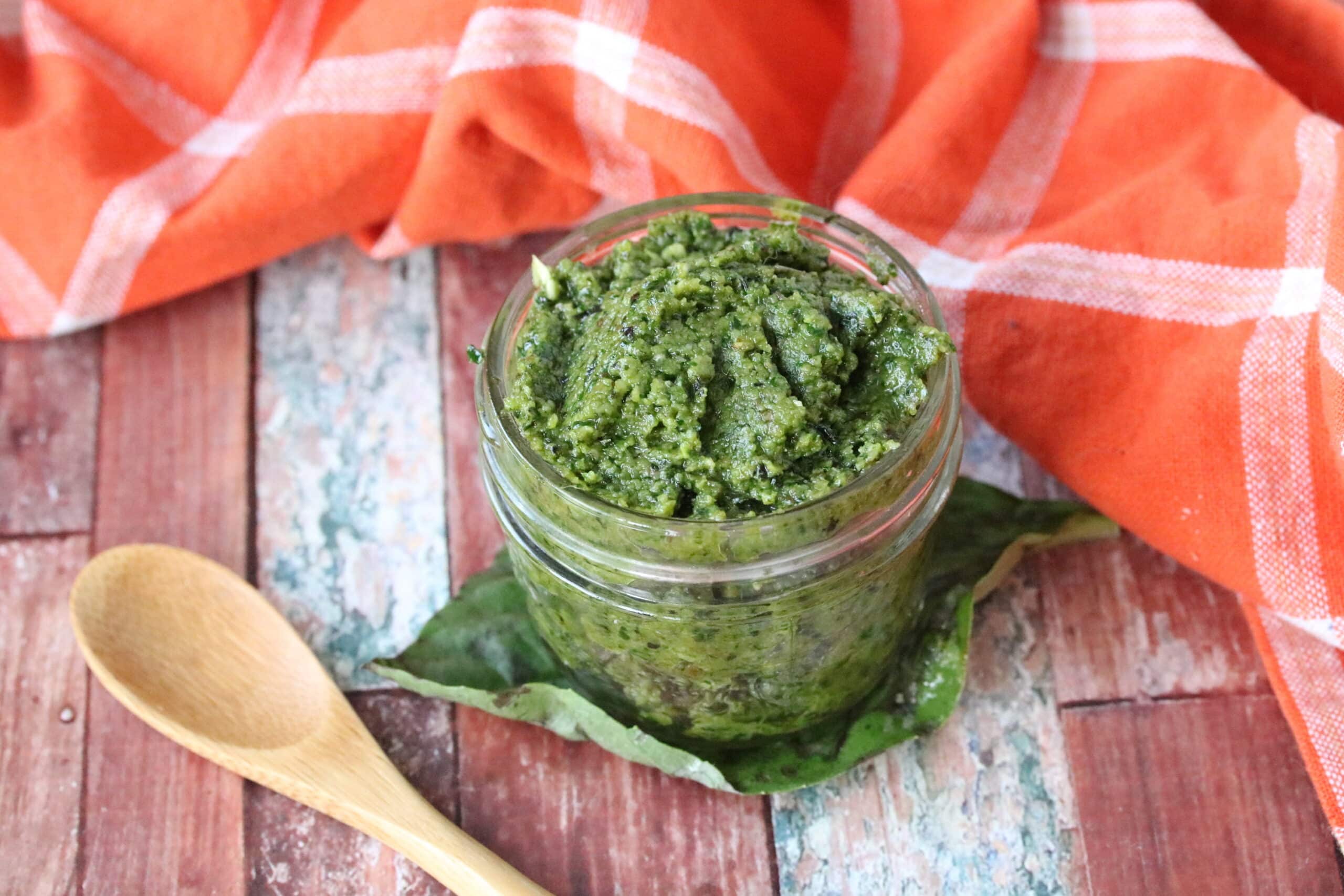
Pesto is a vibrant and aromatic sauce originating from Genoa, Italy. Traditionally crafted with fresh basil, garlic, pine nuts, Parmesan cheese, and olive oil, it's commonly paired with pasta, bruschetta, and grilled meats.
For those with pine nut allergies or seeking alternative flavors, here's a collection of delectable pesto recipes that omit pine nuts:
| Recipe Name | Ingredients | Steps | Difficulty | Serving Size | Notes |
|---|---|---|---|---|---|
| Sun-Dried Tomato Pesto |
|
|
Easy | 4 servings | Use a combination of different sun-dried tomatoes for a more complex flavor. |
| Arugula and Walnut Pesto |
|
|
Medium | 4 servings | For a creamier pesto, add a splash of heavy cream or milk. |
| Roasted Red Pepper Pesto |
|
|
Medium | 4 servings | For a smoky flavor, use wood-roasted red peppers. |
12. Benefits: Pesto Recipes Without Pine Nuts
Pesto recipes without pine nuts offer various nutritional benefits due to the use of alternative ingredients. These ingredients are rich in vitamins, minerals, and antioxidants, providing health advantages.
Nutrient-Rich Substitutes for Pine Nuts
Almonds, walnuts, cashews, and pumpkin seeds are nutrient-dense alternatives to pine nuts. They provide essential fatty acids, protein, fiber, and vitamins and minerals.
| Ingredient | Nutritional Profile |
|---|---|
| Almonds | Rich in vitamin E, magnesium, calcium, and fiber |
| Walnuts | Excellent source of omega-3 fatty acids, protein, and antioxidants |
| Cashews | High in copper, zinc, magnesium, and healthy fats |
| Pumpkin seeds | Abundant in zinc, magnesium, iron, and antioxidants |
Potential Risks and Benefits
Consuming pesto recipes with or without pine nuts may have potential risks and benefits for individuals with dietary restrictions or allergies.For those allergic to nuts, pesto recipes without pine nuts offer a safe alternative. However, individuals with nut allergies should exercise caution when using other nut-based substitutes.Pesto
recipes can be a healthy addition to a balanced diet. They provide vitamins, minerals, and antioxidants, but moderation is key to avoid excessive calorie intake.
13. Variations
Pesto recipes without pine nuts offer endless possibilities for creative variations. Explore unique ingredient combinations and flavor ideas to create flavorful and versatile pestos.
Experiment with different nuts, seeds, or other ingredients as substitutes for pine nuts. Incorporate seasonal ingredients or regional flavors to add depth and character to your pesto.
Consider variations that explore different techniques, such as roasting or toasting the ingredients before making the pesto. This can enhance the flavors and create a more complex and nuanced taste.
Table of Pesto Variations
| Variation Name | Ingredient Combination | Flavor Profile | Pairing Suggestions |
|---|---|---|---|
| Sun-Dried Tomato Pesto | Sun-dried tomatoes, walnuts, basil, garlic, olive oil | Savory, tangy, with a hint of sweetness | Pasta, grilled chicken, bruschetta |
| Roasted Red Pepper Pesto | Roasted red peppers, almonds, basil, garlic, olive oil | Sweet, smoky, and slightly nutty | Pasta, pizza, sandwiches |
| Spinach and Pistachio Pesto | Spinach, pistachios, basil, garlic, olive oil | Bright, herbaceous, with a subtle nutty flavor | Pasta, salads, grilled fish |
| Kale and Sunflower Seed Pesto | Kale, sunflower seeds, basil, garlic, olive oil | Earthy, slightly bitter, with a nutty undertone | Pasta, soups, roasted vegetables |
| Pumpkin Seed and Parmesan Pesto | Pumpkin seeds, Parmesan cheese, basil, garlic, olive oil | Nutty, savory, with a hint of sweetness | Pasta, gnocchi, pizza |
| Toasted Walnut and Arugula Pesto | Toasted walnuts, arugula, garlic, olive oil | Peppery, earthy, with a hint of nuttiness | Pasta, grilled meats, salads |
Closing Summary
As you delve into the realm of pesto recipes without pine nuts, you will uncover a treasure trove of culinary delights. Experiment with a kaleidoscope of flavors, textures, and aromas, and let your creativity soar as you craft your own unique variations.
Embrace the freedom to explore beyond traditional boundaries and embark on a journey that will redefine your culinary horizons.