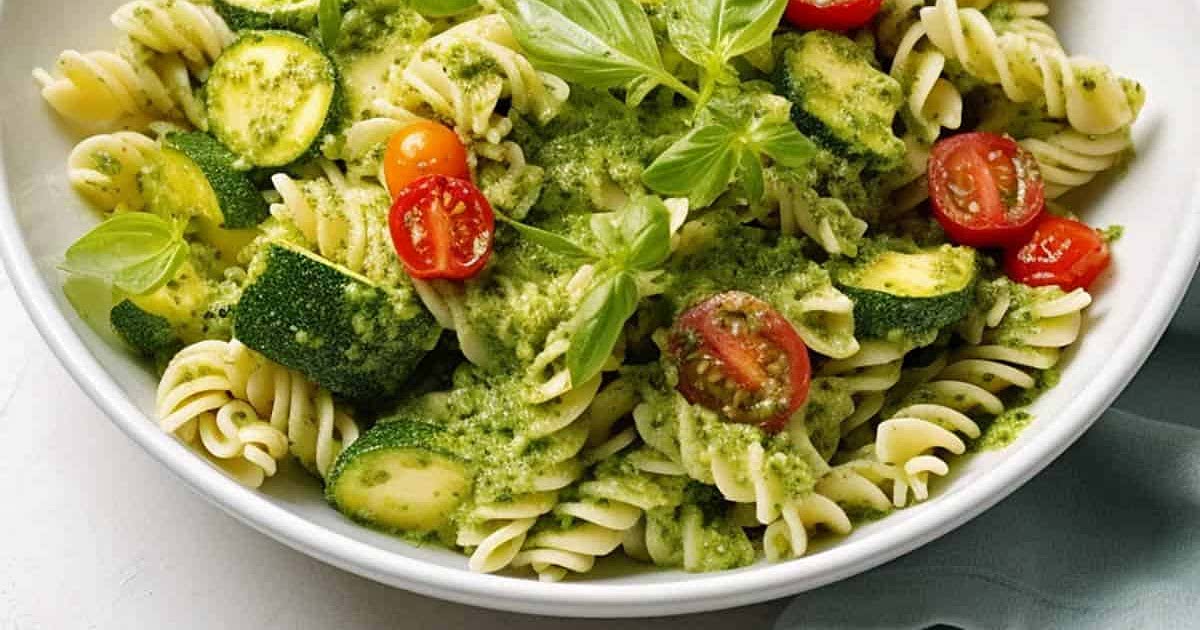
Embark on a culinary adventure with our pesto veggie pasta recipe, a symphony of flavors that will tantalize your taste buds and nourish your body. This delectable dish combines the vibrant freshness of vegetables with the aromatic embrace of homemade pesto, creating a harmonious masterpiece that is both indulgent and wholesome.
From the initial preparation of the aromatic pesto to the final plating, this recipe is a testament to the transformative power of fresh ingredients and culinary creativity. Allow us to guide you through each step, empowering you to recreate this exquisite dish in the comfort of your own kitchen.
Pesto Ingredients and Preparation
Pesto, a flavorful and versatile sauce, is a staple in Italian cuisine. Its vibrant green color and aromatic basil notes make it a favorite for pasta dishes, salads, and more. Crafting the perfect pesto requires a blend of fresh ingredients and a simple preparation process.
Essential Ingredients
The cornerstone of pesto lies in its key ingredients:
- Fresh basil leaves: A generous amount of fresh basil forms the aromatic base of the sauce.
- Pine nuts: Toasted pine nuts add a nutty richness and texture.
- Garlic: A few cloves of garlic provide a savory and pungent flavor.
- Parmesan cheese: Grated Parmesan cheese imparts a salty and umami depth.
- Olive oil: Extra-virgin olive oil serves as the liquid base, carrying the flavors and creating a smooth consistency.
Step-by-Step Preparation
Making pesto is a straightforward process:
- Combine the basil leaves, pine nuts, garlic, and Parmesan cheese in a food processor or blender.
- Pulse until the ingredients are finely chopped and combined.
- With the motor running, gradually add the olive oil until the desired consistency is reached.
- Season with salt and pepper to taste.
- Herbs:Swap out basil for other herbs like arugula, spinach, or parsley.
- Nuts:Replace pine nuts with almonds, walnuts, or pistachios.
- Cheese:Use Pecorino Romano or Asiago cheese instead of Parmesan.
- Oil:Experiment with different olive oils, such as lemon-infused or rosemary-infused oils.
- Broccoli:Crisp, tender florets that add a vibrant green color and a slightly bitter flavor.
- Asparagus:Delicate spears with a sweet and earthy taste that can be roasted, grilled, or sautéed.
- Zucchini:Mild and versatile, zucchini can be sliced, diced, or spiraled into noodles.
- Mushrooms:Meaty and umami-rich, mushrooms can be sliced or chopped and sautéed until golden brown.
- Spinach:Leafy and nutritious, spinach can be added raw or sautéed to add a boost of vitamins and minerals.
- Wash and trim:Thoroughly wash all vegetables before using. Trim off any woody ends or stems.
- Cut evenly:Cut the vegetables into uniform pieces to ensure even cooking.
- Blanching (optional):For vegetables like broccoli or asparagus, blanching (briefly boiling and then cooling in ice water) helps preserve their vibrant color and crispness.
- Roasting or grilling:Roasting or grilling vegetables intensifies their flavors and adds a smoky touch.
- Sautéing:Sautéing vegetables in a pan with a little oil brings out their sweetness and tenderness.
- Use fresh, seasonal vegetables:Fresh vegetables have the best flavor and nutritional value.
- Season generously:Salt, pepper, and herbs like basil or oregano can enhance the natural flavors of the vegetables.
- Add a touch of acidity:A squeeze of lemon juice or a splash of vinegar can balance the sweetness of the vegetables.
- Don’t overcook:Overcooked vegetables lose their texture and nutrients. Cook them just until tender.
- Fresh Herbs:Basil, parsley, or chives add a vibrant touch and enhance the pesto’s flavors.
- Roasted Vegetables:Sun-dried tomatoes, roasted peppers, or grilled zucchini provide a contrasting texture and sweetness.
- Sauces:A drizzle of balsamic glaze or a dollop of creamy goat cheese can add a touch of richness and complexity.
- Choose whole-wheat pasta over refined pasta for added fiber and nutrients.
- Make your own pesto using fresh basil and olive oil to control the ingredients and ensure freshness.
- Add grilled or roasted chicken or fish to the dish for additional protein.
- Serve the dish with a side salad or fruit to complete the meal and boost nutrient intake.
- Roasted vegetables, such as broccoli, cauliflower, or zucchini
- Fresh spinach, kale, or arugula
- Sun-dried tomatoes or roasted peppers for a Mediterranean flair
- Arugula pesto for a peppery kick
- Spinach pesto for a milder, earthy flavor
- Sun-dried tomato pesto for a savory and tangy twist
- Using gluten-free pasta for those with celiac disease or gluten intolerance
- Omitting dairy from the pesto sauce for lactose intolerance
- Choosing low-sodium ingredients for those with high blood pressure
- Adding grilled chicken or tofu for protein
- Tossing in grated Parmesan cheese for extra flavor
- Drizzling with a balsamic reduction for a sweet and tangy touch
- Opt for fresh, vibrant herbs for the pesto sauce. Basil, parsley, and cilantro offer distinct flavors and aromas.
- Choose ripe, firm vegetables that are at their peak season. Roasted or grilled veggies add a depth of flavor.
- Use high-quality olive oil for the pesto sauce. Extra virgin olive oil imparts a rich, nutty flavor.
- Finely chop the herbs and garlic for a smooth and flavorful pesto sauce.
- Roast or grill the vegetables to enhance their sweetness and smokiness.
- Cook the pasta al dente, ensuring it retains a slight bite.
- Pesto sauce too thick?Add a touch of olive oil or water to thin it out.
- Vegetables undercooked?Roast or grill them for a few minutes longer.
- Pasta too mushy?Cook it for a shorter duration next time.
Basil leaves:Fresh, fragrant basil leaves are the foundation of the pesto sauce.
Variations and Substitutions, Pesto veggie pasta recipe
Pesto offers endless possibilities for customization. Experiment with different ingredients to create unique variations:
Veggie Selection and Preparation
Selecting the right vegetables and preparing them properly are crucial for creating a delicious and flavorful veggie pasta recipe. Here’s a guide to help you choose and prepare the best vegetables for your dish:
Ideal Vegetables for Veggie Pasta:
li> Bell peppers:Sweet and colorful, bell peppers add a crunch and a touch of sweetness to the dish.
Preparation Techniques:
Tips for Enhancing Vegetable Flavors:
Pasta Selection and Cooking
When choosing pasta for a pesto veggie pasta dish, it’s essential to consider the shape and texture that will complement the sauce and vegetables. Short, sturdy pastas like penne, rotini, or fusilli are ideal as they can hold onto the creamy pesto and trap the vegetables in their crevices.
To cook the pasta to perfection, bring a large pot of salted water to a boil and add the pasta. Cook according to the package instructions, stirring occasionally to prevent sticking. For al dente pasta, cook for 1-2 minutes less than the recommended time.
Drain the pasta in a colander and immediately toss it with a little olive oil to prevent sticking.
Alternative Pasta Options
If you don’t have short, sturdy pasta on hand, you can use other types of pasta. However, it’s important to note that the cooking time and texture may vary. For example, long pastas like spaghetti or linguine may require more sauce to coat them evenly, while delicate pastas like angel hair may overcook quickly.
Sauce Assembly and Seasoning
Now that the pesto, vegetables, and pasta are ready, it’s time to bring them together and create a harmonious symphony of flavors. Combining these elements is an art that involves not only precision but also a touch of culinary intuition.
Start by gently stirring the cooked pasta into the vibrant pesto sauce. As you do this, the pasta will absorb the rich, herbaceous flavors of the basil, garlic, and nuts. Next, carefully fold in the sautéed vegetables, allowing their textures and colors to complement the pasta and pesto.
Balancing the Flavors and Textures
The key to a well-balanced pesto veggie pasta lies in the delicate balance of flavors and textures. If the pesto is too strong, it can overpower the other ingredients. Conversely, if it’s too mild, the dish may lack depth. Experiment with adding a touch of lemon juice to brighten the flavors or a sprinkle of Parmesan cheese to enhance the umami notes.
Texture is equally important. Aim for a combination of soft and crunchy elements. The tender pasta and vegetables should provide a smooth contrast to the crispness of the pine nuts or breadcrumbs, creating a delightful interplay of sensations in every bite.
Remember, the art of seasoning is a personal journey. Taste your pasta as you go and adjust the seasonings according to your preferences. A pinch of salt or a dash of pepper can elevate the flavors, while a drizzle of olive oil can add a touch of richness.
Presentation and Garnish
The final touch to your pesto veggie pasta masterpiece lies in its presentation and garnishing. A visually appealing plate can elevate the dining experience, making the dish even more tantalizing.
Consider arranging the pasta in a circular pattern, creating a bed for the vibrant vegetables. Top with a generous drizzle of pesto sauce, allowing it to cascade over the edges. Scatter freshly chopped herbs, such as basil or parsley, for a pop of color and aroma.
Suggested Garnishes
Remember, the presentation is not just about aesthetics but also about enhancing the dining experience. A well-presented dish invites the diner to savor each bite with heightened anticipation.
Nutritional Value and Health Benefits
Pesto veggie pasta is a nutrient-rich dish that provides an excellent source of vitamins, minerals, and fiber. The combination of vegetables, whole-wheat pasta, and pesto creates a balanced meal that supports overall health and well-being.The vegetables in the dish, such as broccoli, bell peppers, and zucchini, are packed with antioxidants, vitamins, and minerals.
They help boost the immune system, reduce inflammation, and protect against chronic diseases. The whole-wheat pasta provides complex carbohydrates, fiber, and essential vitamins and minerals. It helps regulate blood sugar levels, promote digestive health, and provide sustained energy.Pesto, made from basil, olive oil, pine nuts, and Parmesan cheese, is a flavorful and nutritious addition to the dish.
Basil is rich in antioxidants and has anti-inflammatory properties. Olive oil is a heart-healthy fat that contains monounsaturated and polyunsaturated fatty acids. Pine nuts provide healthy fats, protein, and minerals. Parmesan cheese adds calcium, protein, and flavor to the dish.
Tips for Making the Dish More Nutritious
* Use a variety of vegetables to increase the nutrient content of the dish.
Variations and Substitutions

Pesto veggie pasta is a versatile dish that allows for countless variations to suit individual tastes and dietary needs. Here are some ideas to customize your recipe:
Vegetable Variations:Experiment with different vegetables to add variety and nutritional value to your pasta. Consider using:
Sauce Variations:While traditional pesto is made with basil, you can explore other herb combinations for a unique flavor profile. Try:
Dietary Restrictions:Make this dish suitable for various dietary restrictions by:
Personalization:To tailor the dish to your preferences, consider:
Tips and Techniques
Mastering the art of pesto veggie pasta requires a blend of culinary know-how and practical techniques. Here are some invaluable tips to help you achieve culinary excellence:
Ingredient Selection
Preparation Techniques
Troubleshooting
Recipe Table: Pesto Veggie Pasta Recipe
For your convenience, here’s a detailed recipe table that provides an organized overview of the ingredients, quantities, and step-by-step instructions for making this delicious pesto veggie pasta dish.
This table will serve as a quick reference guide, allowing you to easily follow along and ensure accurate preparation of your culinary masterpiece.
Ingredients
| Ingredient | Quantity |
|---|---|
| Fresh basil leaves | 2 cups |
| Pine nuts | 1/2 cup |
| Parmesan cheese, grated | 1/2 cup |
| Garlic cloves | 2-3 |
| Olive oil | 1/2 cup |
| Salt and black pepper | To taste |
| Veggies of your choice (such as zucchini, bell peppers, carrots, or broccoli) | 2 cups |
| Pasta (such as penne, rotini, or fusilli) | 1 pound |
Step-by-Step Instructions
| Step | Instructions |
|---|---|
| 1 | Make the pesto by combining the basil, pine nuts, Parmesan cheese, garlic, olive oil, salt, and pepper in a food processor or blender. |
| 2 | Cut the veggies into bite-sized pieces. |
| 3 | Cook the pasta according to the package instructions. |
| 4 | Heat a skillet over medium heat and add the veggies. Cook until softened, about 5-7 minutes. |
| 5 | Drain the pasta and add it to the skillet with the veggies. Stir in the pesto and cook for another 2-3 minutes, or until the pasta is heated through. |
| 6 | Serve immediately and enjoy! |
Visual Guide

Our visual guide provides a step-by-step pictorial representation of the pesto veggie pasta recipe, from ingredient preparation to the final presentation. Each image is accompanied by detailed captions and descriptions, ensuring a comprehensive understanding of the cooking process.
Ingredients
Preparation Steps
Closure
As you savor the last bite of your pesto veggie pasta, take a moment to appreciate the culinary journey you have embarked on. This recipe is not merely a collection of ingredients; it is an invitation to explore the vibrant tapestry of flavors and textures that nature has to offer.
By embracing the art of home cooking, you have not only created a delicious meal but also nurtured your well-being and ignited a passion for culinary exploration.