Pizza, a beloved culinary delight, can now be made effortlessly with premade dough. This pizza recipe with premade dough is a game-changer for home cooks, offering convenience and delectable results. Whether you're a seasoned pizza enthusiast or a novice in the kitchen, this guide will empower you to create mouthwatering pizzas in the comfort of your own home.
With premade dough as your canvas, you'll save precious time and energy, allowing you to focus on the fun part: customizing your pizza with an array of toppings and flavors. From classic Margherita to adventurous gourmet creations, the possibilities are endless.
Introduction
/My-Special-Pizza-58a7265a5f9b58a3c951fbb6.jpg "Easy Pizza with Premade Dough: A Time-Saving Recipe")
Pizza is a beloved dish enjoyed by people of all ages and cultures around the world. It's a versatile and customizable meal that can be tailored to suit any taste or dietary preference. With the advent of premade dough, making pizza at home has become easier and more convenient than ever before.Premade
dough is available in a variety of forms, including fresh, frozen, and par-baked. Each type has its own unique advantages and disadvantages, so it's important to choose the one that best suits your needs.Fresh dough is the most flavorful and has the best texture, but it also has the shortest shelf life.
Frozen dough is more convenient and can be stored for longer periods of time, but it may not have as much flavor or texture as fresh dough. Par-baked dough is a good compromise between fresh and frozen dough. It has a longer shelf life than fresh dough, but it still has a good flavor and texture.No
matter which type of premade dough you choose, you'll be able to enjoy delicious, homemade pizza in no time.
Choosing the Right Dough
When choosing premade dough, there are a few factors to consider:
-
-*Texture
Do you want a thin and crispy crust or a thick and chewy crust?
-*Flavor
Do you want a dough with a mild flavor or a more pronounced flavor?
-*Thickness
Do you want a thin crust pizza or a thick crust pizza?
The table below compares the different types of premade dough based on these factors:| Dough Type | Texture | Flavor | Thickness ||---|---|---|---|| Fresh | Thin and crispy | Mild | Thin || Frozen | Thick and chewy | More pronounced | Thick || Par-baked | Thin and crispy | Mild | Thin |
Ingredient Selection
The quality of your ingredients will have a significant impact on the final flavor of your pizza. Here are some tips for choosing the best ingredients:
Premade Dough:Look for a dough that is made with high-quality flour and has a good rise. Avoid doughs that are too dense or sticky.
Sauce:Choose a sauce that is flavorful and has a good consistency. Avoid sauces that are too watery or too thick.
Cheese:Use a cheese that melts well and has a good flavor. Avoid cheeses that are too greasy or too crumbly.
Toppings:Choose toppings that you enjoy and that will complement the other ingredients. Avoid toppings that are too heavy or too greasy.
Dough Preparation
Premade pizza dough offers convenience and flexibility. Here's a comprehensive guide to thawing, shaping, and preparing the dough for a delicious pizza:
Thawing and Shaping:
Pizza with premade dough is a quick and easy meal that can be customized to your liking. If you're looking for a new and exciting flavor combination, try using Ole Smoky Mango Habanero Whiskey in your sauce. The sweet and spicy flavors of the whiskey will add a unique twist to your pizza.
Whether you're using premade dough or making your own, this recipe is sure to please everyone at your table.
- Remove the dough from the freezer and place it in the refrigerator to thaw overnight.
- Once thawed, bring the dough to room temperature for 30 minutes before shaping.
- Lightly flour a work surface and gently stretch or roll out the dough into a circle or desired shape.
Achieving a Thin and Crispy Crust
- Stretch the dough as thin as possible, ensuring it is evenly thin throughout.
- Use a pizza stone or baking sheet to create a hot surface for cooking.
- Preheat the oven to a high temperature (500°F or higher) to quickly crisp the crust.
| Step | Description |
|---|---|
| 1 | Thaw the dough overnight in the refrigerator. |
| 2 | Bring the dough to room temperature for 30 minutes. |
| 3 | Stretch or roll out the dough into a thin circle. |
| 4 | Transfer the dough to a hot pizza stone or baking sheet. |
| 5 | Preheat the oven to a high temperature (500°F or higher). |
Sauce Application
The sauce is a crucial element in any pizza, providing flavor, moisture, and texture. Various types of sauces can be used, each with its distinct characteristics and suitability for different pizza styles.
Experimenting with pizza recipes using premade dough can be a delightful culinary adventure. If you're seeking a flavorful twist, why not explore the delectable pimento cheese masters recipe ? Its creamy, tangy goodness will elevate your pizza to new heights.
Afterwards, return to your pizza-making journey, using the premade dough as a versatile canvas for your culinary creativity.
Tomato sauce is the most popular pizza sauce, made from crushed or pureed tomatoes, herbs, and spices. It offers a tangy and savory base for various toppings.
Pesto sauce is a flavorful and aromatic sauce made from fresh basil, pine nuts, garlic, Parmesan cheese, and olive oil. It adds a vibrant green color and a nutty, herbaceous flavor to the pizza.
Alfredo sauce is a creamy and rich sauce made from butter, flour, milk, and Parmesan cheese. It provides a smooth and indulgent base for pizzas with more delicate toppings, such as seafood or vegetables.
Applying the Sauce
To apply the sauce evenly over the dough, you can use a spoon, a brush, or a ladle.
- Using a spoon:Spread the sauce in a circular motion, starting from the center and working your way outwards. Use the back of the spoon to smooth out the sauce and ensure an even distribution.
- Using a brush:Dip a pastry brush into the sauce and gently brush it over the dough in long, even strokes. This method allows for more precise control and helps create a thin, even layer of sauce.
- Using a ladle:If you are using a thicker sauce, you can use a ladle to pour it directly onto the dough. Spread the sauce evenly using a spoon or spatula.
The thickness of the sauce layer is a matter of personal preference. However, a good rule of thumb is to apply a thin and even layer that covers the dough without being too thick or overpowering the other toppings.
Cheese Selection and Distribution
The selection and distribution of cheese are crucial for a flavorful and visually appealing pizza. Choosing the right type and amount of cheese ensures a harmonious balance of flavors and textures.
Types of Cheese, Pizza recipe with premade dough
- Mozzarella:A classic choice, known for its stretchy texture and mild flavor.
- Cheddar:A sharp and flavorful cheese that adds a tangy kick.
- Parmesan:A hard, aged cheese with a nutty flavor, often used as a topping or garnish.
Distribution of Cheese
To achieve an even distribution of cheese, follow these steps:
- Grate the cheese:Grating the cheese allows for more even coverage and prevents clumping.
- Start from the center:Begin applying the cheese from the center of the pizza and work your way outwards.
- Use a consistent motion:Sprinkle the cheese in a circular motion to ensure even distribution.
- Avoid over-cheesing:Too much cheese can make the pizza soggy and overpower the other flavors.
Topping Options: Pizza Recipe With Premade Dough
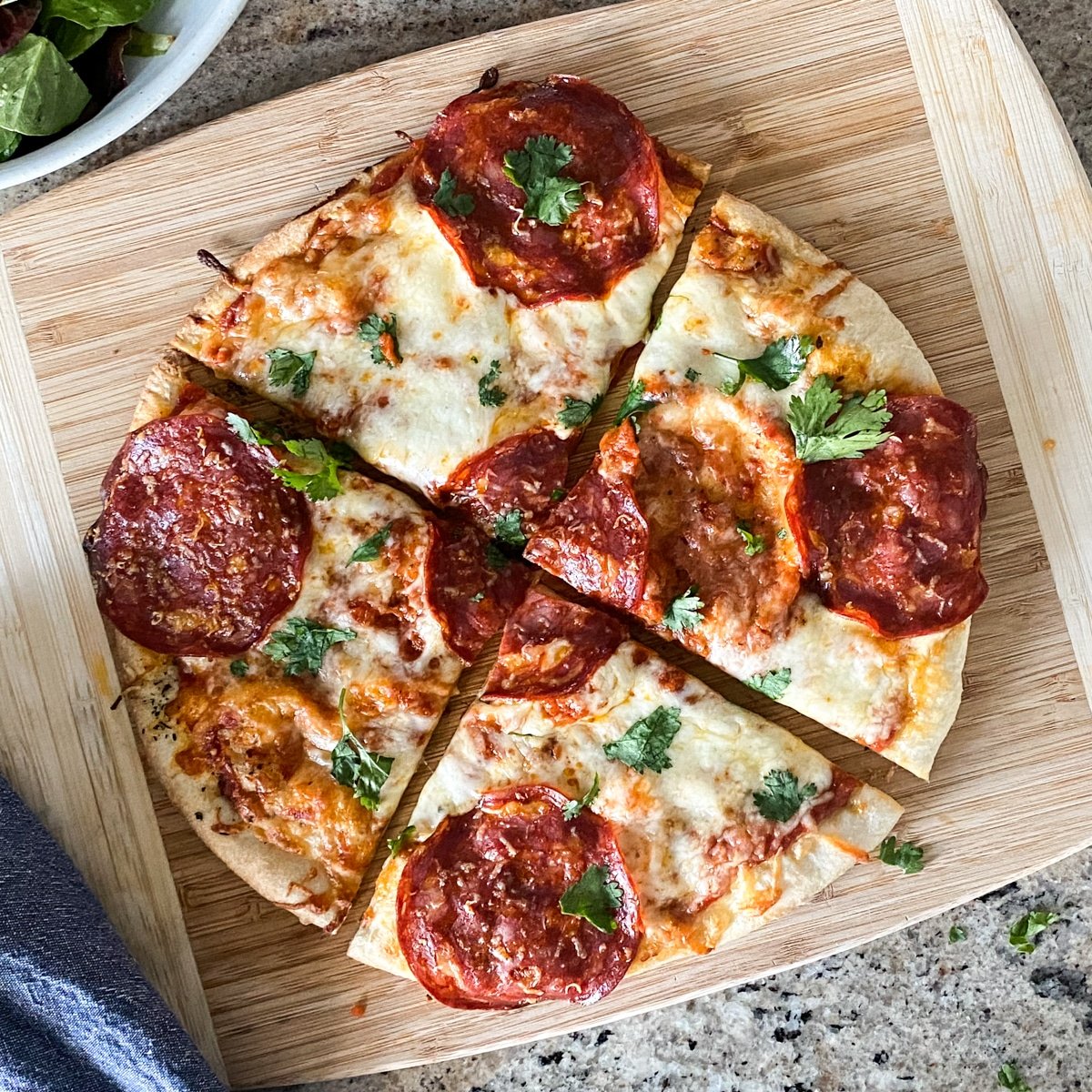
The vast world of pizza toppings beckons you to unleash your culinary creativity. From classic combinations to innovative pairings, the possibilities are endless. Let's explore a delectable array of meats, vegetables, and specialty items to elevate your pizza experience.
When combining toppings, consider their flavor profiles and textures. For a savory and umami-rich pizza, opt for meats like pepperoni, sausage, or bacon. Vegetables such as bell peppers, onions, and mushrooms add sweetness, crunch, and earthy notes. Specialty items like pineapple, olives, or anchovies provide unique flavor dimensions that balance out the richness of meats and vegetables.
Meats
- Pepperoni: Thinly sliced and crispy, pepperoni adds a classic salty and spicy flavor.
- Sausage: Ground sausage, whether Italian or breakfast-style, brings savory and meaty goodness.
- Bacon: Crispy and smoky, bacon enhances the pizza with its umami-rich flavor.
- Ham: Deli ham or prosciutto provides a salty and slightly sweet touch.
Vegetables
- Bell peppers: Sliced bell peppers add sweetness and a vibrant crunch.
- Onions: White or red onions provide a sharp and slightly pungent flavor.
- Mushrooms: Sautéed mushrooms bring an earthy and umami-rich taste.
- Spinach: Fresh spinach wilts down on the pizza, adding a subtle green flavor and nutrients.
Specialty Items
- Pineapple: Sliced pineapple offers a sweet and tangy contrast to savory toppings.
- Olives: Black or green olives add a briny and salty flavor.
- Anchovies: Salted anchovies provide a unique and intense umami taste.
Baking s
The precise s for baking pizza with premade dough depend on the type of crust you prefer and the toppings you use. However, general guidelines can help you achieve the desired results.
To achieve a crispy crust, preheat your oven to the highest temperature possible, typically around 500°F (260°C). Place the pizza on a preheated pizza stone or baking sheet and bake for 10-12 minutes, or until the crust is golden brown and the cheese is melted and bubbly.
For a softer crust, preheat your oven to a lower temperature, around 400°F (200°C). Bake the pizza for 15-20 minutes, or until the crust is cooked through and the cheese is melted.
Monitoring the Pizza
It is important to monitor the pizza closely while it is baking to prevent it from burning. If the edges of the crust start to brown too quickly, reduce the oven temperature by 25°F (15°C) and continue baking.
Once the pizza is cooked to your liking, remove it from the oven and let it cool for a few minutes before slicing and serving.
The ease and convenience of premade dough make it an excellent choice for crafting delicious pizzas at home. To further enhance the flavor of your pizza, consider pairing it with a tantalizing pesto recipe with pistachio nuts . This flavorful condiment, made with fresh basil, nutty pistachios, and tangy lemon, adds a vibrant and herbaceous touch to your pizza.
Its vibrant green color and rich texture create a visually appealing and taste-bud tantalizing topping that perfectly complements the savory flavors of your pizza.
Serving Suggestions
To enhance the pizza-eating experience, consider serving it with an array of accompaniments that complement its flavors.
For a classic touch, offer a selection of dipping sauces, such as marinara, ranch, or garlic butter, to add extra moisture and richness to each bite.
Presentation and Cutting
To present the pizza in an aesthetically pleasing manner, cut it into even slices, ensuring each slice contains a balanced distribution of toppings.
Consider using a sharp pizza cutter or knife to achieve clean and precise cuts, maintaining the integrity of the pizza's structure.
Troubleshooting
Despite the convenience of premade dough, issues can arise during pizza preparation. Understanding these problems and their solutions will ensure a successful and enjoyable pizza-making experience.
Here are some common issues and tips to resolve them:
Dough Problems
- Dough is too sticky:Add more flour gradually while kneading until the dough becomes less sticky.
- Dough is too dry:Add water a tablespoon at a time while kneading until the dough becomes pliable.
- Dough is tearing:Allow the dough to rest for a few minutes before stretching or rolling it out. This will make it more pliable and less likely to tear.
Sauce Problems
- Sauce is too watery:Reduce the amount of water or liquid in the sauce recipe.
- Sauce is too thick:Add more liquid, such as water or broth, to the sauce while stirring.
Cheese Problems
- Cheese is not melting properly:Use a high-quality cheese that melts well, such as mozzarella or cheddar.
- Cheese is burning:Reduce the oven temperature or cover the cheese with aluminum foil during the last few minutes of baking.
Topping Problems
- Toppings are sliding off the pizza:Use less sauce or toppings, or pre-bake the crust for a few minutes before adding the toppings.
- Toppings are not cooking evenly:Cut the toppings into uniform sizes and distribute them evenly over the pizza.
Nutritional Considerations
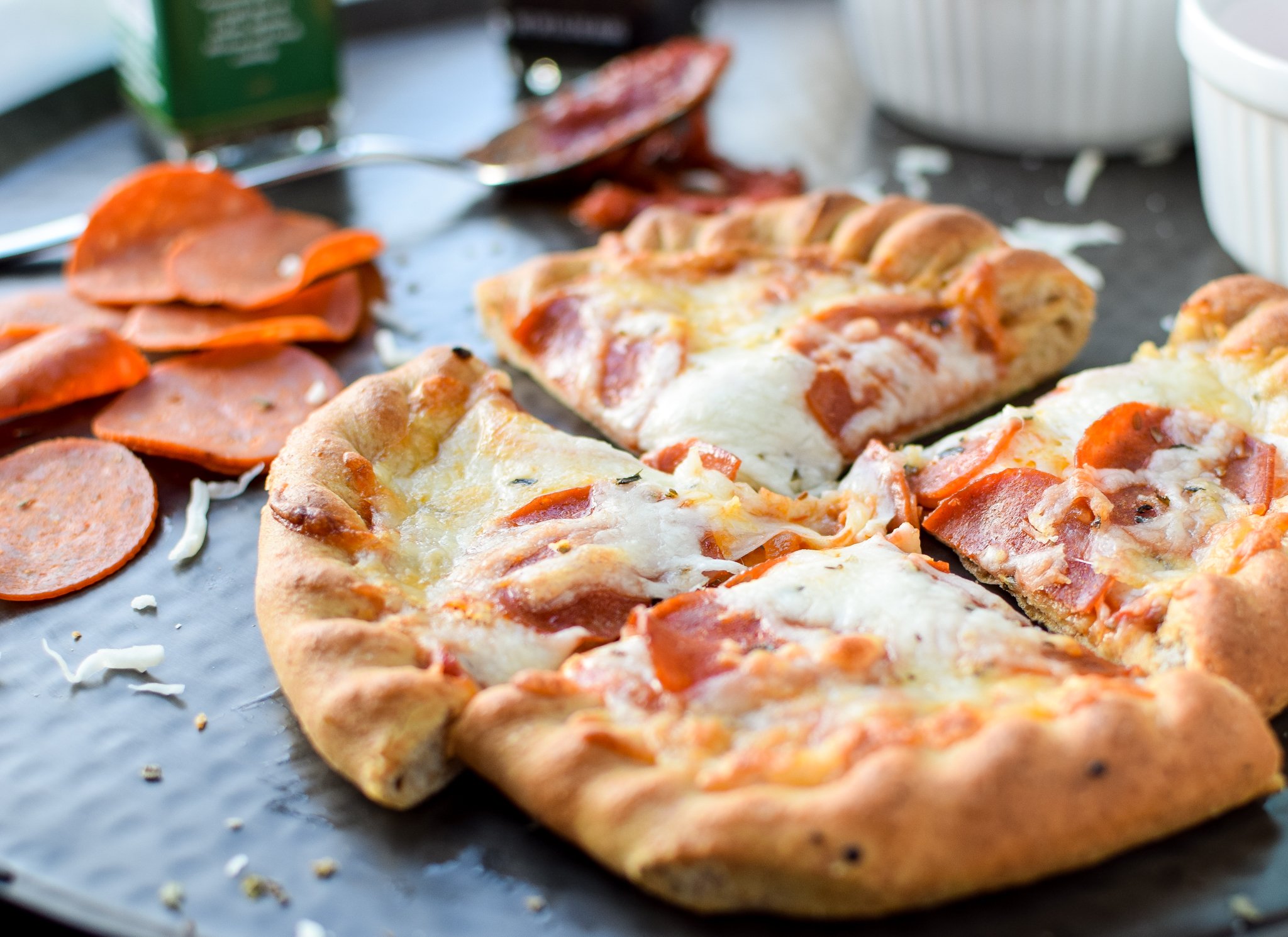
Pizza made with premade dough can be a nutritious meal, providing carbohydrates, protein, and essential nutrients. However, the nutritional value can vary depending on the type of dough used, toppings, and serving size.To make healthier choices, opt for whole-wheat or whole-grain dough, which provides more fiber and nutrients than white dough.
Choose lean protein toppings like grilled chicken or vegetables, and limit high-fat toppings like pepperoni or sausage. Consider using low-fat cheese or a blend of cheeses to reduce saturated fat intake.
| Dough Type | Calories | Protein (g) | Carbohydrates (g) | Fiber (g) |
|---|---|---|---|---|
| White | 250 | 8 | 50 | 2 |
| Whole-wheat | 270 | 10 | 48 | 4 |
| Whole-grain | 280 | 12 | 46 | 5 |
Overall, pizza can be a nutritious meal when made with healthy ingredients and consumed in moderation. It provides essential nutrients like carbohydrates, protein, and fiber, and can be a good source of vitamins and minerals when topped with vegetables and lean protein.
Recipe Table
This comprehensive table provides a step-by-step guide to making a delicious pizza with premade dough. It includes the necessary ingredients, quantities, cooking times, and temperatures for each step, ensuring a successful and satisfying culinary experience.
Each ingredient is precisely measured to achieve the perfect balance of flavors and textures. The cooking times and temperatures are carefully calibrated to ensure that the pizza cooks evenly and to perfection. By following this table, you can create a mouthwatering pizza that will impress your family and friends.
Step-by-Step Instructions
| Step | Ingredients | Quantity | Cooking Time | Temperature |
|---|---|---|---|---|
| 1 | Premade pizza dough | 1 (12-inch) | N/A | N/A |
| 2 | Pizza sauce | 1 cup | N/A | N/A |
| 3 | Mozzarella cheese | 1 cup | N/A | 350°F (175°C) |
| 4 | Toppings of your choice | As desired | N/A | 350°F (175°C) |
Benefits of Premade Dough for Pizza Making
Using premade dough for pizza making offers several advantages, making it a convenient and time-saving option for home cooks and pizza enthusiasts alike.
Here are 5 key benefits of using premade dough:
- Convenience:Premade dough eliminates the need for lengthy dough preparation, saving you time and effort.
- Consistency:Premade dough ensures consistent results, as it is professionally made and proofed to achieve the desired texture and flavor.
- Time-saving:Using premade dough significantly reduces the time required to make a pizza, allowing you to enjoy your meal sooner.
- Flexibility:Premade dough can be easily customized to your preferences, allowing you to experiment with different toppings and flavors.
- Cost-effective:Premade dough is generally affordable, making it a budget-friendly option for homemade pizzas.
Concluding Remarks
Embark on a culinary adventure with our pizza recipe with premade dough. Experiment with different toppings, sauces, and cheeses to create pizzas that reflect your unique taste. Whether you're hosting a party or enjoying a cozy night in, this recipe will become a staple in your kitchen, bringing joy and satisfaction with every slice.