Recipe for cheesecake balls – Prepare to indulge in the delightful world of cheesecake balls, where sweet and savory flavors dance harmoniously. This delectable treat, crafted with a symphony of cream cheese, graham crackers, and a touch of magic, is guaranteed to tantalize your taste buds and leave you craving more.
From the first bite to the last, these cheesecake balls will transport you to a realm of pure indulgence. Whether you savor them as a sweet ending to a meal or relish them as a delectable appetizer, they are sure to become a cherished favorite.
Cheesecake Ball Ingredients
Cheesecake balls are a delightful treat that combines the creamy richness of cheesecake with the crunch of graham crackers. The main components of cheesecake balls are cream cheese, graham crackers, sugar, and butter.
Cream Cheese
Cream cheese is the primary ingredient in cheesecake balls, providing a smooth, velvety texture and a tangy flavor. It’s essential to use high-quality cream cheese for the best results.
Graham Crackers
Graham crackers are crushed and used to coat the cheesecake balls, giving them a crispy, nutty flavor. The crumbs also help to bind the balls together.
Sugar
Sugar is added to sweeten the cheesecake balls. The amount of sugar can be adjusted to taste, depending on your preference.
Butter
Butter is used to bind the ingredients together and add richness. It also helps to create a smooth, creamy filling.
Ingredient Measurements
The following table provides the measurements for the ingredients in cheesecake balls:
| Ingredient | Amount | Conversion |
|---|---|---|
| Cream cheese | 8 ounces | 1 cup |
| Graham crackers | 10 whole crackers | 1 1/2 cups crumbs |
| Sugar | 1/2 cup | – |
| Butter | 1/4 cup | – |
Graham Cracker Crust Preparation
Creating the graham cracker crust is a fundamental step in crafting delectable cheesecake balls. To begin, the graham crackers must be transformed into fine crumbs. This can be achieved using a food processor, which quickly pulverizes the crackers into a uniform consistency.
Once the crackers are reduced to crumbs, melted butter plays a crucial role in binding the crust together. The butter acts as an adhesive, ensuring that the crumbs adhere to each other and form a cohesive ball. To achieve the desired consistency, the butter should be melted but not too hot, as this could cause the crackers to become soggy.
Shaping the Crust
With the graham cracker crumbs and melted butter combined, it’s time to shape the crust into a ball. This is best done by using your hands. Gently press the mixture together, working it until it forms a compact ball. Avoid overworking the crust, as this can make it tough.
Once the crust is formed, it can be refrigerated for at least 30 minutes to firm up before filling it with the cheesecake mixture.
Cream Cheese Mixture
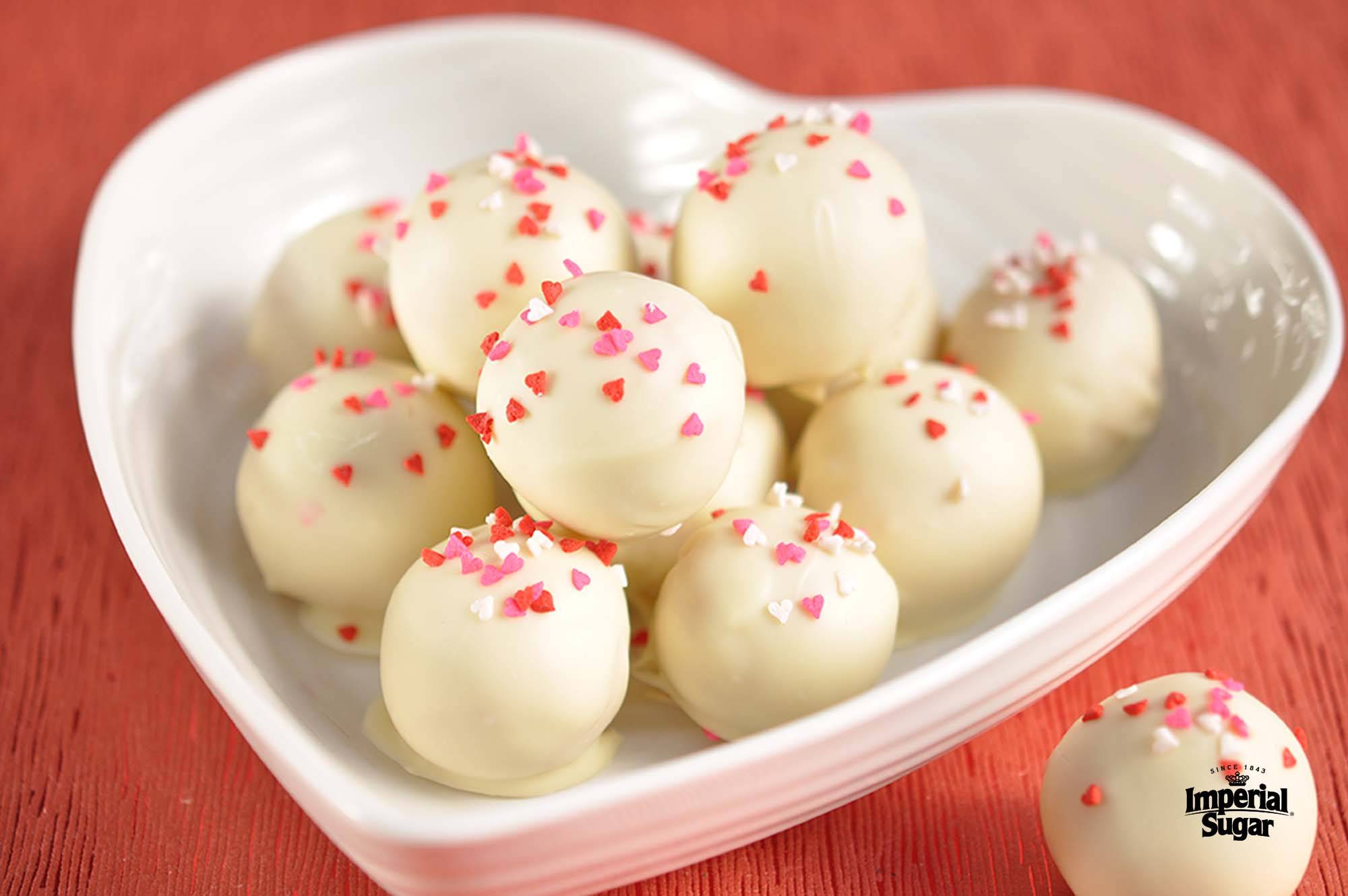
Preparing the cream cheese mixture is a crucial step in creating smooth and delectable cheesecake balls. It involves beating softened cream cheese until it reaches a smooth and creamy consistency, followed by the incorporation of sugar and vanilla extract for flavor enhancement.
Softening Cream Cheese
Before mixing, it is essential to soften the cream cheese. This allows it to blend more easily and prevents lumps from forming. To soften cream cheese, let it stand at room temperature for about 30 minutes or until it becomes pliable.
Beating Cream Cheese
Use an electric mixer to beat the softened cream cheese on medium speed. Continue beating until it becomes smooth and creamy, free of any lumps. This may take several minutes, so be patient and ensure thorough mixing.
Adding Sugar and Vanilla Extract
Once the cream cheese is smooth, gradually add the sugar while continuing to beat. Mix until the sugar is fully incorporated. Finally, add the vanilla extract and beat until well combined. The resulting mixture should be light and fluffy, with a consistent texture.
Combining Ingredients
To combine the ingredients, gradually add the graham cracker crumbs to the cream cheese mixture. Start with about half of the crumbs and mix until well combined. Then, add the remaining crumbs and mix until the dough just comes together.
The desired consistency for the cheesecake ball dough is slightly sticky but not too wet. If the dough is too wet, add more graham cracker crumbs. If the dough is too dry, add a little bit of milk or cream.
Tips for Avoiding Overmixing
- Mix the dough by hand until just combined. Do not overmix, as this will make the cheesecake balls tough.
- If you are using a stand mixer, mix on low speed until the ingredients are just combined.
- Once the dough is combined, stop mixing and form the cheesecake balls immediately.
Shaping and Rolling
After combining the ingredients, it’s time to shape and roll the cheesecake balls.
Using clean hands, roll the dough into small balls, about 1-inch in diameter. To achieve uniform sizing, consider using a small cookie scoop. This tool helps ensure each ball is approximately the same size, resulting in a consistent appearance.
Rolling in Graham Cracker Crumbs
Once the balls are shaped, roll them in additional graham cracker crumbs to coat them evenly. This step adds texture and flavor to the exterior of the cheesecake balls, creating a delightful contrast to the creamy interior.
Serving Options
Cheesecake balls are a versatile dessert that can be enjoyed in various ways. Traditionally, they are served chilled to enhance their creamy texture and prevent them from becoming too soft.
To elevate the presentation, consider garnishing the cheesecake balls with fresh fruit. Berries such as strawberries, blueberries, or raspberries add a vibrant pop of color and a burst of sweetness. Alternatively, chocolate chips provide a classic touch and a delightful crunch.
As a Dessert or Appetizer
Cheesecake balls can be served as both a dessert or an appetizer. When presented as a dessert, they offer a sweet and satisfying ending to a meal. As an appetizer, their bite-sized nature makes them perfect for parties or gatherings, providing a delectable start to the festivities.
Variations and Additions
Elevate your cheesecake balls to new heights by incorporating a variety of flavors and ingredients. Experiment with different chocolate varieties, such as dark, milk, or white, to create decadent and indulgent treats. Fruit enthusiasts can add vibrant colors and sweet notes by mixing in fresh or dried fruits like blueberries, strawberries, or cranberries.
Looking for a delicious dessert that’s easy to make? Check out this recipe for cheesecake balls. These bite-sized treats are made with just a few simple ingredients and can be customized to your liking. If you’re looking for something a little different, try this maraschino cherry cookies recipe . These cookies are soft and chewy with a sweet and tart flavor.
And if you’re a fan of cheesecake, you’ll love these cheesecake balls. They’re the perfect way to satisfy your sweet tooth without all the guilt.
For a savory twist, consider incorporating shredded cheese, such as cheddar, mozzarella, or Parmesan, to create a delightful contrast to the creamy cheesecake filling. Seasonings and spices, like cinnamon, nutmeg, or chili powder, can also transform your cheesecake balls into culinary masterpieces.
Popular Variations
- Chocolate Cheesecake Balls:Dip classic cheesecake balls in melted chocolate for a rich and indulgent treat.
- Fruit Cheesecake Balls:Mix in fresh or dried fruit, such as blueberries or cranberries, for a burst of sweetness and color.
- Savory Cheesecake Balls:Add shredded cheese, such as cheddar or mozzarella, for a salty and savory twist.
- Spiced Cheesecake Balls:Incorporate warm spices, such as cinnamon or nutmeg, for a cozy and aromatic treat.
Storage and Handling
Refrigeration is crucial for maintaining the freshness and quality of cheesecake balls. Store them in an airtight container in the refrigerator to prevent spoilage.
Shelf Life
- Homemade cheesecake balls typically have a shelf life of 3-4 days in the refrigerator.
- Factors affecting shelf life include the freshness of ingredients used and the storage temperature.
- Cheesecake balls with perishable ingredients, such as fresh fruit or whipped cream, have a shorter shelf life.
Presentation and Plating

The traditional presentation of cheesecake balls involves arranging them on a serving platter, either in a single layer or stacked in a pyramid shape. For a more visually appealing display, consider using different sizes of cheesecake balls and arranging them in a staggered pattern.
Garnishes and decorative elements can further enhance the presentation of your cheesecake balls. A sprinkle of powdered sugar, a drizzle of chocolate sauce, or a dusting of cinnamon can add a touch of elegance and sweetness. You can also use fresh berries, chopped nuts, or edible flowers to create a colorful and inviting display.
Serving Options, Recipe for cheesecake balls
- Serve cheesecake balls as a dessert or snack at parties, gatherings, or special occasions.
- Offer them as a sweet treat after dinner or as a midday pick-me-up.
- Package cheesecake balls individually for easy grab-and-go snacks or gifts.
Troubleshooting Common Issues
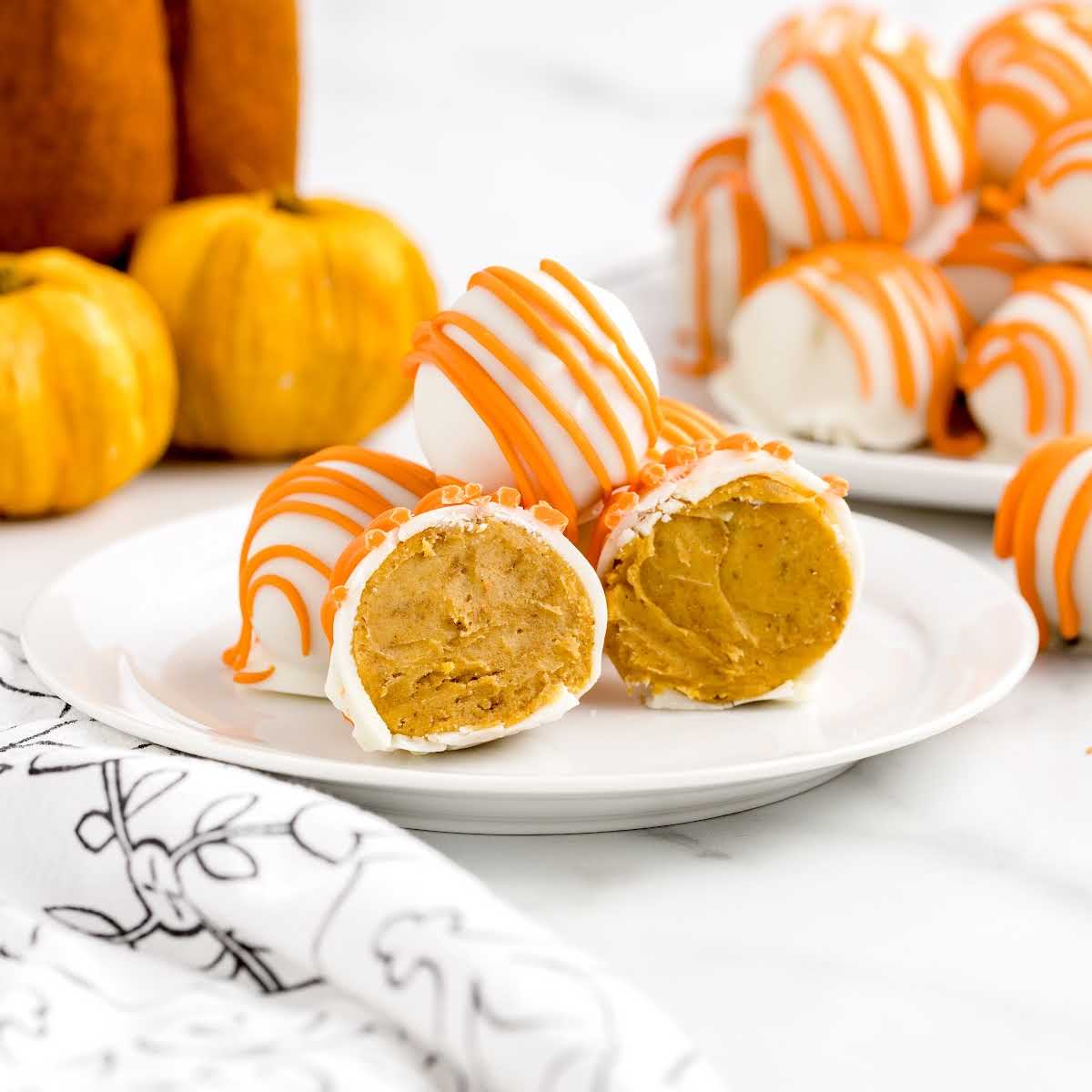
Cheesecake balls may encounter issues during preparation, such as falling apart or crumbling. Understanding the causes and employing proper techniques can help prevent these problems and ensure successful ball formation.
Cheesecake Balls Falling Apart
- Insufficient Binding Agents:Cream cheese should be well-chilled and firm to provide stability. Adding more cream cheese or a binder like gelatin or egg can strengthen the mixture.
- Overmixing:Overworking the mixture can break down the cream cheese and weaken the bonds between ingredients.
- Lack of Moisture:Dry graham cracker crumbs can absorb moisture from the cream cheese, making the mixture crumbly. Ensure the crumbs are slightly moist.
Cheesecake Balls Sticking to Rolling Surface
- Wet Hands:Moisture from hands can cause the balls to stick. Use dry or slightly damp hands when rolling.
- Insufficient Cooling:Chilled cheesecake balls are easier to handle and less likely to stick. Refrigerate the mixture before rolling.
- Uneven Surface:Roll the balls on a smooth, flat surface to prevent uneven sticking.
Frequently Asked Questions

This section addresses commonly asked questions regarding cheesecake balls, providing clear and concise responses based on relevant information.
Origin of Cheesecake Balls
The precise origin of cheesecake balls is uncertain, but they are believed to have emerged in the United States during the mid-20th century. These delightful treats gained popularity as a convenient and bite-sized way to enjoy the classic flavors of cheesecake.
Best Cream Cheese to Use
For optimal results, it is recommended to use high-quality, full-fat cream cheese. This type of cream cheese provides a rich and creamy texture that complements the other ingredients perfectly.
Ideal Serving Temperature
Cheesecake balls can be served chilled or at room temperature. Chilled cheesecake balls offer a firmer texture, while room temperature cheesecake balls have a softer, more decadent texture. The choice of serving temperature ultimately depends on personal preference.
End of Discussion: Recipe For Cheesecake Balls

As you embark on your culinary adventure, remember that the possibilities with cheesecake balls are endless. Experiment with different flavors, coatings, and presentations to create your own unique masterpieces. And don’t forget to share your creations with loved ones, spreading the joy of these delectable treats far and wide.