Recipe for crawfish sauce, an exquisite culinary creation, embarks us on a tantalizing journey of flavors, techniques, and cultural heritage. With its unique blend of ingredients and preparation methods, this delectable sauce promises to elevate any dish to new heights of gastronomic delight.
From the vibrant streets of New Orleans to the tranquil waters of the bayous, crawfish sauce has captured the hearts and palates of food enthusiasts worldwide. Its versatility knows no bounds, as it seamlessly complements seafood, poultry, and even vegetarian dishes.
Ingredients
To prepare a delectable crawfish sauce, you will need the following ingredients:
Essential Ingredients:
- 1 pound crawfish, peeled and deveined
- 1/2 cup chopped onion
- 1/2 cup chopped celery
- 1/2 cup chopped green bell pepper
- 1/4 cup chopped red bell pepper
- 1/4 cup chopped garlic
- 1/2 cup butter
- 1/2 cup all-purpose flour
- 3 cups chicken broth
- 1 cup milk
- 1/2 cup heavy cream
- 1 teaspoon dried thyme
- 1 teaspoon dried oregano
- 1/2 teaspoon salt
- 1/4 teaspoon black pepper
Optional Ingredients and Substitutions:
- Crawfish:You can use fresh or frozen crawfish. If using frozen crawfish, thaw them before cooking.
- Chicken broth:You can substitute vegetable broth or water if you don’t have chicken broth on hand.
- Milk:You can substitute half-and-half or evaporated milk for milk.
- Heavy cream:You can substitute whipping cream or sour cream for heavy cream.
Cooking Methods

Crawfish sauce can be prepared using various cooking methods, each offering distinct advantages and disadvantages. The choice of method depends on factors such as desired texture, flavor, and time constraints.
Sautéing
Sautéing involves cooking the crawfish in a pan with a small amount of fat over medium heat. This method allows for the development of rich flavors as the crawfish browns. It is a relatively quick method, taking approximately 5-7 minutes.
Steaming
Steaming cooks the crawfish over boiling water or a flavorful broth. This method preserves the natural flavor and moisture of the crawfish. However, it can take longer, typically 10-15 minutes.
Boiling
Boiling is a simple and straightforward method that involves cooking the crawfish in a large pot of boiling water. It is a fast method, taking around 5 minutes, but it can result in a loss of flavor if the crawfish is overcooked.
Grilling
Grilling involves cooking the crawfish over direct heat. This method imparts a smoky flavor and crispy texture. It is a relatively quick method, taking about 5-7 minutes, but requires careful monitoring to prevent burning.
Flavor Profiles
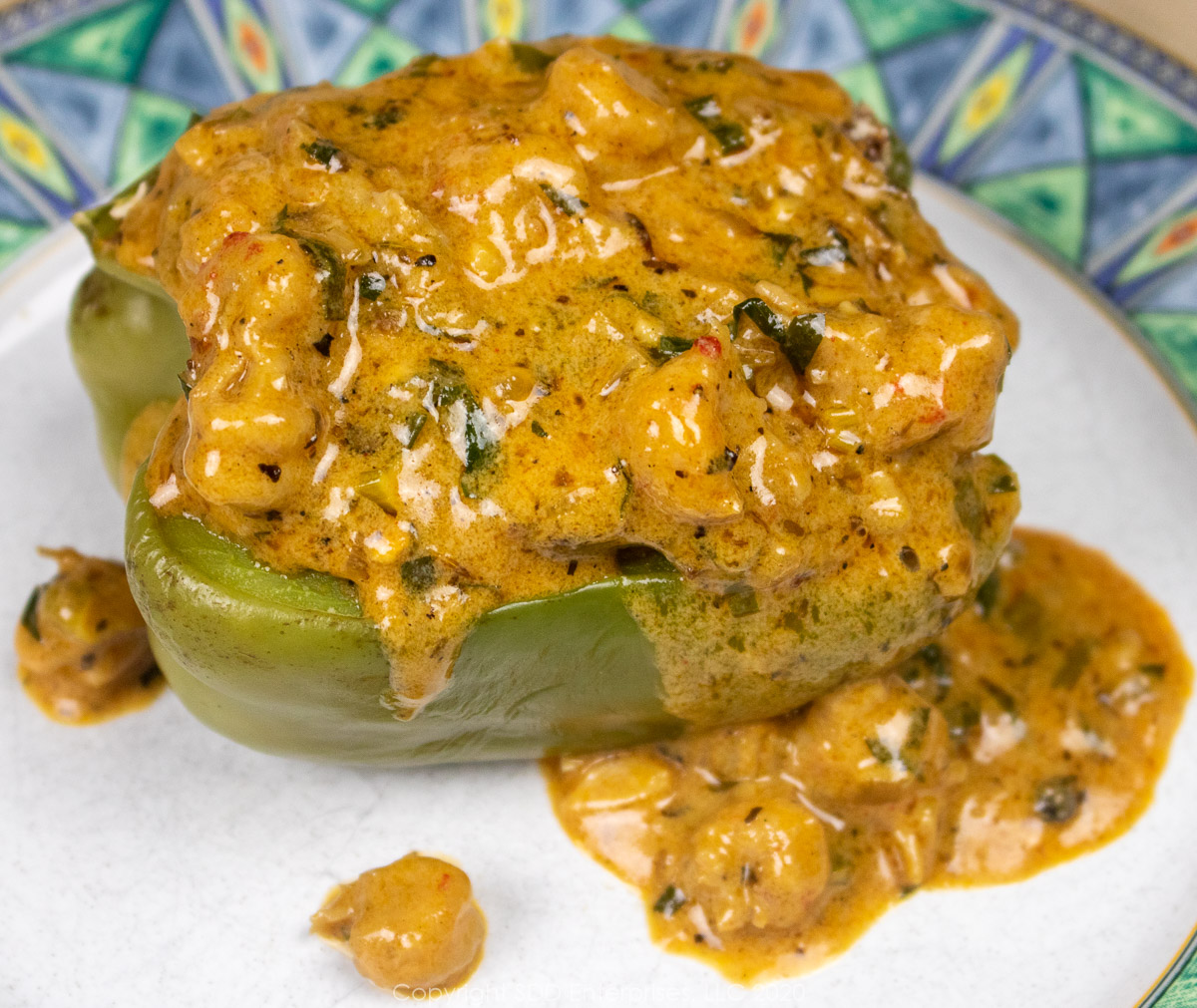
Crawfish sauce is a versatile condiment that can be tailored to a wide range of flavor profiles, from bold and spicy to rich and creamy. The key to achieving the desired flavor lies in the careful selection and combination of ingredients, as well as the cooking techniques employed.
Ingredients and Techniques
The base of any crawfish sauce typically consists of a flavorful stock, such as chicken or seafood stock, and a roux, which is a mixture of butter and flour that thickens the sauce. From there, a variety of ingredients can be added to create different flavor profiles:
-
-*Spicy
Cayenne pepper, paprika, and other chili peppers can be used to add heat to the sauce.
-*Creamy
Heavy cream or sour cream can be added to create a rich and creamy texture.
-*Tangy
Lemon juice or vinegar can be added to brighten the flavor and balance out the richness.
-*Herbaceous
Fresh herbs, such as parsley, thyme, and basil, can add a fresh and aromatic flavor.
-*Smoky
Smoked paprika or chipotle peppers can add a smoky depth of flavor.
Specific Flavor Combinations and Uses
Some specific flavor combinations and their uses include:
-
-*Spicy Cajun
This classic flavor profile is characterized by its bold heat and浓郁的香料. It is commonly used in dishes such as gumbo and étouffée.
-*Creamy Creole
This flavor profile is known for its rich and creamy texture and mild heat. It is often used in dishes such as crawfish etouffee and crawfish bisque.
-*Tangy and Bright
This flavor profile features a balance of bright acidity and bold flavors. It is commonly used in dishes such as crawfish salad and crawfish tacos.
-*Herbaceous and Aromatic
This flavor profile showcases the fresh and aromatic flavors of herbs. It is often used in dishes such as crawfish pasta and crawfish risotto.
-*Smoky and Complex
This flavor profile adds a smoky depth of flavor to the sauce. It is commonly used in dishes such as crawfish jambalaya and crawfish enchiladas.
Pairing Suggestions
Crawfish sauce is a versatile condiment that can elevate the flavors of various dishes. Here are some pairing suggestions that highlight the harmonious interplay of flavors and textures:
Seafood: The delicate sweetness of crawfish sauce complements the briny flavors of seafood. It can be drizzled over grilled or steamed fish, shrimp, or crab, adding a subtle richness that enhances the natural flavors.
Poultry: The tangy and slightly spicy notes of crawfish sauce pair well with the mild flavors of chicken or turkey. It can be used as a marinade for roasted or grilled poultry, infusing it with a flavorful crust and tender, juicy meat.
Vegetables: Crawfish sauce adds a savory depth to roasted or grilled vegetables. It can be brushed over asparagus, broccoli, or bell peppers, creating a caramelized exterior and a tender, flavorful interior.
Regional Variations: Recipe For Crawfish Sauce
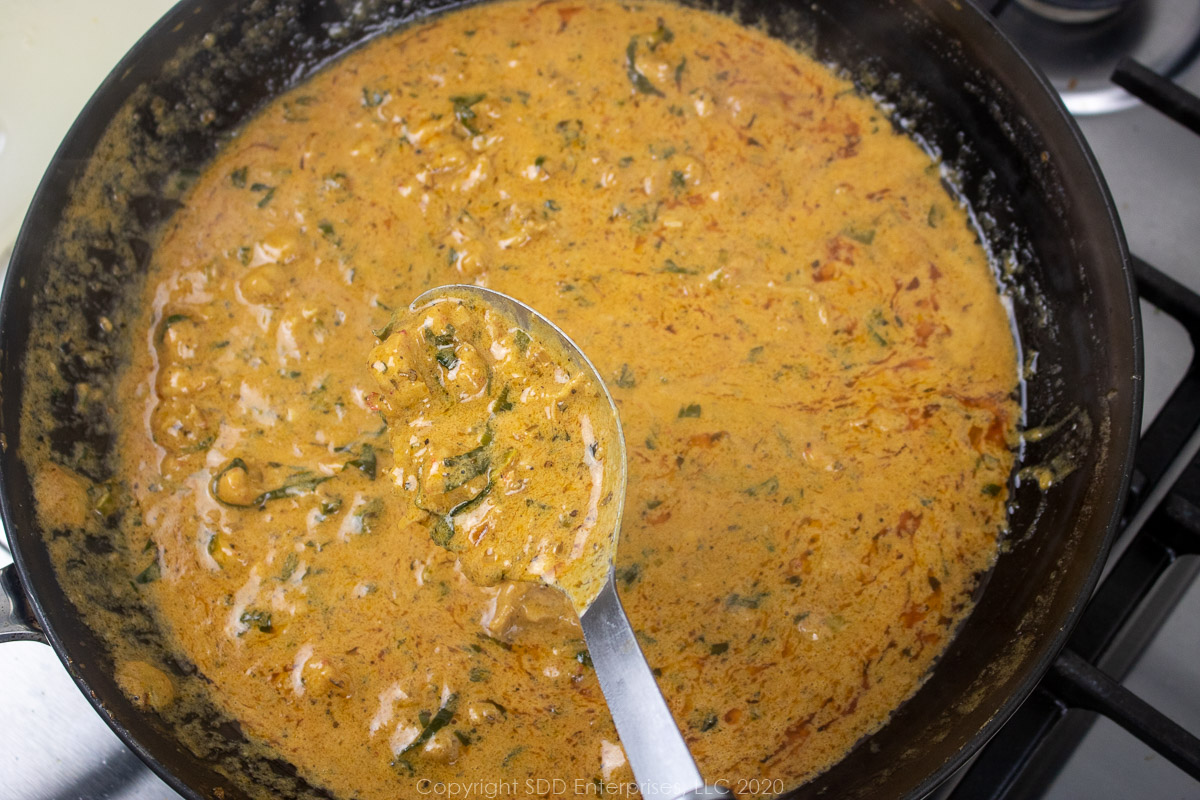
Crawfish sauce exhibits diverse regional variations, each boasting unique ingredients and techniques that reflect local culinary traditions and cultural influences.
These variations have shaped the distinct flavors and textures of crawfish sauce across different parts of the world, contributing to its rich culinary heritage.
Louisiana: Cajun and Creole Variations, Recipe for crawfish sauce
In Louisiana, crawfish sauce is deeply rooted in Cajun and Creole cuisine. The Cajun variation typically incorporates a rich, dark roux made from flour and butter, along with a flavorful blend of spices such as cayenne pepper, paprika, and thyme.
Creole crawfish sauce, on the other hand, often features a lighter roux and a more vibrant spice profile, including ingredients like bell peppers, onions, and celery.
Health Benefits
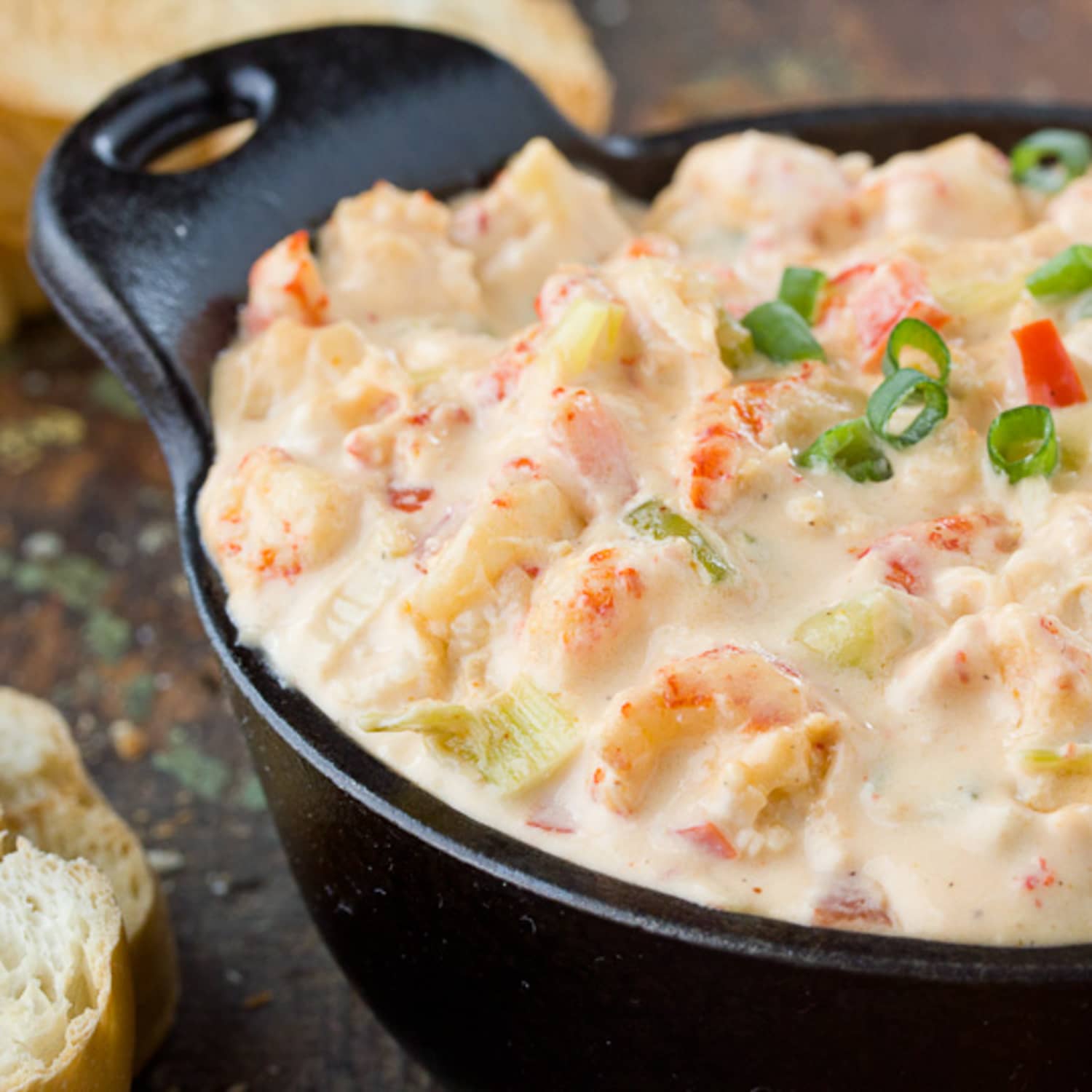
Crawfish sauce, while indulgent and flavorful, also boasts several potential health benefits. Its ingredients contribute to its nutritional value, making it a well-rounded condiment.
The sauce is rich in antioxidants, which combat free radicals in the body and protect against oxidative stress. These antioxidants include vitamin C from the vegetables, lycopene from tomatoes, and beta-carotene from the onions.
Cardiovascular Health
- Crawfish sauce contains omega-3 fatty acids, found in abundance in crawfish. Omega-3s have anti-inflammatory properties and support heart health by reducing cholesterol levels and improving blood flow.
- The antioxidants in the sauce, such as vitamin C, lycopene, and beta-carotene, protect blood vessels from damage and reduce the risk of cardiovascular diseases.
Digestive Health
- The vegetables in the sauce, like onions, celery, and bell peppers, are high in fiber. Fiber promotes regular bowel movements and aids in digestion.
- The capsaicin in cayenne pepper stimulates the production of gastric juices, improving digestion and preventing indigestion.
Potential Risks and Limitations
- Crawfish sauce is high in sodium, which can contribute to high blood pressure in individuals who are sensitive to salt.
- The sauce is also high in calories, so it should be consumed in moderation to avoid weight gain.
- People with seafood allergies should avoid crawfish sauce.
History and Origins

Crawfish sauce, a delectable culinary creation, has a rich history deeply intertwined with the cultures of the regions where it is cherished. Its origins can be traced back to the indigenous communities of the American South, where crawfish were a staple food source.
Over time, as these communities interacted with European settlers, the flavors and techniques used in crawfish preparation evolved, resulting in the emergence of the distinctive crawfish sauce we know today. The vibrant cultural melting pot of the South, with its diverse culinary influences, played a pivotal role in shaping the development of this beloved condiment.
If you’re looking for a spicy kick, try out a recipe for crawfish sauce. It’s a delicious way to add some flavor to your seafood dishes. And if you’re in the mood for something sweet, why not whip up a recipe for cherry coffee cake ? It’s the perfect treat for a cozy morning or afternoon.
Then, come back to the spicy side of life with another crawfish sauce recipe. It’s a versatile sauce that can be used in a variety of dishes.
Cultural Significance
In many cultures, crawfish sauce transcends its culinary function and holds deep cultural significance. For instance, in the American South, crawfish boils are a cherished social gathering where communities come together to enjoy the delicious food and celebrate their shared heritage.
Similarly, in parts of Southeast Asia, crawfish sauce is an integral part of traditional festivals and celebrations, symbolizing prosperity and abundance.
Tips and Techniques
Elevate your crawfish sauce to perfection with these expert tips. Learn how to troubleshoot common challenges and achieve the ultimate flavor experience.
Choosing the Right Ingredients
The foundation of a great crawfish sauce lies in the quality of its ingredients. Opt for fresh, live crawfish to ensure maximum flavor and texture. Choose ripe vegetables like onions, bell peppers, and celery for their natural sweetness. Select aromatic herbs such as thyme and oregano to enhance the sauce’s depth.
Building a Flavorful Base
The roux is the backbone of any crawfish sauce. Cook the flour and oil over medium heat, stirring constantly to prevent burning. Gradually add the liquid while whisking vigorously to create a smooth and flavorful base. Season the sauce generously with salt, pepper, and cayenne to balance the flavors.
Troubleshooting Common Issues
If your sauce is too thick, whisk in a little water or broth to thin it out. If it’s too thin, simmer it over low heat to reduce it. If your sauce is too spicy, add a pinch of sugar or a splash of cream to mellow it down.
Storing and Reheating
Store your crawfish sauce in an airtight container in the refrigerator for up to 3 days. Reheat it over medium heat, stirring occasionally, until warmed through. Avoid overcooking, as this can toughen the crawfish.
Visual Presentation
The vibrant red color and rustic texture of crawfish sauce make it an eye-catching addition to any dish. To enhance its visual appeal, consider these presentation tips:
Garnishes and Accompaniments:
- Fresh herbs like parsley, chives, or green onions add a vibrant touch and freshness.
- Lemon wedges or lime slices provide a pop of color and acidity.
- Fried or toasted bread cubes or croutons add texture and crunch.
Decorative Elements:
- Use a piping bag to create decorative swirls or borders on the plate.
- Drizzle the sauce over grilled or roasted vegetables for a colorful presentation.
- Serve the sauce in small bowls or ramekins with spoons for dipping.
Additional Resources
To delve deeper into the realm of crawfish sauce, explore the following resources:
Recipes:
- Classic Crawfish Sauce from Allrecipes
- Easy Crawfish Etouffee from Food Network
- Crawfish Dip from Delish
Videos:
- How to Make Crawfish Sauce by Cajun Cooking TV
- Crawfish Sauce for Beginners by Cooking with Shelbi
Articles:
- The Ultimate Guide to Crawfish Sauce by Southern Living
- Crawfish Sauce: The Secret Ingredient to Louisiana Cooking by Saveur
References:
- Crawfish Sauce on Wikipedia
- Crawfish Sauce on Louisiana Travel
Cookbooks:
- The Crawfish Cookbookby John Folse
- The Louisiana Crawfish Cookbookby Terry Thompson
Websites:
Outcome Summary
As we conclude our exploration of the recipe for crawfish sauce, we are left with a profound appreciation for its culinary prowess. Its ability to transform ordinary ingredients into an extraordinary symphony of flavors is a testament to the power of culinary creativity.
Whether you are a seasoned chef or a home cook seeking to expand your culinary repertoire, this recipe for crawfish sauce is an invaluable addition to your culinary arsenal.