Prepare to embark on a culinary adventure with our recipe for lobster scampi, a delectable dish that tantalizes taste buds with its exquisite flavors. Dive into a world of fresh lobster, aromatic scampi sauce, and culinary techniques that will transform your kitchen into a gourmet haven.
Our comprehensive guide unveils the secrets of selecting the perfect lobster, preparing it with precision, and crafting a flavorful scampi sauce that will elevate your dish to new heights. We’ll explore various cooking methods, ensuring you achieve perfectly cooked lobster with tender meat and a delectable sauce.
Lobster Selection and Preparation
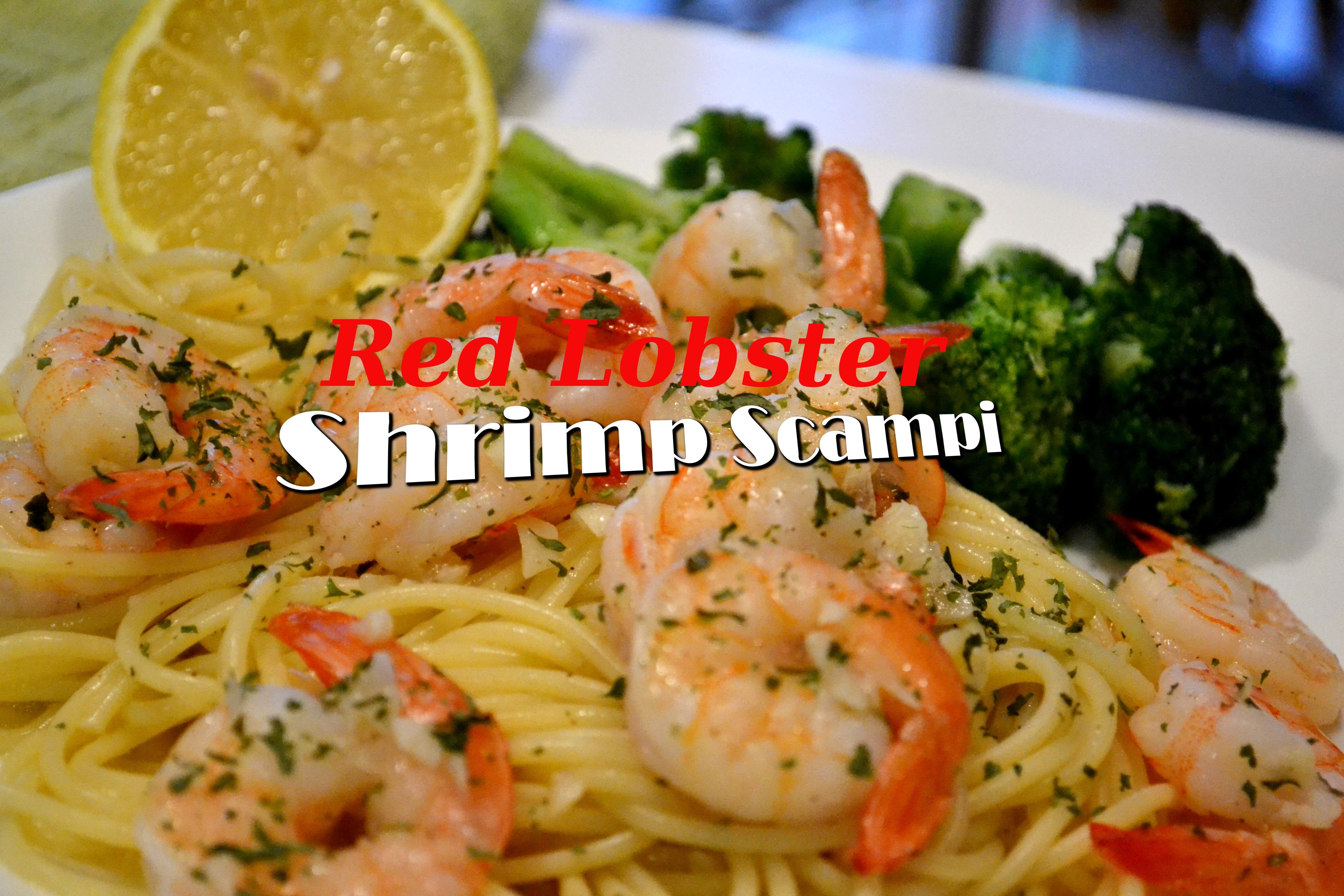
Selecting and preparing lobster for scampi is crucial to ensure the best flavor and texture. Different types of lobster are suitable for this dish, each with unique characteristics. Understanding the variations and proper preparation techniques will elevate your scampi experience.
When choosing lobster, consider the following factors:
- Size:Larger lobsters typically yield more meat, but smaller ones are often more tender.
- Species:American lobster (Homarus americanus) and European lobster (Homarus gammarus) are popular choices for scampi.
- Live vs. Frozen:Live lobsters are preferred for their freshness, but frozen lobsters can be a convenient option if live ones are unavailable.
To prepare the lobster:
- Kill the lobster humanely:Insert a sharp knife into the center of the lobster’s head, behind the eyes.
- Remove the claws and tail:Twist the claws and tail away from the body.
- Remove the shell:Using kitchen shears or a sharp knife, cut along the underside of the tail and claws to remove the shells.
- Remove the digestive tract:Locate the dark, vein-like digestive tract running along the tail and remove it.
- Clean the meat:Rinse the lobster meat thoroughly under cold water to remove any remaining shell fragments or debris.
Tips for selecting fresh, high-quality lobster:
- Live lobsters:Choose lobsters that are active and responsive to touch.
- Frozen lobsters:Look for lobsters that are frozen solid, without any signs of thawing or refreezing.
- Smell:Fresh lobster should have a slightly briny, ocean-like smell. Avoid lobsters with a strong, fishy odor.
- Shell:The shell should be hard and intact, with no cracks or soft spots.
- Claws:The claws should be firmly attached to the body and should not move excessively.
Scampi Sauce Ingredients and Techniques
The classic scampi sauce is a flavorful and aromatic blend of butter, garlic, lemon, and herbs. The key to a great scampi sauce is to balance the flavors of these ingredients to create a harmonious and delicious sauce.
Essential Ingredients
- Butter:Unsalted butter is the preferred choice for scampi sauce, as it allows you to control the saltiness of the dish.
- Garlic:Freshly minced garlic is essential for adding flavor and aroma to the sauce.
- Lemon:Fresh lemon juice and zest add brightness and acidity to the sauce.
- Herbs:Fresh herbs such as parsley, basil, and thyme add depth and complexity to the flavor of the sauce.
Methods for Creating a Flavorful Scampi Sauce
There are two main methods for creating a scampi sauce: the hot method and the cold method.
Hot Method:In the hot method, the garlic is sautéed in melted butter until fragrant, then the lemon juice, herbs, and white wine (optional) are added. The sauce is simmered until it has reduced and thickened.
Cold Method:In the cold method, the garlic, lemon juice, herbs, and white wine (optional) are combined in a bowl and allowed to macerate for at least 30 minutes. The mixture is then added to melted butter and heated until warmed through.
Check what professionals state about wilton cake chart servings and its benefits for the industry.
Balancing the Flavors, Recipe for lobster scampi
The key to a great scampi sauce is to balance the flavors of garlic, butter, lemon, and herbs. The garlic should be fragrant but not overpowering, the butter should be rich and creamy but not greasy, the lemon should add brightness and acidity without being too sour, and the herbs should add depth and complexity without being too overpowering.
To achieve this balance, it is important to taste the sauce as you are making it and adjust the ingredients as needed. If the sauce is too garlicky, add more butter or lemon juice. If the sauce is too buttery, add more garlic or herbs.
If the sauce is too lemony, add more butter or herbs. And if the sauce is too herbaceous, add more lemon juice or butter.
Cooking Methods for Lobster Scampi
Lobster scampi can be cooked using various methods, each imparting a unique flavor and texture to the dish. The choice of cooking method depends on personal preference and the desired outcome.
The most common cooking methods for lobster scampi include sautéing, grilling, and baking. Each method has its own advantages and disadvantages, so it’s important to choose the one that best suits your needs.
You also can understand valuable knowledge by exploring paul bunyan pie recipe.
Sautéing
- Sautéing is a quick and easy way to cook lobster scampi. It involves cooking the lobster in a pan with a small amount of oil or butter over medium heat.
- This method is ideal for small to medium-sized lobster tails and produces a tender and juicy lobster with a slightly crispy exterior.
- The optimal cooking time for sautéing lobster scampi is 2-3 minutes per side, or until the lobster is cooked through and the scampi sauce has thickened.
Grilling
- Grilling is another popular method for cooking lobster scampi. It involves cooking the lobster over direct heat, which gives it a slightly smoky flavor.
- This method is best for large lobster tails or whole lobsters and produces a succulent and flavorful lobster with a charred exterior.
- The optimal cooking time for grilling lobster scampi is 5-7 minutes per side, or until the lobster is cooked through and the scampi sauce has thickened.
Baking
- Baking is a gentler cooking method that produces a moist and tender lobster scampi. It involves cooking the lobster in a preheated oven at a moderate temperature.
- This method is ideal for large lobster tails or whole lobsters and produces a lobster with a delicate flavor and a slightly crispy exterior.
- The optimal cooking time for baking lobster scampi is 10-12 minutes per pound, or until the lobster is cooked through and the scampi sauce has thickened.
No matter which cooking method you choose, it is important to cook the lobster scampi until it is cooked through. This means that the lobster meat should be opaque and firm, and the scampi sauce should be thickened and flavorful.
Presentation and Serving Suggestions: Recipe For Lobster Scampi
Lobster scampi is an elegant dish that deserves to be presented with flair. To create a memorable dining experience, consider these tips:
- Arrange the lobster scampi on a large platter or individual plates. Drizzle the scampi with the flavorful sauce and sprinkle with fresh herbs like parsley or chives.
- For a visually appealing touch, serve the lobster scampi with lemon wedges and crusty bread. The lemon wedges provide a refreshing acidity that complements the richness of the dish, while the bread can be used to soak up the delicious sauce.
- If desired, you can also garnish the lobster scampi with sautéed vegetables such as asparagus or bell peppers. This adds a pop of color and additional nutrients to the dish.
Complementary Side Dishes
Lobster scampi pairs well with a variety of side dishes. Here are a few suggestions to enhance your meal:
- Pasta:Serve the lobster scampi over a bed of pasta, such as linguine or fettuccine. The pasta will absorb the flavorful sauce and provide a satisfying base for the dish.
- Rice:Rice is another excellent accompaniment for lobster scampi. The grains will soak up the sauce and provide a neutral backdrop for the bold flavors of the seafood.
- Roasted vegetables:Roasted vegetables, such as asparagus, broccoli, or carrots, add a healthy and colorful touch to the meal. The sweetness of the roasted vegetables will balance the richness of the lobster scampi.
- Salad:A light and refreshing salad is a great way to complement the richness of lobster scampi. Consider a simple green salad with a tangy vinaigrette dressing.
Preserving Leftover Lobster Scampi
To preserve the freshness and flavor of leftover lobster scampi, follow these tips:
- Store the lobster scampi in an airtight container in the refrigerator for up to 3 days.
- When reheating the lobster scampi, do so gently over low heat. Overheating can toughen the lobster and ruin its delicate flavor.
- If you have a large amount of leftover lobster scampi, consider freezing it. Place the lobster scampi in freezer-safe containers and freeze for up to 3 months.
Final Wrap-Up
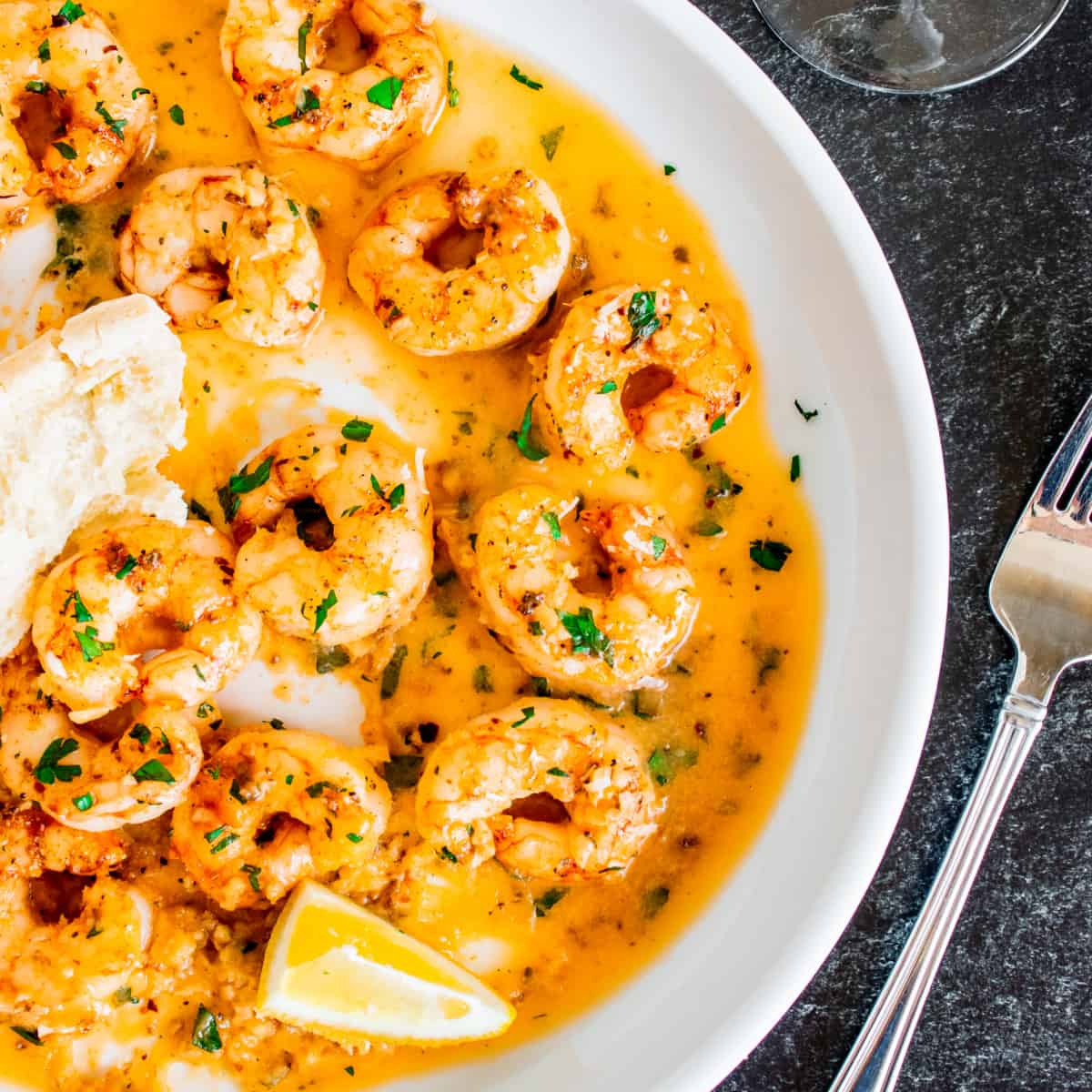
Indulge in the art of presentation, as we guide you in creating an elegant display that will impress your guests. Discover complementary side dishes that harmonize with the flavors of lobster scampi, and learn tips for preserving its freshness and delectable taste.
Let our recipe for lobster scampi inspire you to create a culinary masterpiece that will linger in the memories of your palate.