Prepare to embark on a tantalizing culinary adventure as we delve into the recipe of dal gosht, a delectable dish that has captured the hearts and palates of food enthusiasts for generations. From its humble origins to its diverse regional variations, this beloved lentil and meat preparation promises an unforgettable gastronomic experience.
With a harmonious blend of aromatic spices, tender lentils, and succulent meat, dal gosht is a symphony of flavors that will leave you craving for more. Join us as we explore the secrets behind this culinary masterpiece, guiding you through its preparation, variations, and the captivating cultural significance it holds.
Introduction
Dal Gosht, a culinary delight originating from the Indian subcontinent, is a delectable dish that combines the richness of lentils with the savory flavors of meat. This article aims to delve into the recipe of Dal Gosht, exploring its variations and providing insights into the preparation process.
Dal Gosht is a versatile dish that can be customized to suit individual preferences. The choice of lentils, spices, and meat can vary depending on regional traditions and personal tastes. This article will explore some of the common variations and provide guidance on creating a flavorful and satisfying Dal Gosht.
Ingredients
Dal Gosht is a flavorful and hearty dish that combines lentils, meat, and spices. Here's a list of the essential ingredients you'll need to prepare this delicious meal:
The ingredients are organized into categories to make it easier to find and measure the necessary items.
Lentils
- 1 cup brown lentils, rinsed and sorted
- 2 cups water or vegetable broth
Meat
- 1 pound lamb or goat meat, cut into 1-inch cubes
- 2 tablespoons vegetable oil
Spices
- 1 teaspoon ground cumin
- 1 teaspoon ground coriander
- 1 teaspoon turmeric powder
- 1 teaspoon red chili powder (adjust to taste)
- 1 teaspoon garam masala
Vegetables
- 1 onion, chopped
- 2 cloves garlic, minced
- 1 inch ginger, minced
- 1 green chili pepper, chopped (optional)
- 1 tomato, chopped
Other Ingredients
- 1 teaspoon salt, or to taste
- Fresh cilantro for garnish
Step-by-Step Cooking s

Dal Gosht is a hearty and flavorful dish that is easy to make. Here is a step-by-step guide to cooking Dal Gosht:
Sautéing the Meat
- Heat the oil in a large pot over medium heat.
- Add the lamb or beef and cook until browned on all sides.
- Remove the meat from the pot and set aside.
Cooking the Lentils
- Add the lentils, water, and salt to the pot.
- Bring to a boil, then reduce heat and simmer for 20 minutes, or until the lentils are tender.
Adding the Meat and Spices
- Add the meat, tomatoes, onion, garlic, ginger, and spices to the pot.
- Bring to a boil, then reduce heat and simmer for 30 minutes, or until the meat is cooked through and the sauce has thickened.
Finishing Touches
- Stir in the cilantro and green chilies.
- Serve hot with rice or naan.
Variations of Dal Gosht
Dal Gosht, a versatile dish, exhibits regional variations across India, each boasting unique ingredients, cooking techniques, and flavors.
Variations in ingredients include the use of different types of lentils, such as toor dal, masoor dal, or chana dal. Regional preferences also influence the choice of spices and herbs, resulting in distinct flavor profiles.
Punjabi Dal Gosht
Punjabi Dal Gosht is known for its rich, creamy texture and bold flavors. It typically uses toor dal and features a blend of spices like cumin, coriander, and turmeric, along with a generous amount of ginger and garlic. The addition of tomatoes adds a tangy note, while garam masala enhances its aromatic complexity.
Kashmiri Dal Gosht
Kashmiri Dal Gosht stands out with its aromatic and flavorful profile. It employs a combination of masoor dal and rajma (kidney beans), creating a hearty and flavorful dish. The use of Kashmiri red chili powder, fennel seeds, and asafoetida imparts a distinctive taste.
Yogurt is often added to enhance its creaminess and balance the heat.
Nutritional Value

Dal Gosht is not just a delectable dish; it's also a nutritional powerhouse. Let's delve into its rich composition and explore the essential nutrients it offers.
Dal Gosht is an excellent source of protein, providing a substantial amount of essential amino acids necessary for building and repairing body tissues. The combination of lentils and meat ensures a complete protein profile, meeting the body's daily protein requirements.
Carbohydrates
Dal Gosht contains a moderate amount of carbohydrates, primarily from the lentils. These complex carbohydrates provide sustained energy, helping you feel fuller for longer periods.
Fats
The fat content in Dal Gosht varies depending on the type of meat used. However, it generally provides a balance of healthy fats, including monounsaturated and polyunsaturated fats, which are beneficial for heart health.
Vitamins and Minerals
Dal Gosht is a rich source of vitamins and minerals. It contains significant amounts of iron, essential for red blood cell production, and vitamin B12, crucial for nerve function. It also provides ample quantities of potassium, magnesium, and zinc, which contribute to overall well-being.
Antioxidants, Recipe of dal gosht
Lentils, a key ingredient in Dal Gosht, are known for their high antioxidant content. These antioxidants help protect the body against damage caused by free radicals, reducing the risk of chronic diseases.
Serving Suggestions: Recipe Of Dal Gosht
Dal Gosht is a versatile dish that can be served in various ways, both traditional and creative. Whether you prefer a classic presentation or want to experiment with new flavors, here are some suggestions to make your Dal Gosht experience memorable.
Traditionally, Dal Gosht is served hot with steamed rice. The combination of the flavorful lentils and tender meat complements the fluffy texture of the rice, creating a harmonious balance of flavors and textures. Naan, a soft and pillowy flatbread, is another popular accompaniment to Dal Gosht.
Its neutral flavor allows the rich taste of the dish to shine through, while its soft texture provides a satisfying contrast to the lentils and meat.
Garnish Ideas
To enhance the visual appeal of your Dal Gosht, consider garnishing it with a sprinkle of fresh cilantro or chopped green chilies. A dollop of plain yogurt or a drizzle of lemon juice can add a refreshing touch, balancing the richness of the dish.
For a touch of extra heat and spice, a sprinkle of red chili powder or a drizzle of hot oil can be added to taste.
If you're looking for a satisfying and flavorful meal, try making a hearty recipe of dal gosht. The combination of lentils, meat, and spices creates a rich and aromatic dish that will tantalize your taste buds. And to complement your meal, why not try pairing it with a fluffy and golden recipe for guyanese bread ? Its soft texture and slightly sweet flavor will perfectly balance the savory notes of the dal gosht.
Together, they'll create a culinary experience that will leave you feeling satisfied and content.
Tips for Cooking Dal Gosht
Mastering the art of Dal Gosht requires a blend of technique and ingredient knowledge. Here are some expert tips to elevate the flavor and texture of your dish:
Choosing the Right Lentils
The choice of lentils influences the texture and flavor of Dal Gosht. Whole brown lentils (masoor dal) provide a firm texture, while split red lentils (arhar dal) dissolve more easily, creating a smoother consistency. Experiment with different types to find your preferred texture.
Spicing Techniques
The symphony of spices is what sets Dal Gosht apart. Use fresh, whole spices for maximum aroma and flavor. Toast cumin seeds and coriander seeds before grinding to release their essential oils. Add garam masala towards the end of cooking to preserve its delicate flavors.
Cooking Methods
Dal Gosht can be cooked in a pressure cooker or a traditional pot. Pressure cooking reduces cooking time and preserves nutrients, while pot cooking allows for better control over the texture. Simmer the dal over low heat to allow the flavors to meld and the lentils to soften.
Adjusting Spiciness and Richness
Tailor the spiciness and richness of Dal Gosht to your taste preferences. Adjust the amount of chili powder or green chilies to control the heat. Add extra ghee or butter to enhance the richness and creaminess of the dish.
Health Benefits of Dal Gosht
:max_bytes(150000):strip_icc()/daal-gosht-lamb-with-lentils-1957564-hero-01-b873b791c31f45e2b63649a22f83ff67.jpg "Gosht daal recipe chanay ki")
Dal Gosht is a delicious and nutritious dish that offers a range of health benefits. Lentils, the primary ingredient in Dal Gosht, are a rich source of fiber, protein, and essential vitamins and minerals. Spices like turmeric, cumin, and coriander have anti-inflammatory and antioxidant properties.
Role of Lentils in Dal Gosht
Lentils are a good source of dietary fiber, which helps promote a healthy digestive system. They are also a good source of protein, providing essential amino acids for building and repairing tissues. Lentils are also rich in iron, which is necessary for red blood cell production.
Role of Spices in Dal Gosht
Turmeric is a spice that contains curcumin, a powerful antioxidant that has anti-inflammatory properties. Cumin is another spice that has antioxidant and antibacterial properties. Coriander is a spice that helps reduce cholesterol levels and has anti-inflammatory properties.
Scientific Evidence
A study published in the Journal of Agricultural and Food Chemistry found that curcumin in turmeric has anti-inflammatory properties that may help reduce the risk of chronic diseases such as heart disease and cancer. Another study published in the International Journal of Molecular Sciences found that cumin has antioxidant and antibacterial properties that may help protect against infections and oxidative damage.
History and Cultural Significance
Dal Gosht has a rich history that spans centuries, with its origins tracing back to the Indian subcontinent. The dish is believed to have originated in the northern regions of India, particularly in the Punjab region.
Over time, Dal Gosht gained popularity throughout the Indian subcontinent and beyond, becoming a staple in many households. It is a symbol of hospitality and is often served at special occasions and gatherings, reflecting its cultural significance.
Popularity and Importance
Dal Gosht holds a special place in the hearts of many people across South Asia and beyond. Its popularity is attributed to its unique blend of flavors and textures, making it a delectable and comforting dish.
In some regions, Dal Gosht is considered a symbol of prosperity and abundance. It is often prepared during festivals and celebrations, representing the hope for a bountiful harvest and good fortune.
Frequently Asked Questions (FAQs)
Dal Gosht is a popular dish that often raises questions. Here are some frequently asked questions and their answers to guide you in your culinary journey:
Ingredients
- Can I substitute red lentils for yellow lentils?
Yes, you can use red lentils as a substitute for yellow lentils. They have a similar texture and cooking time, but red lentils will result in a slightly darker and richer color.
- Can I add other vegetables to the dish?
Yes, you can add other vegetables such as carrots, peas, or potatoes to enhance the nutritional value and flavor of the dish.
- What type of meat can I use?
Traditionally, lamb or goat meat is used in Dal Gosht. However, you can also use beef, chicken, or even tofu as alternatives.
Cooking Techniques
- How long should I cook the meat?
The cooking time for the meat depends on the type of meat used. Lamb or goat meat usually takes around 1-1.5 hours, while chicken or beef may take less time.
- What is the best way to cook Dal Gosht?
Dal Gosht can be cooked in a pressure cooker or a traditional pot. Pressure cooking reduces the cooking time significantly, while cooking in a pot allows for more control over the texture and flavor.
- How can I make the Dal Gosht thicker?
To thicken the Dal Gosht, you can add a small amount of cornstarch or flour mixed with water towards the end of the cooking process.
Variations
- What are some popular variations of Dal Gosht?
There are many variations of Dal Gosht, including the addition of vegetables such as spinach, fenugreek leaves, or okra. Some variations also include the use of different spices and herbs to create unique flavors.
- Can I make a vegetarian version of Dal Gosht?
Yes, you can make a vegetarian version of Dal Gosht by omitting the meat and using vegetables or tofu as a substitute.
Nutritional Value
- Is Dal Gosht a healthy dish?
Yes, Dal Gosht is a healthy dish as it is a good source of protein, fiber, and essential nutrients. The lentils provide complex carbohydrates, while the meat or tofu provides protein. The vegetables and spices add vitamins, minerals, and antioxidants.
- How many calories are in a serving of Dal Gosht?
The calorie content of Dal Gosht varies depending on the ingredients used and the serving size. A typical serving of Dal Gosht with meat contains around 300-400 calories.
Final Review
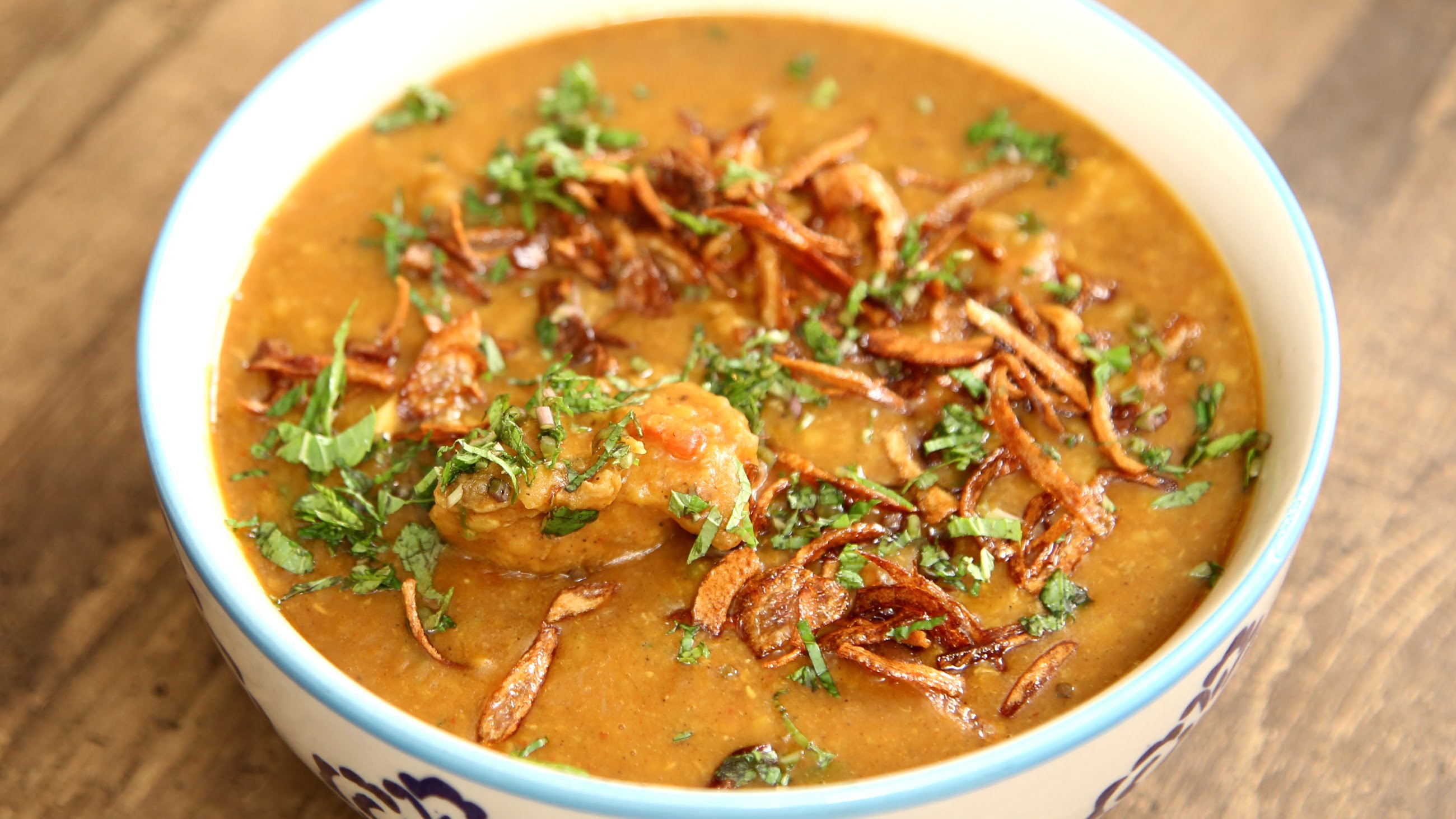
As we conclude our culinary exploration of dal gosht, we hope you have gained a newfound appreciation for this delectable dish. Its versatility, nutritional value, and historical significance make it a true culinary treasure. Whether you choose to savor its traditional form or experiment with regional variations, dal gosht is a dish that will continue to tantalize your taste buds and enrich your culinary repertoire.


