Recipe of lumpiang gulay – Prepare to be enchanted as we delve into the captivating world of lumpiang gulay, a Filipino vegetable spring roll that tantalizes taste buds and weaves a tapestry of flavors. This delectable dish is not just a culinary delight but also a testament to Filipino ingenuity and the vibrant tapestry of the country’s cuisine.
Our culinary adventure will take us through the intricacies of lumpiang gulay, from its humble beginnings to its modern-day variations. We’ll explore the vibrant ingredients, unravel the secrets of preparation, and uncover the cultural significance that makes this dish so beloved.
Ingredients

Traditional lumpiang gulay, a beloved Filipino dish, is crafted with a harmonious blend of fresh vegetables, savory seasonings, and a delicate wrapper.
Each ingredient plays a crucial role in shaping the dish’s distinctive flavors and textures:
Vegetables
The heart of lumpiang gulay lies in its vibrant vegetable filling. Typically, a combination of:
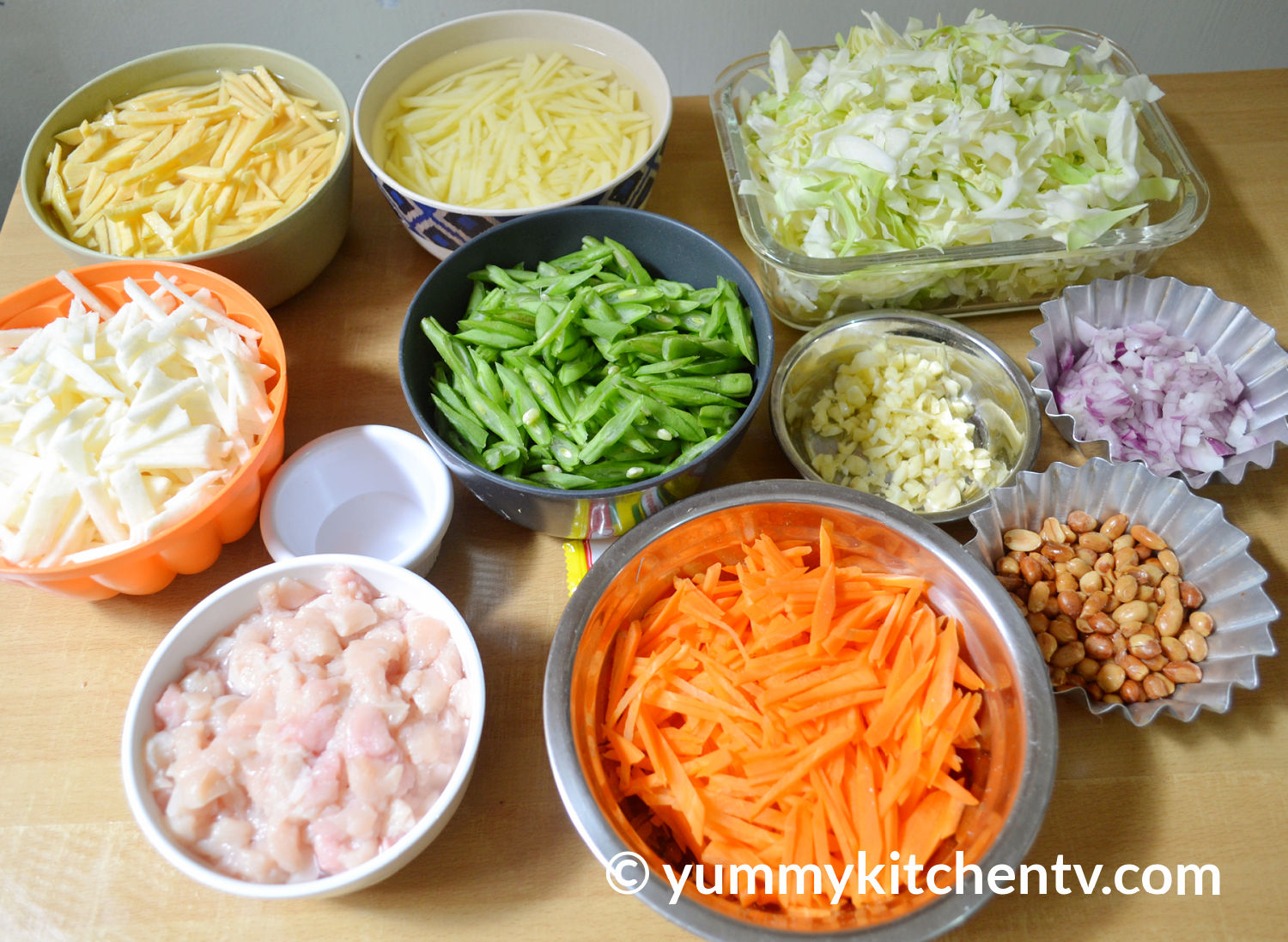
- Carrots: Adds a sweet crunch and vibrant orange hue.
- Jicama: Contributes a crisp texture and mild, slightly sweet flavor.
- Green beans: Provides a vibrant green color and a tender, snap-like texture.
- Cabbage: Adds a delicate crunch and a touch of sweetness.
- Onion: Offers a pungent, aromatic base to the filling.
Seasonings
A medley of seasonings elevates the flavors of the vegetable filling:
- Soy sauce: Imparts a salty, umami-rich taste.
- Fish sauce: Adds a distinct, salty, and slightly fishy flavor.
- Black pepper: Provides a subtle heat and depth of flavor.
- Garlic: Offers a pungent, aromatic base to the filling.
Wrapper
The delicate wrapper encloses the flavorful filling, creating a crispy, golden-brown exterior.
- Lumpia wrapper: A thin, pliable pastry made from wheat flour, water, and salt.
Ingredient List
For your convenience, here is a table summarizing the ingredients and their measurements:
| Ingredient | Measurement |
|---|---|
| Carrots, julienned | 1 cup |
| Jicama, julienned | 1 cup |
| Green beans, cut into 1-inch pieces | 1 cup |
| Cabbage, shredded | 1 cup |
| Onion, chopped | 1/2 cup |
| Soy sauce | 2 tablespoons |
| Fish sauce | 1 tablespoon |
| Black pepper | 1/2 teaspoon |
| Garlic, minced | 2 cloves |
| Lumpia wrappers | 24 |
Vegetables

Lumpiang gulay is a delightful Filipino dish that showcases a vibrant array of fresh vegetables. The choice of vegetables used significantly influences the overall flavor and texture of the dish. Traditionally, lumpiang gulay includes a harmonious blend of crunchy, juicy, and flavorful vegetables.
Selecting fresh and high-quality vegetables is crucial for achieving the best results. Look for vegetables that are firm, brightly colored, and free from blemishes or bruises. Here are some commonly used vegetables in lumpiang gulay:
Leafy greens
- Cabbage:Crisp and slightly sweet, cabbage adds a refreshing crunch to the dish.
- Spinach:Tender and nutrient-rich, spinach provides a delicate flavor and vibrant green color.
- Bok choy:Mild and slightly bitter, bok choy offers a unique flavor and a touch of texture.
Root vegetables
- Carrots:Sweet and crunchy, carrots add a vibrant orange hue and a subtle sweetness.
- Jicama:Crisp and juicy, jicama provides a refreshing crunch and a slightly nutty flavor.
- Radish:Pungent and slightly spicy, radish adds a piquant touch to the dish.
Other vegetables
- Bean sprouts:Crunchy and refreshing, bean sprouts add a delicate flavor and a crisp texture.
- Bamboo shoots:Tender and slightly sweet, bamboo shoots provide a unique texture and a subtle earthy flavor.
- Green onions:Aromatic and flavorful, green onions add a touch of sharpness and a vibrant green color.
Experimenting with different combinations of vegetables allows you to customize the flavor and texture of your lumpiang gulay to suit your preferences. The key is to find a balance between crunchy, juicy, and flavorful vegetables to create a harmonious and satisfying dish.
Seasonings and Spices
Seasonings and spices are the backbone of lumpiang gulay, transforming it from a simple vegetable dish to a flavorful masterpiece. These ingredients enhance the natural sweetness of the vegetables and create a harmonious balance of flavors.
The essential seasonings include soy sauce, fish sauce, and oyster sauce. Soy sauce provides a salty umami base, while fish sauce adds a depth of flavor with its fermented fishiness. Oyster sauce, with its rich and slightly sweet taste, rounds out the trio, adding a touch of complexity.
Spice Blend
In addition to the seasonings, a blend of spices is essential for achieving the characteristic flavor of lumpiang gulay. This blend typically includes garlic, onion, and black pepper. Garlic and onion provide an aromatic base, while black pepper adds a subtle heat that balances the sweetness of the vegetables.
Seasoning Proportions, Recipe of lumpiang gulay
The balance of seasonings and spices is crucial for creating a harmonious flavor. A good starting point is to use the following proportions:
| Seasoning | Proportion |
|---|---|
| Soy sauce | 2 tablespoons |
| Fish sauce | 1 tablespoon |
| Oyster sauce | 1 tablespoon |
| Garlic (minced) | 2 cloves |
| Onion (chopped) | 1/2 cup |
| Black pepper | 1/4 teaspoon |
Adjust these proportions to suit your taste preferences and the amount of vegetables you are using.
Wrappers
Traditionally, lumpiang gulay is wrapped in thin and delicate spring roll wrappers made from wheat flour, water, and salt. These wrappers have a slightly chewy texture and a golden brown color when fried. The thinness of the wrappers allows the filling to shine through, creating an appetizing presentation.
The type of wrapper used can significantly affect the texture and presentation of the dish. Thicker wrappers will result in a crispier exterior and a more substantial bite, while thinner wrappers will create a lighter and more delicate texture. Some variations of lumpiang gulay also use rice paper wrappers, which have a unique translucent and crispy texture when fried.
Alternative Wrapper Options
While traditional spring roll wrappers are the most common choice, there are several alternative wrapper options that can add variety to the dish. These include:
- Rice paper wrappers:These wrappers are made from rice flour and water, and they have a delicate and crispy texture when fried. They are often used in Vietnamese spring rolls and can add a unique flavor and texture to lumpiang gulay.
- Wonton wrappers:These wrappers are made from wheat flour and egg, and they have a slightly thicker and chewier texture than spring roll wrappers. They can be used to make smaller and more bite-sized lumpiang gulay.
- Cabbage leaves:In some variations of lumpiang gulay, cabbage leaves are used as wrappers. This creates a more rustic and earthy flavor and texture.
Experimenting with different wrapper options can add variety to the dish and create different textures and flavors.
Preparation Techniques
Preparing lumpiang gulay requires a combination of techniques to ensure its integrity and flavor. These techniques include chopping, mixing, and rolling. Understanding and executing these techniques properly will result in a delectable dish that showcases the freshness of the vegetables and the balance of seasonings.
Let’s delve into each technique and provide a detailed guide with clear steps and helpful tips:
Chopping
The first step is to chop the vegetables into uniform pieces. This ensures even cooking and enhances the texture of the lumpia. Use a sharp knife to make clean cuts, and aim for pieces that are approximately the same size and shape.
For instance, carrots and celery should be cut into thin julienne strips, while cabbage and green onions can be chopped into smaller pieces.
Mixing
Once the vegetables are chopped, it’s time to mix them together. In a large bowl, combine all the chopped vegetables, seasonings, and spices. Use a gentle hand to mix everything thoroughly, ensuring that the ingredients are evenly distributed. Avoid overmixing, as this can result in a mushy filling.
Rolling
The final step is to roll the lumpia. Place a spoonful of the filling in the center of a lumpia wrapper. Fold the bottom corner of the wrapper over the filling, then roll it up tightly. Wet the edges of the wrapper with water to help seal the lumpia.
Repeat this process until all the filling has been used.
Once all the lumpia are rolled, they are ready to be cooked. You can either pan-fry them or deep-fry them, depending on your preference. Serve them with your favorite dipping sauce and enjoy!
Cooking Methods
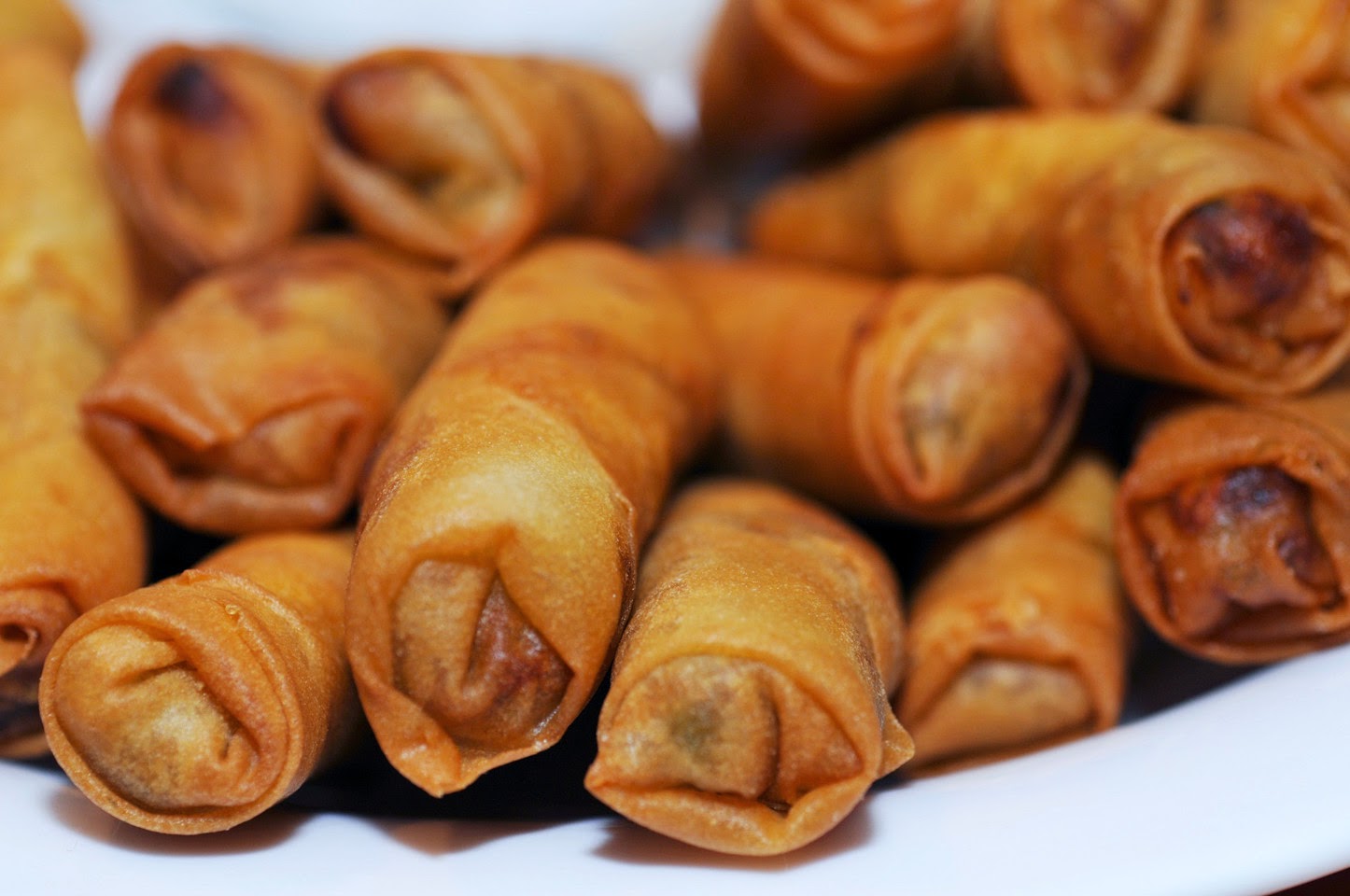
Lumpiang gulay can be prepared using various cooking methods, each imparting a unique flavor and texture to the dish. Two popular methods are frying and steaming, and the choice between them depends on personal preference and the desired outcome.
Frying
Frying is a traditional method that involves submerging the lumpia in hot oil until golden brown and crispy. This method creates a flavorful, crunchy exterior that contrasts with the soft and savory filling. Frying also allows for customization, as the lumpia can be cooked to different levels of crispiness depending on the cooking time and temperature.
However, frying can be a more time-consuming process and may require special equipment, such as a deep fryer or a large saucepan with a thermometer. Additionally, frying can add extra calories and fat to the dish.
Steaming
Steaming is a healthier alternative to frying and involves cooking the lumpia in a steamer basket over boiling water. This method preserves the natural flavors and nutrients of the vegetables while creating a soft and tender texture. Steaming is also a quicker and more convenient method, as it requires less monitoring and cleanup.
Lumpiang gulay, a delightful Filipino appetizer, is a must-try for those who enjoy a savory crunch. While exploring different cuisines, I stumbled upon a recipe for a nut roll ( recipe for a nut roll ) that caught my eye.
The sweet and nutty flavors reminded me of the filling in lumpiang gulay, and I couldn’t resist giving it a try. Back to our beloved lumpiang gulay, the key to its crispy exterior lies in the delicate balance of ingredients and cooking techniques.
So, let’s gather our ingredients and embark on a culinary adventure!
However, steaming may not provide the same level of crispiness as frying, and the lumpia may be more susceptible to tearing during handling.
Optimal Cooking Time and Temperature
The optimal cooking time and temperature for lumpiang gulay depend on the cooking method used. For frying, the lumpia should be cooked in hot oil (350-375°F) for 3-5 minutes, or until golden brown and crispy. For steaming, the lumpia should be cooked for 10-15 minutes, or until the vegetables are tender and the wrapper is translucent.
Presentation
Lumpiang gulay’s traditional presentation is a testament to its cultural significance in Filipino cuisine. The vibrant colors and intricate arrangement of the ingredients symbolize abundance, prosperity, and good fortune. The presentation also enhances the dish’s visual appeal, making it a centerpiece of festive gatherings and celebrations.
Plating and Serving
To achieve maximum impact, lumpiang gulay should be plated on a large platter or serving dish. The rolls are typically arranged in a circular pattern, with the open ends facing outward. The center of the platter can be garnished with additional vegetables, herbs, or sauces for added color and texture.
When serving, it is customary to provide dipping sauces on the side. Common accompaniments include sweet and sour sauce, vinegar with garlic, or a spicy chili sauce. These sauces not only enhance the flavor but also add an extra layer of visual interest to the dish.
Variations
Lumpiang gulay exhibits regional variations, each showcasing unique characteristics that reflect the local culinary traditions. These variations highlight the diversity of Filipino cuisine and the creativity of regional cooks in incorporating local ingredients and flavors.
From the vibrant streets of Manila to the tranquil shores of Iloilo, each region has its take on this beloved dish.
Luzon Variations
- Manila Lumpiang Gulay:Known for its classic simplicity, this version features a filling of sautéed vegetables, including carrots, green beans, and onions. The lumpia are typically served with a sweet and savory dipping sauce.
- Pampanga Lumpiang Gulay:This variation is known for its flavorful filling, which includes ground pork or beef. The lumpia are often deep-fried until golden brown and served with a vinegar-based dipping sauce.
- Pangasinan Lumpiang Gulay:This version is unique for its use of local vegetables, such as pechay (Chinese cabbage) and kangkong (water spinach). The lumpia are typically steamed or boiled and served with a garlic-infused dipping sauce.
Nutritional Value
Lumpiang gulay is a nutritious dish packed with essential vitamins, minerals, and antioxidants. It is a rich source of:
- Vegetables:Carrots, green beans, cabbage, and other vegetables provide fiber, vitamins A, C, and K, and minerals like potassium and iron.
- Protein:Tofu or ground meat adds protein to the dish, which is crucial for building and repairing tissues.
- Other nutrients:Soy sauce and oyster sauce contribute sodium and umami flavor, while sesame oil provides healthy fats.
Health Benefits
Consuming lumpiang gulay regularly can offer several health benefits:
- Improved digestion:The fiber content promotes digestive health and regularity.
- Reduced risk of chronic diseases:The antioxidants in vegetables help protect against oxidative stress and may lower the risk of chronic diseases like heart disease and cancer.
- Weight management:The fiber and protein content help promote satiety and reduce overall calorie intake.
Overall, lumpiang gulay is a well-balanced dish that can contribute to a healthy and nutritious diet.
Cultural Significance

Lumpiang gulay holds a cherished place in Filipino cuisine, embodying the country’s culinary heritage and social traditions. This delectable dish has become an integral part of various celebrations and gatherings, reflecting the Filipinos’ warmth, hospitality, and love for sharing.
Filipino Values and Traditions
Lumpiang gulay embodies the Filipino value of pakikisama, or cooperation and unity. The dish is often prepared collectively, with family members and friends gathering to chop vegetables, roll the wrappers, and fry the lumpia. This shared experience fosters a sense of community and strengthens bonds.
Lumpiang gulay is also a symbol of pagdiriwang, or celebration. It is a staple dish at fiestas, birthdays, and other special occasions. Its presence signifies joy, abundance, and the sharing of good times.
Historical and Social Context
Lumpiang gulay traces its roots to Chinese spring rolls, introduced to the Philippines by Chinese immigrants during the 16th century. Over time, the dish evolved to reflect Filipino tastes and ingredients, becoming a beloved national dish.
Lumpiang gulay has also played a significant role in Philippine social history. During the Spanish colonial era, it was a popular dish among the wealthy elite. In more recent times, it has become a street food enjoyed by people from all walks of life.
Recipe Variations: Recipe Of Lumpiang Gulay
Lumpiang gulay’s versatility allows for endless variations that cater to diverse palates and dietary preferences. Experimenting with different ingredients, techniques, and presentations unlocks a world of flavors and textures, encouraging home cooks to personalize this dish.
From traditional fillings to modern interpretations, the possibilities are limitless. Let’s explore some creative and innovative variations that will elevate your lumpiang gulay experience.
Vegetable Substitutions
- Swap out the classic carrots and green beans for colorful bell peppers, crunchy celery, or sweet corn kernels.
- Incorporate leafy greens like spinach, kale, or Swiss chard for a nutritional boost and vibrant green hue.
- Add exotic vegetables such as bamboo shoots, water chestnuts, or jicama for a textural twist.
Protein Enhancements
- Add cooked ground beef, pork, or chicken to the filling for a hearty and protein-packed meal.
- Include crumbled tofu or tempeh for a vegetarian protein alternative.
- Stir in cooked shrimp or crab meat for a seafood-inspired variation.
Sauce Variations
- Instead of the traditional sweet and sour sauce, try a tangy tamarind sauce or a spicy chili garlic sauce.
- Experiment with a creamy peanut sauce or a savory oyster sauce for a different flavor profile.
- Create a fusion sauce by combining elements from different cuisines, such as a sweet and spicy Korean gochujang sauce.
Presentation Innovations
- Roll the lumpia into smaller, bite-sized pieces for a more elegant and convenient appetizer.
- Cut the lumpia into diagonal slices and arrange them vertically on a plate for a visually appealing presentation.
- Top the lumpia with shredded cheese, chopped peanuts, or sliced scallions for a colorful and flavorful garnish.
Dietary Adaptations
- For a gluten-free version, use rice paper wrappers or create your own gluten-free wrappers using tapioca flour.
- Make a vegan version by replacing the traditional egg wash with a mixture of plant-based milk and cornstarch.
- Reduce the oil content by baking or air-frying the lumpia instead of deep-frying.
These variations merely scratch the surface of the creative possibilities for lumpiang gulay. Encourage your readers to experiment and customize the recipe to suit their unique tastes and preferences, making this dish a true culinary adventure.
Ending Remarks
As we bid farewell to our exploration of lumpiang gulay, let us savor the lingering flavors and the memories we have created. This Filipino delicacy is more than just a dish; it is a testament to the rich culinary heritage of the Philippines.
Whether enjoyed as a cherished tradition or as a culinary adventure, lumpiang gulay will forever hold a special place in our hearts and palates.