Embark on a tantalizing culinary journey with our exploration of recipes for biscuits without butter. Discover the secrets to crafting these delectable treats, unlocking a world of flavor and versatility.
Delve into the art of creating flaky, golden-brown biscuits without the use of traditional butter, exploring alternative ingredients and techniques that will elevate your baking skills.
Ingredients for Butterless Biscuits
Creating delicious, flaky biscuits without butter is possible by using alternative ingredients that provide similar textures and flavors.
Types of Flour
The type of flour used in butterless biscuits significantly impacts their texture and flavor. Here are some suitable options:
- All-purpose flour:A versatile flour that produces biscuits with a tender crumb and slightly crispy exterior.
- Pastry flour:A low-protein flour that results in flaky, melt-in-your-mouth biscuits.
- Whole wheat flour:A nutritious option that adds a nutty flavor and a denser texture to biscuits.
Alternative Fats or Oils
To replace the richness and texture of butter, various fats or oils can be used in butterless biscuits:
- Vegetable oil:A neutral-flavored oil that adds moisture and tenderness to biscuits.
- Olive oil:A flavorful oil that imparts a slightly fruity taste and a crispy exterior.
- Coconut oil:A solid fat that gives biscuits a rich, tropical flavor and a flaky texture.
Adding Flavor
To compensate for the lack of butter's flavor, consider incorporating these ingredients into your butterless biscuits:
- Herbs:Fresh or dried herbs like rosemary, thyme, or chives add a savory and aromatic touch.
- Spices:Ground spices like cinnamon, nutmeg, or ginger provide warmth and depth of flavor.
- Cheese:Grated or crumbled cheese, such as cheddar or Parmesan, adds a cheesy and salty flavor.
Methods for Mixing Butterless Biscuits
Achieving the perfect flaky texture for butterless biscuits requires careful mixing techniques. Here are some key tips:
Cutting in the Shortening:
- Use a pastry cutter or two forks to cut the shortening into the flour until it resembles coarse crumbs.
- Avoid overworking the dough, as this can result in tough biscuits.
Adding Liquid:
- Gradually add buttermilk or other liquid to the dry ingredients, mixing until just combined.
- Do not overmix, as this will make the dough tough.
Kneading and Rolling:
- Lightly knead the dough on a lightly floured surface until it forms a ball.
- Roll out the dough to a thickness of about 1/2 inch, then fold it over and roll it out again.
- Repeat this process several times to create flaky layers.
By following these techniques, you can create delicious and flaky butterless biscuits that will impress your family and friends.
Baking Techniques for Butterless Biscuits
Baking butterless biscuits requires a bit more care than traditional biscuits. The key is to find the right balance of temperature and baking time to achieve a golden-brown exterior without drying out the biscuits.
Optimal Oven Temperature and Baking Time
Preheat your oven to 450°F (230°C). This high temperature will help the biscuits rise quickly and develop a crispy crust. Bake the biscuits for 12-15 minutes, or until they are golden brown and firm to the touch.
Biscuits without butter can be a delicious treat, especially when paired with a savory main course. If you're looking for a flavorful and satisfying meal, try out this korean pork chop recipe . The combination of sweet and spicy flavors will tantalize your taste buds, and the tender pork chops will melt in your mouth.
Afterwards, return to your biscuit-making endeavors and enjoy the perfect balance of sweet and savory flavors.
Achieving a Golden-Brown Exterior
To achieve a golden-brown exterior without butter, you can brush the biscuits with a mixture of milk and honey before baking. This will give them a glossy finish and help them brown evenly.
Preventing Dry or Crumbly Biscuits
To prevent your biscuits from becoming dry or crumbly, make sure to not overmix the dough. Overmixing can develop the gluten in the flour, which will make the biscuits tough. Additionally, be sure to use cold ingredients and work quickly to prevent the butter from melting.
This will help the biscuits stay flaky and tender.
Variations on Butterless Biscuits: Recipes For Biscuits Without Butter
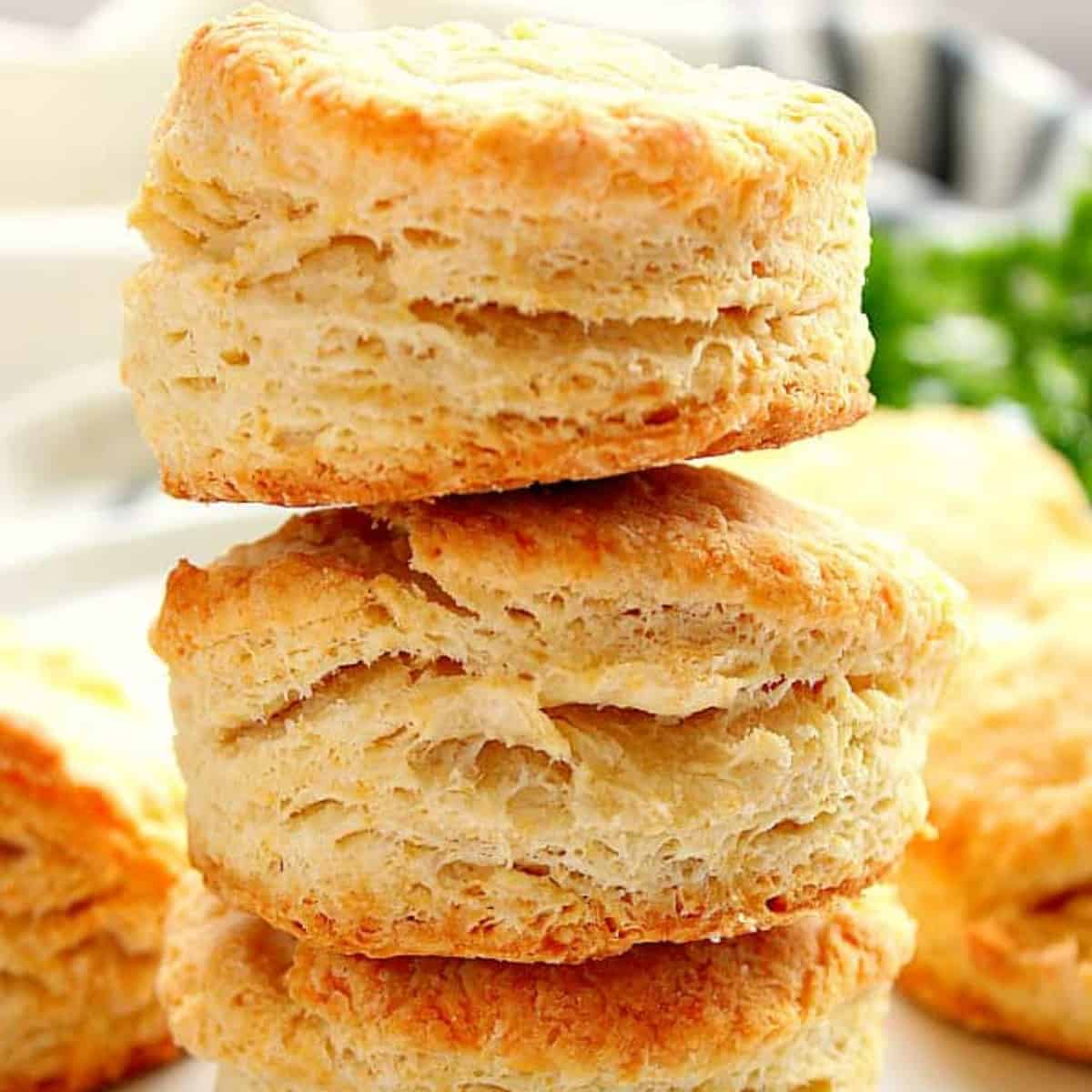
Butterless biscuits offer a versatile base for various culinary creations. Experiment with different shapes and sizes to suit your preferences and dish presentations. From petite rounds to elongated rectangles, the possibilities are endless.
Savory Biscuit Variations, Recipes for biscuits without butter
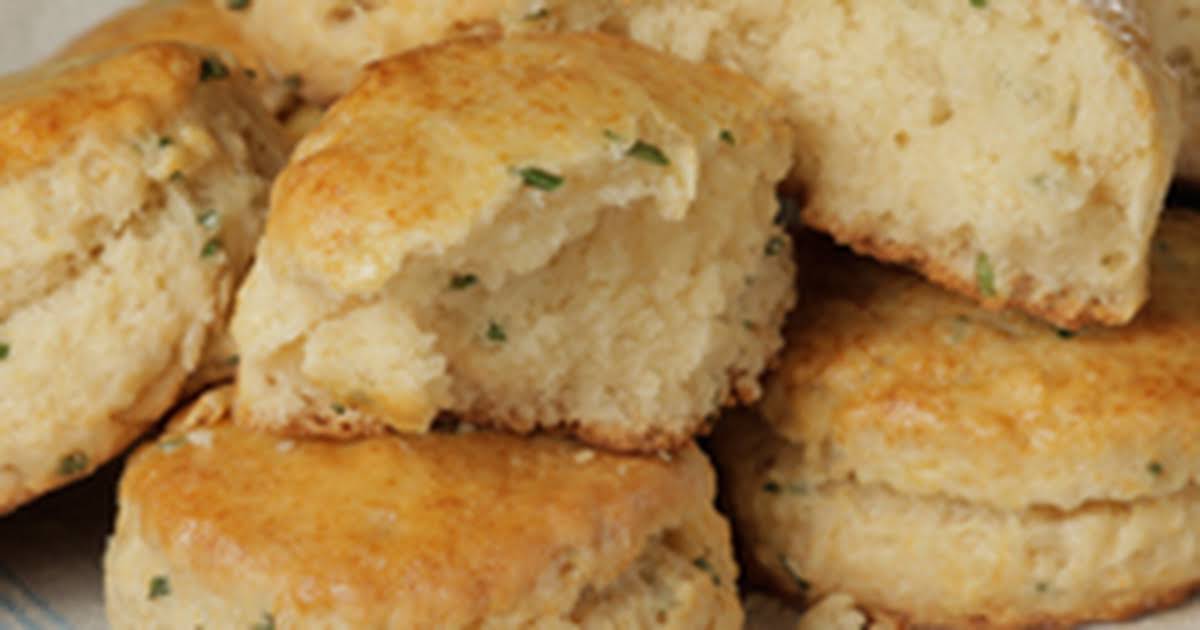
Infuse your butterless biscuits with savory flavors to complement soups, stews, or salads. Consider adding grated cheese, herbs like thyme or rosemary, or a sprinkle of salt and pepper to the dough. For a tangy twist, incorporate sour cream or buttermilk into the mixture.
Sweet Biscuit Variations
Indulge in the sweet side of butterless biscuits by incorporating sugar, cinnamon, or fruit. Sprinkle cinnamon sugar over the dough before baking for a classic treat. Add blueberries, raspberries, or chopped apples for a fruity delight. Drizzle with honey or maple syrup for a touch of sweetness.
Fillings and Toppings
Elevate your butterless biscuits with an array of fillings and toppings. Spread with your favorite jams, preserves, or honey. For a savory option, try a layer of cheese or ham. Sprinkle with chopped nuts, seeds, or grated Parmesan cheese for added texture and flavor.
Troubleshooting Butterless Biscuits
Baking butterless biscuits can be a delightful experience, but it's not without its challenges. Here are some common problems you might encounter and how to resolve them:
Dough Consistency
Problem:Dough is too dry or crumbly.
Solution:Add a little more buttermilk or milk, 1 tablespoon at a time, until the dough comes together and forms a ball.
Problem:Dough is too wet and sticky.
Solution:Add a little more flour, 1 tablespoon at a time, until the dough is no longer sticky and can be handled without sticking to your hands.
Baking Problems
Problem:Biscuits are burning on the edges.
Solution:Reduce the oven temperature by 25 degrees Fahrenheit (15 degrees Celsius) and bake for a few minutes less.
Problem:Biscuits are undercooked in the center.
Solution:Bake for a few minutes longer, or increase the oven temperature by 25 degrees Fahrenheit (15 degrees Celsius) and bake until golden brown.
Health Benefits of Butterless Biscuits
Butterless biscuits, made with alternative fats like vegetable oil or Greek yogurt, offer potential health benefits compared to traditional biscuits made with butter.
Traditional biscuits are often high in saturated fat, which can raise cholesterol levels and increase the risk of heart disease. Butterless biscuits, on the other hand, can be lower in saturated fat and higher in unsaturated fats, which are beneficial for heart health.
Nutritional Comparison
- Saturated Fat:Butterless biscuits typically contain less saturated fat than traditional biscuits.
- Unsaturated Fats:Butterless biscuits often contain more unsaturated fats, such as monounsaturated and polyunsaturated fats, which are beneficial for heart health.
- Cholesterol:Butterless biscuits are typically cholesterol-free, while traditional biscuits contain cholesterol.
- Calories:Butterless biscuits may be slightly lower in calories than traditional biscuits.
Making Butterless Biscuits Healthier
- Use Whole Wheat Flour:Whole wheat flour provides fiber, vitamins, and minerals.
- Add Fruits or Vegetables:Adding grated apples, bananas, or zucchini can boost nutritional value.
- Reduce Sugar:Opt for natural sweeteners like honey or maple syrup in moderation.
- Use Greek Yogurt:Greek yogurt adds protein and calcium to the biscuits.
Recipe Ideas for Butterless Biscuits
Butterless biscuits offer a delicious and versatile alternative to traditional biscuits, catering to various dietary preferences and restrictions. From classic buttermilk biscuits to vegan and gluten-free options, these recipes provide a range of choices for home bakers.
Classic Butterless Biscuits
These biscuits have a tender and flaky texture, perfect for enjoying with gravy, soups, or on their own.
- 2 cups all-purpose flour
- 1 tablespoon baking powder
- 1/2 teaspoon baking soda
- 1/2 teaspoon salt
- 1 cup buttermilk
Preheat oven to 450°F (230°C). In a large bowl, whisk together flour, baking powder, baking soda, and salt. Add buttermilk and stir until just combined. Turn dough out onto a lightly floured surface and knead a few times. Roll out dough to a thickness of 1/2 inch and cut into biscuits.
Place biscuits on a baking sheet and bake for 10-12 minutes, or until golden brown.
Vegan Butterless Biscuits
For those following a vegan diet, these biscuits offer a satisfying alternative without compromising on flavor.
- 2 cups all-purpose flour
- 1 tablespoon baking powder
- 1/2 teaspoon baking soda
- 1/2 teaspoon salt
- 1 cup plant-based milk
- 1/4 cup lemon juice
Preheat oven to 450°F (230°C). In a large bowl, whisk together flour, baking powder, baking soda, and salt. In a separate bowl, combine plant-based milk and lemon juice. Add wet ingredients to dry ingredients and stir until just combined. Turn dough out onto a lightly floured surface and knead a few times.
Roll out dough to a thickness of 1/2 inch and cut into biscuits. Place biscuits on a baking sheet and bake for 10-12 minutes, or until golden brown.
Gluten-Free Butterless Biscuits
For individuals with gluten intolerance or celiac disease, these biscuits provide a delicious and safe option.
- 1 1/2 cups gluten-free flour blend
- 1 tablespoon baking powder
- 1/2 teaspoon baking soda
- 1/2 teaspoon salt
- 1 cup buttermilk
Preheat oven to 450°F (230°C). In a large bowl, whisk together gluten-free flour blend, baking powder, baking soda, and salt. Add buttermilk and stir until just combined. Turn dough out onto a lightly floured surface and knead a few times.
Roll out dough to a thickness of 1/2 inch and cut into biscuits. Place biscuits on a baking sheet and bake for 10-12 minutes, or until golden brown.
Tips for Serving Butterless Biscuits
Butterless biscuits are a versatile treat that can be enjoyed in various ways. Whether as an appetizer, side dish, or dessert, these fluffy and flavorful biscuits are sure to impress your taste buds.
As an Appetizer
Serve butterless biscuits warm and flaky as an appetizer with a variety of dipping sauces. Consider honey mustard, ranch dressing, or a savory cheese sauce to complement the biscuits' subtle flavor.
As a Side Dish
Pair butterless biscuits with hearty soups, stews, or chili to soak up all the delicious juices. They also make an excellent accompaniment to grilled meats, fish, or roasted vegetables.
As a Dessert
Transform butterless biscuits into a sweet treat by topping them with fruit preserves, whipped cream, or a drizzle of honey. You can also bake them with cinnamon and sugar for a warm and comforting dessert.
Reheating Butterless Biscuits
To reheat butterless biscuits, wrap them in aluminum foil and place them in a preheated oven at 350°F (175°C) for 10-15 minutes, or until warmed through.
History of Butterless Biscuits

Butterless biscuits, also known as soda biscuits or baking powder biscuits, have a long and storied history. The origins of butterless biscuits can be traced back to the 16th century, when European settlers first arrived in North America. These settlers brought with them a variety of baking traditions, including the practice of making biscuits.Early
biscuits were made with a simple combination of flour, water, and salt. However, as butter became more widely available, it was often added to biscuits to make them richer and more flavorful. In the 19th century, the invention of baking powder made it possible to make biscuits without butter, and butterless biscuits quickly became a popular choice for both home cooks and commercial bakers.There
are a number of reasons why people might choose to make butterless biscuits. Some people are allergic to butter or dairy products, while others may simply be trying to reduce their fat intake. Butterless biscuits are also a good option for people who are on a budget, as they are less expensive to make than biscuits that contain butter.
Anecdotes and Stories
There are many anecdotes and stories related to butterless biscuits. One popular story tells of a group of soldiers who were stationed at a remote outpost during the Civil War. The soldiers had very little food, and they were forced to make do with whatever they could find.
One day, they came across a bag of flour and some baking powder. They mixed the flour and baking powder with water and baked the mixture over a campfire. The resulting biscuits were hard and dry, but they were filling and they helped the soldiers to survive.Another
story tells of a young woman who was living in a small town in the early 1900s. The woman was very poor, and she often had to go hungry. One day, she was walking past a bakery when she saw a sign that said "Butterless Biscuits5 Cents."
The woman went into the bakery and bought a biscuit. It was the first time she had ever tasted a biscuit, and she loved it. From that day on, butterless biscuits became a staple in her diet.
Cultural Significance of Butterless Biscuits
Butterless biscuits hold a special place in various cultures, transcending their humble ingredients. They have played a pivotal role in traditional dishes and celebrations, symbolizing comfort, community, and shared experiences.
In many cultures, butterless biscuits are associated with childhood memories and family gatherings. Their simple yet satisfying taste evokes a sense of nostalgia and warmth. They are often served at breakfast, lunch, or as a side dish with hearty meals.
Role in Traditional Dishes
Butterless biscuits have found their way into countless traditional dishes around the world. In the Southern United States, they are a staple accompaniment to fried chicken, mashed potatoes, and gravy. In the Caribbean, they are used to make sandwiches with saltfish or ackee.
In parts of Africa, they are served with stews and soups.
Celebrations and Rituals
Butterless biscuits also hold cultural significance in various celebrations and rituals. In some Native American cultures, they are used in ceremonies and feasts. In the Appalachian region of the United States, they are a traditional part of the Christmas Eve meal.
Stories and Experiences
The cultural significance of butterless biscuits is often reflected in stories and experiences passed down through generations. One such story comes from a small town in the Midwest, where a local bakery was known for its delicious butterless biscuits. Every Sunday, the aroma of freshly baked biscuits would fill the streets, bringing people together from all walks of life.
Conclusion
In conclusion, making butterless biscuits offers numerous advantages. These biscuits are not only delicious but also healthier and more versatile than traditional biscuits made with butter. They are a great option for those with dietary restrictions or who simply want to reduce their butter intake.
Experimenting with different recipes and variations allows you to create biscuits that suit your taste and preferences. Whether you prefer flaky, fluffy, or savory biscuits, there is a butterless recipe that will satisfy your cravings. So next time you're in the mood for a homemade treat, give butterless biscuits a try and discover the endless possibilities they offer.
Closing Summary
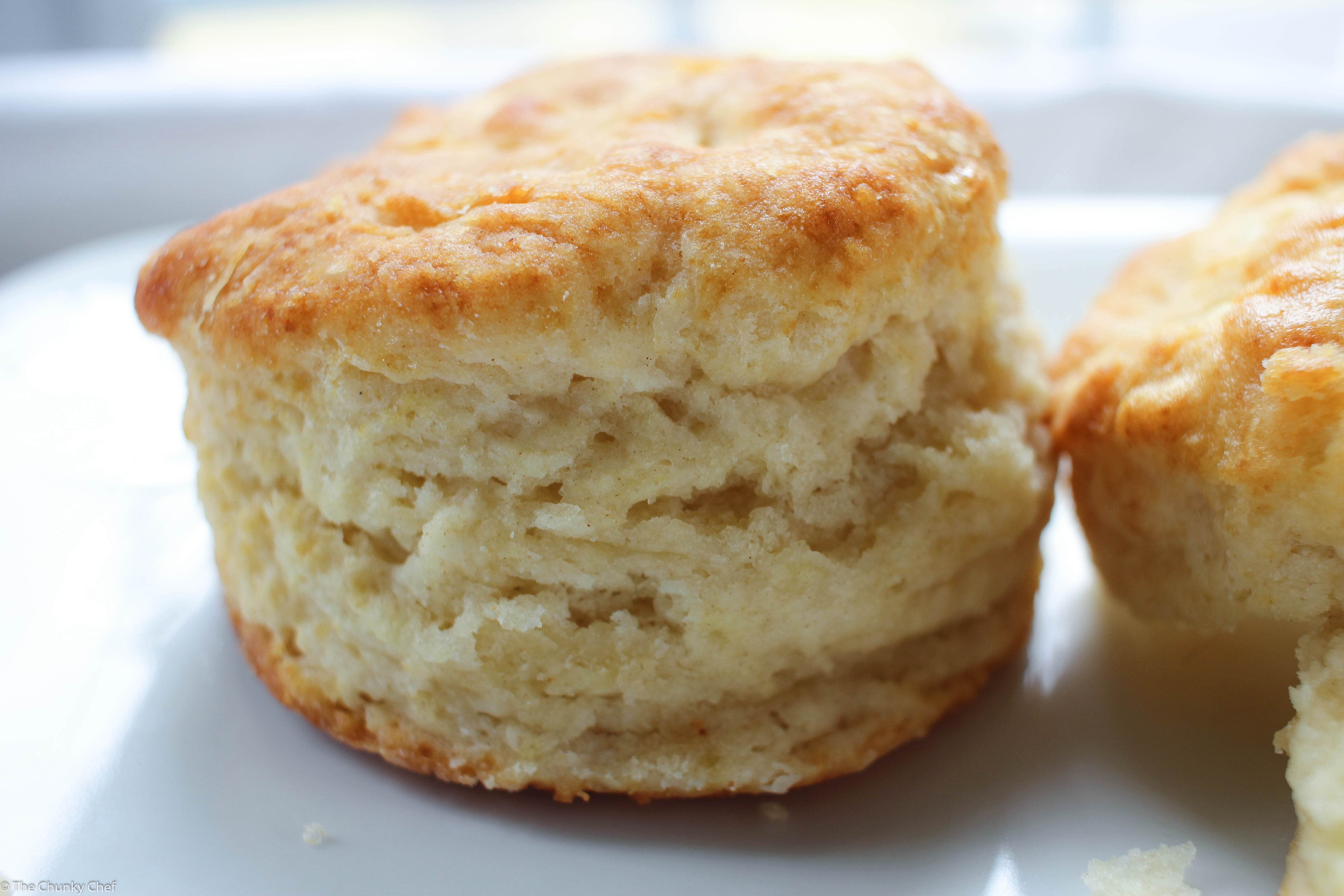
As you experiment with different recipes and variations, you'll discover the endless possibilities that lie within the realm of butterless biscuits. From classic buttermilk biscuits to vegan and gluten-free options, the culinary canvas is yours to explore.
Embrace the joy of baking these delectable treats, knowing that you're not only satisfying your taste buds but also making a healthier choice. Indulge in the delights of butterless biscuits, and let your creativity soar in the kitchen.


