Embark on a culinary journey with recipes for pink oyster mushrooms, a delectable and nutritious delicacy. These vibrant fungi offer a captivating blend of flavors and textures, making them a versatile addition to any kitchen. Dive into this comprehensive guide to unlock the culinary potential of pink oyster mushrooms, explore their health benefits, and master home cultivation techniques.
As a nutritional powerhouse, pink oyster mushrooms boast an impressive array of protein, fiber, and vitamins, contributing to overall well-being. Their unique umami flavor enhances the taste of various dishes, from hearty soups and stews to creative vegan creations. Whether you’re a seasoned chef or a home cook, this guide will inspire you to incorporate these culinary gems into your cooking repertoire.
Popular Recipes
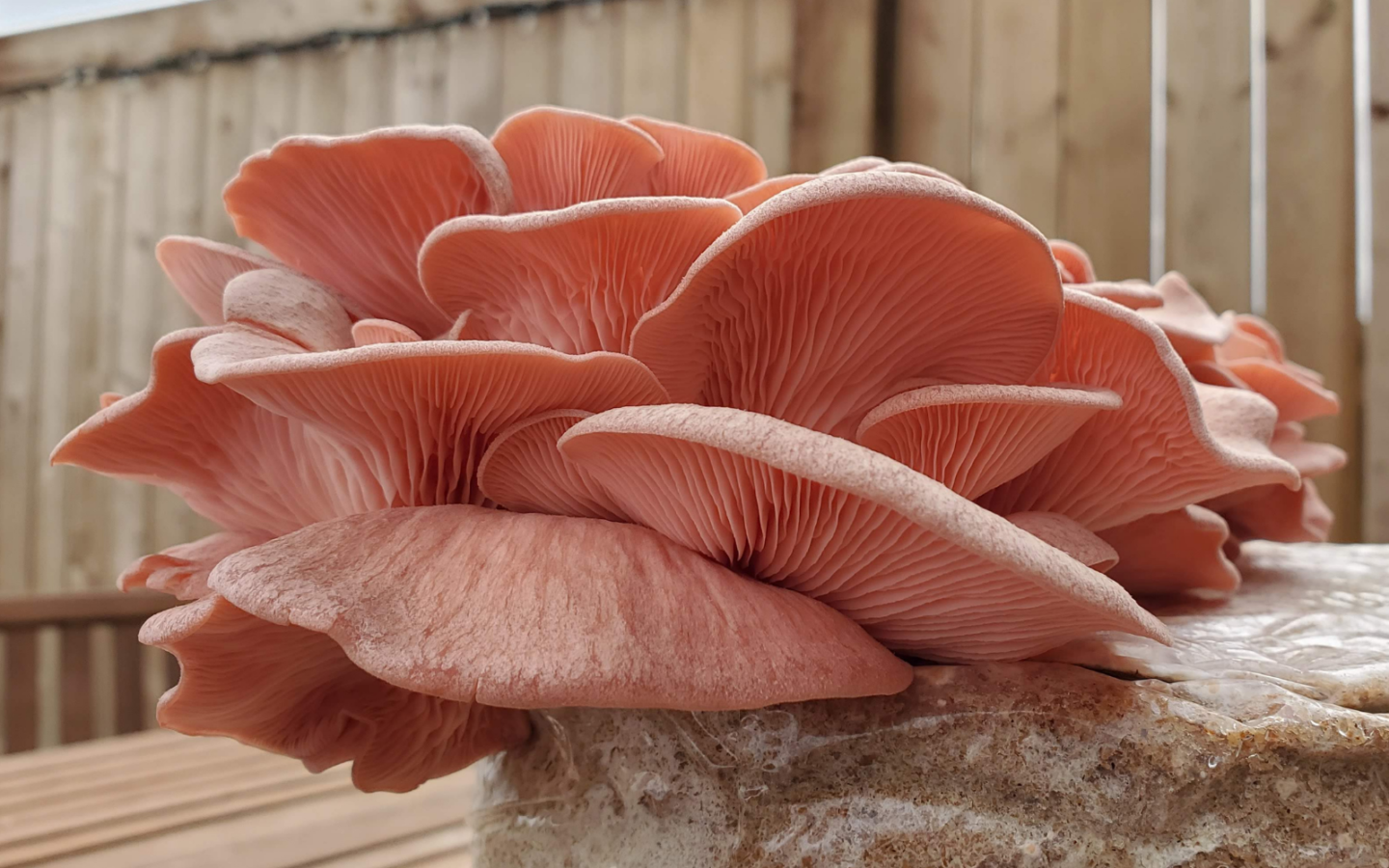
Pink oyster mushrooms offer a unique culinary experience with their delicate flavor and tender texture. They can be prepared in various ways to enhance their natural flavors. Here are some popular recipes that showcase the versatility of pink oyster mushrooms:
The table below provides an overview of four popular pink oyster mushroom recipes, along with their cooking methods, ingredients, and preparation times. Each recipe offers a distinct flavor profile and texture, catering to diverse culinary preferences.
Recipe Overview
| Recipe Name | Cooking Method | Ingredients | Preparation Time |
|---|---|---|---|
| Sautéed Pink Oyster Mushrooms | Sautéing | Pink oyster mushrooms, butter, garlic, herbs | 15 minutes |
| Grilled Pink Oyster Mushrooms | Grilling | Pink oyster mushrooms, olive oil, salt, pepper | 10 minutes |
| Pink Oyster Mushroom Soup | Simmering | Pink oyster mushrooms, vegetable broth, cream, seasonings | 30 minutes |
| Pink Oyster Mushroom Tacos | Sautéing | Pink oyster mushrooms, tortillas, toppings (e.g., salsa, cheese, vegetables) | 20 minutes |
These recipes offer a range of flavors and textures, from the earthy and savory sautéed mushrooms to the smoky grilled mushrooms, the creamy and comforting soup, and the flavorful and versatile tacos. Whether you prefer a quick and easy meal or a more elaborate dish, these recipes provide ample inspiration for incorporating pink oyster mushrooms into your culinary repertoire.
Nutritional Value and Health Benefits
Pink oyster mushrooms are a nutritional powerhouse, boasting an impressive array of vitamins, minerals, and antioxidants. They are particularly rich in protein, fiber, and vitamins B and D.One cup of cooked pink oyster mushrooms provides:
Protein
3 grams
Fiber
2 grams
Vitamin B3 (niacin)
10% of the Daily Value (DV)
Vitamin B5 (pantothenic acid)
7% of the DV
Vitamin D
10% of the DV
Immune System Support
Pink oyster mushrooms contain beta-glucans, which are polysaccharides that have been shown to enhance immune function. Beta-glucans stimulate the production of white blood cells, which are essential for fighting off infections.
Disease Prevention
The antioxidants in pink oyster mushrooms may help protect against chronic diseases such as cancer and heart disease. Studies have shown that these antioxidants can neutralize free radicals, which are unstable molecules that can damage cells and lead to disease.
Cultivation Techniques: Recipes For Pink Oyster Mushrooms

Pink oyster mushrooms can be cultivated relatively easily at home or on a commercial scale. They thrive on a variety of substrates, including straw, sawdust, and wood chips.
Pink oyster mushrooms offer a plethora of culinary possibilities. For a delightful vegetarian twist, consider incorporating them into vegetarian soup dumplings . This versatile recipe showcases the mushrooms’ delicate flavor and texture, providing a satisfying and nutritious meal. Continue exploring recipes for pink oyster mushrooms to discover their culinary versatility.
To grow pink oyster mushrooms, you will need to:
- Prepare the substrate
- Inoculate the substrate with spores
- Incubate the substrate
- Fruit the mushrooms
Substrate Preparation
The substrate for pink oyster mushrooms should be a mixture of organic matter and water. The ideal ratio of organic matter to water is 2:1. The organic matter can be straw, sawdust, wood chips, or a combination of these materials.
The substrate should be moistened to field capacity before it is inoculated. Field capacity means that the substrate is moist but not waterlogged.
Spore Inoculation, Recipes for pink oyster mushrooms
Once the substrate is prepared, it is ready to be inoculated with spores. Spores can be purchased from a mushroom supply company or collected from mature mushrooms.
To inoculate the substrate, spread the spores evenly over the surface of the substrate. Then, cover the substrate with a thin layer of soil or vermiculite.
Incubation
After the substrate has been inoculated, it needs to be incubated in a warm, dark place. The ideal incubation temperature is 75-80°F (24-27°C). The incubation period is typically 2-3 weeks.
Recipes for pink oyster mushrooms can be tantalizing, but they often call for high-sodium sauces. If you’re looking for a healthier alternative, consider using a low sodium bbq sauce recipe . These sauces can add flavor to your pink oyster mushroom dishes without compromising your health.
You can then experiment with various recipes for pink oyster mushrooms, incorporating the low sodium bbq sauce to create flavorful and nutritious meals.
During the incubation period, the mycelium will grow through the substrate. Once the mycelium has colonized the substrate, it is ready to be fruited.
Indulge in the savory flavors of pink oyster mushrooms with our delectable recipes. For those seeking a delightful twist, we highly recommend the panera four cheese souffle recipe . Its rich, creamy texture complements the umami notes of the mushrooms, creating a symphony of flavors.
Return to our collection of pink oyster mushroom recipes for more culinary inspiration.
Fruiting
To fruit the mushrooms, the substrate needs to be exposed to light and fresh air. The ideal fruiting temperature is 65-70°F (18-21°C). The relative humidity should be 80-90%.
The mushrooms will typically begin to fruit within 1-2 weeks after the substrate has been exposed to light and fresh air. The mushrooms will continue to fruit for several weeks.
Culinary Applications

Pink oyster mushrooms are a versatile culinary delight, offering a unique umami flavor that enhances various dishes. Their meaty texture makes them an excellent substitute for meat in vegan and vegetarian recipes.
These mushrooms can be sautéed, stir-fried, grilled, or roasted, bringing a savory depth to stir-fries, soups, and stews. Their delicate flavor pairs well with both mild and bold ingredients, making them a versatile addition to any kitchen.
Creative Incorporations
Incorporating pink oyster mushrooms into your cooking can be as creative as you desire. Here are a few ideas to inspire your culinary adventures:
- Sauté them with garlic, herbs, and vegetables for a flavorful side dish.
- Add them to soups and stews for an umami-rich broth.
- Grill them with a drizzle of olive oil and herbs for a smoky, meaty flavor.
- Roast them with other vegetables for a colorful and nutritious side dish.
- Create vegan “pulled pork” by marinating and shredding the mushrooms.
- Use them as a topping for pizzas, tacos, and other dishes for a savory touch.
Conclusion
In conclusion, recipes for pink oyster mushrooms offer a harmonious fusion of culinary delight and nutritional value. Their versatility in the kitchen, coupled with their health-promoting properties, makes them a must-have ingredient for any discerning foodie. From sautéing to grilling, these mushrooms elevate dishes with their distinct flavor and texture.
Embrace the culinary adventures that await with pink oyster mushrooms, and experience the joy of incorporating these vibrant fungi into your culinary creations.