Recipes using millet flour - Discover the versatility and health benefits of millet flour as we embark on a culinary adventure. From gluten-free baking to creative cooking, millet flour opens up a world of possibilities for health-conscious foodies.
Millet flour, derived from the ancient grain millet, boasts an impressive nutritional profile and a unique flavor that enhances any dish. Its high fiber content promotes digestion, while its gluten-free nature makes it an ideal choice for those with celiac disease or gluten intolerance.
Introduction: Recipes Using Millet Flour

Millet flour, derived from the ancient grain millet, is a nutritious and versatile gluten-free flour. It offers a range of health benefits and can be easily incorporated into various recipes.
Millet flour is a rich source of fiber, protein, and essential minerals. It is also naturally gluten-free, making it suitable for individuals with celiac disease or gluten intolerance.
Health Benefits of Millet Flour

High Fiber Content
Millet flour is high in dietary fiber, which plays a crucial role in digestive health. Fiber helps promote regular bowel movements, preventing constipation and other digestive issues.
Gluten-Free, Recipes using millet flour
Millet flour is naturally gluten-free, making it a safe and suitable alternative for individuals with celiac disease or gluten intolerance. Gluten is a protein found in wheat, rye, and barley, and it can cause severe digestive problems in individuals with gluten sensitivity.
Cooking with Millet Flour
Substituting Millet Flour for Wheat Flour
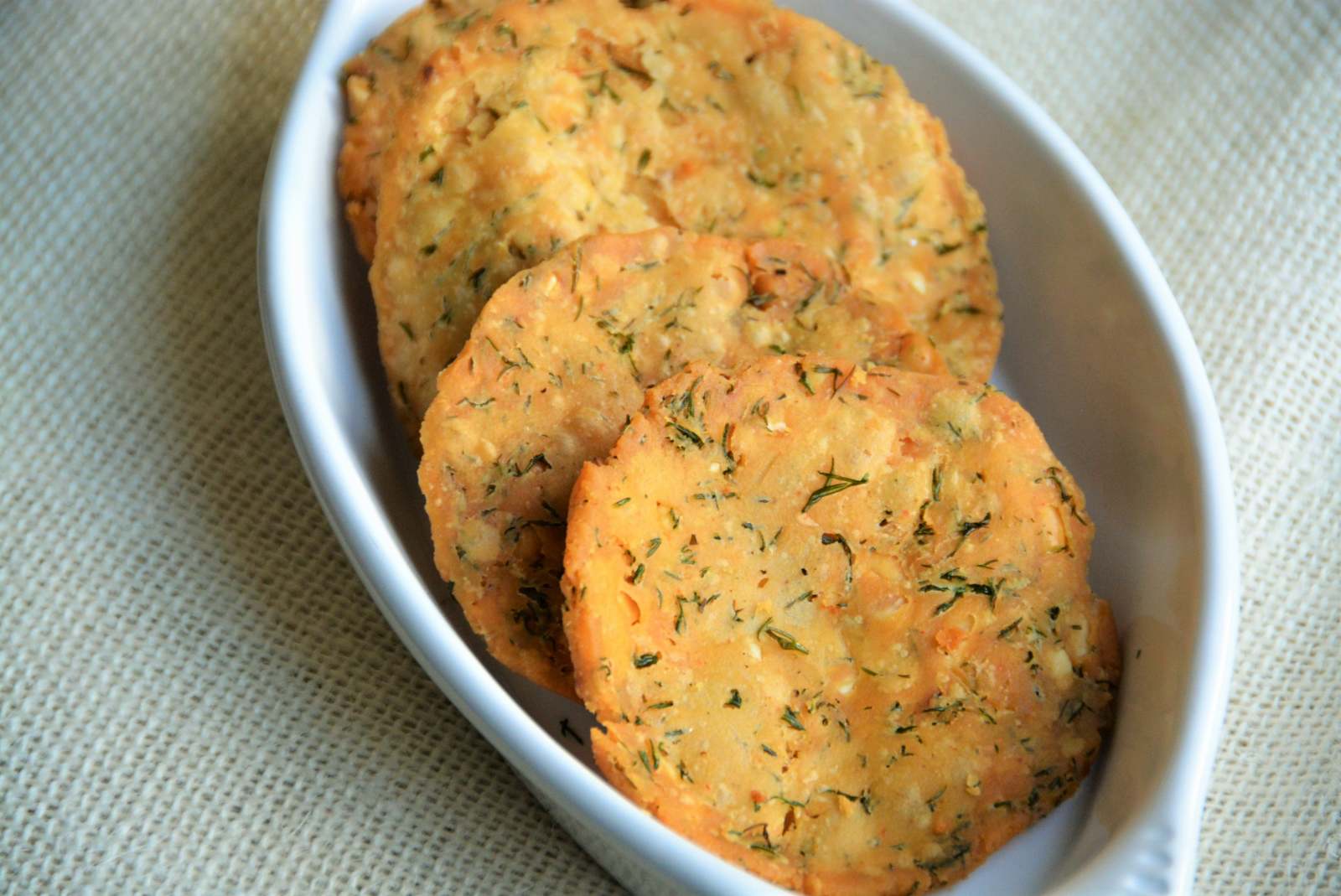
Millet flour can be used to substitute wheat flour in baking recipes. As a general rule, replace 1 cup of wheat flour with 3/4 cup of millet flour.
Gluten-Free Pancakes, Muffins, and Bread
Millet flour can be used to create delicious and nutritious gluten-free pancakes, muffins, and bread. Simply substitute wheat flour with millet flour in your favorite recipes.
Nutritional Comparison of Millet Flour to Other Gluten-Free Flours
| Flour | Protein | Fiber | Iron |
|---|---|---|---|
| Millet flour | 11g | 8g | 4mg |
| Almond flour | 21g | 12g | 2mg |
| Coconut flour | 19g | 24g | 2mg |
Recipes Using Millet Flour
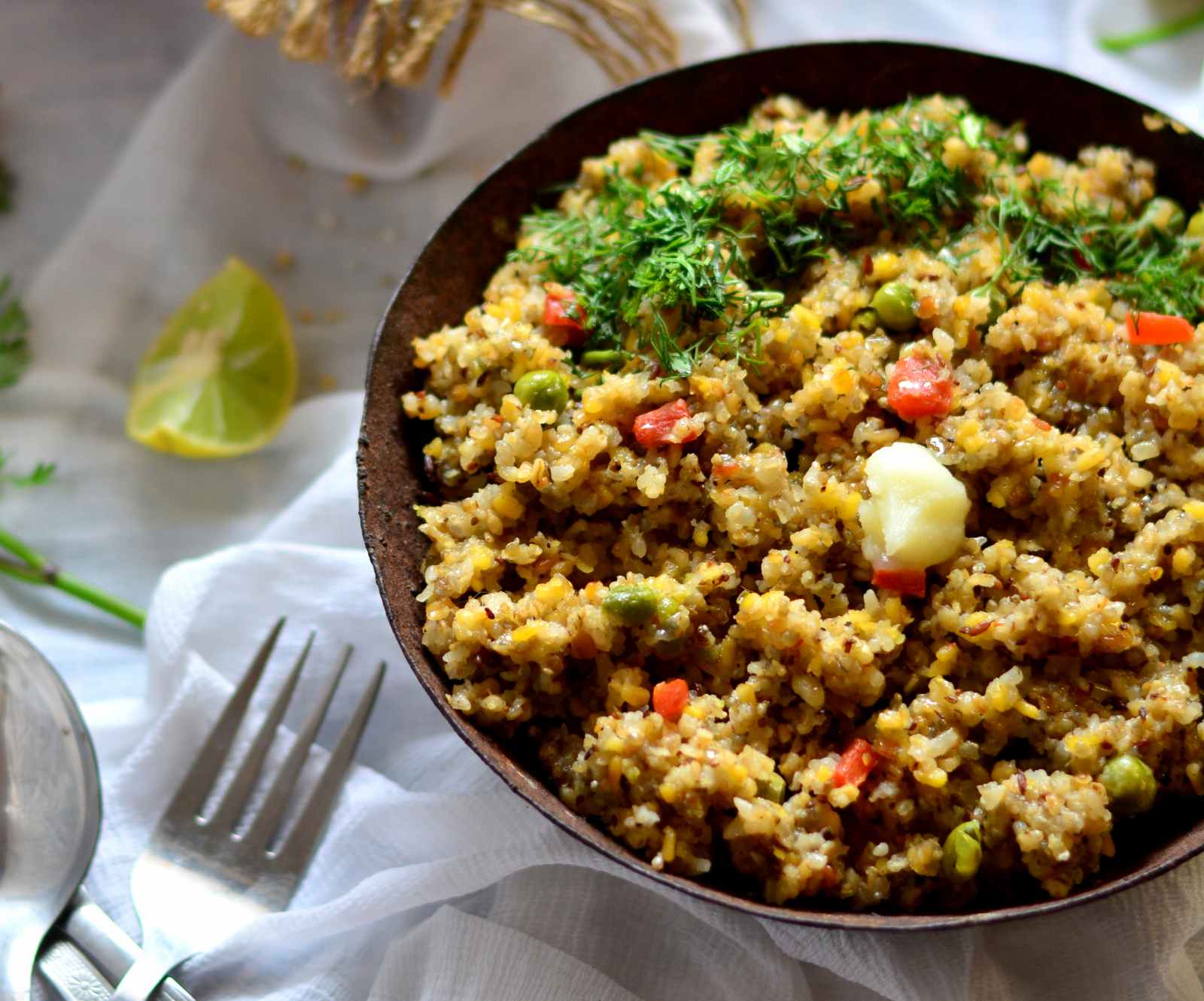
Millet Flatbreads
Millet flatbreads are a simple and versatile recipe that can be used as a base for various toppings. Simply combine millet flour, water, and salt, and cook in a skillet until golden brown.
Millet Cookies
Millet cookies are a delicious and nutritious snack that can be made with a variety of add-ins, such as chocolate chips, nuts, or dried fruit.
Millet Pasta
Millet pasta is a gluten-free alternative to traditional pasta. It can be used in a variety of pasta dishes, such as spaghetti and meatballs or lasagna.
Creative Uses of Millet Flour
Thickening Agent for Soups and Stews
Millet flour can be used as a thickening agent for soups and stews. Simply whisk millet flour into the liquid until the desired consistency is reached.
Batter for Frying Vegetables or Fish
Millet flour can be used to create a gluten-free batter for frying vegetables or fish. Simply combine millet flour, water, and salt, and dip your vegetables or fish into the batter before frying.
Non-Baking Applications: Dumplings and Polenta
Millet flour can also be used in non-baking applications, such as making dumplings or polenta. Simply combine millet flour with water and cook until the desired consistency is reached.
Final Thoughts
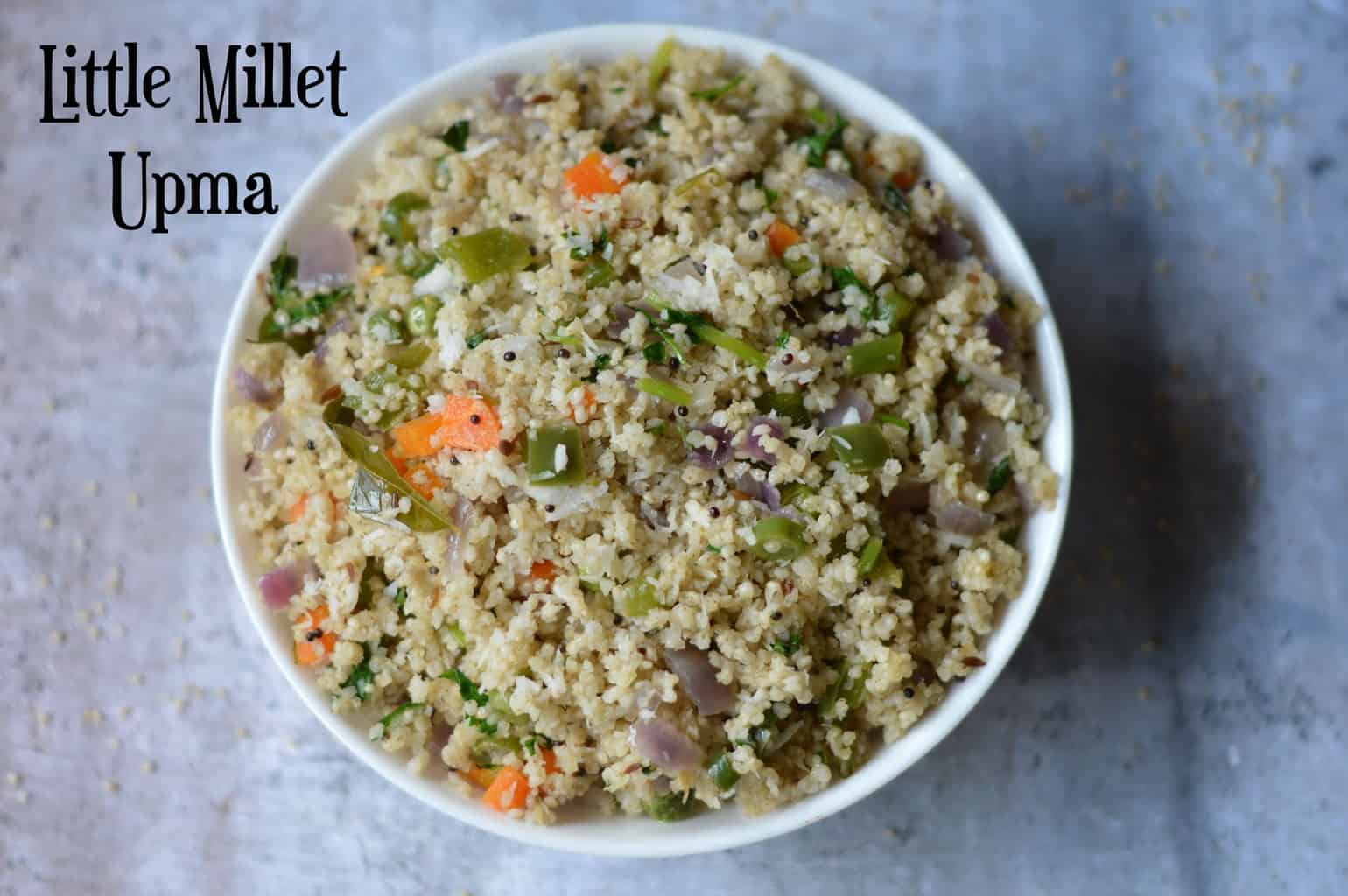
Millet flour is not just a substitute for wheat flour; it's a culinary canvas that invites experimentation and creativity. Whether you're baking gluten-free treats, thickening soups, or creating innovative batters, millet flour empowers you to explore a world of flavors and textures.
Embrace the versatility of millet flour and embark on a culinary journey that nourishes your body and delights your taste buds. Its health benefits, gluten-free nature, and endless culinary applications make it an essential ingredient for modern kitchens.