Embark on a culinary adventure with recipes using ras el hanout, a captivating spice blend that tantalizes taste buds and transports you to the heart of exotic cuisines. Let’s explore its origins, flavors, and versatile applications in the kitchen.
Ras el hanout, meaning “head of the shop,” is a symphony of spices that has played a significant role in North African and Middle Eastern cooking for centuries. Its composition varies regionally, but the harmonious blend of warm and aromatic spices creates a distinctive and complex flavor profile.
Culinary Origins of Ras el Hanout
Ras el hanout is a fragrant and complex spice blend that holds a significant place in the culinary traditions of North Africa and the Middle East. Its name, meaning “head of the shop,” reflects its status as the most prized spice blend in many markets.
The origins of ras el hanout are shrouded in mystery, but it is believed to have emerged in medieval Morocco. It is said that spice merchants would create their own unique blends, often using up to 100 different spices, to entice customers.
Over time, these blends became standardized, resulting in the distinct flavors we recognize today.
Regional Variations
While the core ingredients of ras el hanout remain relatively consistent, there are subtle variations depending on the region where it is made. In Morocco, the blend typically includes spices like cumin, coriander, turmeric, ginger, and saffron. In Tunisia, caraway and fennel seeds are often added, while in Algeria, harissa and paprika are common ingredients.
Composition and Flavor Profile
Ras el hanout is a complex and flavorful spice blend that is commonly used in North African and Middle Eastern cuisine. It is typically made with a combination of 20 or more spices, each of which contributes its own unique flavor to the blend.
Some of the most common spices used in ras el hanout include:
- Cumin
- Coriander
- Paprika
- Turmeric
- Ginger
- Cinnamon
- Nutmeg
- Cloves
- Cardamom
- Black pepper
The flavor profile of ras el hanout is warm, spicy, and slightly sweet. The cumin and coriander provide a nutty and earthy flavor, while the paprika and turmeric add a touch of sweetness. The ginger, cinnamon, nutmeg, and cloves add a warm and aromatic flavor, while the black pepper adds a touch of spice.
The combination of these spices creates a harmonious balance of aromas and tastes that is both complex and satisfying.
Culinary Applications

Ras el hanout, with its complex and aromatic flavor profile, is a versatile spice blend that finds its way into a wide range of culinary applications. Its versatility allows it to enhance the flavors of various dishes, from traditional Middle Eastern cuisine to contemporary culinary creations.
Traditional Dishes
In traditional Middle Eastern cuisine, ras el hanout is a key ingredient in many classic dishes, including:
-
-*Tajines
Slow-cooked stews featuring meats, vegetables, and fruits, where ras el hanout adds depth and warmth to the broth.
-*Couscous
A semolina dish often served with stews or vegetables, where ras el hanout adds a subtle yet distinctive flavor.
-*Harira
Recipes using ras el hanout, a fragrant blend of spices, offer a tantalizing journey for your taste buds. From savory stews to aromatic desserts, the versatility of this spice is endless. However, if you’re craving something icy and refreshing, why not switch gears and indulge in a margarita slush machine recipe ? Its frozen delight will transport you to a tropical paradise.
But don’t forget to return to the culinary adventures of ras el hanout, where the symphony of flavors awaits your discovery.
A traditional Moroccan soup made with lentils, chickpeas, and vegetables, where ras el hanout contributes a rich and aromatic flavor.
Flavor Enhancements
Ras el hanout’s versatility extends beyond traditional dishes, as it can also enhance the flavors of various ingredients:
-
-*Meats
Ras el hanout is commonly used as a rub for grilled or roasted meats, infusing them with a savory and aromatic flavor.
-*Vegetables
When added to vegetable dishes, ras el hanout adds a subtle sweetness and depth of flavor, complementing the natural flavors of the vegetables.
-*Grains
Ras el hanout can be added to rice or quinoa dishes, providing a warm and nutty flavor that enhances the overall taste experience.
Culinary Styles
The versatility of ras el hanout allows it to be incorporated into various culinary styles:
-
-*Middle Eastern Cuisine
Ras el hanout is an essential ingredient in many traditional Middle Eastern dishes, adding a distinctive flavor profile to stews, soups, and grilled meats.
-*North African Cuisine
In North African cuisine, ras el hanout is used in dishes such as tagines and couscous, providing a rich and aromatic flavor.
-*Contemporary Cuisine
Chefs around the world are experimenting with ras el hanout in contemporary dishes, adding a touch of exotic flavor to everything from roasted vegetables to desserts.
Health Benefits
Ras el hanout is not just a flavorful spice blend; it also boasts potential health benefits attributed to its diverse composition.
The spices in ras el hanout are rich in antioxidants and anti-inflammatory compounds. Antioxidants help protect cells from damage caused by free radicals, while anti-inflammatory compounds can reduce inflammation throughout the body.
Antioxidant Properties
Turmeric, a key ingredient in ras el hanout, contains curcumin, a powerful antioxidant with anti-inflammatory properties. Studies have shown that curcumin may help protect against heart disease, cancer, and Alzheimer’s disease.
Ginger, another common ingredient, is also rich in antioxidants. Gingerols, the active compounds in ginger, have been found to have anti-inflammatory and pain-relieving effects.
Anti-inflammatory Properties
The anti-inflammatory properties of ras el hanout are particularly beneficial for reducing inflammation in the digestive tract. Cumin, coriander, and fennel, all present in the blend, have been shown to soothe digestive issues such as indigestion, gas, and bloating.
Additionally, the anti-inflammatory effects of ras el hanout may help reduce the risk of chronic diseases associated with inflammation, such as heart disease, arthritis, and cancer.
Substitutes and Variations
If ras el hanout is unavailable, suitable substitutes can mimic its complex flavor profile.
Variations in the spice blend’s composition arise from regional and cultural influences, resulting in subtle differences in flavor.
Suitable Substitutes
- Baharat: A Middle Eastern spice blend with similar warm, earthy notes, including cumin, coriander, paprika, and cloves.
- Garam masala: An Indian spice blend with a blend of spices including cinnamon, cardamom, and cumin, providing a slightly sweeter flavor profile.
- Curry powder: A generic spice blend with turmeric, coriander, and cumin, offering a more pungent and less complex flavor.
Adjusting Recipes
When using substitutes, adjust the quantity to achieve a similar flavor intensity. For example, use slightly less garam masala as it tends to be more potent.
Variations in Composition
Variations in the spice blend’s composition include:
- North African: Typically includes cumin, coriander, paprika, and turmeric.
- Middle Eastern: May incorporate cinnamon, cloves, and nutmeg.
- Indian: Often includes fenugreek, cardamom, and black pepper.
These variations impact the flavor profile, making it more floral, spicy, or earthy, depending on the spices used.
Storage and Preservation
:max_bytes(150000):strip_icc()/easy-ras-el-hanout-simplified-version-2394676-Final-5baffab0c9e77c00515aad01.jpg "Ras hanout moroccan spruce")
Proper storage of ras el hanout is crucial to preserve its freshness and flavor. The ideal conditions include cool, dark, and dry environments.
Ideal Storage Conditions
- Temperature:Store ras el hanout at room temperature or slightly cooler, ideally between 50-60°F (10-15°C).
- Humidity:Keep the spice blend in a dry environment with low humidity. Moisture can cause spoilage and reduce its potency.
- Light Exposure:Protect ras el hanout from direct sunlight, as light can degrade its flavor and color.
Extending Shelf Life
- Airtight Container:Store ras el hanout in an airtight container to prevent moisture and air exposure.
- Whole Spices:Whole spices have a longer shelf life than ground spices. Consider buying whole spices and grinding them as needed.
- Freezing:For extended storage, you can freeze ras el hanout for up to 6 months. Freeze in an airtight container and thaw before using.
Recipes and Menu Ideas
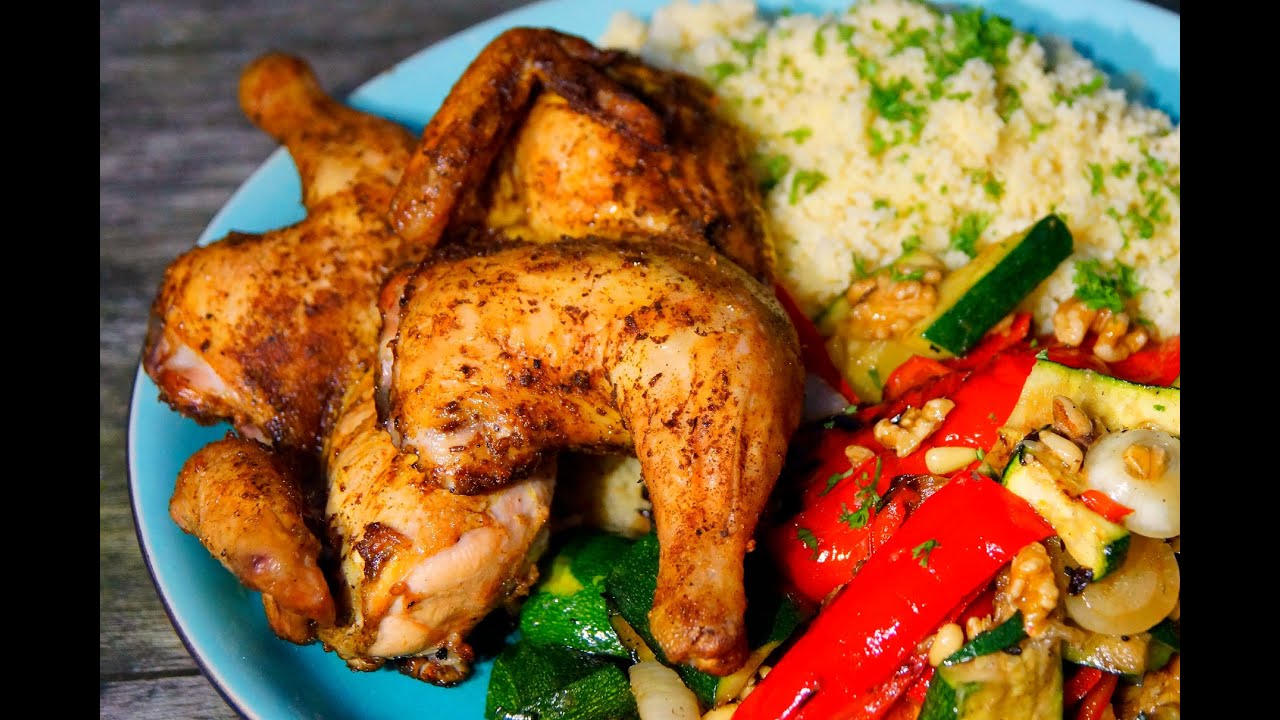
Ras el hanout’s versatility shines in a wide range of culinary creations. From hearty tagines to aromatic couscous dishes, its complex blend of spices elevates any meal.
The table below showcases a selection of recipes that highlight the diverse applications of ras el hanout:
| Dish Name | Cuisine | Preparation Method | Description |
|---|---|---|---|
| Chicken Tagine with Ras el Hanout | Moroccan | Stewing | Tender chicken braised in a flavorful broth infused with ras el hanout, complemented by vegetables like carrots, onions, and potatoes. |
| Ras el Hanout Couscous | North African | Steaming | Fluffy couscous topped with a flavorful stew made with vegetables, meat, and the aromatic blend of ras el hanout. |
| Spiced Lamb Chops with Ras el Hanout | Middle Eastern | Grilling | Marinated lamb chops seasoned with ras el hanout, grilled to perfection, offering a juicy and flavorful experience. |
| Ras el Hanout Roasted Vegetables | Mediterranean | Roasting | A colorful array of roasted vegetables, seasoned with ras el hanout, bringing out their natural sweetness and earthy flavors. |
| Ras el Hanout Hummus | Middle Eastern | Dipping | Creamy and flavorful hummus infused with the warm and aromatic spices of ras el hanout, perfect for dipping with pita bread or vegetables. |
Cooking Techniques and Tips: Recipes Using Ras El Hanout
Unlock the full potential of ras el hanout with these culinary techniques. Discover how toasting, blooming, and infusing can enhance its flavors and create mouthwatering dishes.
Toasting
Toasting ras el hanout releases its aromatic compounds, intensifying its flavors. Heat a dry skillet over medium heat and add the spice blend. Toast for 2-3 minutes, stirring constantly, until fragrant. Allow to cool before using.
Blooming
Blooming ras el hanout in a hot liquid, such as oil or broth, allows the spices to release their flavors and create a flavorful base for your dishes. Heat the liquid in a saucepan and add the spice blend. Cook for 1-2 minutes, stirring frequently, until fragrant.
Infusing, Recipes using ras el hanout
Infusing ras el hanout in a liquid, such as water or vinegar, creates a flavorful stock or marinade. Combine the spice blend with the liquid and bring to a boil. Reduce heat and simmer for 15-20 minutes. Strain and use the infused liquid in your recipes.
Marinades and Rubs
Incorporate ras el hanout into marinades or rubs to enhance the flavors of meat, poultry, or vegetables. Combine the spice blend with olive oil, yogurt, or other liquids to create a flavorful marinade. Rub the mixture onto the food and allow it to marinate for several hours or overnight before cooking.
Sauces
Add ras el hanout to sauces to create complex and flavorful dishes. Whisk the spice blend into tomato sauces, gravies, or stews to add depth of flavor. You can also use it to make a flavorful vinaigrette for salads or drizzling over grilled meats.
Pairing Suggestions
/easy-ras-el-hanout-simplified-version-2394676-3_preview-5b2bd68bff1b780037779e70.jpeg "Ras hanout el easy spice moroccan mix recipe spruce")
Ras el hanout is a versatile spice blend that pairs well with a wide range of ingredients. Its complex flavor profile makes it an excellent complement to both sweet and savory dishes.
When using ras el hanout, consider the following pairing suggestions:
Herbs and Spices
- Fresh herbs such as cilantro, parsley, and mint can add a refreshing brightness to dishes seasoned with ras el hanout.
- Other spices that complement the blend include cumin, coriander, paprika, and turmeric.
Ingredients
- Ras el hanout pairs well with meats such as lamb, chicken, and beef.
- It can also be used to season vegetables, particularly root vegetables like carrots and parsnips.
- Fruits such as apricots, dates, and raisins can add a touch of sweetness and depth to dishes.
Successful Flavor Combinations
- A classic pairing is ras el hanout with lamb. The spice blend’s warm and earthy flavors complement the rich taste of the meat.
- Ras el hanout can also be used to create a flavorful marinade for chicken. The blend’s spices penetrate the meat, resulting in a juicy and flavorful dish.
- For a vegetarian option, try using ras el hanout to season roasted vegetables. The spice blend will add a delicious and aromatic touch to the vegetables.
Cultural and Regional Influences
Ras el hanout is a culinary tapestry woven from the threads of diverse cultures and regions. Its origins trace back to North Africa and the Middle East, where it has played a pivotal role in shaping culinary traditions.
In Morocco, ras el hanout is a cornerstone of traditional cuisine, featuring prominently in tajines, couscous, and stews. Its aromatic blend complements the sweet and savory flavors of these dishes, adding a layer of complexity that tantalizes the palate.
Mediterranean Influence
The Mediterranean region has left an indelible mark on the composition of ras el hanout. Traders and travelers introduced spices like cumin, coriander, and saffron, enriching the blend with their earthy and floral notes.
In Tunisia and Algeria, ras el hanout is often used in soups and sauces, adding a subtle warmth and depth of flavor. Its versatility extends to Libya, where it is a staple in traditional dishes like shakshuka and couscous.
Sub-Saharan Influences
Culinary influences from Sub-Saharan Africa have also shaped the evolution of ras el hanout. Spices like chili peppers, paprika, and turmeric have found their way into the blend, adding a touch of heat and vibrant color.
In Senegal, ras el hanout is used in the preparation of yassa, a popular chicken dish, while in Mali, it is an integral part of mafé, a savory peanut stew.
Global Popularity
The cultural and regional influences that have shaped ras el hanout have propelled its popularity beyond its origins. Its unique flavor profile and versatility have made it a favorite among chefs and home cooks worldwide.
From North African markets to European kitchens, ras el hanout has become a culinary ambassador, showcasing the rich tapestry of flavors that have shaped its history.
Wrap-Up

Whether you’re a seasoned chef or a home cook seeking new culinary horizons, recipes using ras el hanout offer endless possibilities. From traditional Moroccan tagines to modern fusion dishes, this spice blend adds depth and intrigue to any culinary creation.
Embrace the flavors of ras el hanout and embark on a journey of taste and discovery.