Embark on a culinary adventure with our delectable sour cream bread recipe, a symphony of flavors that will tantalize your taste buds. With its soft, tangy crumb and inviting aroma, this bread promises an extraordinary gastronomic experience.
Our step-by-step guide unveils the secrets to crafting this masterpiece, from the initial mixing and kneading to the final golden-brown loaf. Discover the perfect balance of tanginess and tenderness, making this bread an irresistible addition to any meal.
Ingredients and Measurements
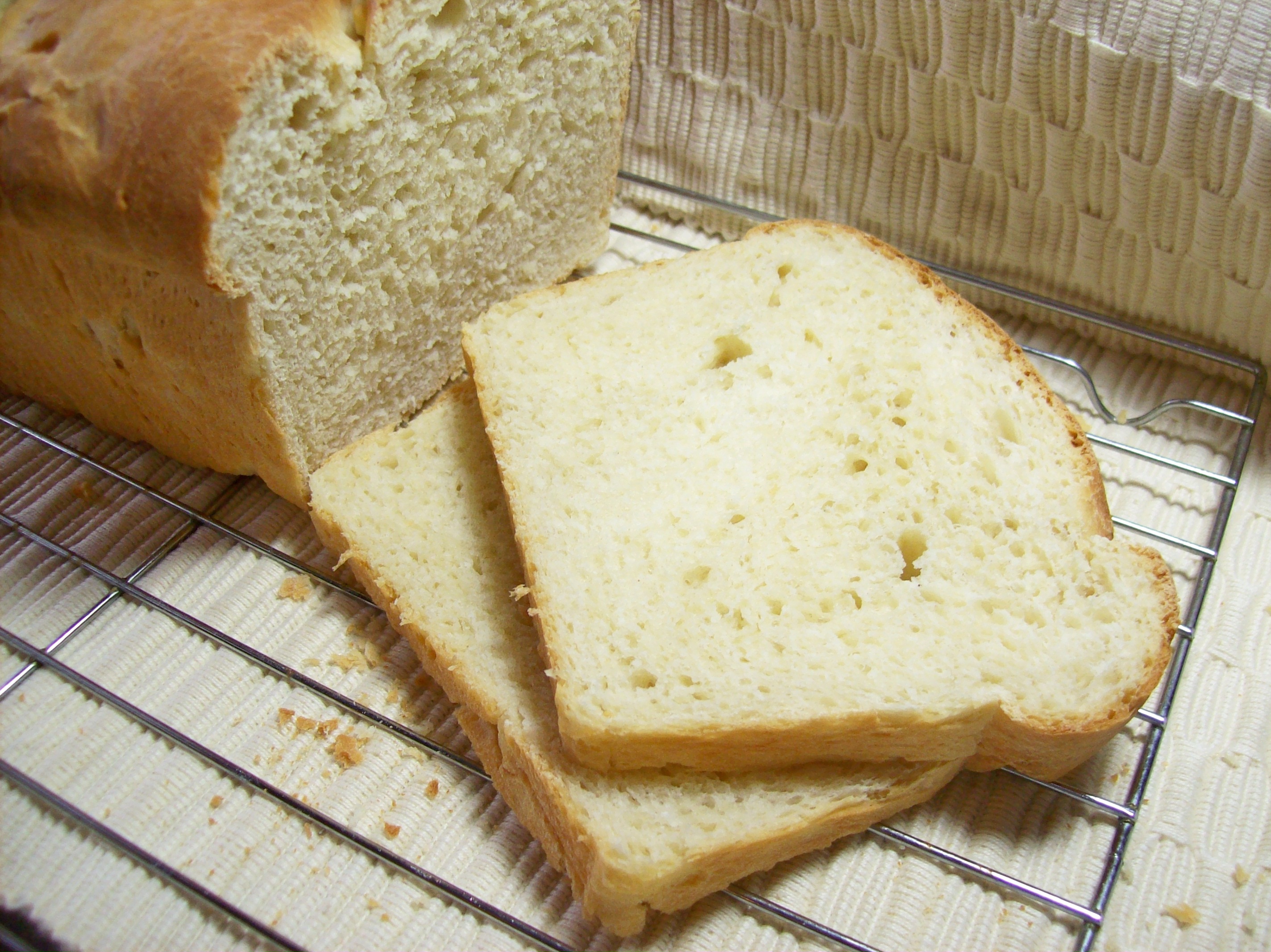
Creating mouthwatering sour cream bread requires a specific set of ingredients, each measured precisely to ensure a perfect balance of flavors and texture. Here’s a comprehensive list of what you’ll need:
For the Dough:
- 3 cups (360g) all-purpose flour, plus more for dusting
- 1 teaspoon (5g) salt
- 1 teaspoon (5g) sugar
- 1 tablespoon (15g) instant yeast
- 1 cup (240ml) warm milk (105-115°F or 40-46°C)
- 1/2 cup (120ml) sour cream
- 2 tablespoons (30g) unsalted butter, softened
For the Glaze:
- 1/2 cup (60g) powdered sugar
- 1 tablespoon (15ml) milk
- 1/4 teaspoon (1g) vanilla extract
Step-by-Step s
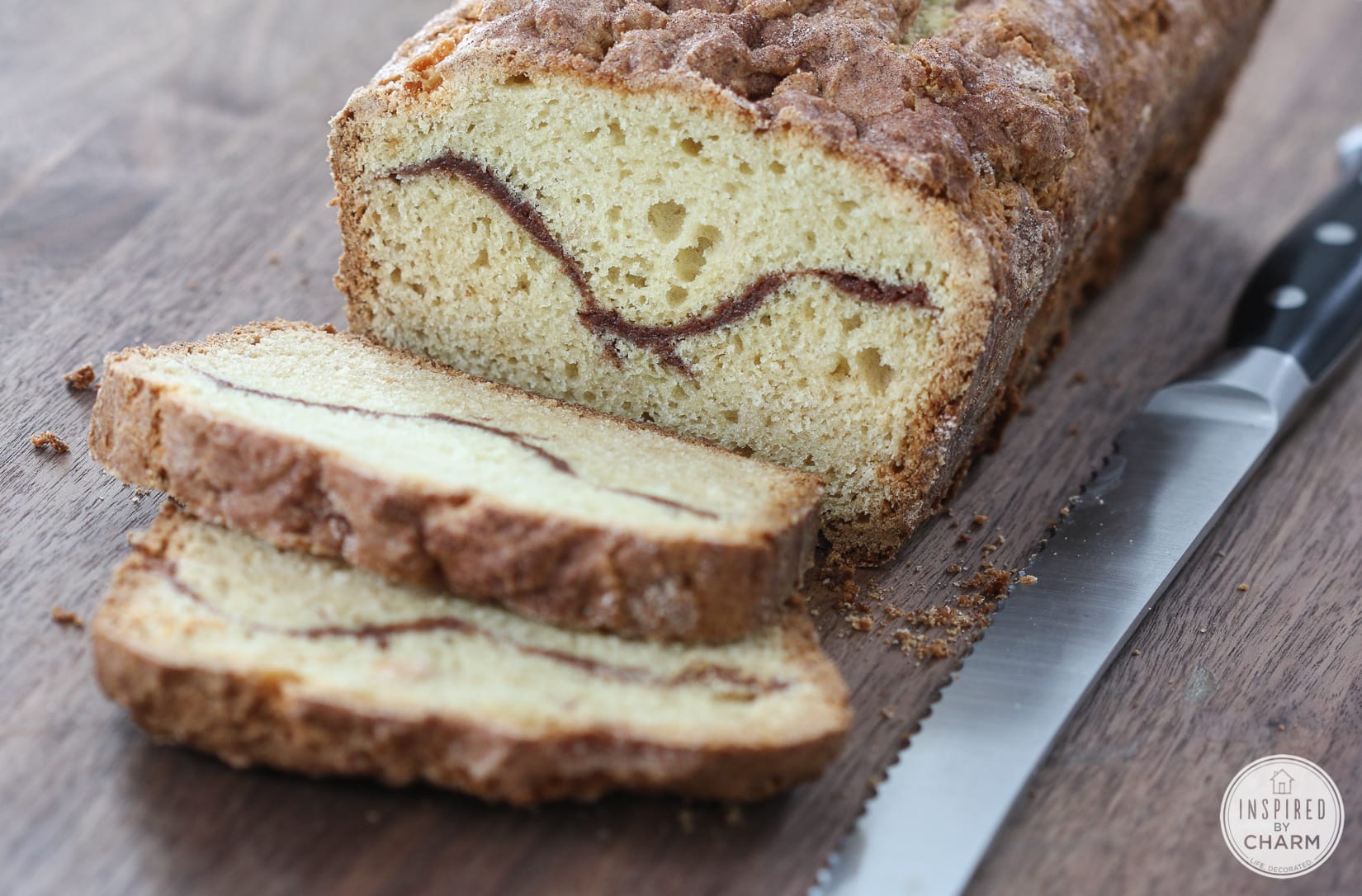
Preparing the sour cream bread dough is a straightforward process that involves mixing, kneading, rising, and shaping.
Mixing the dough is the first step, where all the ingredients are combined. This can be done in a large bowl or using a stand mixer. Once the ingredients are well combined, the dough is kneaded to develop the gluten.
This can be done by hand or using a dough hook attachment on a stand mixer.
Kneading
Kneading helps to strengthen the gluten strands in the dough, which gives the bread its structure and texture. It also helps to incorporate air into the dough, which makes the bread light and fluffy.
Rising
After kneading, the dough is left to rise in a warm place for about an hour, or until it has doubled in size. This allows the yeast to ferment the sugars in the dough, which produces carbon dioxide gas. The gas bubbles get trapped in the gluten strands, causing the dough to rise.
Whether you’re craving the tangy zest of key lime shooter recipe or the comforting warmth of sour cream bread, our collection of recipes has got you covered. With easy-to-follow instructions and a wide variety of flavors, you’ll find the perfect recipe to satisfy your culinary cravings.
Shaping
Once the dough has risen, it is shaped into loaves or rolls. This can be done by hand or using a bread machine. The loaves or rolls are then placed on a baking sheet and left to rise for another 30 minutes, or until they have doubled in size.
Baking Process
To achieve the perfect sour cream bread, it’s essential to pay attention to the baking temperature and duration. The right combination will result in a bread with a tender crumb, a crispy crust, and a delightful tang.
The ideal baking temperature for sour cream bread is 375°F (190°C). This temperature allows the bread to rise properly while developing a golden-brown crust. Baking at a lower temperature may result in a bread that is dense and undercooked, while a higher temperature can burn the crust and leave the inside undercooked.
Baking Duration
The baking duration depends on the size and shape of the bread. A small loaf (1 pound) will typically require 30-35 minutes, while a larger loaf (2 pounds) may need 40-45 minutes. To check if the bread is done, insert a toothpick or skewer into the center.
If it comes out clean, the bread is ready. Alternatively, you can tap on the bottom of the loaf; if it sounds hollow, it’s done.
Texture and Flavor Characteristics
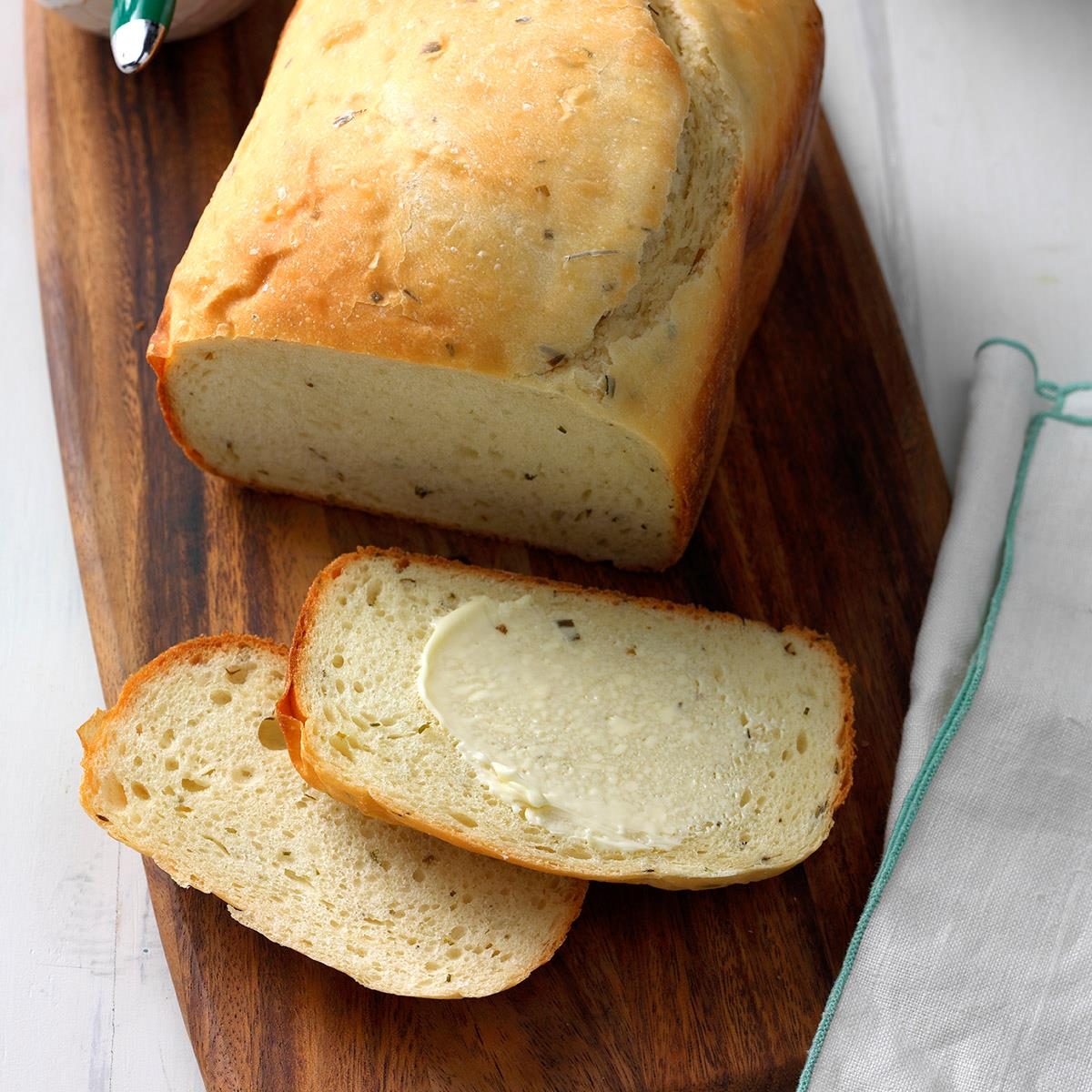
Sour cream bread distinguishes itself with an alluring combination of textures and flavors. Its soft and fluffy interior invites each bite, while the tangy and slightly sour notes tantalize the palate.
Aroma and Tanginess
The addition of sour cream infuses the bread with a distinct aroma that is both rich and slightly tangy. This tanginess is further enhanced by the fermentation process, creating a complex flavor profile that balances acidity and sweetness.
Variations and Additions
:max_bytes(150000):strip_icc()/loaf-of-bread-182835505-58a7008c5f9b58a3c91c9a14.jpg "Bread banana nut sour thechunkychef")
The basic sour cream bread recipe can be easily adapted to create a variety of different flavors and textures. Here are a few ideas:
Herbs and Spices, Sour cream bread recipe
Incorporate herbs and spices into the dough for a flavorful twist. Try adding dried oregano, basil, rosemary, or thyme for an Italian-inspired bread. Or, for a more savory bread, add some grated Parmesan cheese or a sprinkle of garlic powder.
Different Types of Flour
Experiment with different types of flour to create different textures and flavors. Whole wheat flour will give the bread a more rustic and nutty flavor, while rye flour will add a slightly sour tang. You can also try using a combination of different flours, such as white flour and whole wheat flour, to create a unique flavor and texture.
Other Additions
Add other ingredients to the dough for a unique twist. Try adding some chopped nuts, seeds, or dried fruit for a crunchy texture. Or, for a sweeter bread, add some honey or maple syrup to the dough.
Health Benefits and Nutritional Value
Sour cream bread offers a range of potential health benefits due to its unique composition. It is a good source of dietary fiber, which is essential for maintaining a healthy digestive system and promoting regularity. Additionally, sour cream bread contains probiotics, which are live bacteria that can provide various health benefits, including improving gut health and boosting the immune system.
Essential Vitamins
Sour cream bread is also a good source of several essential vitamins, including vitamin B12, niacin, and riboflavin. Vitamin B12 is crucial for red blood cell formation and nerve function, while niacin supports energy metabolism and skin health. Riboflavin, on the other hand, plays a vital role in cell growth and development, as well as energy production.
Serving Suggestions: Sour Cream Bread Recipe
Sour cream bread’s versatility makes it a delightful addition to various culinary creations. Whether as a side dish, sandwich bread, or an appetizer, it elevates the dining experience.
As a side dish, it pairs well with soups, stews, and salads, providing a comforting and satisfying accompaniment. Its mild flavor complements robust dishes without overpowering their flavors.
Sandwiches
Sour cream bread excels as sandwich bread, offering a soft and slightly tangy base for your favorite fillings. From classic ham and cheese to hearty pulled pork, it provides a sturdy yet tender foundation for a satisfying sandwich.
Appetizers
Cut into bite-sized pieces, sour cream bread makes an elegant appetizer when paired with dips and spreads. Serve it with creamy hummus, tangy guacamole, or a flavorful salsa for a delightful and savory treat.
Storage and Preservation
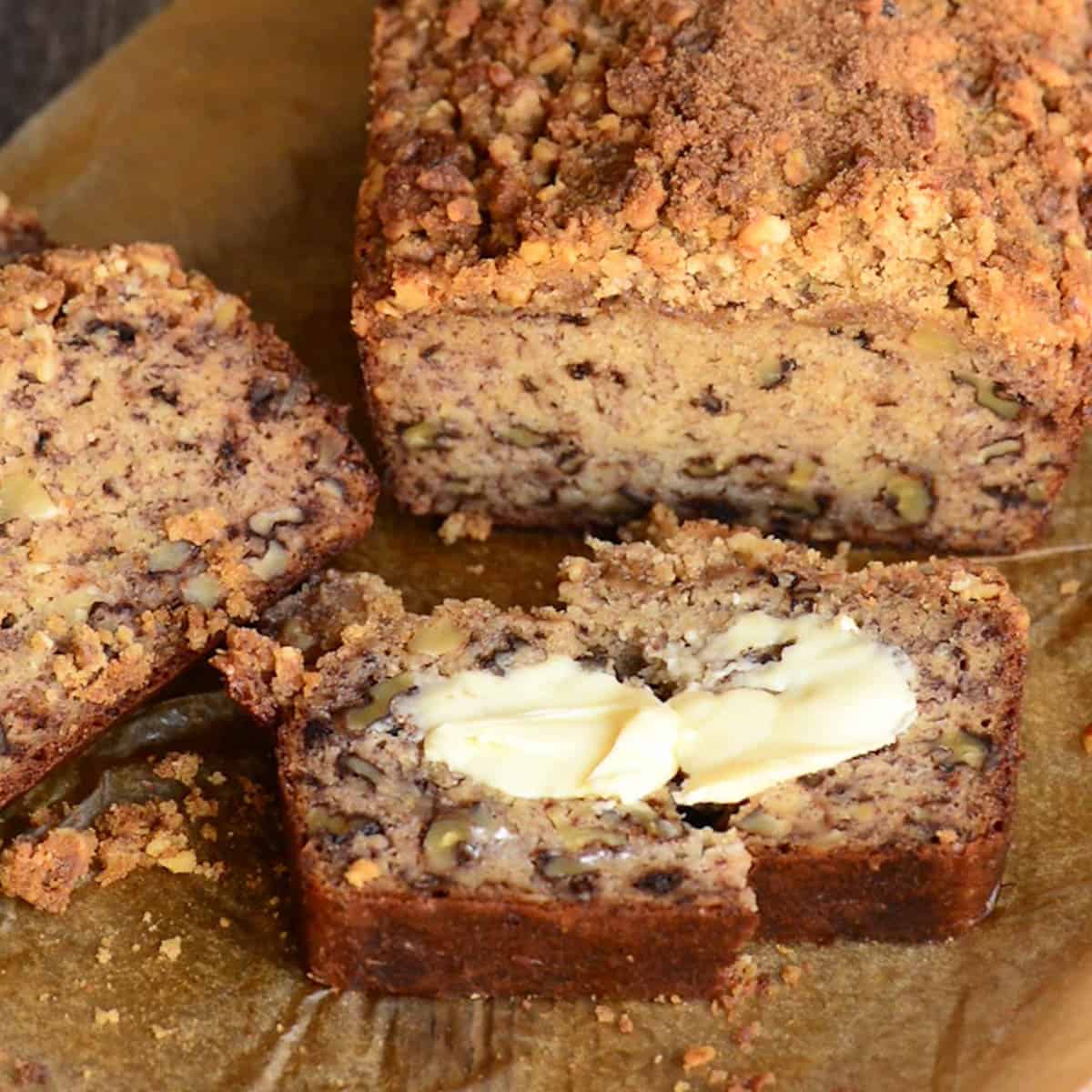
Sour cream bread can be stored at room temperature or in the refrigerator to maintain its freshness and prevent spoilage. At room temperature, the bread can be stored in a breadbox or wrapped in a clean kitchen towel for up to 3 days.
If stored in the refrigerator, the bread can last for up to a week. To freeze the bread, wrap it tightly in plastic wrap and place it in a freezer-safe bag. The bread can be frozen for up to 3 months.
Reheating
When ready to eat, the bread can be reheated in the oven or microwave. To reheat in the oven, preheat the oven to 350°F (175°C) and bake the bread for 10-15 minutes, or until warmed through. To reheat in the microwave, wrap the bread in a damp paper towel and microwave on high for 30-60 seconds, or until warmed through.
Visual Appeal
Sour cream bread captivates with its delectable appearance that delights the senses. Its golden-brown crust, a testament to the perfect balance of heat and moisture, exudes an irresistible aroma that draws you in from afar.
Upon slicing, the airy crumb is revealed, boasting a delicate texture that yields to a gentle touch. The intricate web of tiny air pockets creates a light and fluffy interior, making each bite a delightful experience.
Crust
- Golden-brown hue
- Crispy and slightly crunchy texture
- Enticing aroma
Crumb
- Airy and fluffy texture
- Delicate and tender
- Intricate web of tiny air pockets
Aroma
- Buttery and slightly tangy
- Warm and inviting
- Appealing to both the nose and the palate
History and Origin
Sour cream bread has a rich history dating back to the early 1900s in the United States. Its roots can be traced to the Midwest, where it gained popularity among farmers and homemakers as a way to use leftover sour cream.
The bread’s distinctive tangy flavor and moist texture quickly made it a staple in many households.
Cultural Significance
Sour cream bread holds cultural significance in the United States, particularly in rural communities. It is often associated with family gatherings, comfort food, and traditional baking practices. The bread’s versatility has made it a popular choice for sandwiches, toast, and as a side dish with soups and stews.
Related Recipes and Adaptations
Sour cream’s versatility extends beyond bread, making it a versatile ingredient in various baked goods.
Sour Cream Muffins
Sour cream muffins are a delectable variation that incorporates the tangy flavor of sour cream into fluffy and moist muffins. These muffins are perfect for breakfast or a quick snack, with their tender crumb and sweet-tart balance.
Sour Cream Pancakes
Sour cream pancakes offer a unique twist on the classic breakfast staple. The sour cream adds a subtle tanginess and richness to the batter, resulting in fluffy and flavorful pancakes that are sure to impress.
Sour Cream Scones
Sour cream scones combine the crumbly texture of scones with the tangy flavor of sour cream. These scones are perfect for afternoon tea or as a savory accompaniment to soups and stews.
Closure
Indulge in the versatility of sour cream bread, whether as a delectable side dish, a hearty sandwich base, or a delightful appetizer. Pair it with your favorite spreads, dips, and accompaniments for a truly memorable culinary experience. With its nutritional value and rich history, this bread not only satisfies your cravings but also nourishes your body and mind.