Spicy pickled egg recipe - Spicy pickled eggs are a culinary delight that tantalizes taste buds with their fiery flavor and tangy acidity. With a rich history and cultural significance, these pickled eggs have become a beloved snack, appetizer, and condiment worldwide.
Join us as we explore the enticing world of spicy pickled eggs, uncovering their ingredients, step-by-step pickling process, variations, health benefits, and more. Whether you're a seasoned pickler or a curious novice, this guide will provide you with all the knowledge and inspiration you need to create your own delicious batch of spicy pickled eggs.
Introduction
Spicy pickled eggs, a culinary delight, tantalize taste buds with their piquant flavors and tangy zest. They are a delectable snack or appetizer, perfect for any occasion. Their vibrant colors and aromatic scents add a touch of excitement to any gathering.
The history of spicy pickled eggs dates back centuries, with origins in various cultures. In many regions, they were preserved as a way to extend the shelf life of eggs. Over time, spices and seasonings were added to enhance their flavor, giving birth to the spicy pickled eggs we know today.
Cultural Significance
In many cultures, spicy pickled eggs hold significant cultural meaning. In some regions of the United States, they are associated with family gatherings and holiday celebrations. In other parts of the world, they are served as street food or as an accompaniment to traditional dishes.
Regardless of their cultural context, spicy pickled eggs are a beloved treat enjoyed by people of all ages.
Ingredients and Equipment
To embark on the delectable journey of creating spicy pickled eggs, you will require an assortment of ingredients and equipment.
First and foremost, let us gather the essential ingredients:
- Large eggs: 12
- White vinegar: 1 cup
- Apple cider vinegar: 1 cup
- Water: 1 cup
- Sugar: 1/2 cup
- Salt: 1 tablespoon
- Red pepper flakes: 1 tablespoon
- Mustard seeds: 1 tablespoon
- Celery seeds: 1 tablespoon
- Whole cloves: 12
- Bay leaves: 2
Now, let us turn our attention to the equipment:
- Large pot or saucepan
- Slotted spoon
- Glass jars with lids
Step-by-Step Pickling s
Preparing the brine solution is crucial for creating flavorful pickled eggs. It involves combining vinegar, water, and spices to create a tangy and aromatic liquid. The eggs will absorb this flavorful liquid, resulting in a delicious and tangy treat.
Boiling the eggs is another important step in the pickling process. Hard-boiled eggs have a firm texture that can withstand the pickling process without becoming mushy. Once boiled, the eggs should be carefully peeled and added to the brine solution.
After adding the eggs to the brine, sealing the jars is essential to prevent contamination and preserve the eggs. The jars should be tightly sealed and stored in a cool, dark place. This will allow the eggs to absorb the flavors of the brine and develop their characteristic tangy taste.
Variations and Adaptations
Let's explore some exciting variations and adaptations to customize your spicy pickled egg adventure.
To amp up the heat, consider using a more robust vinegar like apple cider vinegar or balsamic vinegar. These will add a tangy and complex flavor profile to your eggs.
Additional Spices
- Experiment with adding extra spices to the brine, such as bay leaves, cloves, or coriander seeds. These will impart unique aromatic notes to your pickled eggs.
- For a zesty kick, add a dash of freshly grated ginger or a few slices of jalapeno pepper to the mix.
Dietary Adaptations
To accommodate different dietary restrictions, here are some adjustments you can make:
- Gluten-free:Use gluten-free vinegar and omit any soy sauce from the brine.
- Sugar-free:Substitute the sugar with a sugar-free sweetener like stevia or erythritol.
- Vegan:Replace the eggs with tofu or tempeh for a plant-based alternative.
Pickling Time and Storage
The pickling time for spicy pickled eggs depends on your desired level of flavor and texture. For a mild pickle, allow the eggs to soak in the brine for at least 24 hours. For a more intense flavor, pickle them for up to 3 days.
Once pickled, store the eggs in an airtight container in the refrigerator for up to 2 weeks. They will continue to absorb the flavors of the brine over time, so taste them regularly to adjust the pickling time as needed.
Ensuring Optimal Storage, Spicy pickled egg recipe
- Use clean and sterilized jars or containers to store the pickled eggs.
- Submerge the eggs completely in the brine to prevent spoilage.
- Keep the jars refrigerated at a consistent temperature to maintain freshness.
- Check the eggs regularly for any signs of spoilage, such as discoloration or an off odor.
Serving Suggestions: Spicy Pickled Egg Recipe
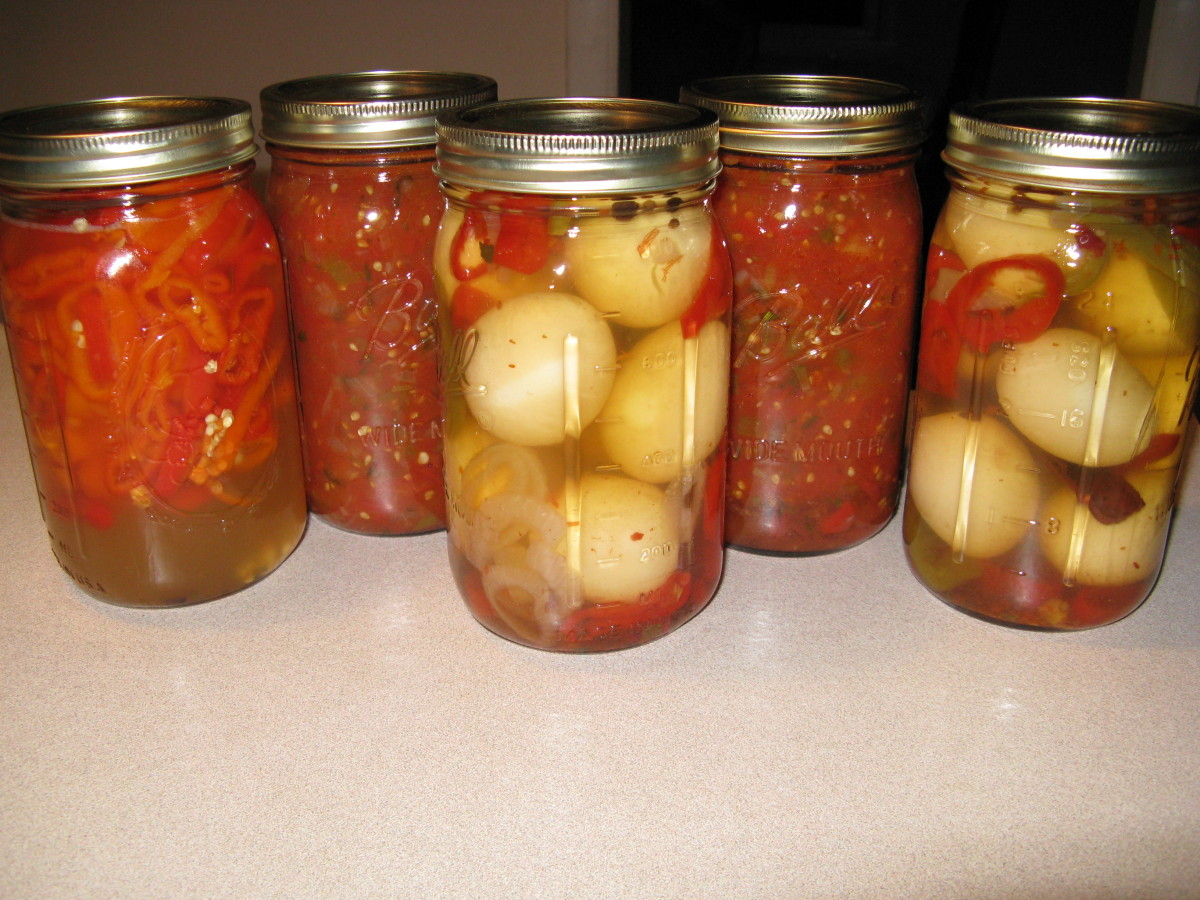
Spicy pickled eggs are a versatile dish that can be enjoyed in various ways. Their tangy and spicy flavor makes them an excellent appetizer or snack.
To enhance their visual appeal, pickled eggs can be garnished with fresh herbs like dill or parsley. They can also be sliced and arranged on a platter with other pickled vegetables, such as gherkins or onions.
As an Appetizer
Spicy pickled eggs are a great way to start a meal. They can be served on a platter with crackers, bread, or vegetables. The tangy flavor of the eggs will help to stimulate the appetite.
As a Snack
Pickled eggs are a convenient and portable snack. They can be packed in a lunch box or taken on a road trip. The spicy flavor will help to keep you energized throughout the day.
As a Condiment
Spicy pickled eggs can also be used as a condiment. They can be added to sandwiches, salads, or tacos. The tangy flavor of the eggs will add a bit of extra zip to your favorite dishes.
Health Benefits
Pickled eggs not only tantalize your taste buds but also offer potential health benefits. The process of pickling involves preserving eggs in a vinegar solution, which not only extends their shelf life but also enhances their nutritional value.
Improved Digestion
Vinegar, the primary ingredient in pickling, is known for its digestive properties. It contains acetic acid, which can help break down proteins and fats, aiding in digestion. The presence of probiotics, beneficial bacteria that thrive in vinegar, further contributes to digestive health.
Antioxidant Properties
Vinegar is rich in antioxidants, which help protect cells from damage caused by free radicals. Free radicals are unstable molecules that can contribute to aging and various diseases. The antioxidants in vinegar may help neutralize these harmful compounds, reducing oxidative stress and potentially lowering the risk of chronic conditions.
Safety Precautions
Pickling eggs is a great way to preserve them and add some extra flavor, but it's important to follow proper food safety guidelines to avoid contamination and ensure the safe storage of your pickled eggs.
Here are a few tips to help you keep your pickled eggs safe to eat:
Equipment
- Use clean, sanitized jars and lids.
- Wash your hands thoroughly before handling the eggs and pickling solution.
- Use fresh, high-quality eggs that have been refrigerated.
Storage
- Store your pickled eggs in the refrigerator for up to 3 months.
- Do not store pickled eggs at room temperature, as this can increase the risk of spoilage.
- Discard any pickled eggs that show signs of spoilage, such as mold, discoloration, or a sour smell.
Troubleshooting Common Issues

Pickling eggs can be a straightforward process, but occasional hiccups may arise. Here are some common issues and tips to resolve them:
Eggs Cracking
- Use older eggs:Fresh eggs have a weaker shell, making them more prone to cracking. Older eggs have a stronger shell, reducing the risk.
- Handle gently:Avoid rough handling of eggs before and during the pickling process.
- Prick the eggs:Using a sterilized needle, gently prick the bottom of each egg to release any air pockets that could cause cracking.
Cloudy Brine
- Use clear vinegar:Distilled white vinegar or apple cider vinegar should be clear. Avoid using cloudy or unfiltered vinegar.
- Filter the brine:If the brine becomes cloudy after adding the eggs, strain it through a cheesecloth-lined sieve to remove any impurities.
- Keep the eggs submerged:Ensure the eggs are completely submerged in the brine to prevent air exposure, which can cause cloudiness.
Illustrations and Visual Aids
Visual aids can greatly enhance the understanding and retention of the pickling process. The following table provides a visual representation of the different stages involved, with corresponding images for clarity.
For a change of pace from the spicy pickled egg recipe, why not try some sweet and fluffy no-bake recipes with marshmallow fluff? These treats are perfect for a quick and easy dessert or snack, and they're sure to satisfy your sweet tooth.
You can find plenty of delicious ideas at no-bake recipes with marshmallow fluff , including everything from marshmallow fluff dip to no-bake marshmallow fluff cookies. And when you're ready for something savory again, come back to the spicy pickled egg recipe for a satisfying contrast.
Additionally, an infographic has been designed to summarize the key steps and tips for making spicy pickled eggs. This infographic can serve as a quick reference guide for both beginners and experienced picklers alike.
Visual Representation of Pickling Stages
| Stage | Image |
|---|---|
| Fresh Eggs | [Image of fresh eggs in a carton] |
| Hard-Boiled Eggs | [Image of hard-boiled eggs in a pot] |
| Peeling Eggs | [Image of someone peeling a hard-boiled egg] |
| Pickling Liquid | [Image of a jar filled with pickling liquid] |
| Eggs in Pickling Liquid | [Image of hard-boiled eggs submerged in pickling liquid in a jar] |
| Sealed Jar | [Image of a sealed jar of pickled eggs] |
Infographic: Key Steps and Tips for Spicy Pickled Eggs
[Image of an infographic summarizing the key steps and tips for making spicy pickled eggs]
Recipe Card
Get ready to spice up your life with our easy-to-follow recipe card for spicy pickled eggs. This printable guide provides all the essential information you need to create a batch of tangy, flavorful eggs that will tantalize your taste buds.
With a concise list of ingredients, clear instructions, and serving suggestions, this recipe card will empower you to impress your friends and family with your culinary skills.
Ingredients
- 12 large hard-boiled eggs
- 1 cup white vinegar
- 1/2 cup water
- 1/4 cup granulated sugar
- 1/4 cup pickling salt
- 1 teaspoon red pepper flakes
- 1/2 teaspoon black peppercorns
- 1/2 teaspoon mustard seeds
Instructions
- Peel the hard-boiled eggs and place them in a clean glass jar.
- In a small saucepan, combine the vinegar, water, sugar, salt, red pepper flakes, black peppercorns, and mustard seeds. Bring to a boil over medium heat, stirring occasionally.
- Pour the hot brine over the eggs in the jar, making sure they are completely submerged.
- Cover the jar and let it cool to room temperature.
- Refrigerate the eggs for at least 24 hours before serving.
Serving Suggestions
- As a snack on their own
- On top of salads
- In sandwiches or wraps
- As a garnish for deviled eggs
Last Word
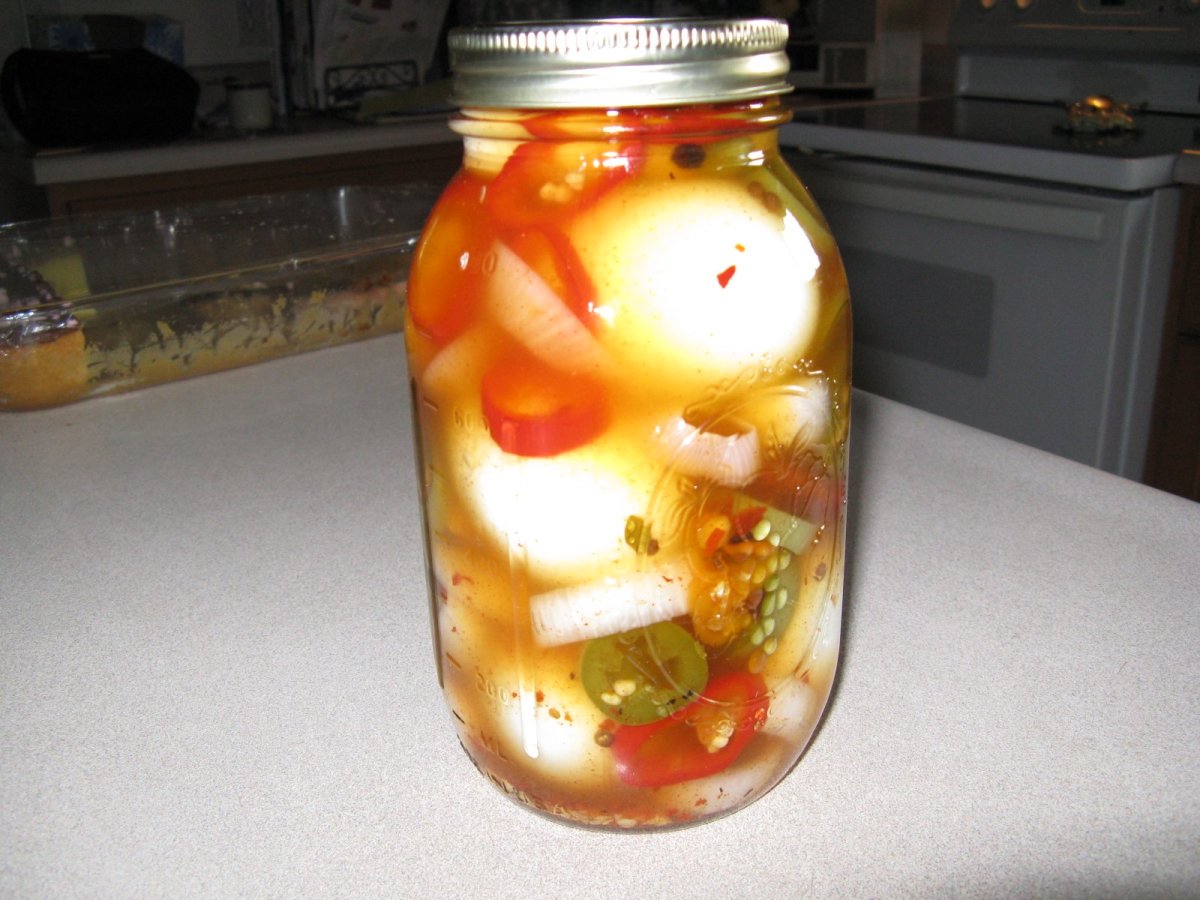
From their humble beginnings to their modern-day popularity, spicy pickled eggs continue to captivate our palates with their unique and flavorful charm. Whether you enjoy them as a quick snack, an appetizer to whet your appetite, or as a zesty addition to your favorite dishes, these pickled eggs are sure to leave a lasting impression.
So, gather your ingredients, prepare your jars, and let's embark on a culinary adventure that will ignite your taste buds and leave you craving for more!


