With sugar flowers for cakes at the forefront, let’s delve into the fascinating world of edible art. These intricate creations transform ordinary cakes into masterpieces, adding a touch of elegance and charm. Join us as we explore the techniques, materials, and inspirations behind these delicate sugar blooms.
From vibrant roses to delicate lilies, the possibilities with sugar flowers are endless. Whether you’re a seasoned cake decorator or a curious beginner, this guide will provide you with all the essential knowledge and inspiration to elevate your cake creations.
Types of Sugar Flowers
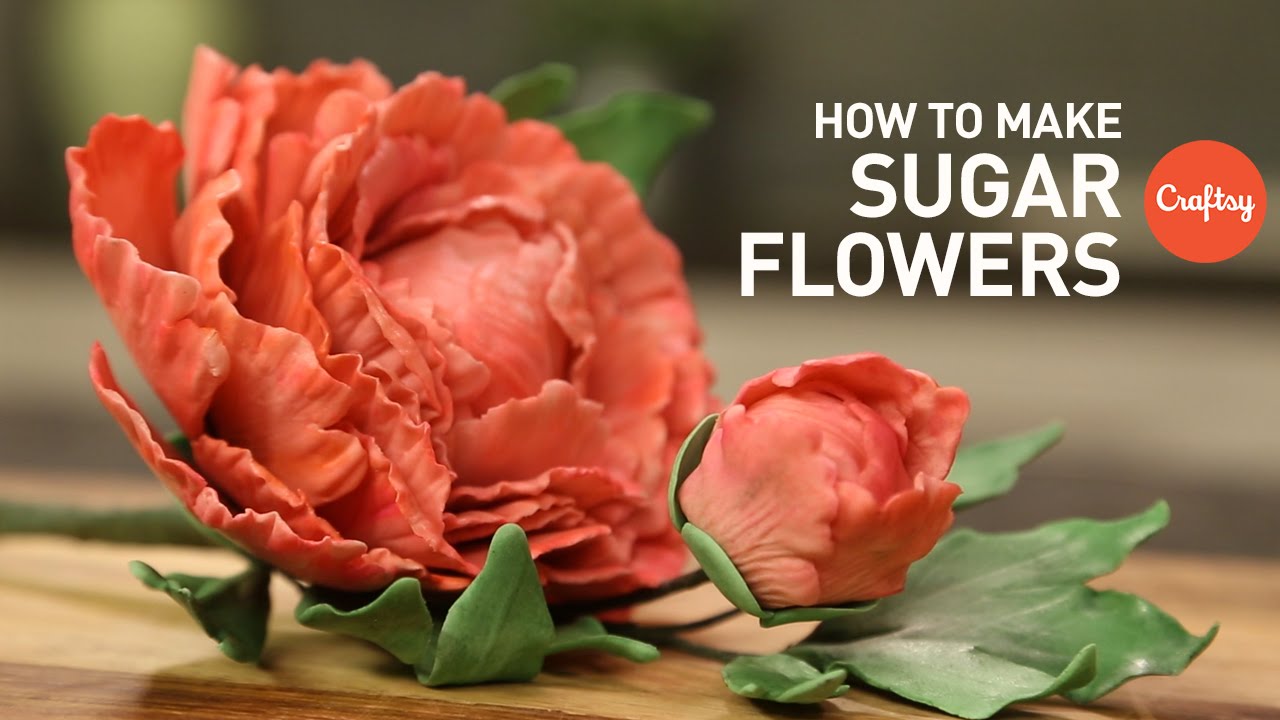
Sugar flowers are an exquisite addition to any cake, adding a touch of elegance and realism. They are meticulously crafted from sugar paste or fondant and can mimic the intricate details of real flowers.
There are various types of sugar flowers, each with its own unique characteristics and techniques:
Gum Paste Flowers
Gum paste flowers are known for their delicate and lifelike appearance. They are made from a mixture of sugar, water, and gum tragacanth, which gives them a flexible and elastic texture. Gum paste flowers are often used for small, intricate details, such as petals and stamens.
Fondant Flowers
Fondant flowers are made from a mixture of sugar, water, and gelatin. They are more durable than gum paste flowers and can be used for larger flowers or for creating realistic textures. Fondant flowers are often used for roses, lilies, and other large, showy blooms.
Isomalt Flowers
Isomalt flowers are made from a sugar substitute called isomalt. They are clear and transparent, making them ideal for creating realistic water droplets or sugar crystals. Isomalt flowers are often used as accents or to add a touch of sparkle to a cake.
Royal Icing Flowers
Royal icing flowers are made from a mixture of sugar, water, and egg whites. They are hard and durable, making them ideal for creating structural elements, such as leaves and stems. Royal icing flowers are often used for wedding cakes or other cakes that require a more formal look.
Materials for Making Sugar Flowers

Making sugar flowers requires specific materials to achieve the desired results. Each material plays a crucial role in the process, enabling you to create realistic and delicate sugar blooms.
Essential Materials
- Sugar Paste (Gum Paste): A pliable, edible dough made from sugar, water, and gelatin or gum tragacanth. It dries hard and is ideal for creating the petals and other intricate details of sugar flowers.
- Fondant: A smooth, pliable sugar paste made from sugar, water, and corn syrup. It is used for covering cakes and creating larger sugar flowers or elements.
- Flower Wire: Thin, flexible wire used to create the stems and support the sugar flowers. It comes in various gauges and colors to match the flower design.
- Floral Tape: A self-adhesive tape used to wrap the flower wire and create the stems. It provides a smooth, professional finish.
- Modeling Tools: A set of small, specialized tools used for shaping, sculpting, and adding details to sugar flowers. They include ball tools, veining tools, and frilling tools.
- Food Coloring: Liquid or paste food coloring used to add color to the sugar paste and create realistic flower hues.
- Water: Used to moisten the sugar paste and make it pliable. It also helps to create a smooth consistency for modeling.
- Dusting Powder: A fine powder, such as cornstarch or confectioners’ sugar, used to prevent the sugar paste from sticking to surfaces and to add a matte finish.
Techniques for Making Sugar Flowers
Creating sugar flowers involves several fundamental techniques. Each technique contributes to the realistic appearance and intricate details of these edible masterpieces.
Rolling and Shaping, Sugar flowers for cakes
Rolling and shaping are essential techniques for forming the petals, leaves, and other components of sugar flowers. Using a rolling pin, sugar paste is rolled out into thin sheets, which are then cut into desired shapes. Shaping involves molding and manipulating the sugar paste to create realistic contours and textures.
- Roll out the sugar paste on a lightly floured surface.
- Use cookie cutters or a sharp knife to cut out the desired shapes.
- Use your fingers or tools to shape the petals, leaves, or other components.
- Allow the shaped pieces to dry slightly before assembling.
Dusting and Coloring
Dusting and coloring add depth and realism to sugar flowers. Dusting with edible luster dust or powdered colors enhances the appearance of petals and leaves. Coloring can be achieved using food coloring gels or liquids, which are applied directly to the sugar paste.
- Use a soft brush to apply luster dust or powdered colors to the surface of the flower.
- Mix food coloring gels or liquids with sugar paste to create custom colors.
- Apply the colored sugar paste to the flower components and blend as desired.
Wiring and Assembling
Wiring and assembling are crucial for creating lifelike sugar flowers. Thin floral wire is used to provide support and structure to the petals and leaves. Assembling involves carefully attaching the components together to form the complete flower.
In this topic, you find that pumpkin olive oil cake is very useful.
- Insert floral wire into the base of each petal or leaf.
- Wrap floral tape around the wire to secure it.
- Arrange the petals and leaves on a flower head or stem.
- Secure the components together using edible glue or royal icing.
Coloration of Sugar Flowers

The art of coloring sugar flowers is crucial in achieving lifelike and captivating creations. Various methods and techniques are employed to impart vibrant hues and realistic tones to these delicate sugar sculptures.
Food Coloring
Food coloring, available in gel, liquid, or powder form, is the most common method for coloring sugar flowers. It allows for precise control over the intensity and shade of the color, enabling you to create a wide range of hues. Gel food coloring is preferred for its concentrated pigmentation and ease of blending.
Dusts and Powders
Dusts and powders, such as petal dust and luster dust, provide a subtle and shimmering effect when applied to sugar flowers. They can be brushed onto the surface of the flowers to enhance their natural color or create highlights and accents. Luster dust adds a metallic sheen, while petal dust offers a matte finish.
Airbrushing
Airbrushing is a technique that uses a specialized airbrush tool to spray diluted food coloring onto sugar flowers. This method allows for precise control over the amount and distribution of color, creating smooth transitions and gradients. Airbrushing is particularly effective for larger flowers or complex designs.
Tips for Realistic Colors
- Use reference photos of real flowers to guide your color choices.
- Experiment with different shades and intensities of food coloring to achieve realistic tones.
- Blend colors gradually to create natural transitions.
- Consider the lighting conditions where the sugar flowers will be displayed, as this can affect their perceived color.
- Practice regularly to develop your skills and confidence in coloring sugar flowers.
Preserving Sugar Flowers

Preserving sugar flowers is crucial to maintain their beauty and prevent spoilage. Proper storage and handling techniques ensure their longevity and aesthetic appeal.
Storage Tips
- Airtight Container: Store sugar flowers in an airtight container to prevent moisture absorption and air exposure, which can cause deterioration.
- Desiccant: Place a desiccant packet inside the container to absorb excess moisture and create a dry environment.
- Cool and Dry Place: Keep the container in a cool, dry place away from direct sunlight and heat sources, as these can damage the flowers.
- Avoid Freezing: Do not freeze sugar flowers, as this can alter their texture and cause cracking.
Handling Techniques
- Gentle Handling: Handle sugar flowers with care, using soft brushes or tweezers to avoid damage.
- Avoid Touching: Minimize direct contact with your hands, as oils from your skin can transfer to the flowers and affect their preservation.
- Keep Dry: Protect sugar flowers from water or moisture, as this can cause them to dissolve or become discolored.
Designing Sugar Flowers for Cakes

Designing sugar flowers for cakes is an art form that requires creativity, precision, and an eye for detail. By carefully arranging and composing sugar flowers, you can transform a simple cake into a stunning work of art. Here are some tips for designing and arranging sugar flowers on cakes:
Composition
When arranging sugar flowers on a cake, consider the overall composition and balance. Start by placing the focal point of your arrangement, which could be a large or elaborate flower or a cluster of smaller flowers. From there, work outwards, adding smaller flowers and greenery to create a sense of depth and interest. Experiment with different heights and angles to add visual interest.
Do not overlook explore the latest data about my little cake pop.
Color
The colors of your sugar flowers can play a significant role in the overall design of your cake. Choose colors that complement the cake’s frosting and other decorative elements. You can also use contrasting colors to create a striking effect. For example, a white cake with red sugar flowers can create a dramatic and elegant look.
Texture
In addition to color, consider the texture of your sugar flowers. Different types of flowers have different textures, so mix and match different types to create a more realistic and visually appealing arrangement. For example, you could use smooth-petaled roses with ruffled carnations and delicate baby’s breath.
Sugar Flower Decorations for Different Cake Styles
Sugar flowers add an elegant and sophisticated touch to cakes of all shapes and sizes. The choice of sugar flowers depends on the overall design and style of the cake. Here are some popular cake styles and suitable sugar flower decorations:
Classic Wedding Cakes
- Roses: A timeless choice for wedding cakes, roses represent love and romance.
- Peonies: With their large, ruffled petals, peonies add a touch of drama and elegance.
- Lilies: Lilies symbolize purity and innocence, making them perfect for wedding cakes.
Modern Cakes
- Succulents: Succulents are a popular trend in modern cakes, adding a touch of greenery and whimsy.
- Geometric Flowers: Geometric shapes are often used in modern cakes, and sugar flowers can be designed to match these shapes.
- Tropical Flowers: Tropical flowers bring a vibrant and exotic touch to modern cakes.
Rustic Cakes
- Wildflowers: Wildflowers add a touch of natural beauty to rustic cakes.
- Sunflowers: Sunflowers represent happiness and joy, making them a perfect choice for rustic cakes.
- Lavender: Lavender is a fragrant herb that adds a touch of rustic charm to cakes.
Advanced Sugar Flower Techniques

Mastering the art of sugar flowers requires dedication and practice. As you gain experience, you can explore advanced techniques to create intricate and realistic sugar flowers. These techniques allow you to capture the delicate details of nature, from the fine veins on petals to the subtle curves of stems.
Realistic Petals
Creating realistic petals involves understanding their natural structure and using techniques like thinning, doming, and veining. Thinning involves carefully rolling out sugar paste to create paper-thin petals that mimic the delicacy of real petals. Doming adds a natural curvature to the petals, while veining uses edible paints or powders to create the intricate network of veins found in nature.
Lifelike Leaves
Sugar leaves require attention to detail to capture their unique textures and shapes. Techniques like wirework and molding are used to create intricate veins and realistic curves. Wirework involves inserting thin wires into the leaves to provide support and shape, while molding uses molds or impressions to create realistic leaf textures.
Intricate Stems
Sugar stems add a touch of realism and support to your sugar flowers. Techniques like twisting, braiding, and wrapping are used to create stems that mimic the natural growth patterns of plants. Twisting involves intertwining strands of sugar paste to create a spiral effect, while braiding and wrapping involve manipulating the sugar paste to form intricate patterns.
Troubleshooting Sugar Flower Making
Sugar flower making is a delicate and intricate art form that requires precision and patience. However, even the most experienced sugar flower makers can encounter challenges. Here are some common problems and solutions to help you troubleshoot your sugar flower making process.
Cracking
Cracking can occur when the sugar paste is too dry or overworked. To prevent cracking, make sure the sugar paste is pliable and moist enough to work with. You can also try using a different type of sugar paste that is less prone to cracking.
Wilting
Wilting can occur when the sugar flowers are not properly dried or stored. To prevent wilting, make sure the sugar flowers are completely dry before storing them in an airtight container. You can also try using a desiccant to absorb any moisture that may cause the flowers to wilt.
Color Bleeding
Color bleeding can occur when the sugar flowers are not properly colored or sealed. To prevent color bleeding, make sure the sugar paste is evenly colored and that the flowers are sealed with a clear glaze or varnish.
Broken Petals
Broken petals can occur when the sugar flowers are not handled carefully. To prevent broken petals, handle the sugar flowers gently and avoid touching the petals directly.
Inspiration and Creativity: Sugar Flowers For Cakes

Sugar flowers offer boundless opportunities for creativity and self-expression. Immerse yourself in the world of sugar artistry by exploring a gallery of captivating designs. From intricate orchids to whimsical butterflies, let these masterpieces ignite your imagination. Experiment with different techniques, colors, and textures to create sugar flowers that are uniquely your own.
[detailed content here]