The sweet and hot jerky recipe embarks on a tantalizing expedition, unveiling a symphony of flavors that will ignite your taste buds and captivate your senses. From the tantalizing aroma to the exquisite textures, this culinary masterpiece promises an unforgettable gustatory experience.
As we delve into the secrets of this delectable treat, we’ll explore an array of marinades, dehydration techniques, and flavor combinations that will transform ordinary jerky into an extraordinary indulgence.
Marinade Options
When creating sweet and hot jerky, the marinade plays a crucial role in determining the final flavor and heat level. Here are several marinade options to consider:
Soy Sauce Marinade
- 1 cup soy sauce
- 1/2 cup brown sugar
- 1/4 cup honey
- 1/4 cup Sriracha
- 2 cloves garlic, minced
- 1 teaspoon black pepper
This marinade provides a balance of sweet and heat, with the Sriracha adding a noticeable but not overpowering kick.
Honey-Mustard Marinade
- 1 cup honey
- 1/2 cup Dijon mustard
- 1/4 cup soy sauce
- 1/4 cup Worcestershire sauce
- 1 tablespoon smoked paprika
- 1 teaspoon cayenne pepper
This marinade offers a unique blend of sweet and savory flavors, with a hint of heat from the cayenne pepper.
Teriyaki Marinade
- 1 cup teriyaki sauce
- 1/2 cup pineapple juice
- 1/4 cup brown sugar
- 2 cloves garlic, minced
- 1 teaspoon ginger powder
This marinade results in a sweet and slightly tangy jerky with a subtle heat from the ginger powder.
Dehydration Techniques
Dehydration is the process of removing moisture from the jerky, which prevents spoilage and extends its shelf life. There are several methods for dehydrating jerky, each with its own advantages and disadvantages.
Using a Dehydrator
A dehydrator is a dedicated appliance that circulates warm air around the food, removing moisture. Dehydrators are relatively inexpensive and easy to use, and they can produce evenly dehydrated jerky in a short amount of time.
Using an Oven
An oven can also be used to dehydrate jerky. Preheat the oven to the lowest setting (usually 140-150°F) and place the jerky on a wire rack set in a baking sheet. Leave the oven door slightly open to allow moisture to escape.
Dehydrating jerky in an oven takes longer than using a dehydrator, and it can be more difficult to achieve an even dehydration.
Using a Smoker
A smoker can be used to both cook and dehydrate jerky. Smoking adds flavor to the jerky and helps to preserve it. However, it is important to use a smoker that is designed for food dehydration, as some smokers can produce harmful fumes.
Tips for Dehydrating Jerky
- Start with lean meat. Fattier cuts of meat will take longer to dehydrate and may not dry evenly.
- Slice the meat against the grain into thin strips. This will help the jerky to dry evenly.
- Marinate the meat in your desired marinade for at least 12 hours. This will help to flavor the jerky and make it more tender.
- Pat the meat dry before dehydrating it. This will help to prevent the jerky from sticking to the dehydrator trays or oven racks.
- Dehydrate the jerky until it is dry and brittle. The jerky should not be so dry that it snaps when bent, but it should not be so moist that it feels wet.
Storage and Preservation
Ensuring the longevity and freshness of your sweet and hot jerky is crucial. By following proper storage and preservation techniques, you can extend its shelf life and maintain its delectable taste.
Sweet and hot jerky is a great snack for those on a slow carb diet. This recipe is easy to follow and results in a delicious, chewy jerky that is perfect for on-the-go snacking. If you’re looking for more low-carb recipes, be sure to check out our collection of slow carb diet recipes . We have a variety of options to choose from, so you’re sure to find something you’ll love.
And when you’re ready to make some sweet and hot jerky, come back to this recipe and give it a try!
Ideal storage conditions involve a cool, dry, and dark environment. Temperatures between 50°F (10°C) and 60°F (16°C) are optimal, while humidity levels should be kept below 60%. Avoid direct sunlight, as it can deteriorate the jerky’s quality.
Packaging Options
- Vacuum-Sealed Bags:These airtight bags remove oxygen, creating an ideal environment to inhibit bacterial growth and extend shelf life.
- Airtight Containers:Glass jars or plastic containers with tight-fitting lids prevent moisture and air from entering, preserving the jerky’s freshness.
- Resealable Bags:While not as effective as vacuum-sealed bags, resealable bags provide a convenient way to store smaller portions and prevent air exposure.
Shelf Life, Sweet and hot jerky recipe
The shelf life of sweet and hot jerky varies depending on the storage method and conditions. Generally, vacuum-sealed jerky can last up to 1 year, while jerky stored in airtight containers or resealable bags can last for several months.
Variations and Adaptations: Sweet And Hot Jerky Recipe
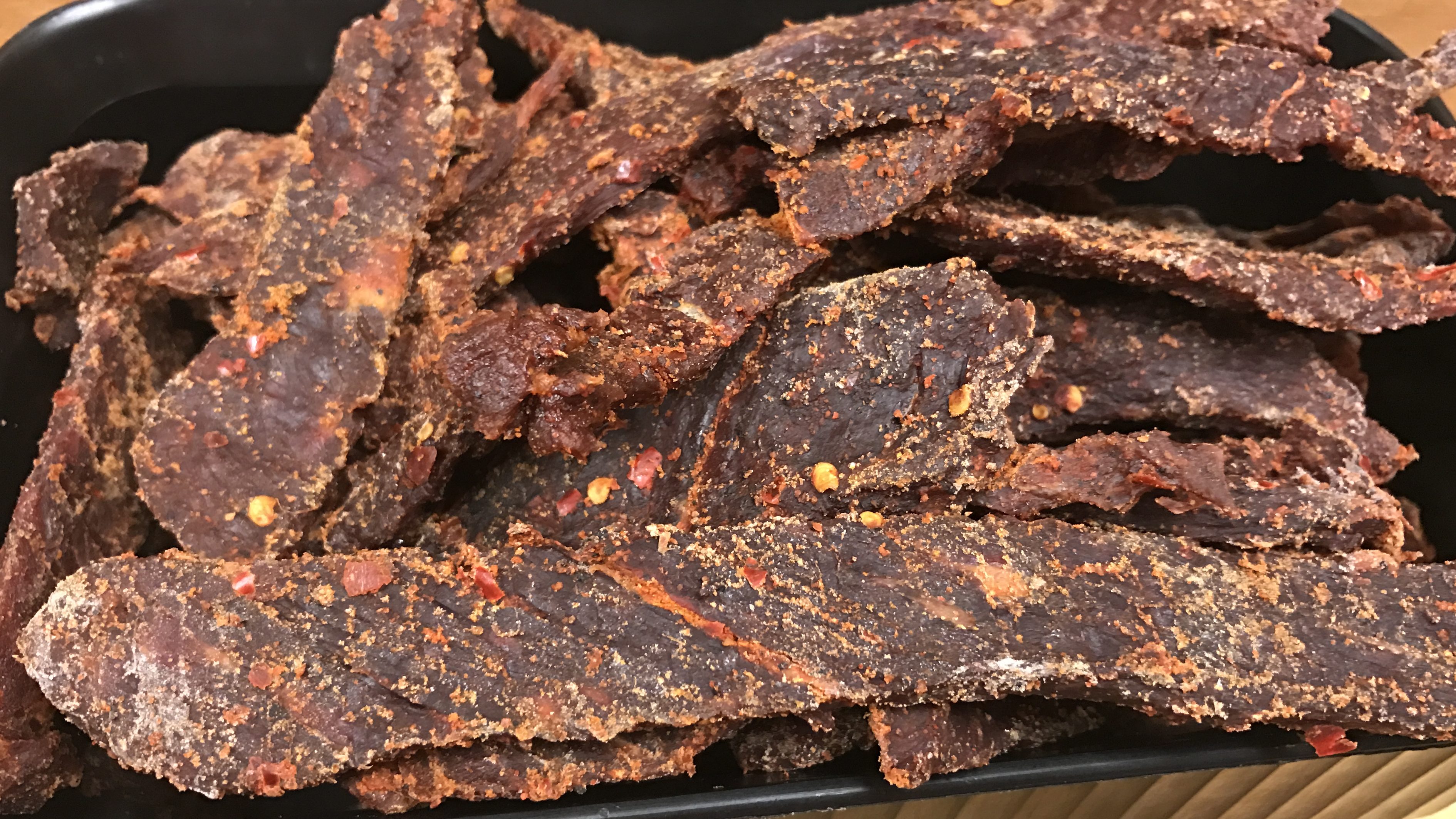
The basic sweet and hot jerky recipe can be easily adapted to suit your preferences. Here are some ideas for variations and adaptations:
Adjusting the Sweetness:
- For a sweeter jerky, increase the amount of brown sugar or honey in the marinade.
- For a less sweet jerky, reduce the amount of brown sugar or honey, or substitute it with a low-sugar alternative.
Adjusting the Heat Level:
- For a spicier jerky, add more cayenne pepper or red pepper flakes to the marinade.
- For a milder jerky, reduce the amount of cayenne pepper or red pepper flakes, or omit them altogether.
Adjusting the Texture:
- For a chewier jerky, marinate the meat for longer.
- For a more tender jerky, marinate the meat for a shorter period of time.
Culinary Inspiration

Sweet and hot jerky offers a tantalizing blend of flavors that can elevate various culinary creations. Its unique combination of sweet and spicy notes adds depth and complexity to dishes, while its chewy texture provides a satisfying contrast to softer ingredients.
Incorporating sweet and hot jerky into recipes can enhance the overall flavor profile and create a memorable dining experience. Here are some examples of dishes that showcase the versatility of this versatile ingredient:
Salads
- Jerky-Topped Salad:Sprinkle crumbled sweet and hot jerky over a bed of mixed greens, adding a burst of flavor and a crispy element to the salad.
- Jerky Caesar Salad:Incorporate chopped sweet and hot jerky into a classic Caesar salad, adding a spicy kick to the creamy dressing and croutons.
Soups and Stews
- Jerky-Spiced Chili:Enhance the flavor of a hearty chili by adding diced sweet and hot jerky, infusing the soup with a sweet and spicy depth.
- Jerky Chowder:Add crumbled sweet and hot jerky to a creamy chowder, providing a savory and slightly chewy contrast to the smooth broth.
Sandwiches and Wraps
- Jerky Panini:Create a flavorful panini by layering sliced sweet and hot jerky with melted cheese and grilled vegetables on crusty bread.
- Jerky Wrap:Fill a tortilla with shredded sweet and hot jerky, fresh vegetables, and a tangy dressing for a satisfying and portable meal.
Pizzas
- Jerky Pizza:Top a pizza with crumbled sweet and hot jerky, creating a spicy and savory variation on the classic dish.
- Jerky and Pepperoni Pizza:Combine sweet and hot jerky with pepperoni for a pizza that offers a balance of spicy and sweet flavors.
Outcome Summary
:max_bytes(150000):strip_icc()/454384-jerky-lovers-jerky-sweet-hot-and-spicy-Alberta-Rose-4x3-1-15dae42b64024ac2a7fdf24f54950ebf.jpg "Jerky beef sweet cherry recipe recipes flavor snack snacks fantastic has bite every delicious cravings satisfy meat")
Our sweet and hot jerky recipe concludes as a testament to the transformative power of culinary artistry. With each bite, we savor the harmonious balance of sweetness and heat, a testament to the meticulous care and craftsmanship that went into its creation.
Whether enjoyed as a standalone snack or incorporated into delectable dishes, this jerky recipe stands as a beacon of flavor and inspiration, inviting you to embark on your own culinary adventures.