Thin ribeye steak recipes are a culinary delight, offering a tantalizing fusion of flavors and textures. With their inherent juiciness and delectable marbling, these steaks are a favorite among steak enthusiasts. Dive into this comprehensive guide to master the art of cooking thin ribeye steaks, exploring various cooking methods, tantalizing seasonings, and delectable accompaniments.
From the art of grilling to the precision of sous vide, this guide will empower you to achieve perfectly cooked steaks every time. Discover the secrets of marinating techniques that enhance flavors and explore a symphony of sauces and condiments that complement the steak’s inherent richness.
Introduction to Thin Ribeye Steak
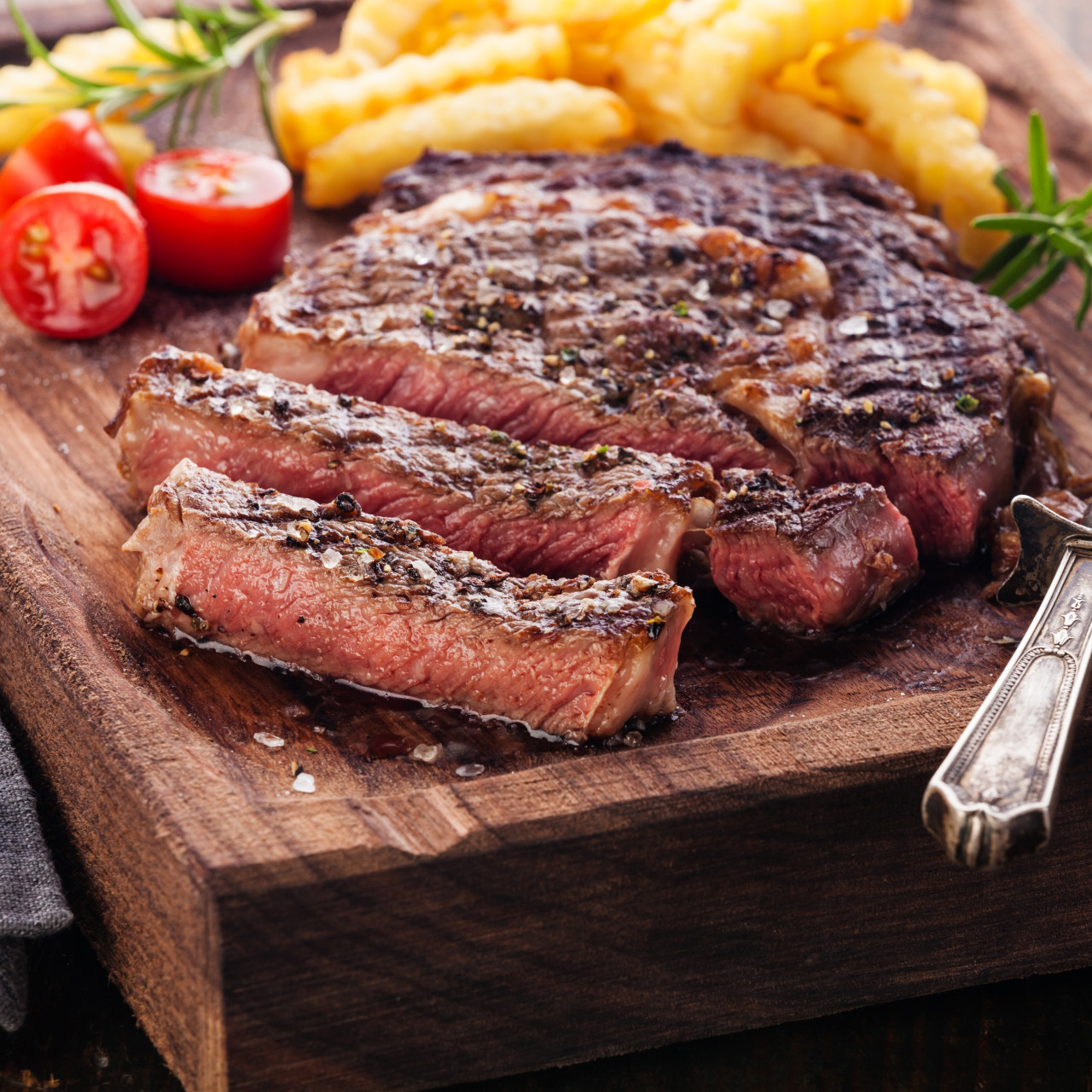
Thin ribeye steak is a highly prized cut of beef known for its exceptional flavor and tenderness. It is sliced thinly from the rib section of the cow, resulting in a steak that is both lean and juicy.
Thin ribeye steak boasts a rich and robust flavor profile, with a hint of smokiness and a subtle sweetness. It is well-marbled, providing a tender and succulent eating experience. Additionally, thin ribeye steak is a nutritious choice, offering a good source of protein, iron, and vitamins.
Nutritional Value and Health Benefits
Thin ribeye steak is a nutrient-rich food that provides several health benefits:
- High in protein:Thin ribeye steak is an excellent source of protein, which is essential for building and repairing tissues.
- Rich in iron:Thin ribeye steak is a good source of iron, which is necessary for carrying oxygen throughout the body.
- Good source of vitamins:Thin ribeye steak contains vitamins B12, B6, and niacin, which are important for energy production and nervous system function.
Cooking Methods for Thin Ribeye Steak
Thin ribeye steaks offer a quick and flavorful meal option. They can be cooked using various methods, each with its advantages and disadvantages. Here are the most popular cooking methods for thin ribeye steak:
Grilling
Grilling is a great way to cook thin ribeye steaks over high heat, resulting in a juicy and flavorful steak with beautiful grill marks. To grill thin ribeye steaks, preheat your grill to high heat. Season the steaks with salt and pepper, and place them on the grill grates.
Grill for 2-3 minutes per side, or until cooked to your desired doneness.
Pan-Frying
Pan-frying is another quick and easy method for cooking thin ribeye steaks. Heat a large skillet over medium-high heat. Add a little oil to the pan, and season the steaks with salt and pepper. Place the steaks in the pan and cook for 2-3 minutes per side, or until cooked to your desired doneness.
Sous Vide
Sous vide is a cooking method that involves vacuum-sealing the steak and cooking it in a temperature-controlled water bath. This method results in a very evenly cooked steak with a tender and juicy texture. To cook thin ribeye steaks sous vide, preheat your water bath to the desired temperature.
Season the steaks with salt and pepper, and vacuum-seal them in a plastic bag. Place the bag in the water bath and cook for the desired amount of time.
Seasoning and Marinating Techniques
Unleash the tantalizing flavors of thin ribeye steak by employing a symphony of seasonings and marinades. These culinary tools elevate the inherent richness of the meat, transforming it into a delectable masterpiece.
Seasoning and marinating are essential techniques that not only enhance the taste but also tenderize the steak. Seasonings applied directly to the surface infuse the meat with immediate flavor, while marinades penetrate deeper, allowing for more complex and nuanced flavors to develop.
Dry Rubs
- Classic Steak Seasoning:A harmonious blend of salt, black pepper, garlic powder, onion powder, and paprika.
- Tuscan Herb Rub:A fragrant combination of rosemary, thyme, sage, oregano, and basil.
- Cajun Spice Mix:A fiery blend of cayenne pepper, paprika, garlic powder, onion powder, and thyme.
Marinades, Thin ribeye steak recipes
Marinating thin ribeye steak for several hours or overnight allows the flavors to permeate the meat, resulting in exceptional tenderness and juiciness.
- Red Wine Marinade:A classic marinade that imparts a deep, rich flavor. Combine red wine, olive oil, garlic, rosemary, and thyme.
- Buttermilk Marinade:A tenderizing marinade that helps break down the muscle fibers. Whisk together buttermilk, lemon juice, salt, and pepper.
- Honey-Mustard Marinade:A sweet and tangy marinade that adds a touch of sweetness. Mix honey, Dijon mustard, olive oil, garlic, and thyme.
Application Techniques
Proper application of seasonings and marinades is crucial for optimal flavor absorption. For dry rubs, sprinkle the mixture evenly over the steak, patting it in gently to ensure adherence. For marinades, submerge the steak completely in the marinade, ensuring all surfaces are covered.
Refrigerate for at least 2 hours, or up to overnight.
Accompanying Sauces and Condiments
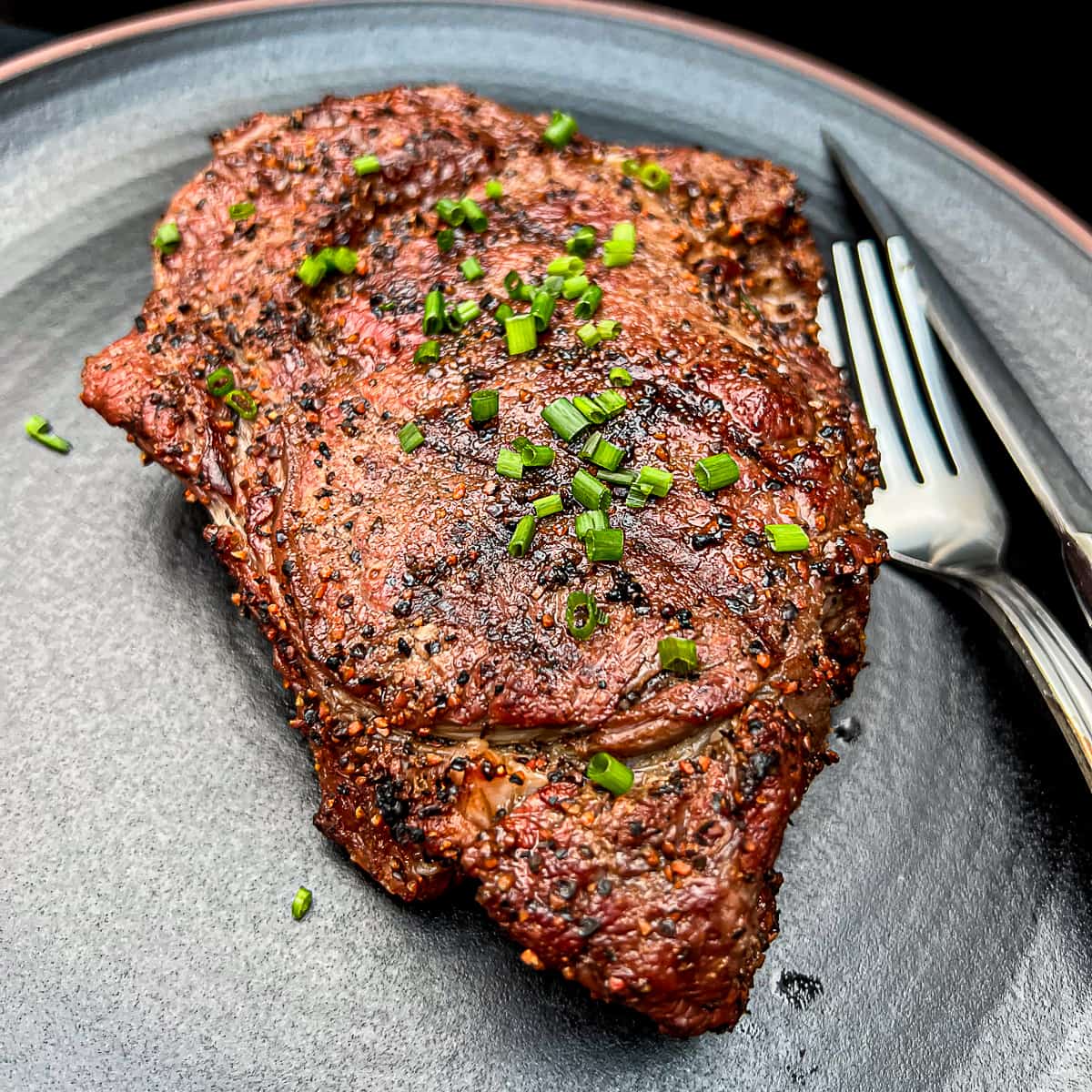
Thin ribeye steaks are versatile cuts that pair well with a variety of sauces and condiments. These additions can enhance the steak’s flavor, add moisture, and balance its richness.
Chimichurri
Chimichurri is a vibrant green sauce made with fresh herbs, garlic, and olive oil. It originated in Argentina and Uruguay and is commonly served with grilled meats. To prepare chimichurri, finely chop parsley, cilantro, oregano, garlic, and red onion. Combine the herbs with olive oil, red wine vinegar, salt, and pepper.
Thin ribeye steak recipes are perfect for a quick and easy weeknight meal. If you’re looking for something a little different, try pairing your steak with a mexican candy recipe shot . The sweet and spicy flavors of the candy will complement the savory flavor of the steak perfectly.
To make your own mexican candy recipe shot, simply combine your favorite mexican candy with some tequila and lime juice. Rim a glass with chili powder and salt, then fill it with ice and your mexican candy recipe shot. Enjoy!
Let the sauce marinate for at least 30 minutes before serving.
Béarnaise
Béarnaise is a classic French sauce that is rich and creamy. It is made with egg yolks, white wine vinegar, shallots, tarragon, and butter. To prepare béarnaise, whisk the egg yolks and vinegar in a heatproof bowl over a double boiler.
Slowly whisk in the melted butter until the sauce thickens. Stir in the shallots, tarragon, and salt and pepper to taste.
Horseradish Sauce
Horseradish sauce is a pungent and flavorful condiment that adds a kick to grilled meats. It is made with grated horseradish root, mayonnaise, sour cream, and lemon juice. To prepare horseradish sauce, combine the grated horseradish root, mayonnaise, sour cream, and lemon juice in a bowl.
Mix well and season with salt and pepper to taste.
Side Dish Pairings
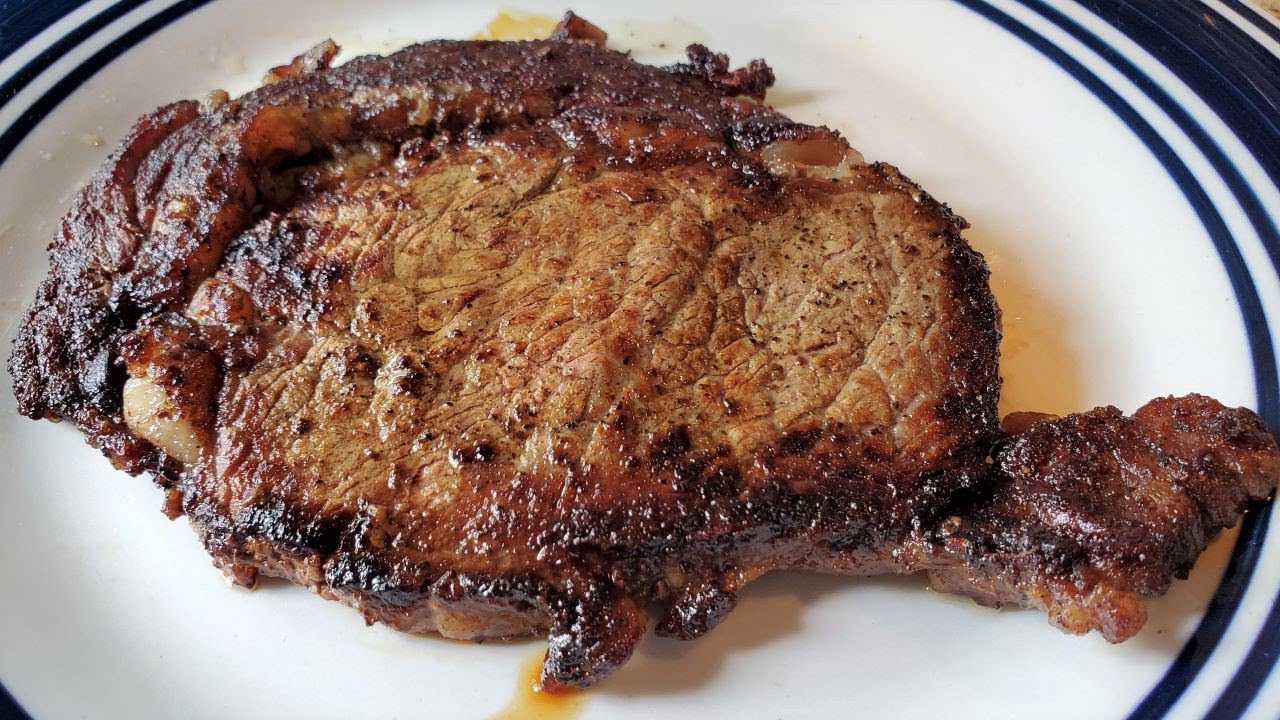
When choosing side dishes for thin ribeye steak, consider flavors, textures, and nutritional balance. Here are some suggestions:
Vegetables: Roasted vegetables such as asparagus, broccoli, or bell peppers provide a healthy and colorful accompaniment. Grill them with olive oil, salt, and pepper for a simple yet flavorful side.
Mashed Potatoes
Creamy mashed potatoes are a classic pairing for steak. They provide a soft and starchy contrast to the meat’s savory richness.
Recipe: Boil potatoes until tender, then mash with butter, milk, and seasonings such as garlic, parsley, or chives.
Grilled Corn on the Cob
Grilled corn on the cob is a sweet and smoky side that complements the steak’s bold flavors.
Recipe: Husk the corn, then brush with melted butter and sprinkle with salt and pepper. Grill over medium heat until charred and tender.
Sautéed Mushrooms
Sautéed mushrooms add an earthy and umami flavor to the meal. They can be cooked with garlic, herbs, and a touch of white wine.
Recipe: Slice mushrooms and sauté in butter with garlic, thyme, and white wine until browned and tender.
Grilled Pineapple
Grilled pineapple offers a sweet and tangy contrast to the steak. It can be brushed with a honey-lime glaze for added flavor.
Recipe: Cut pineapple into slices, then grill until caramelized. Brush with a mixture of honey, lime juice, and chili flakes.
Presentation and Garnishing Ideas
The presentation of a thin ribeye steak can elevate the dining experience and make it visually appealing. By carefully slicing, arranging, and garnishing the steak, you can create a mouthwatering dish that tantalizes the eyes as well as the taste buds.
Slicing Techniques
The way you slice the steak can significantly impact its presentation. For a classic look, slice the steak against the grain into thin, even strips. This will create tender and flavorful pieces that melt in your mouth.
Arranging Techniques
Once sliced, arrange the steak on a plate in a visually appealing manner. Consider creating a fan shape or overlapping the slices for a more elegant presentation. You can also use skewers to hold the slices upright, adding height and dimension to the dish.
Garnishing Ideas
Garnishes not only enhance the visual appeal of the steak but also add flavor and texture. Fresh herbs such as parsley, rosemary, or thyme can be used to add a touch of greenery and freshness. Grilled vegetables like asparagus, mushrooms, or onions can provide a colorful and flavorful accompaniment.
You can also use lemon wedges, capers, or a drizzle of olive oil to add a finishing touch.
Health Considerations and Nutritional Information
Thin ribeye steak is a rich source of essential nutrients, including protein, healthy fats, and vitamins. A 3-ounce serving of cooked thin ribeye steak provides approximately:* 26 grams of high-quality protein, which is essential for building and repairing tissues.
- 15 grams of fat, including 5 grams of saturated fat. Saturated fat intake should be limited, so consume thin ribeye steak in moderation.
- 2 milligrams of iron, which is crucial for red blood cell production.
- 3 micrograms of vitamin B12, which is vital for nerve function and red blood cell formation.
Healthy Cooking Practices
To maximize the nutritional benefits of thin ribeye steak while minimizing potential risks, consider the following cooking practices:*
-*Choose lean cuts
Opt for thin ribeye steaks with minimal visible fat to reduce saturated fat intake.
-
-*Trim excess fat
Remove any excess fat from the steak before cooking to further reduce fat content.
-*Grill or roast
These cooking methods allow excess fat to drip away, resulting in a healthier dish.
-*Limit processed meats
Consuming large amounts of processed meats, including thin ribeye steak, has been linked to an increased risk of certain health conditions. Aim to consume thin ribeye steak in moderation as part of a balanced diet.
Portion Size
Recommended portion sizes for thin ribeye steak vary depending on individual needs and dietary goals. A general guideline is to consume around 3-4 ounces of cooked steak per serving. This amount provides a significant amount of protein and nutrients without exceeding recommended fat intake.By
following these healthy cooking practices and consuming thin ribeye steak in moderation, you can enjoy the nutritional benefits of this delicious cut of meat while maintaining a healthy lifestyle.
Comparison to Other Steak Cuts
Thin ribeye steak stands out among other popular steak cuts due to its unique characteristics. Let’s compare it to New York strip, sirloin, and filet mignon to highlight their similarities and differences.
Texture
- Thin ribeye steak has a tender and juicy texture thanks to its marbling and fat content.
- New York strip is known for its firm yet juicy texture, with a slight chewiness.
- Sirloin has a leaner texture with less marbling, resulting in a firmer bite.
- Filet mignon is renowned for its extreme tenderness and buttery texture.
Flavor
- Thin ribeye steak offers a rich and beefy flavor with a hint of sweetness from the marbling.
- New York strip has a bold and robust flavor with a hint of pepperiness.
- Sirloin has a leaner flavor with less marbling, resulting in a milder taste.
- Filet mignon has a delicate and subtle flavor due to its lack of marbling.
Cooking Methods
- Thin ribeye steak can be cooked quickly over high heat, such as grilling or pan-searing.
- New York strip can be cooked over high heat, but it also benefits from slower cooking methods like roasting.
- Sirloin is best cooked over high heat to preserve its leanness.
- Filet mignon should be cooked over low heat to maintain its tenderness.
Tips for Choosing and Storing Thin Ribeye Steak
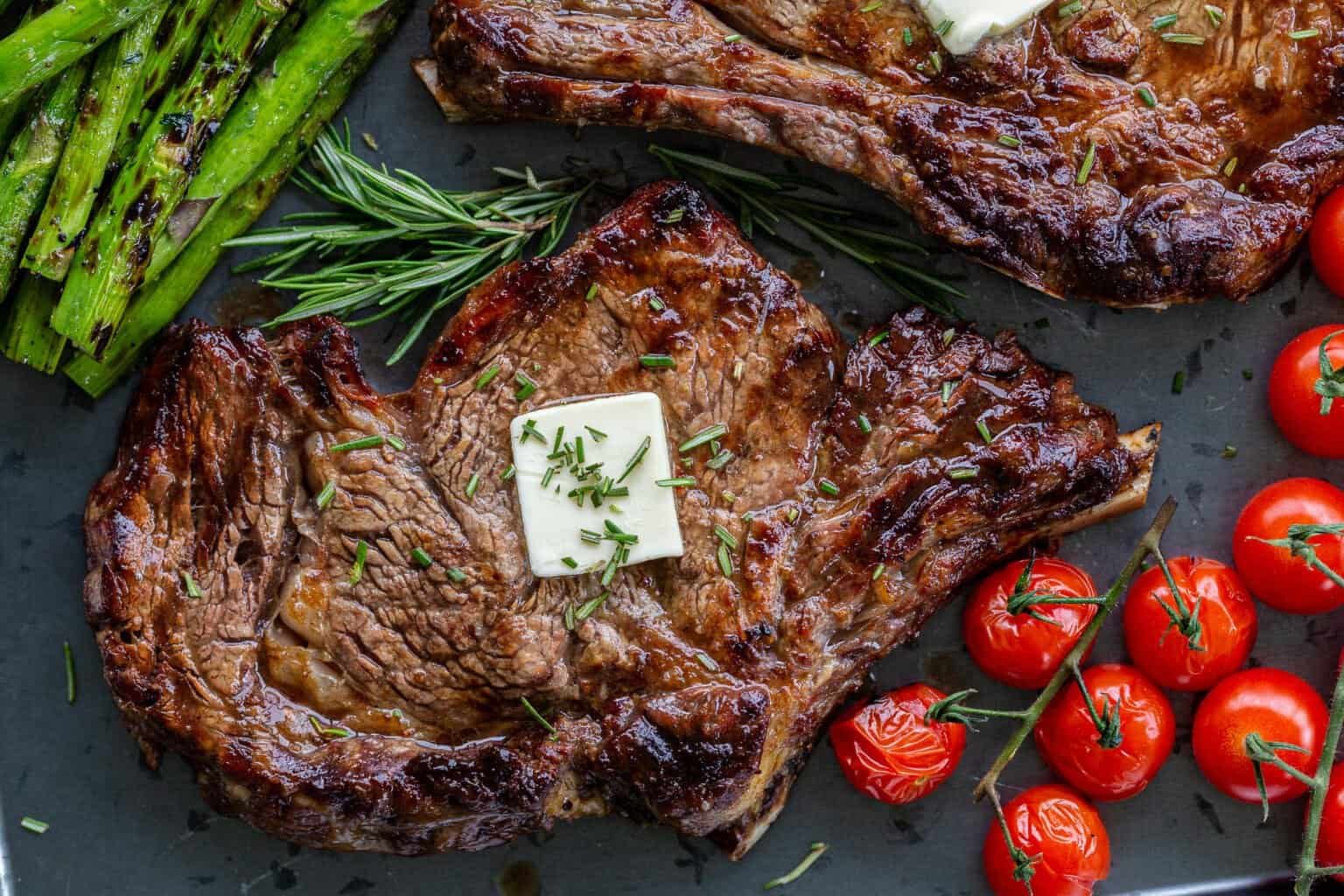
Choosing and storing thin ribeye steak requires attention to ensure its quality and freshness. Here are some guidelines to follow:
Selecting High-Quality Thin Ribeye Steak
- Marbling:Look for steak with ample marbling throughout, indicating good fat distribution and flavor.
- Aging:Aged steaks have a more tender and flavorful texture. Consider dry-aged or wet-aged options.
- Sourcing:Choose steak from reputable butchers or farms known for high-quality beef.
Proper Storage Techniques
- Refrigeration:Store uncooked steak in the refrigerator for up to 3 days. Wrap it tightly in plastic wrap or butcher paper.
- Freezing:For longer storage, freeze the steak for up to 6 months. Wrap it securely in freezer-safe packaging.
- Thawing:Thaw frozen steak in the refrigerator overnight or under cold running water for a few hours before cooking.
Outcome Summary: Thin Ribeye Steak Recipes
Thin ribeye steak recipes are a culinary canvas, inviting experimentation and creativity. Whether you prefer the smoky notes of grilling or the tender embrace of sous vide, the possibilities are endless. Embrace the joy of cooking thin ribeye steaks, and savor every bite of this culinary masterpiece.
