Embark on a culinary adventure with vegetarian middle eastern food recipes, a vibrant and diverse cuisine that tantalizes taste buds with its aromatic spices, fresh herbs, and wholesome ingredients. From delectable appetizers to hearty main courses, discover the richness and versatility of plant-based Middle Eastern cooking.
Vegetarian Middle Eastern dishes offer a myriad of health benefits, providing essential vitamins, minerals, and antioxidants that contribute to a balanced and nutritious diet. Learn how to adapt traditional Middle Eastern recipes for vegetarian lifestyles, maintaining the authentic flavors while incorporating plant-based alternatives.
Popular Vegetarian Middle Eastern Recipes
Middle Eastern cuisine offers a diverse range of vegetarian dishes that are both flavorful and nutritious. Here’s a list of some of the most popular vegetarian Middle Eastern recipes:
Falafel, Vegetarian middle eastern food recipes
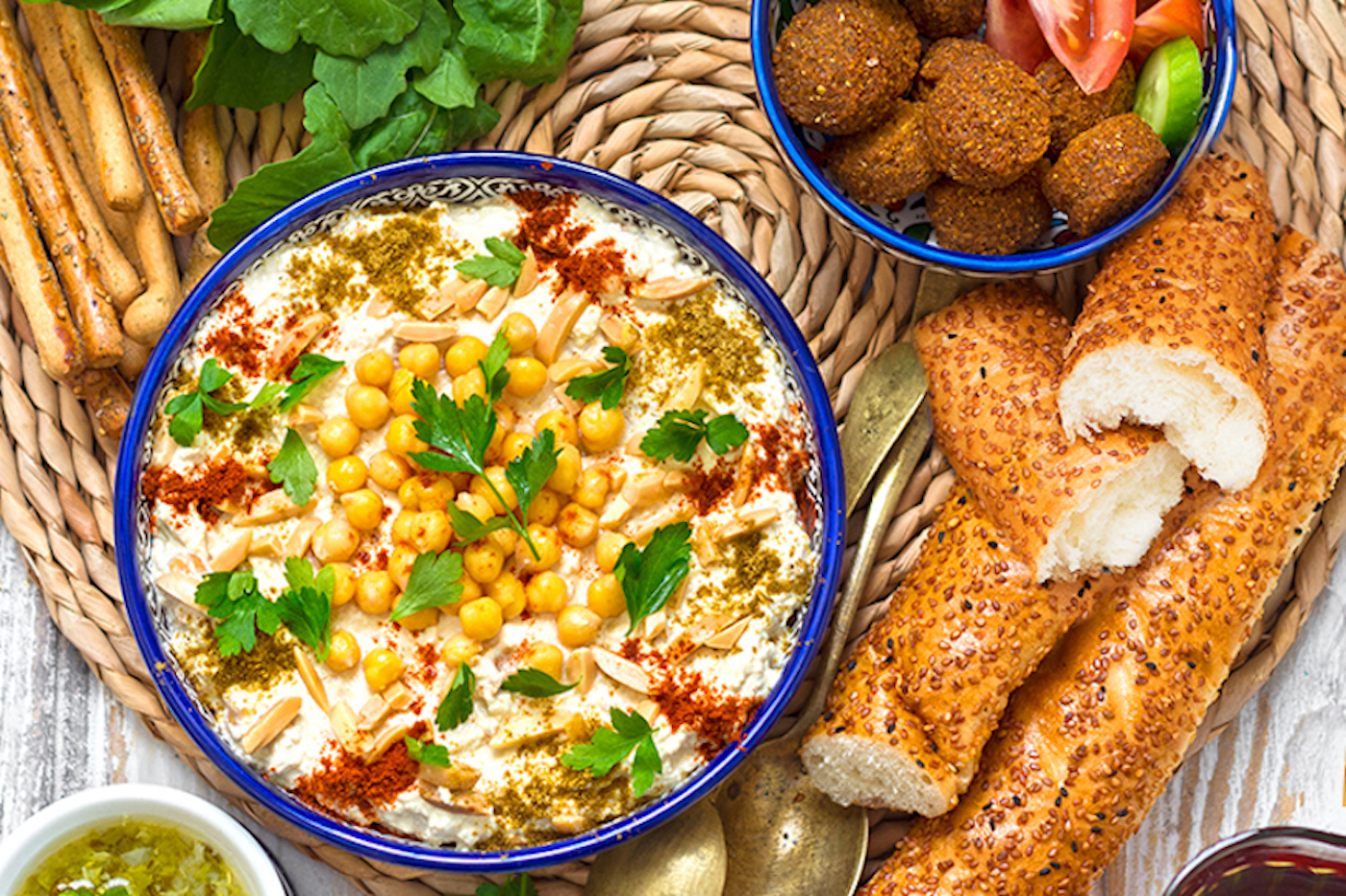
- Falafel are deep-fried balls made from chickpeas or fava beans that are seasoned with herbs and spices.
- They are often served in pita bread with hummus, tahini, and vegetables.
Hummus
- Hummus is a dip or spread made from chickpeas, tahini, lemon juice, and garlic.
- It is a versatile dish that can be served with pita bread, vegetables, or as a topping for salads and sandwiches.
Baba Ganoush
- Baba ganoush is a dip or spread made from roasted eggplant, tahini, lemon juice, and garlic.
- It has a smoky and earthy flavor and is often served with pita bread or vegetables.
Tabbouleh
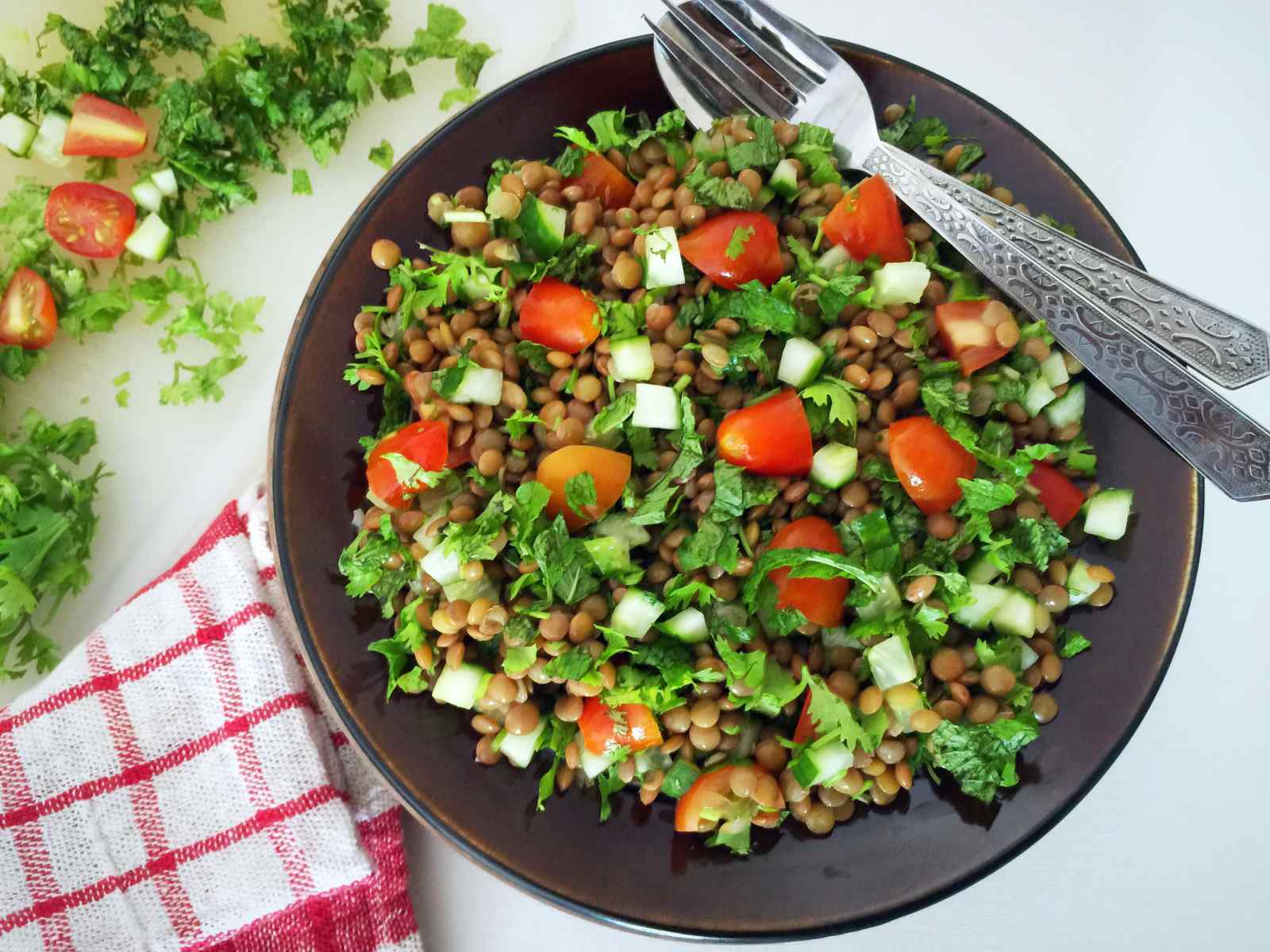
- Tabbouleh is a salad made from bulgur, tomatoes, cucumbers, onions, parsley, and mint.
- It is a refreshing and flavorful salad that is often served as a side dish or appetizer.
Fattoush
- Fattoush is a salad made from mixed greens, tomatoes, cucumbers, onions, radishes, and toasted pita bread.
- It is dressed with a lemony vinaigrette and is a refreshing and flavorful salad that is often served as a side dish or appetizer.
Muhammara
- Muhammara is a dip or spread made from roasted red peppers, walnuts, breadcrumbs, and pomegranate molasses.
- It has a sweet and spicy flavor and is often served with pita bread or vegetables.
Lentil Soup
- Lentil soup is a hearty and flavorful soup made from lentils, vegetables, and spices.
- It is a popular dish in many Middle Eastern countries and is often served as a main course or side dish.
Vegetable Tagine
- Vegetable tagine is a slow-cooked stew made from vegetables, spices, and herbs.
- It is often cooked in a tagine pot and is a flavorful and hearty dish that is perfect for a cold night.
Kibbeh
- Kibbeh is a dish made from bulgur, ground meat, and spices.
- It can be shaped into balls, patties, or loaves and is often served with yogurt sauce or tahini.
Maqluba
- Maqluba is a dish made from rice, vegetables, and meat.
- It is cooked in a pot and then inverted onto a plate, revealing a colorful and flavorful dish.
Dietary Benefits of Vegetarian Middle Eastern Cuisine: Vegetarian Middle Eastern Food Recipes
Vegetarian Middle Eastern cuisine offers an abundance of nutritional benefits. These dishes are rich in vitamins, minerals, and antioxidants, making them an excellent choice for a healthy and balanced diet.
For those seeking a diverse culinary experience, vegetarian Middle Eastern food recipes offer a delectable array of flavors and textures. However, if you desire a change of pace, consider exploring the tantalizing world of thin cut ribeye recipe . Savor the juicy, tender meat cooked to perfection, then return to the vibrant world of vegetarian Middle Eastern cuisine, where aromatic spices and fresh vegetables create a symphony of taste.
Middle Eastern vegetarian dishes are typically plant-based, featuring a variety of fresh fruits, vegetables, legumes, and whole grains. This combination of ingredients provides a wide range of essential nutrients, including:
Fiber
- Vegetarian Middle Eastern dishes are a good source of dietary fiber, which is important for digestive health, weight management, and blood sugar control.
Vitamins and Minerals
- These dishes are rich in vitamins A, C, and E, as well as minerals such as iron, calcium, and potassium.
- Vitamin A is essential for vision, immune function, and skin health.
- Vitamin C is a powerful antioxidant that helps protect cells from damage.
- Vitamin E is another important antioxidant that helps protect cells from damage.
- Iron is essential for red blood cell production.
- Calcium is essential for bone health.
- Potassium is important for blood pressure control.
Antioxidants
- Vegetarian Middle Eastern dishes are also a good source of antioxidants, which help protect cells from damage caused by free radicals.
- Antioxidants are found in fruits, vegetables, and whole grains.
Adapting Middle Eastern Recipes for Vegetarian Diets
Adapting traditional Middle Eastern recipes to make them vegetarian is a great way to enjoy the delicious flavors of this cuisine while adhering to a plant-based diet. Here are some tips and suggestions to help you get started:
Substitute meat with plant-based alternatives. There are many plant-based meat alternatives available in the market, such as tofu, tempeh, seitan, and lentils. These alternatives can be used to replace ground meat, chicken, or lamb in many Middle Eastern dishes.
Vegetarian Middle Eastern food recipes offer a delightful array of flavors and textures. From hearty lentil soups to aromatic vegetable stews, these dishes are a testament to the region’s rich culinary heritage. If you’re looking for a sweet treat to complement your meal, consider exploring the mustang grape jelly recipe . This homemade delicacy, made from wild mustang grapes, adds a unique and tangy touch to your vegetarian Middle Eastern dishes, creating a harmonious balance of flavors.
Use dairy-free alternatives. Dairy products can be easily substituted with plant-based alternatives such as almond milk, soy milk, or coconut milk. These alternatives can be used in soups, stews, and sauces.
Maintain authentic flavors. The key to maintaining the authentic flavors of Middle Eastern cuisine while making it vegetarian is to use the right spices and herbs. Common Middle Eastern spices include cumin, coriander, paprika, turmeric, and cinnamon. These spices can be used to add depth of flavor to vegetarian dishes.
Creating a Vegetarian Middle Eastern Menu
Creating a vegetarian Middle Eastern menu can be a delightful culinary experience. With its vibrant flavors, aromatic spices, and fresh ingredients, Middle Eastern cuisine offers a wide range of options for vegetarians. Whether you’re planning a casual gathering or a special occasion, here’s a guide to help you create a balanced and flavorful vegetarian Middle Eastern menu.
Appetizers
Start your meal with a selection of tempting appetizers. Consider offering:
- Hummus: A classic Middle Eastern dip made from chickpeas, tahini, and olive oil, perfect for dipping pita bread or vegetables.
- Baba ghanoush: A smoky and flavorful dip made from roasted eggplant, tahini, and spices.
- Falafel: Crispy balls made from chickpeas, herbs, and spices, often served with tahini sauce.
- Dolmas: Stuffed grape leaves filled with rice, herbs, and spices.
Ending Remarks
Whether you’re hosting a special occasion or simply seeking inspiration for everyday meals, this guide to vegetarian Middle Eastern recipes empowers you to create a flavorful and satisfying menu. Explore the diverse options for appetizers, main courses, sides, and desserts, and discover the art of pairing dishes to create a harmonious dining experience.
Vegetarian Middle Eastern food recipes are a delicious and healthy way to enjoy the flavors of the region. From fragrant rice dishes to hearty stews, there are many options to choose from. If you’re looking for a refreshing dessert, try a key lime pie weight watchers recipe . With its tangy filling and graham cracker crust, it’s a perfect way to end a meal.
Afterwards, return to exploring the diverse world of vegetarian Middle Eastern food recipes, which offer a wide range of culinary delights.
Vegetarian Middle Eastern food recipes are a treasure trove of flavorful and nutritious dishes. From savory falafel to fragrant rice pilaf, these culinary creations offer a vibrant and satisfying experience. For those who enjoy the convenience of bread machines, exploring jam in bread machine recipes can provide a sweet complement to your vegetarian Middle Eastern meals.
The aroma of freshly baked bread filled with fruity goodness will tantalize your senses and create a harmonious blend of flavors.