Embark on a culinary adventure with our wild grape jelly recipe, a delightful spread that captures the essence of nature's bounty. This homemade delicacy, bursting with the sweet and tart flavors of wild grapes, will elevate your breakfast toast, sandwiches, and desserts to new heights.
With its vibrant color and tantalizing aroma, our wild grape jelly recipe is not only a culinary delight but also a testament to the wonders of foraging. Join us as we explore the simple yet rewarding process of crafting this delectable treat from scratch.
Ingredients and Proportions
Creating delectable wild grape jelly necessitates the utilization of carefully chosen ingredients, each contributing its unique essence to the final product. The following list provides a comprehensive overview of the essential components and their recommended proportions:
Fresh, Ripe Wild Grapes:
- Wild grapes, bursting with their natural sweetness and vibrant flavors, form the cornerstone of this recipe. Their abundance of natural pectin, a gelling agent, is crucial for achieving the desired consistency of the jelly.
- The ripeness of the grapes is paramount, as it directly influences the intensity of flavor and the amount of pectin available. Fully ripe grapes yield the most flavorful and pectin-rich jelly.
Sugar:
- Sugar plays a dual role in jelly-making: it provides sweetness and acts as a preservative. The amount of sugar used will determine the sweetness level of the jelly.
- For a balanced sweetness, a ratio of 1:1 (equal parts sugar to grape juice) is recommended. However, this ratio can be adjusted to suit personal preferences.
Lemon Juice:
- Lemon juice serves two purposes: it adds a subtle tang to the jelly and helps to preserve its vibrant color. The acidity of lemon juice prevents the jelly from becoming overly sweet.
- A small amount of lemon juice, approximately 1 tablespoon per 4 cups of grape juice, is sufficient to achieve the desired balance of flavors.
Pectin (Optional):
- While wild grapes naturally contain pectin, adding additional pectin can enhance the jelly's consistency, especially if the grapes are not fully ripe or if a firmer set is desired.
- Commercial pectin is available in powder or liquid form and should be used according to the manufacturer's instructions.
Preparation Methods: Wild Grape Jelly Recipe

Preparing wild grape jelly involves several steps, including cleaning and destemming the grapes, extracting the juice, and cooking it with sugar. Each step is crucial to ensure the jelly's flavor, texture, and safety.
Wild grape jelly, a sweet and tangy spread, is a versatile condiment that pairs well with various dishes. For a savory twist, try incorporating it into a dorito taco pie recipe . The jelly adds a hint of sweetness and a touch of acidity that complements the spicy and cheesy flavors of the pie.
Once you've savored the bold flavors of the dorito taco pie, return to the sweet indulgence of wild grape jelly, spreading it generously on toast or crackers for a delightful snack.
Cleaning and Destemming the Grapes
Begin by thoroughly cleaning the grapes to remove any dirt or debris. Rinse them under running water and gently remove any stems using a pair of scissors or a destemmer. Destemming helps prevent the jelly from becoming bitter and ensures a smoother texture.
The wild grape jelly recipe is a delicious and easy way to preserve the flavors of summer. The tartness of the grapes is balanced by the sweetness of the sugar, creating a jelly that is both flavorful and versatile. If you're looking for a refreshing cocktail to enjoy alongside your wild grape jelly, we recommend trying a lemon drop martini with limoncello . The combination of sweet and sour flavors will perfectly complement the wild grape jelly.
Once you've enjoyed your cocktail, be sure to come back to the wild grape jelly recipe for more delicious ideas.
Extracting the Juice
To extract the juice, crush the grapes using a potato masher or a food mill. Alternatively, you can use a juicer for a more efficient method. Strain the crushed grapes through a cheesecloth or a fine-mesh sieve to separate the juice from the skins and seeds.
For a tangy twist to your ritz cracker meatloaf recipe , consider adding a dollop of homemade wild grape jelly. Its sweet and slightly tart flavor will complement the savory meatloaf perfectly. You can find a simple wild grape jelly recipe online, or try experimenting with different fruit combinations to create your own unique concoction.
Cooking the Juice with Sugar
In a large pot, combine the grape juice with sugar. The amount of sugar you add will depend on the desired sweetness and consistency of the jelly. Bring the mixture to a rolling boil, stirring constantly to prevent burning. Continue boiling until the jelly reaches the desired consistency, typically around 10-15 minutes.
Canning and Storage
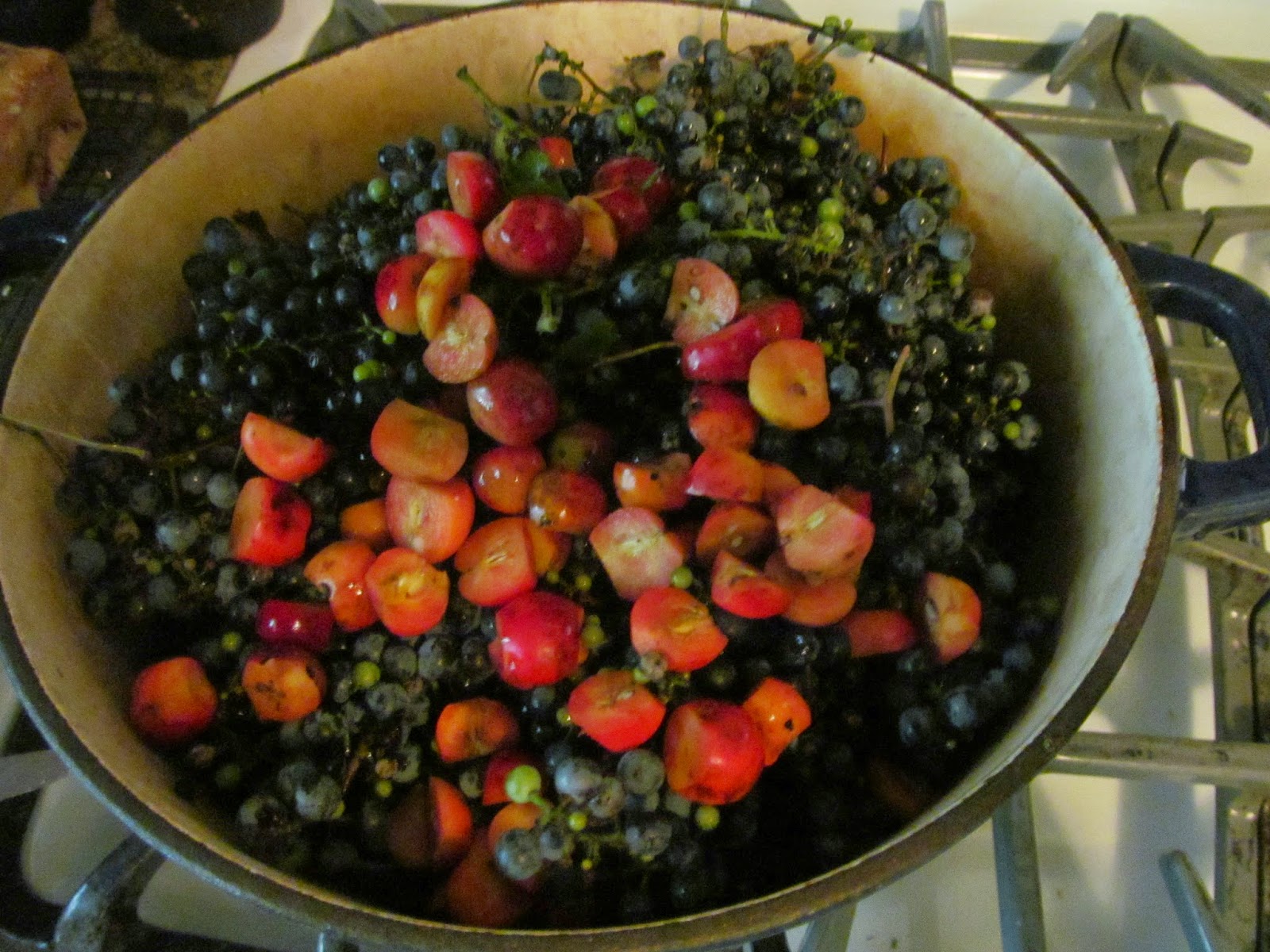
Proper canning and storage techniques are crucial for preserving the quality and safety of wild grape jelly. Sterilizing jars and lids eliminates harmful bacteria that can cause spoilage or contamination. Filling, sealing, and processing the jars according to recommended guidelines ensures a vacuum seal and prevents spoilage.
Sterilization
- Wash jars and lids thoroughly in hot, soapy water. Rinse well.
- Place jars and lids in a large pot filled with water. Bring to a boil and boil for 10 minutes to sterilize.
- Remove jars and lids from the boiling water using tongs and place them on a clean towel to air dry.
Filling and Sealing
- Fill hot, sterilized jars with hot jelly, leaving about 1/4 inch of headspace at the top.
- Wipe the rims of the jars with a clean, damp cloth to remove any jelly residue.
- Place sterilized lids on the jars and screw on bands until finger-tight.
Processing
- Place the filled jars in a large pot or canner filled with hot water. The water should cover the jars by at least 1 inch.
- Bring the water to a rolling boil and process the jars according to the following times:
- Half-pint jars: 10 minutes
- Pint jars: 15 minutes
- Quart jars: 20 minutes
- Remove the jars from the boiling water using tongs and place them on a wire rack to cool.
- Let the jars cool completely for 12-24 hours. Check the seals by pressing on the center of the lid. If the lid does not flex, the jar is properly sealed.
Store sealed jars in a cool, dark place for up to 1 year.
Variations and Adaptations
The wild grape jelly recipe is versatile and can be customized to suit your preferences. Here are some variations and adaptations to consider:
Adjusting Sweetness and Tartness, Wild grape jelly recipe
The sweetness and tartness of the jelly can be adjusted by varying the amount of sugar and lemon juice used. For a sweeter jelly, increase the sugar content. For a tarter jelly, add more lemon juice.
Alternative Ingredients and Techniques
You can experiment with different ingredients and techniques to create unique flavors and textures. Here are some ideas:
- Use different fruits:Instead of wild grapes, you can use other fruits such as blueberries, raspberries, or blackberries.
- Add spices:Enhance the flavor of the jelly by adding spices such as cinnamon, nutmeg, or cloves.
- Use pectin:If you want a thicker jelly, you can add pectin, a natural thickener derived from fruits.
- Make a seedless jelly:To remove the seeds from the jelly, strain the fruit puree through a fine-mesh sieve before cooking.
Last Word
As you savor each spoonful of our wild grape jelly, let its flavors transport you to sun-drenched vineyards and the tranquility of nature. This recipe is not just a culinary creation but a celebration of the wild and the wonderful.
Whether enjoyed on its own or paired with your favorite foods, our wild grape jelly recipe promises to delight your taste buds and evoke memories of summer's bounty.


