0 0 flour pizza dough recipe – Embark on a delectable journey with our 00 flour pizza dough recipe, a culinary masterpiece that will tantalize your taste buds and ignite your passion for pizza making. From the meticulous selection of ingredients to the transformative kneading and proofing process, we unravel the secrets of creating an exceptional dough that forms the foundation of an unforgettable pizza experience.
As we delve into the intricacies of 00 flour, you’ll discover its unique properties that contribute to a pizza dough of unparalleled texture and flavor. We’ll explore the optimal water temperature and yeast ratio, guiding you through the science behind dough development and fermentation.
Whether you’re a seasoned pizza enthusiast or a novice eager to master the art, this comprehensive guide will equip you with the knowledge and techniques to elevate your pizza-making skills to new heights.
Dough Preparation
Crafting a 00 flour pizza dough is an art form, and understanding the key ingredients and techniques is essential for success. This delicate dough forms the foundation of any great pizza, providing the perfect balance of chewiness and crispiness.
The cornerstone of a 00 flour pizza dough lies in the precise proportions of its ingredients. For every 500 grams of 00 flour, you’ll need 320-350 grams of water, 10-12 grams of salt, and 1 gram of active dry yeast.
Mixing and Kneading
Begin by mixing the flour and water in a large bowl. Gradually incorporate the salt, ensuring it doesn’t come into direct contact with the yeast. Once the dough starts to form, turn it out onto a lightly floured surface and knead for 10-12 minutes, or until it becomes smooth and elastic.
Proofing
The proofing process allows the dough to rest and develop flavor. Place the dough in a lightly oiled bowl, cover it with plastic wrap, and let it rise in a warm place for 1-2 hours, or until doubled in size.
Importance of Hydration and Gluten Development
Hydration is crucial for a tender and flavorful dough. The amount of water used should be just enough to create a dough that is cohesive but not sticky. Gluten development, achieved through kneading, gives the dough its structure and elasticity, allowing it to withstand the high temperatures of the oven without tearing.
Flour Characteristics
00 flour, a finely ground Italian flour, holds a special place in the realm of pizza making. Its unique properties impart an exceptional texture and flavor to pizza dough, making it a beloved choice among pizza enthusiasts.
Compared to other types of flour commonly used in pizza making, such as bread flour or all-purpose flour, 00 flour stands out due to its:
- Finer grind, resulting in a smoother and more delicate texture in the dough.
- Lower protein content (typically around 10-12%), which contributes to a softer and more pliable dough.
- Higher starch content, which enhances the dough’s elasticity and ability to hold its shape.
Grinding Process
The grinding process of 00 flour is meticulous and time-consuming. The wheat kernels are subjected to multiple passes through a series of rollers, gradually reducing the size of the particles. This careful process preserves the integrity of the starch granules and protein structures within the flour, resulting in its superior quality.
Water Temperature and Yeast
In the realm of 00 flour pizza dough, understanding the intricacies of water temperature and yeast is paramount. These elements play a pivotal role in the dough’s rising and fermentation process, ultimately determining the texture, flavor, and overall quality of your culinary masterpiece.
Yeast, a microscopic fungus, is the driving force behind the dough’s fermentation. When activated by warm water, yeast cells begin to consume the sugars present in the flour, releasing carbon dioxide gas as a byproduct. This gas forms bubbles within the dough, causing it to rise and develop a characteristic airy texture.
Optimal Water Temperature Range
The optimal water temperature range for activating yeast in 00 flour dough is between 95°F (35°C) and 105°F (40°C). Water that is too cold will not effectively activate the yeast, while water that is too hot can kill it, inhibiting the fermentation process.
Measuring and Adding Yeast
The amount of yeast used in 00 flour dough will vary depending on the desired fermentation time and the ambient temperature. As a general rule, 1 teaspoon of active dry yeast is sufficient for 3 cups of flour. If using instant yeast, half the amount (1/2 teaspoon) is typically recommended.
When adding yeast to the water, it is important to sprinkle it evenly over the surface and allow it to sit for a few minutes. This allows the yeast to rehydrate and become active before being incorporated into the dough.
Kneading Techniques

Kneading is a crucial step in developing the gluten network in dough, which gives it its structure and elasticity. There are several kneading techniques, each with its own impact on the dough.
Hand-Kneading
Hand-kneading is a traditional method that allows for a more intuitive feel of the dough. It provides direct control over the kneading process, enabling you to adjust the intensity and duration based on the dough’s response.
Using a Stand Mixer
Stand mixers offer convenience and efficiency, especially for larger batches of dough. They can be equipped with dough hooks that mimic the kneading motion of hand-kneading. However, it’s important to avoid over-kneading, which can toughen the dough.
Kneading Tips
To achieve the desired dough consistency and elasticity, consider the following tips:
- Knead for 5-10 minutes by hand or 3-5 minutes using a stand mixer.
- The dough should be smooth, elastic, and slightly tacky.
- If the dough is too wet, add a little flour. If it’s too dry, add a little water.
- Avoid over-kneading, as it can make the dough tough and less elastic.
Proofing and Fermentation
Proofing and fermentation are crucial steps in developing the flavor and texture of pizza dough. They allow the yeast to consume the sugars in the flour, producing carbon dioxide gas that creates the dough’s characteristic airy texture.
For 00 flour dough, the ideal proofing time is between 12-24 hours at a temperature of 65-75°F (18-24°C). This allows the yeast to ferment slowly, developing a complex flavor profile and a chewy, elastic texture.
Warm, Humid Environment
To create an optimal environment for fermentation, the dough should be placed in a warm, humid place. This can be achieved by covering the dough with a damp cloth or placing it in a container with a small amount of water at the bottom.
Shaping and Stretching
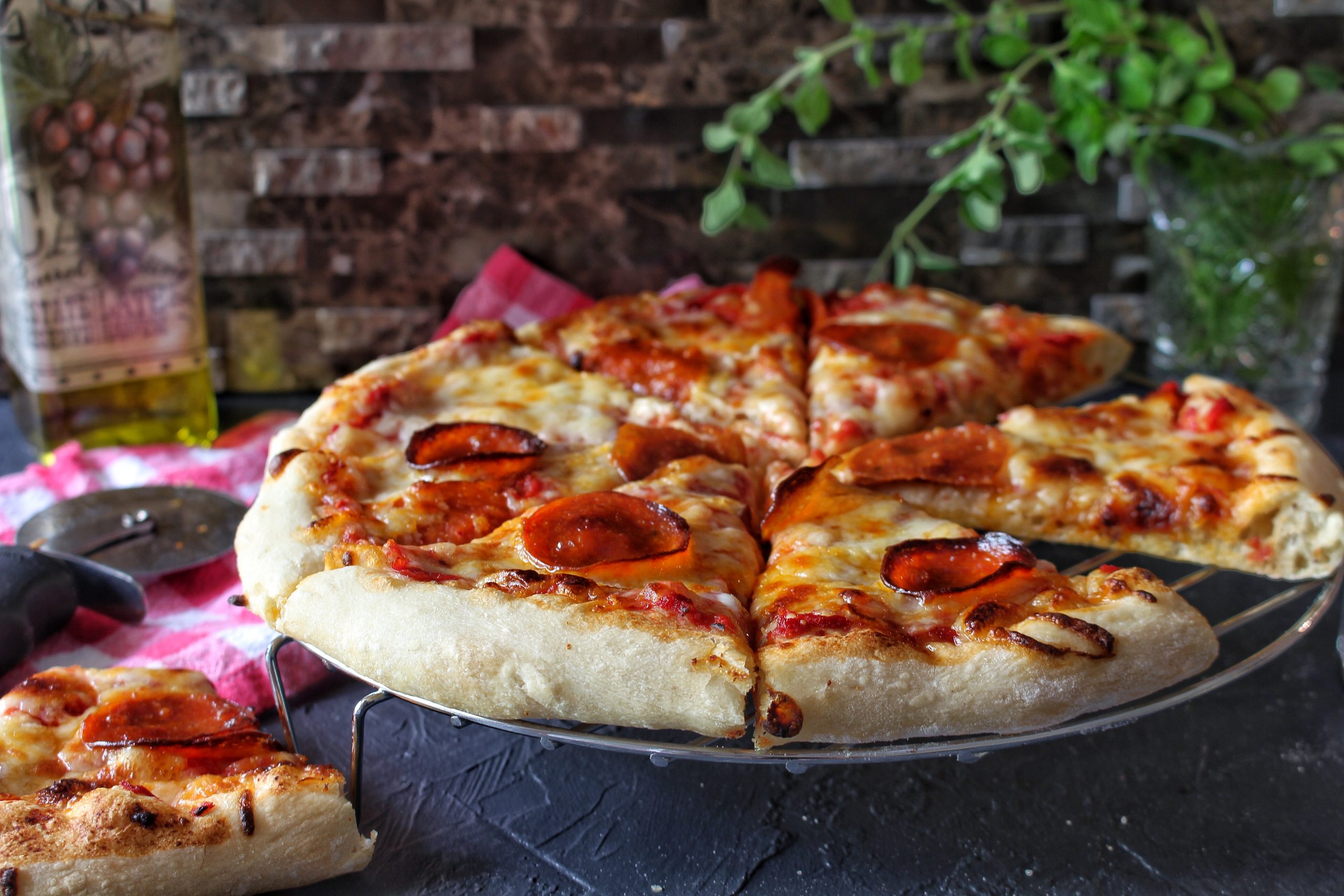
Shaping and stretching pizza dough is a crucial step in creating a perfect pizza. It requires patience, skill, and an understanding of the dough’s properties. Proper shaping and stretching techniques help achieve the desired size, thickness, and even crust.
Handling and Manipulation
- Dust your hands and work surface lightly with flour to prevent sticking.
- Gently stretch the dough by hand, starting from the center and working outwards.
- Avoid using a rolling pin, as it can crush the air bubbles and result in a tough crust.
Stretching Techniques
- Stretching by Hand:Use your fingertips to gently stretch the dough into a circular shape.
- Stretching on the Back of Your Hands:Place the dough on the back of your hands and stretch it by moving your hands in a circular motion.
- Stretching with a Pizza Stone:Lightly flour a pizza stone and place the dough on top. Use your fingertips to stretch it from the center outwards, then lift the edges and gently toss it in the air to create a thin, even crust.
Preventing Tearing
- If the dough starts to tear, gently patch it up by pinching the edges together.
- Allow the dough to rest for a few minutes before stretching further, as it will become more elastic and less likely to tear.
- Use a combination of stretching techniques to prevent excessive stress on any one area of the dough.
Toppings and Baking: 0 0 Flour Pizza Dough Recipe
When crafting a 00 flour pizza, the toppings and baking process play a crucial role in delivering a delectable culinary experience. Let’s delve into the art of selecting toppings and the optimal baking techniques to achieve pizza perfection.
Toppings
The choice of toppings for a 00 flour pizza is a matter of personal preference, but certain combinations have proven to be particularly harmonious. Classic options include:
- Margherita:Mozzarella, tomatoes, and fresh basil
- Marinara:Tomatoes, garlic, oregano, and basil
- Capricciosa:Mozzarella, tomatoes, mushrooms, ham, and artichokes
- Quattro Formaggi:Four cheeses, such as mozzarella, Parmesan, Gorgonzola, and Fontina
Feel free to experiment with different toppings and create your own unique combinations. The possibilities are endless!
Baking
To achieve a perfectly baked 00 flour pizza, it’s essential to adhere to the following guidelines:
- Preheat the oven:Preheat your oven to the highest temperature possible, typically around 500°F (260°C) or higher.
- Use a pizza stone or baking steel:These tools help distribute heat evenly, resulting in a crispy crust.
- Bake for a short time:00 flour pizzas cook quickly, so keep a close eye on them. They should be ready in 5-8 minutes.
Troubleshooting Common Issues
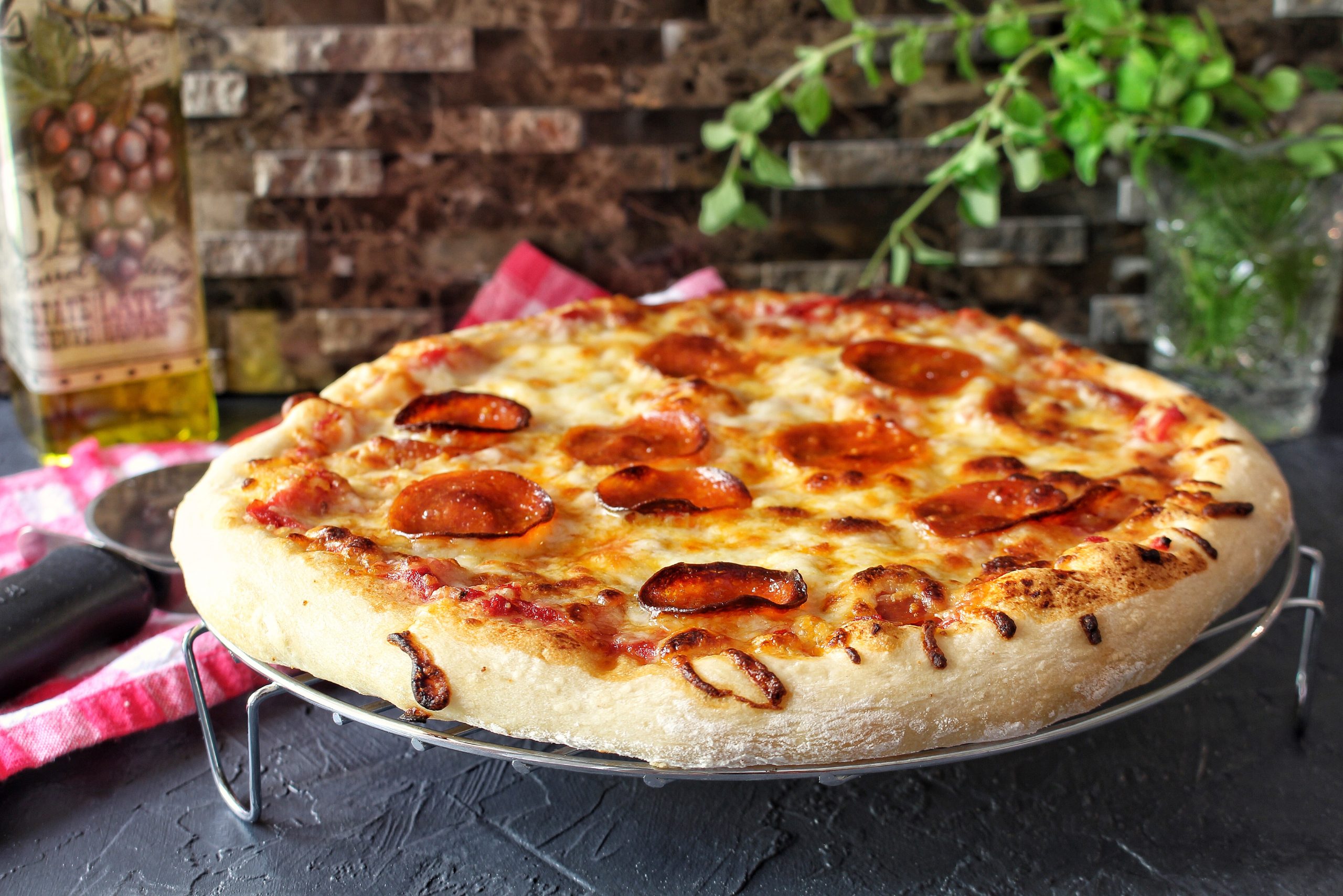
Making 00 flour pizza dough is a skill that requires patience and practice. However, even experienced bakers may encounter common problems that can affect the outcome of their dough.
Here are some common issues and troubleshooting tips to help you achieve the perfect 00 flour pizza dough every time:
Sticky Dough
A sticky dough can be frustrating to work with and can result in a dense, chewy pizza crust. There are a few reasons why your dough may be sticky:
- Too much water:If you add too much water to your dough, it will become sticky and difficult to handle. Be sure to measure your water carefully and add it gradually until the dough just comes together.
- Not enough kneading:Kneading helps to develop the gluten in the flour, which gives the dough its structure and elasticity. If you don’t knead the dough enough, it will be sticky and weak.
- Using the wrong flour:00 flour is a finely ground flour that is ideal for making pizza dough. If you use a different type of flour, your dough may be sticky.
Dry Dough
A dry dough is difficult to stretch and shape, and can result in a tough, cracker-like pizza crust. There are a few reasons why your dough may be dry:
- Too little water:If you don’t add enough water to your dough, it will be dry and crumbly. Be sure to measure your water carefully and add it gradually until the dough just comes together.
- Too much flour:If you add too much flour to your dough, it will become dry and difficult to work with. Be sure to measure your flour carefully and add it gradually until the dough just comes together.
- Over-kneading:Over-kneading the dough can break down the gluten and make the dough dry and tough.
Uneven Baking, 0 0 flour pizza dough recipe
Uneven baking can result in a pizza crust that is burnt in some areas and undercooked in others. There are a few reasons why your pizza may be baking unevenly:
- Uneven heat distribution:If your oven is not heating evenly, your pizza will bake unevenly. Be sure to preheat your oven to the correct temperature and make sure that the pizza is placed in the center of the oven.
- Too thick or thin dough:A pizza dough that is too thick will not cook evenly, and a pizza dough that is too thin will burn easily. Be sure to roll out the dough to an even thickness.
- Overcrowding the oven:If you overcrowd the oven, the pizzas will not cook evenly. Be sure to leave enough space between the pizzas so that the air can circulate.
Variations and Adaptations
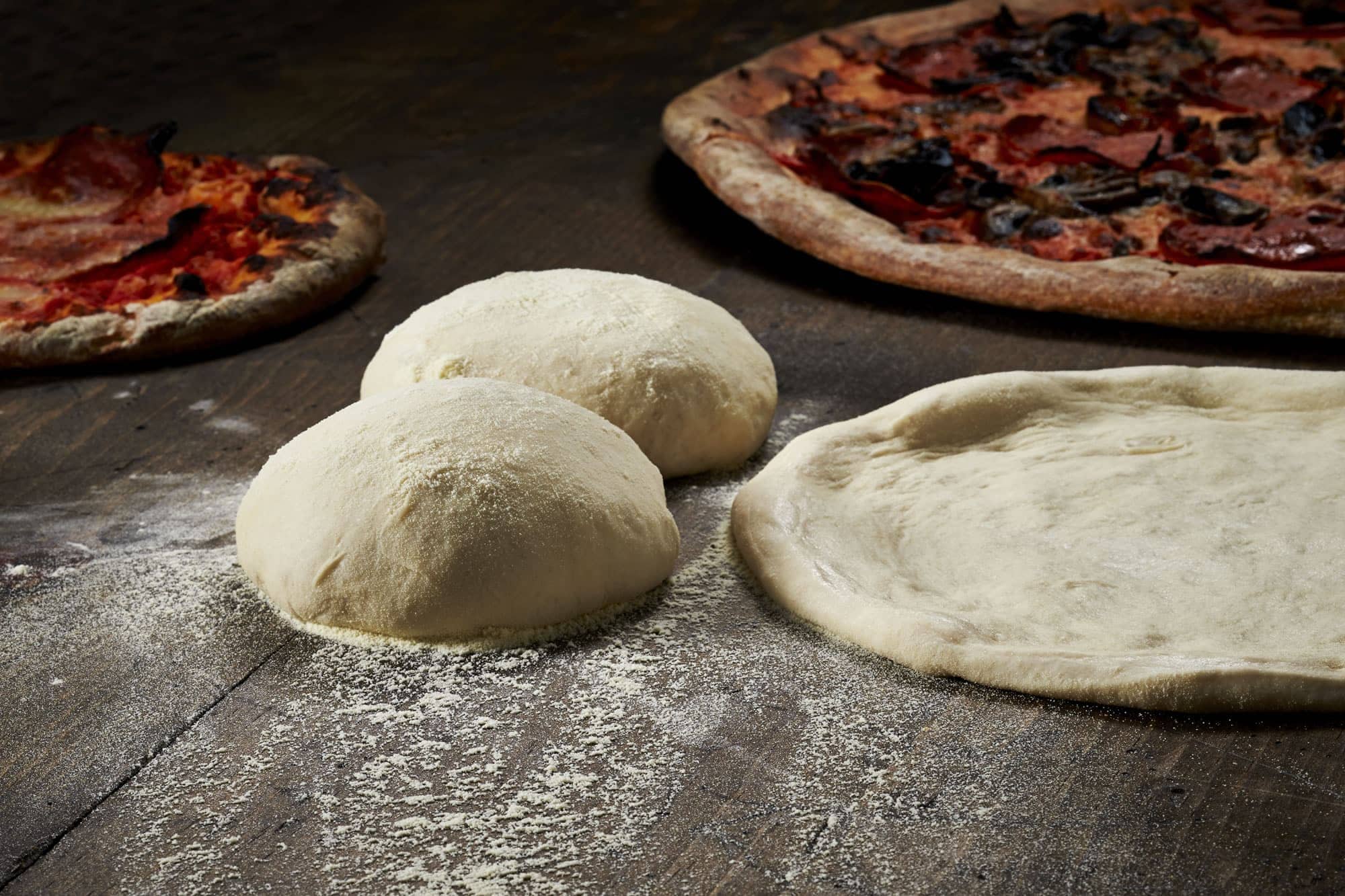
The basic 00 flour pizza dough recipe is a versatile canvas that can be adapted to suit various tastes and dietary needs. Experimenting with different ingredients and techniques allows you to create unique and flavorful pizzas.
Adding Herbs and Spices
- Incorporate dried or fresh herbs such as basil, oregano, thyme, or rosemary into the dough for a fragrant and herbaceous flavor.
- Add a touch of garlic powder, onion powder, or chili flakes to enhance the savory profile of the dough.
Whole Grains
For a more nutritious and complex flavor, substitute a portion of the 00 flour with whole wheat flour, rye flour, or spelt flour. Whole grains provide fiber, vitamins, and minerals, enhancing the dough’s nutritional value.
Cooking Method Adaptations
- Grilling:Form the dough into small balls, flatten them, and grill them over medium heat for a smoky and charred crust.
- Cast Iron Skillet:Preheat a cast iron skillet over medium-high heat and cook the stretched dough directly in the skillet for a crispy and evenly cooked base.
Dietary Needs
- Gluten-Free:Use gluten-free flour blends to create a dough suitable for individuals with celiac disease or gluten intolerance.
- Vegan:Substitute water or plant-based milk for the milk in the recipe and omit any dairy-based toppings to create a vegan-friendly pizza dough.
Closing Notes
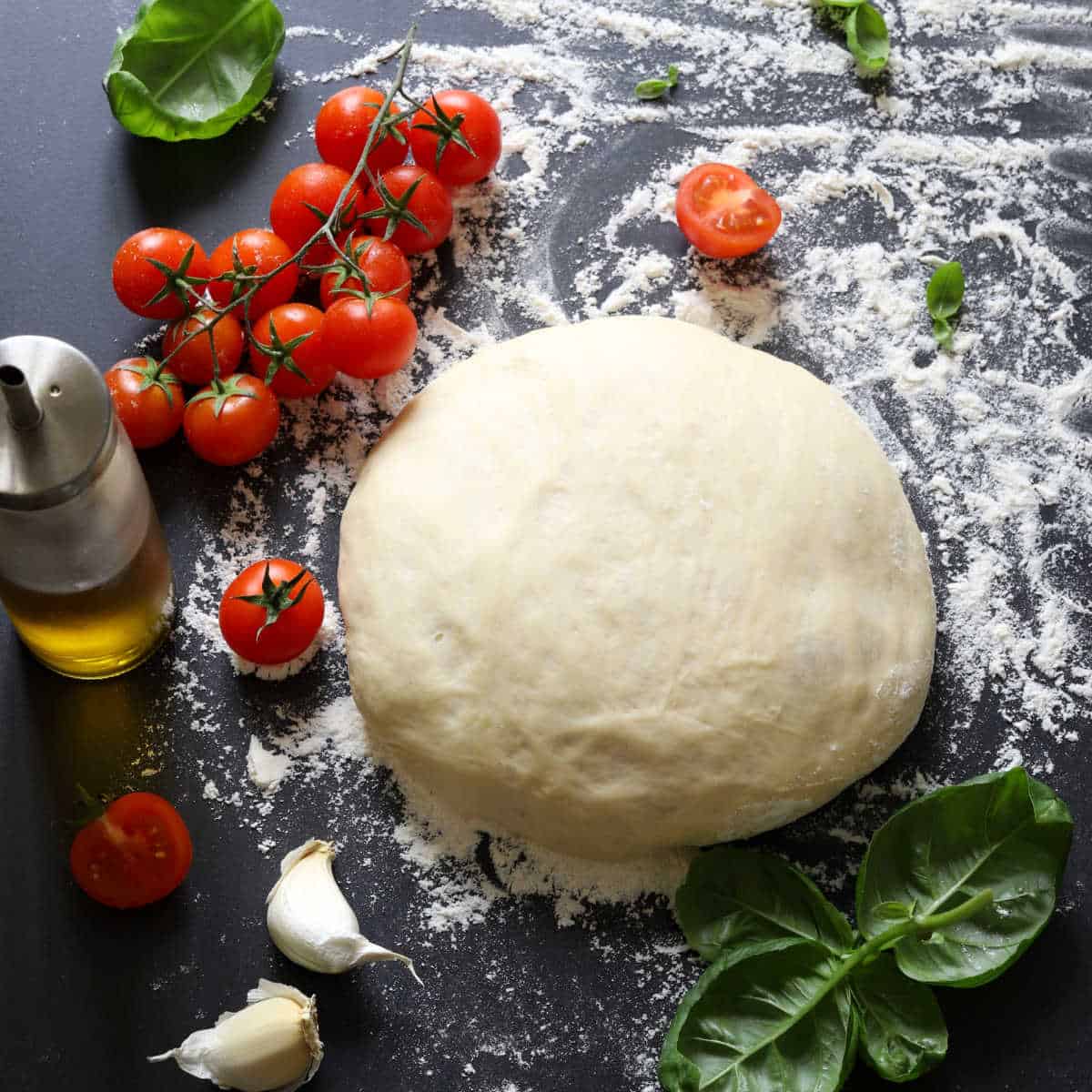
In this culinary expedition, we’ve unveiled the secrets of crafting an extraordinary 00 flour pizza dough. From the precise ingredient ratios to the delicate balance of kneading and fermentation, each step holds the key to unlocking a dough that is both flavorful and structurally sound.
As you embark on your own pizza-making adventures, remember the principles Artikeld here and experiment with variations to create doughs that reflect your unique culinary style. May your pizzas be forever delicious and your dough-making endeavors filled with joy and satisfaction.