Welcome to the realm of culinary wonders, where the fry mahi mahi recipe reigns supreme. Prepare to embark on a culinary adventure that tantalizes your taste buds and captivates your senses. In this comprehensive guide, we'll navigate the art of selecting, preparing, and frying mahi mahi to perfection, ensuring an unforgettable dining experience.
From selecting the freshest fish to mastering the techniques of creating a crispy and flavorful batter, this guide is your trusted companion. Discover the secrets of achieving the perfect fry, exploring various methods and techniques to suit your preferences. Whether you're a seasoned chef or a novice in the kitchen, this recipe will empower you to create a dish that will impress your family and friends.
Mahi Mahi Overview
Mahi mahi, also known as dolphinfish, is a popular fish species prized for its delicate flavor and versatility in cooking. It's a member of the Coryphaenidae family and is found in tropical and subtropical waters around the world.
Nutritional Value
Mahi mahi is an excellent source of protein, providing essential amino acids for muscle growth and repair. It's also low in fat and calories, making it a healthy choice for weight management. Additionally, mahi mahi is rich in vitamins and minerals, including selenium, vitamin B12, and omega-3 fatty acids, which are beneficial for heart and brain health.
Choosing and Preparing Mahi Mahi

Selecting fresh and high-quality mahi mahi is crucial for a delicious fried dish. Look for fish with bright, clear eyes, firm flesh, and a mild, slightly sweet aroma. Avoid fish with dull eyes, soft flesh, or a strong odor.
Once you have selected your mahi mahi, it's time to clean and prepare it for frying. Start by rinsing the fish under cold water and patting it dry with paper towels. Use a sharp knife to remove the head, tail, and fins.
Cut the fish into fillets or steaks, depending on your preference.
Scaling and Gutting
If your mahi mahi is not already scaled, use a sharp knife or a scaling tool to remove the scales. Start from the tail and work your way towards the head, holding the knife at a 45-degree angle to the fish's skin.
Be careful not to cut into the flesh.
To gut the fish, make a small incision near the anus and carefully remove the intestines. Rinse the cavity thoroughly with cold water and remove any remaining blood or scales.
Frying Techniques
Frying is a versatile cooking method that can produce crispy, flavorful mahi mahi. There are several different frying techniques, each with its own advantages and disadvantages.
The most common frying methods for mahi mahi are pan-frying, deep-frying, and air-frying.
Pan-Frying
Pan-frying is a relatively simple and quick method of frying. It involves cooking the mahi mahi in a hot skillet with a small amount of oil.
To pan-fry mahi mahi, heat a skillet over medium-high heat. Add a tablespoon of oil to the skillet and swirl to coat the bottom. Place the mahi mahi fillets in the skillet and cook for 3-4 minutes per side, or until golden brown and cooked through.
After a delightful fry mahi mahi recipe, consider complementing your meal with a refreshing chow chow amish recipe . This tangy relish, a staple in Amish kitchens, offers a burst of flavors that will enhance the delicate taste of your fish.
Its sweet and spicy notes will add a delightful contrast to your fry mahi mahi recipe, creating a culinary experience that will leave you craving for more.
Deep-Frying
Deep-frying is a method of frying that involves submerging the mahi mahi in hot oil. This method produces a crispy, golden brown crust.
To deep-fry mahi mahi, heat a large pot or deep fryer to 375 degrees Fahrenheit. Carefully place the mahi mahi fillets in the hot oil and cook for 3-4 minutes, or until golden brown and cooked through.
Air-Frying
Air-frying is a relatively new method of frying that uses hot air to cook food. This method produces a crispy, golden brown crust without the need for a lot of oil.
To air-fry mahi mahi, preheat the air fryer to 400 degrees Fahrenheit. Place the mahi mahi fillets in the air fryer basket and cook for 10-12 minutes, or until golden brown and cooked through.
Presentation Ideas
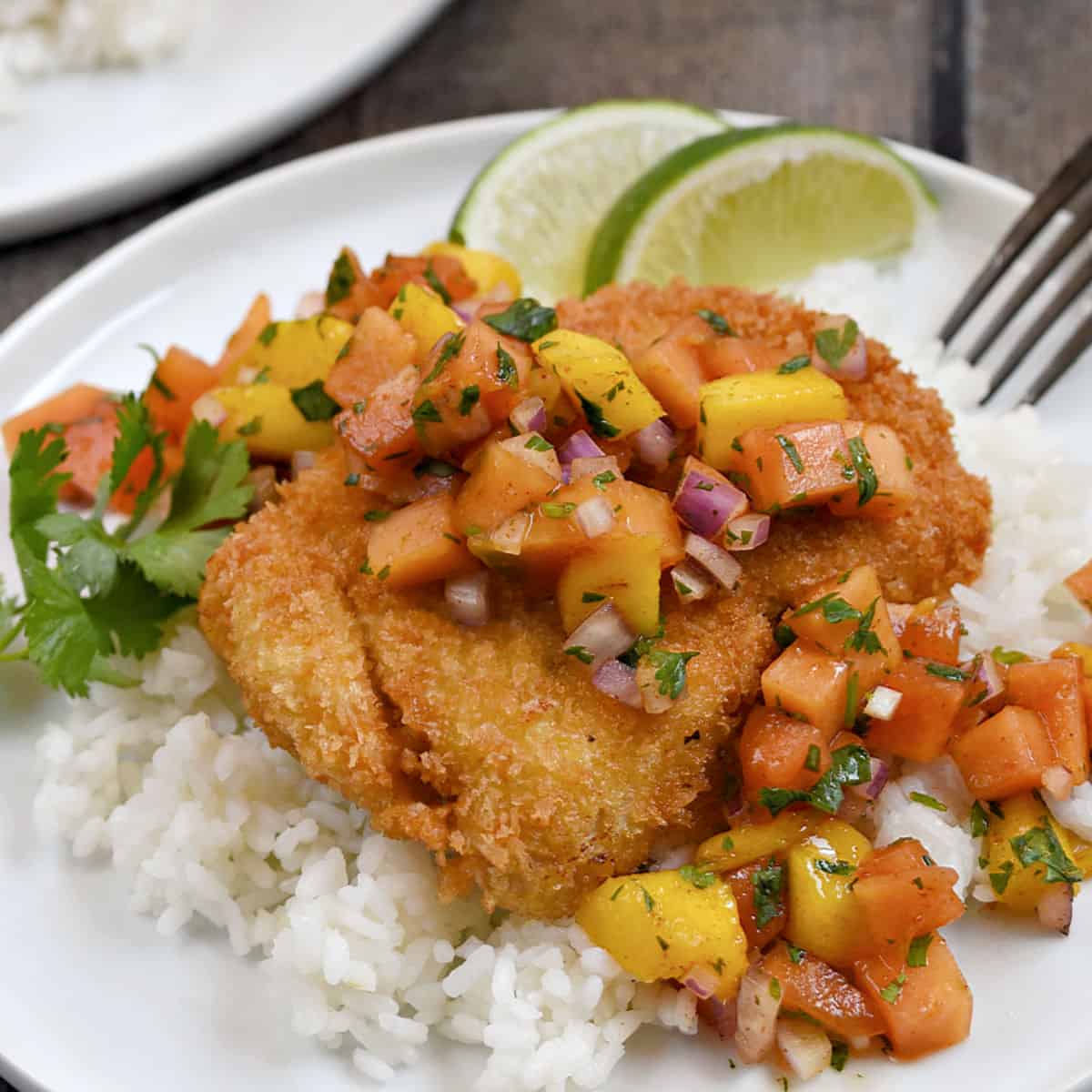
Elevate your fried mahi mahi dish with creative presentation techniques. Consider visual appeal and garnishing to transform your plate into a culinary masterpiece.
Experiment with vibrant colors and textures to create a visually appealing plate. Arrange the fried mahi mahi on a bed of colorful greens, such as spinach, arugula, or watercress, to provide a contrast to the golden-brown fish. Add a drizzle of a tangy sauce, such as lemon-herb vinaigrette or mango salsa, to enhance the flavors and add a touch of vibrancy.
Garnishing
Garnishing adds the finishing touches to your fried mahi mahi presentation. Consider using fresh herbs, such as cilantro, parsley, or dill, to provide a burst of freshness and color. Edible flowers, such as nasturtiums or pansies, can also add a touch of elegance and visual interest.
Health Considerations
Frying mahi mahi can be a delicious way to enjoy this fish, but it's important to be aware of the potential health concerns associated with fried foods.One of the main concerns with fried foods is the high fat content. When fish is fried, it absorbs oil, which can add a significant number of calories and unhealthy fats to your meal.
This can be especially concerning for people who are trying to lose weight or manage their cholesterol levels.Another potential health concern with fried foods is the formation of acrylamide. Acrylamide is a chemical that is produced when starchy foods are fried at high temperatures.
This chemical has been linked to an increased risk of cancer in some studies.
Tips for Reducing Fat Absorption
There are a few things you can do to reduce the amount of fat that is absorbed by your mahi mahi when you fry it:
- Use a non-stick pan. This will help to prevent the fish from sticking to the pan and absorbing excess oil.
- Drain the fish on paper towels after frying. This will help to remove any excess oil from the surface of the fish.
- Serve the fish with a side of fresh vegetables or fruit. This will help to balance out the meal and reduce the overall fat content.
Promoting Healthier Cooking Methods
If you are concerned about the health risks associated with fried foods, there are a few alternative cooking methods that you can use to prepare mahi mahi:
Baking
Baking mahi mahi is a healthy and delicious way to cook this fish. It is low in fat and calories, and it retains its nutrients well.
Grilling
Grilling mahi mahi is another healthy cooking method. It is quick and easy, and it gives the fish a delicious smoky flavor.
Steaming
Steaming mahi mahi is a gentle cooking method that preserves the fish's delicate flavor and texture. It is also a low-fat and low-calorie option.
Recipe Variations

Experimentation is key when it comes to creating unique and flavorful dishes. The fry mahi mahi recipe offers a versatile base that can be adapted to suit your taste preferences and available ingredients.
Consider these variations to elevate your culinary creations:
Alternative Fish Species
- Substitute mahi mahi with other firm-fleshed fish such as tuna, swordfish, or grouper.
- Each fish imparts its own subtle flavor profile, adding variety to your culinary repertoire.
Unique Ingredients, Fry mahi mahi recipe
- Enhance the marinade with aromatic herbs like thyme, oregano, or basil.
- Add a touch of citrus zest (lemon, lime, or orange) for a refreshing twist.
- Experiment with different types of breading, such as panko breadcrumbs, cornmeal, or crushed crackers, for a crispy and flavorful coating.
Flavorful Sauces
- Serve the fried mahi mahi with a zesty tartar sauce, creamy lemon butter sauce, or a tangy mango salsa.
- These sauces add extra depth of flavor and complement the delicate taste of the fish.
Troubleshooting: Fry Mahi Mahi Recipe
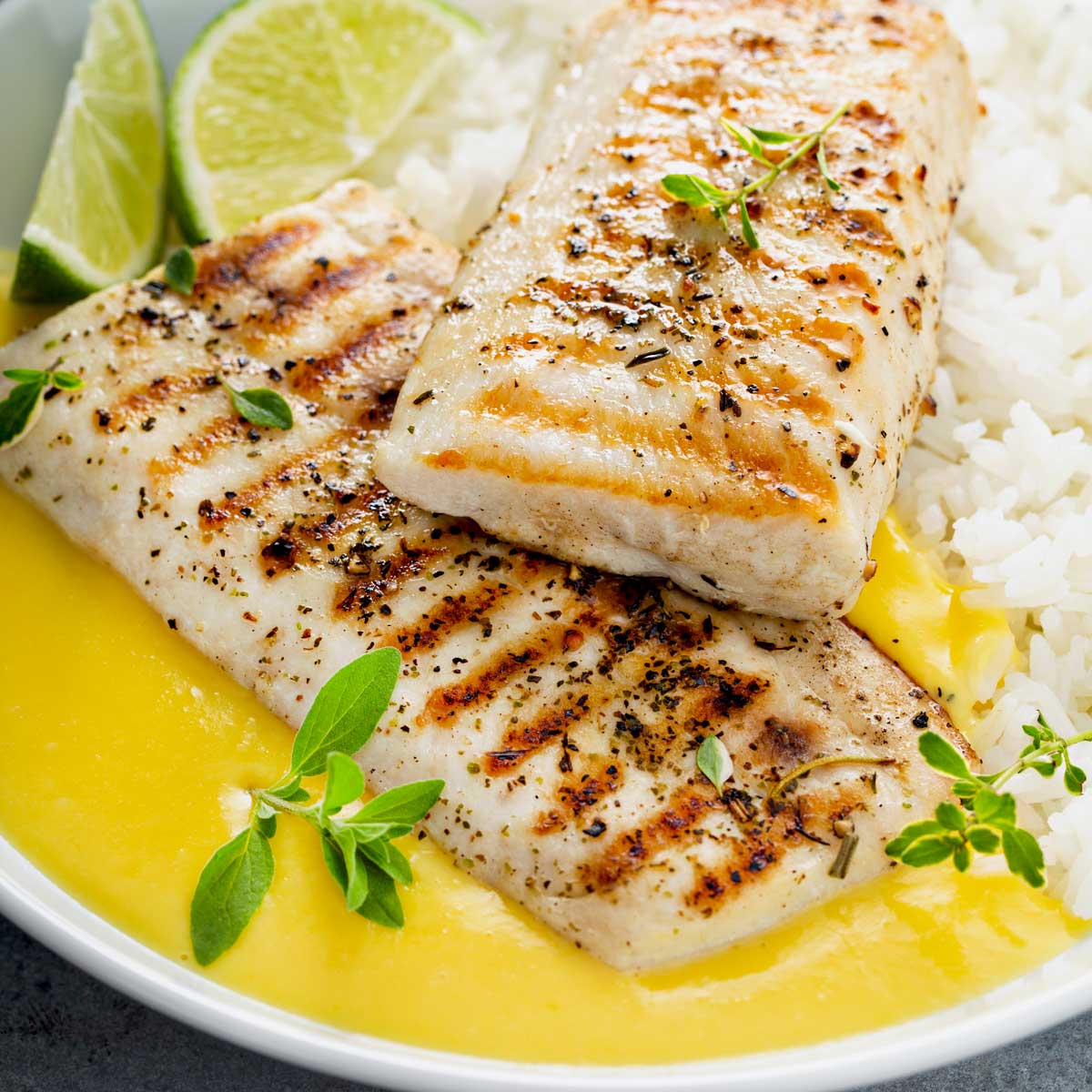
Frying mahi mahi can be a straightforward process, but there are a few common problems that can arise. By understanding the potential issues and knowing how to resolve them, you can ensure a perfectly cooked and delicious meal every time.
One of the most common problems is soggy batter. This can occur if the batter is not thick enough or if it is not cooked at a high enough temperature. To prevent soggy batter, make sure to use a thick batter and fry the fish at a temperature of 375°F (190°C) or higher.
Another common problem is overcooked fish. This can occur if the fish is fried for too long or at too high a temperature. To prevent overcooked fish, fry the fish for only a few minutes per side, or until it is cooked through.
You can check for doneness by inserting a fork into the thickest part of the fish. If the fork comes out clean, the fish is cooked through.
Final Review
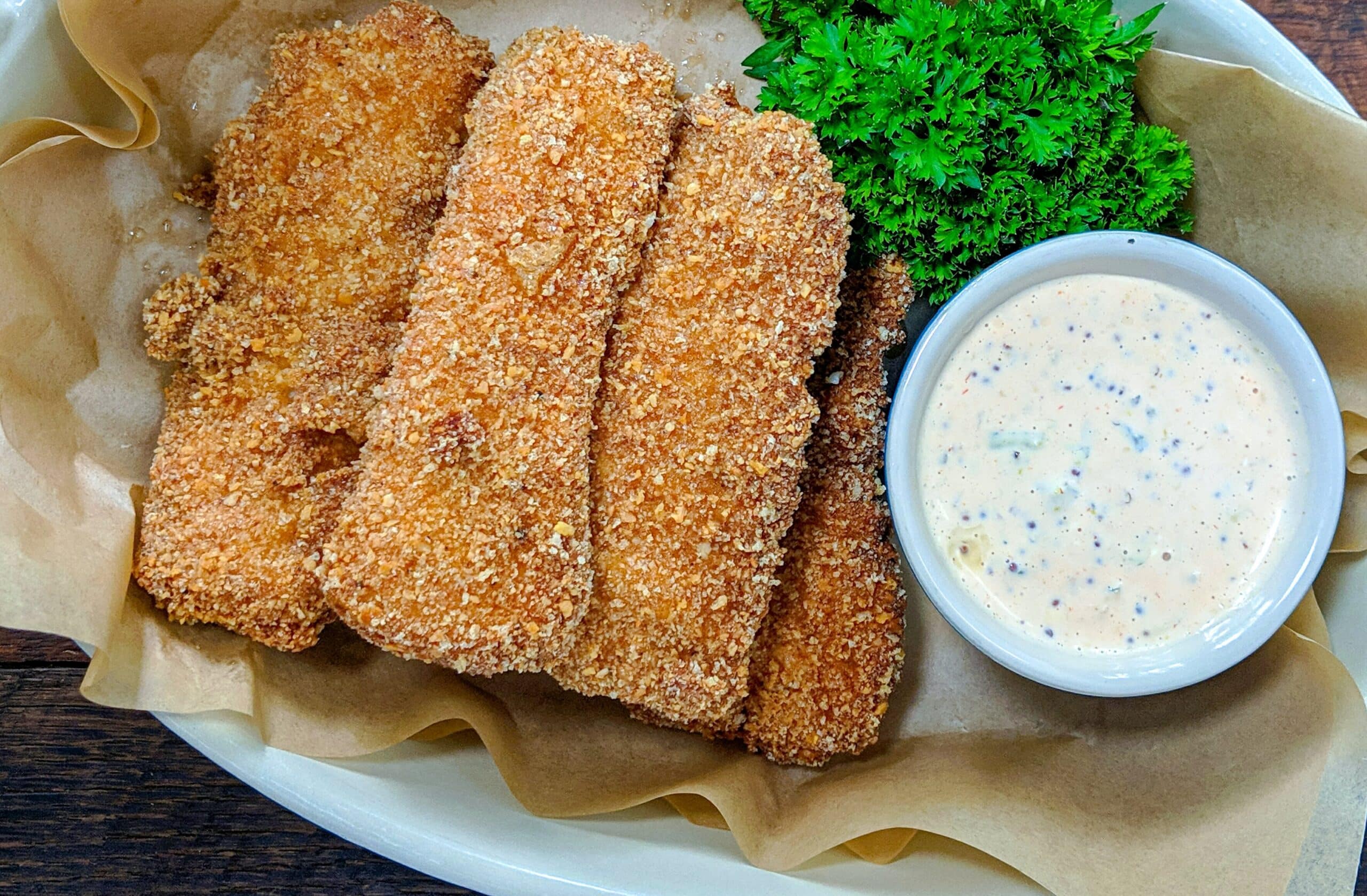
As you embark on your culinary journey with this fry mahi mahi recipe, remember that cooking is an art form that allows for creativity and experimentation. Embrace the flavors and techniques presented here, but don't hesitate to add your own personal touch.
Experiment with different seasonings, marinades, and side dishes to create a dish that truly reflects your palate. The possibilities are endless, and the rewards are delicious.
So gather your ingredients, sharpen your knives, and prepare to savor the delights of this delectable seafood masterpiece. Bon appétit!


