Chow chow amish recipe is a delectable dish steeped in history and tradition, inviting us to explore its origins, ingredients, and cultural significance within the Amish community. This culinary masterpiece, passed down through generations, offers a glimpse into the rich heritage and flavors that define Amish cuisine.
As we delve into the intricacies of this recipe, we'll discover the unique blend of vegetables, spices, and seasonings that create its distinctive taste. From the crisp crunch of carrots to the tangy sweetness of peppers, each ingredient plays a harmonious role in crafting this beloved dish.
History of Chow Chow Amish Recipe
Chow chow, a sweet and tangy pickled relish, has a rich history intertwined with the Amish community. The origins of this recipe can be traced back to the early 19th century when German immigrants, including the Amish, settled in Pennsylvania.
The Amish, known for their traditional values and self-sufficiency, developed chow chow as a way to preserve vegetables during the fall harvest. The recipe became a staple in Amish households, often served alongside hearty meals as a condiment or relish.
Cultural Significance
Beyond its culinary value, chow chow holds cultural significance within the Amish community. The preparation of chow chow is often a communal activity, bringing families and friends together to share in the harvest and preserve food for the winter months.
The sharing of chow chow among Amish households symbolizes community and support. It is often gifted to neighbors and friends, representing the values of generosity and hospitality that are central to Amish culture.
Ingredients of Chow Chow Amish Recipe
The Chow Chow Amish Recipe, a delectable delicacy with roots in the heart of Pennsylvania Dutch Country, boasts a symphony of fresh vegetables, aromatic spices, and savory seasonings that come together to create a taste that is both tantalizing and comforting.
Vegetables
- Cabbage: The backbone of the chow chow, green cabbage adds a crisp texture and earthy flavor.
- Onions: Yellow onions provide a pungent aroma and a sweet undertone that balances the acidity of the vinegar.
- Green Peppers: Crisp and refreshing, green bell peppers inject a vibrant color and a slightly bitter note.
- Carrots: Sweet and crunchy, carrots add a pop of color and a hint of sweetness to the chow chow.
li> Cauliflower: Tender cauliflower florets provide a delicate texture and a mild, slightly nutty flavor.
Spices and Seasonings
- Turmeric: A vibrant yellow spice, turmeric imparts a warm, earthy flavor and a hint of bitterness.
- Mustard Seeds: Whole mustard seeds add a spicy kick and a distinct aroma to the chow chow.
- Celery Seeds: With their unique celery-like flavor, celery seeds add a subtle herbaceousness to the dish.
- Salt and Pepper: Essential seasonings that enhance the overall flavor and balance the sweetness and acidity.
Preparation of Chow Chow Amish Recipe
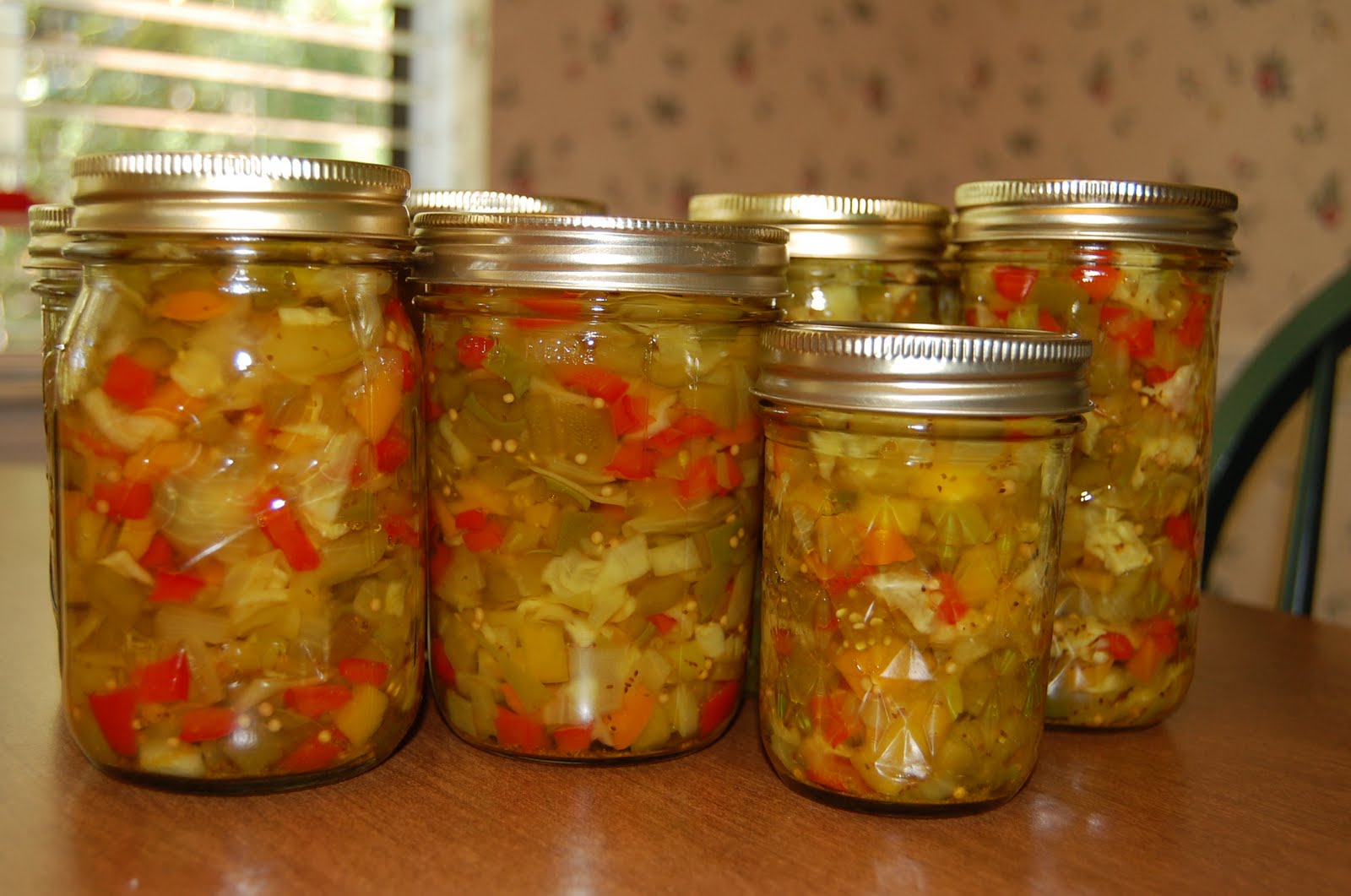
The preparation of Chow Chow Amish Recipe involves meticulous steps that ensure the perfect balance of flavors and textures. Precision in measurements and timing is crucial to achieve the desired outcome.
Cutting and Chopping
- Carefully clean and peel the vegetables: carrots, celery, onions, and peppers. Cut them into uniform pieces, such as thin slices, julienne strips, or small dice, depending on your preference.
- Chop the cabbage into thin shreds to enhance its texture and absorption of flavors.
Cooking
- In a large pot or Dutch oven, combine the chopped vegetables with the vinegar, water, sugar, and spices. Bring to a boil over medium-high heat.
- Reduce heat to low, cover, and simmer for 1-2 hours, or until the vegetables are tender but still retain a slight crunch. Stir occasionally to prevent burning.
- Check the consistency of the liquid. If it's too thin, simmer uncovered until it thickens. If it's too thick, add a splash of water or vinegar.
Variations of Chow Chow Amish Recipe
The Chow Chow Amish recipe has undergone variations over time, influenced by regional preferences and modern adaptations. These variations impact the taste, texture, and appearance of the dish.
Regional Variations
Chow chow amish recipe is a popular dish with a unique flavor. If you're looking for something different, try the venison ring bologna recipe . It's a delicious and easy-to-make dish that's sure to please everyone at the table. Once you've tried venison ring bologna, come back to chow chow amish recipe for a taste of something different.
- Pennsylvania Dutch Chow Chow:Originating in the Pennsylvania Dutch community, this variation features a sweet-tart flavor with a crunchy texture. It typically includes carrots, cabbage, onions, peppers, and celery.
- Ohio Chow Chow:Known for its spicy kick, Ohio Chow Chow uses a combination of cayenne pepper, mustard seeds, and horseradish. It has a coarser texture due to the larger chunks of vegetables.
- Southern Chow Chow:This variation emphasizes sweetness, using more sugar or honey. It often includes tomatoes and corn, giving it a distinct Southern flair.
Modern Adaptations
- Vegetarian Chow Chow:This variation omits meat, making it suitable for vegetarians. It may include additional vegetables like mushrooms or zucchini.
- Low-Sugar Chow Chow:Designed for those with dietary restrictions, this variation reduces or eliminates sugar. It focuses on the natural sweetness of the vegetables.
- Spicy Chow Chow:Catering to those who enjoy a fiery kick, this variation incorporates more chili peppers or cayenne pepper. It adds a bold flavor profile to the dish.
Serving Suggestions for Chow Chow Amish Recipe
Chow chow is a versatile dish that can be served in various ways. Here are some suggestions:
As a side dish, chow chow complements grilled or fried meats, fish, or poultry. It adds a tangy and crunchy element to your meal. Serve it warm or cold, depending on your preference.
As an appetizer, chow chow can be served on a cheeseboard or crudité platter. Its sweet and sour flavor pairs well with crackers, breadsticks, or fresh vegetables.
As a condiment, chow chow can be used to add flavor to sandwiches, burgers, or tacos. Its crunchy texture and tangy taste provide an extra layer of excitement to your meal.
Accompaniments and Garnishes
When serving chow chow, consider pairing it with the following accompaniments and garnishes:
- Shredded cheese, such as cheddar or mozzarella
- Sliced green onions
- Chopped fresh parsley or cilantro
- Sour cream or yogurt
- Croutons
These additions can enhance the flavor and presentation of your chow chow dish. Experiment with different combinations to find what you enjoy most.
Storage and Preservation of Chow Chow Amish Recipe
To maintain the freshness and flavor of Chow Chow Amish Recipe, proper storage and preservation techniques are essential. Here's a detailed guide to ensure your homemade delight remains delectable for an extended period:
Storage Conditions
Chow Chow Amish Recipe should be stored in airtight containers or jars to prevent spoilage and preserve its flavors. Choose glass jars with tight-fitting lids or food-grade plastic containers. Ensure the containers are thoroughly cleaned and sterilized before use.
Refrigeration
Refrigeration is the most effective method for storing Chow Chow Amish Recipe. Once prepared, transfer the dish into airtight containers and refrigerate immediately. Properly stored, it can last for up to 2 weeks in the refrigerator.
Freezing
Freezing is another viable option for preserving Chow Chow Amish Recipe for longer periods. Divide the dish into freezer-safe containers or bags, leaving some headspace for expansion during freezing. Properly frozen Chow Chow Amish Recipe can maintain its quality for up to 6 months.
Thawing
When ready to enjoy your frozen Chow Chow Amish Recipe, thaw it overnight in the refrigerator or under cold running water. Once thawed, consume it within a few days for optimal flavor and texture.
Nutritional Value of Chow Chow Amish Recipe
Chow Chow Amish Recipe, a delectable dish of pickled vegetables, offers a surprising array of nutritional benefits. Understanding its composition can help us appreciate its value in a balanced diet.
Chow Chow is rich in essential vitamins and minerals, including vitamin C, vitamin A, potassium, and iron. These nutrients contribute to a healthy immune system, vibrant skin, strong bones, and improved cognitive function.
Macronutrient Profile
Chow Chow contains a moderate amount of calories, primarily from carbohydrates and a small portion from fat. The fiber content in the vegetables aids in satiety and supports digestive health.
Micronutrient Content, Chow chow amish recipe
- Vitamin C:Essential for immune function and collagen production.
- Vitamin A:Supports eye health, skin health, and immune system.
- Potassium:Regulates blood pressure and fluid balance.
- Iron:Carries oxygen throughout the body and aids in red blood cell production.
Consuming Chow Chow Amish Recipe as part of a balanced diet can contribute to overall health and well-being.
Cultural Significance of Chow Chow Amish Recipe
The Chow Chow Amish recipe holds deep cultural significance within the Amish community, serving as a testament to their rich culinary traditions and shared heritage. It has played a pivotal role in shaping their social gatherings, celebrations, and customs.
Role in Social Gatherings
Chow Chow is a staple dish at Amish gatherings, where it fosters a sense of community and togetherness. It is often served at potlucks, picnics, and church suppers, providing an opportunity for members to share food, fellowship, and strengthen their bonds.
Symbol of Tradition and Heritage
The recipe has been passed down through generations, connecting the Amish to their ancestors and preserving their culinary legacy. It represents their commitment to traditional values and their unwavering connection to their roots.
Culinary Delicacy
Beyond its cultural significance, Chow Chow is also highly valued for its distinct flavor and versatility. It is enjoyed as a side dish, condiment, or ingredient in various other dishes, adding a tangy and flavorful touch to meals.
Recipe Adaptation for Modern Tastes
The Chow Chow Amish recipe is a classic dish that has been passed down through generations. However, it can be adapted to suit modern tastes and preferences with a few simple changes.
One way to modernize the recipe is to use different ingredients. For example, instead of using white vinegar, you could use apple cider vinegar or rice vinegar. You could also add other vegetables to the mix, such as bell peppers, carrots, or celery.
Cooking Techniques
Another way to update the recipe is to change the cooking techniques. For example, instead of boiling the vegetables, you could roast them in the oven. This will give them a more caramelized flavor.
Flavor Enhancements
Finally, you can enhance the flavor of the Chow Chow Amish recipe by adding different spices and herbs. For example, you could add a pinch of cayenne pepper or a sprig of rosemary.
Presentation and Photography of Chow Chow Amish Recipe
Chow chow Amish recipe is a vibrant and colorful dish that deserves an equally impressive presentation. To capture its essence, follow these techniques:
Lighting
Natural lighting is ideal for showcasing the dish's vibrant colors. Position the dish near a window or outdoors, ensuring the light source is behind the camera to avoid harsh shadows.
Composition
Arrange the chow chow in a visually appealing manner. Consider using a shallow bowl or plate to create depth and allow the vegetables to shine. Scatter fresh herbs or a dollop of sour cream on top for a touch of elegance.
Camera Settings
Use a macro lens to capture the intricate details of the vegetables. Adjust the aperture to control the depth of field, focusing on the subject while blurring the background.
Editing
Post-processing can enhance the photo's appeal. Adjust the contrast and saturation to make the colors pop, and use cropping to remove distractions and emphasize the composition.
FAQs and Troubleshooting for Chow Chow Amish Recipe

The Chow Chow Amish recipe, a traditional delicacy, can sometimes present challenges during preparation. Here's a compilation of frequently asked questions and troubleshooting tips to help you navigate the recipe seamlessly.
Whether you're an experienced cook or a novice, these insights will provide valuable guidance to ensure your Chow Chow Amish recipe turns out flavorful and delectable.
Common Questions
- What is the ideal consistency for Chow Chow?
- How long does Chow Chow last?
- Can I substitute other vegetables in the recipe?
- What causes Chow Chow to discolor?
- My Chow Chow is too spicy. How can I reduce the heat?
Chow Chow should have a slightly thick and crunchy texture. If it's too runny, add more vegetables or cook it longer. If it's too thick, add some vinegar or water.
Properly canned and sealed Chow Chow can last for up to a year. Once opened, it should be refrigerated and consumed within 2-3 weeks.
Yes, you can experiment with different vegetables. Some common substitutes include green beans, carrots, or okra.
Exposure to light or air can cause Chow Chow to darken. To prevent this, store it in an airtight container in a cool, dark place.
Reduce the amount of chili peppers or add more sweet vegetables like bell peppers or onions to balance the flavor.
Troubleshooting Tips
- My Chow Chow is too watery.
- My Chow Chow is too thick.
- My Chow Chow is not spicy enough.
- My Chow Chow is too sweet.
- My Chow Chow is not canning properly.
Cook it for longer to evaporate excess liquid. You can also add more vegetables to absorb the moisture.
Add some vinegar or water to thin it out. You can also mash some of the vegetables to create a smoother consistency.
Add more chili peppers or use hotter varieties. You can also add some cayenne pepper or red pepper flakes.
Reduce the amount of sugar or add more vinegar to balance the flavor. You can also add some tart fruits like cranberries or apples.
Ensure you follow the canning instructions carefully. Check the seals and make sure the jars are sterilized. You can also try using a pressure canner for a more reliable seal.
Wrap-Up
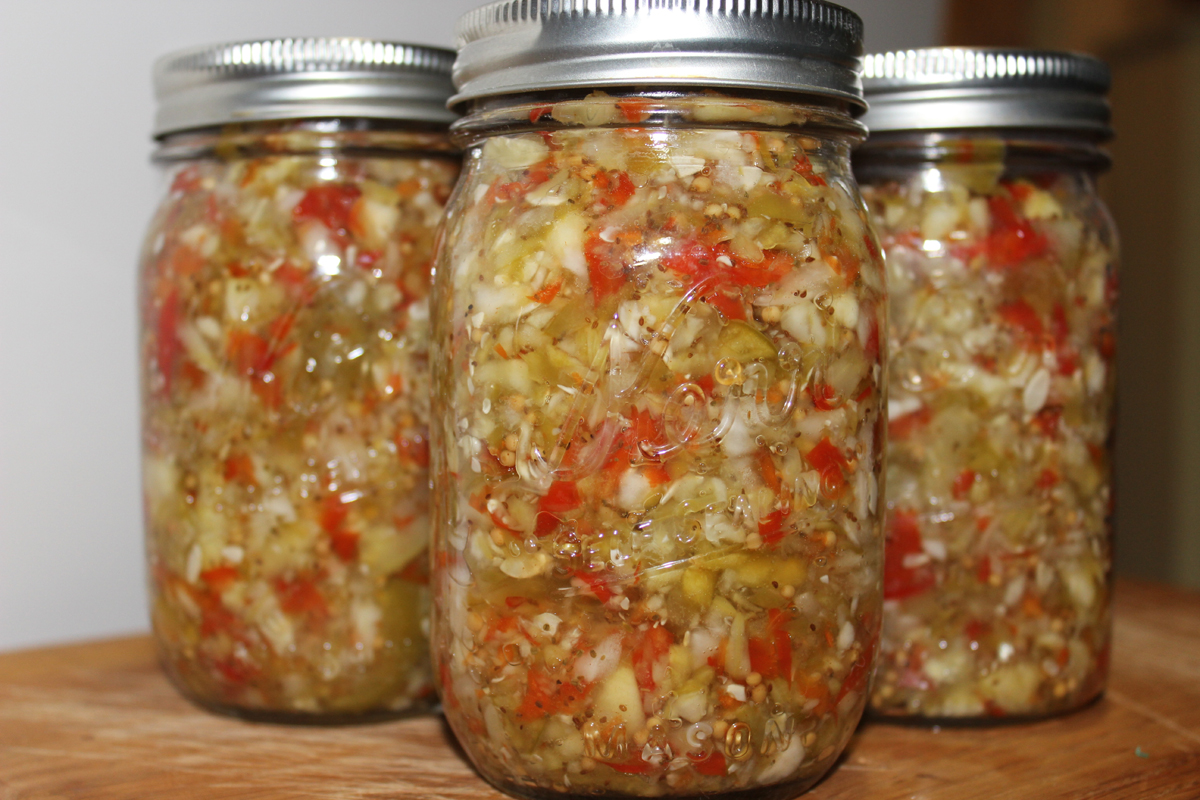
Chow chow amish recipe is not merely a culinary creation; it is a testament to the Amish way of life. Its preparation and enjoyment bring families and communities together, fostering a sense of belonging and shared traditions. Whether served as a side dish, appetizer, or condiment, this dish carries with it the warmth and hospitality that are synonymous with Amish culture.


