High altitude bread recipes: An enticing journey into the art of baking at elevated heights. Join us as we explore the unique challenges and adaptations required to create perfect loaves in the mountains.
Discover the secrets of adjusting recipes, understanding dough behavior, and troubleshooting common issues at high altitudes. Let’s embark on a culinary adventure where the air is thin, but the flavors are rich.
Overview of High Altitude Bread Baking
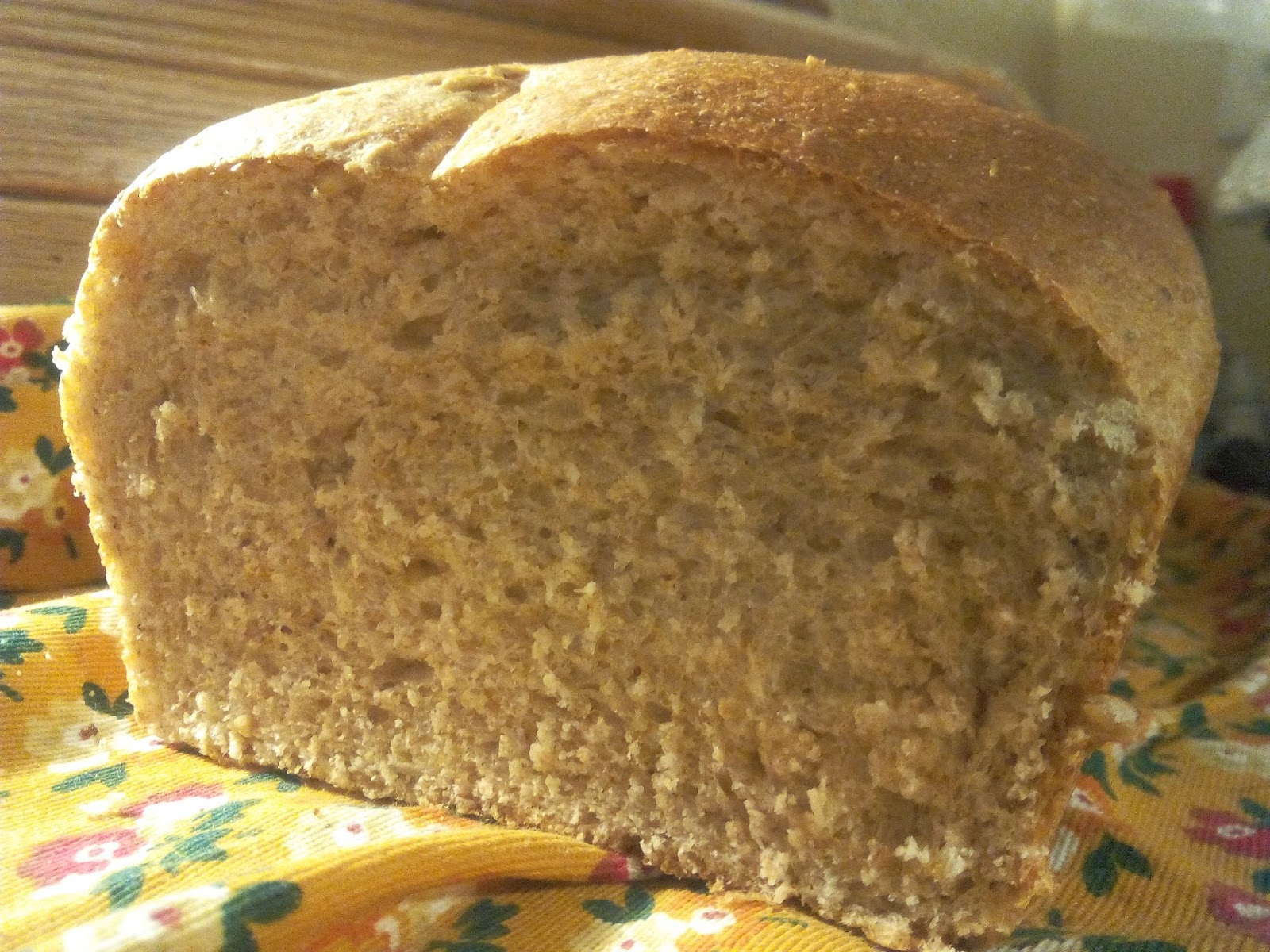
Baking bread at high altitudes presents unique challenges due to the lower atmospheric pressure and reduced oxygen levels. These factors affect the behavior of bread ingredients and the overall dough structure.
Effects of Altitude on Bread Ingredients and Dough Behavior
At higher altitudes, the lower atmospheric pressure causes water to boil at a lower temperature, resulting in a faster evaporation rate from the dough. This can lead to drier bread with a tougher crust. Additionally, the reduced oxygen levels slow down the activity of yeast, which can result in a slower rise and a denser loaf.
Adjustments for High Altitude Bread Recipes
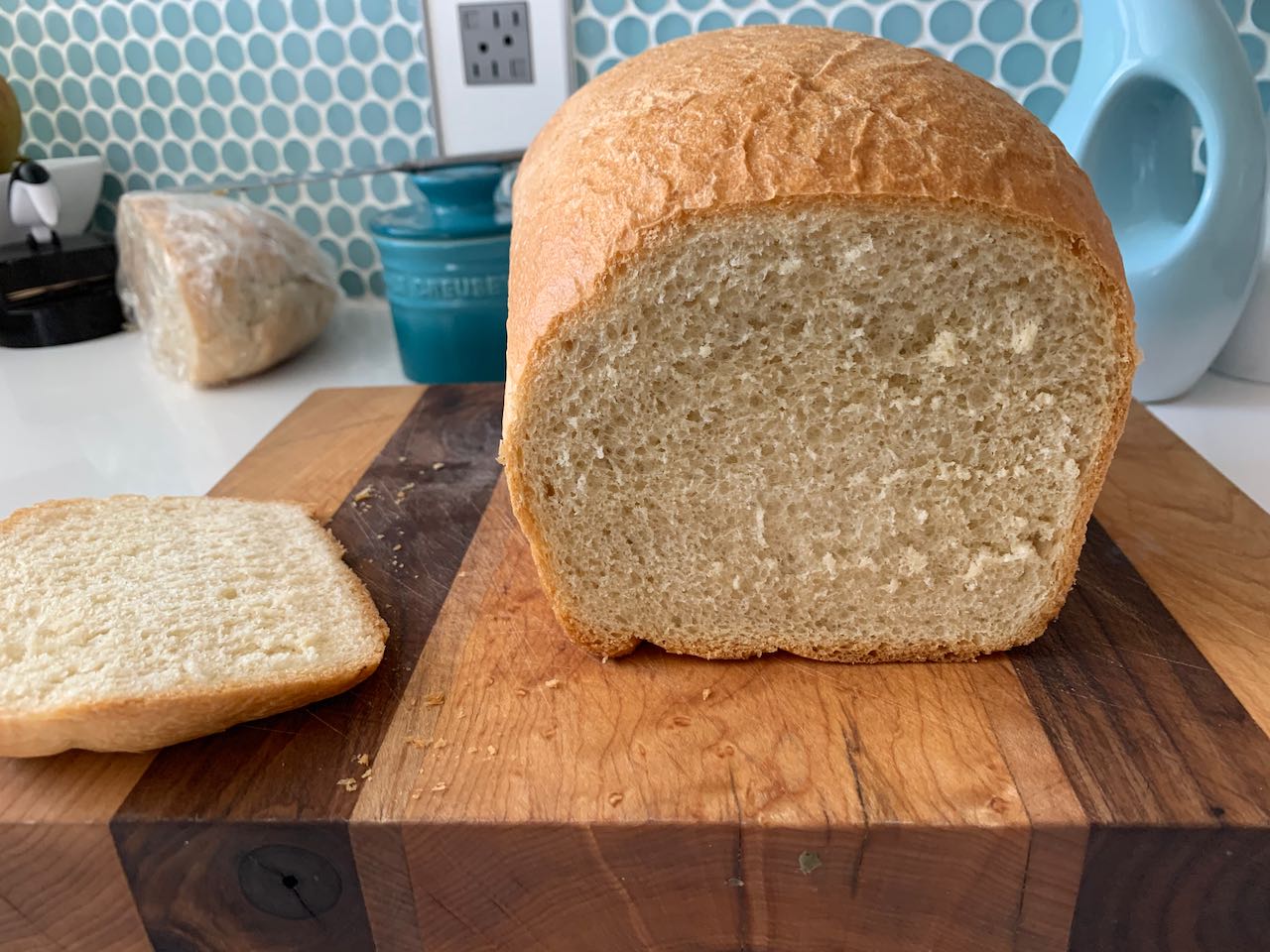
Baking bread at high altitudes presents unique challenges due to the lower atmospheric pressure and reduced oxygen levels. To achieve successful results, it is essential to make adjustments to traditional recipes.
The key adjustments for high altitude bread baking include:
Liquid Adjustments
- Reduce liquids:The lower atmospheric pressure at high altitudes causes liquids to evaporate more rapidly. To compensate, reduce the amount of liquid in the recipe by 5-10%.
- Increase sugar:Sugar helps to retain moisture in the bread. Add an extra tablespoon of sugar per loaf to improve texture and crumb.
Leavening Adjustments
- Increase baking powder and baking soda:The reduced oxygen levels at high altitudes slow down the leavening process. Increase the amount of baking powder and baking soda by 25-50% to ensure proper rise.
- Use fresh yeast:Old or inactive yeast may not perform well at high altitudes. Use fresh, active yeast to ensure proper fermentation.
Flour Adjustments
- Use bread flour:Bread flour has a higher protein content than all-purpose flour, which provides additional structure and support at high altitudes.
- Add vital wheat gluten:Vital wheat gluten is a concentrated form of protein that can be added to the flour to strengthen the dough and improve rise.
Baking Adjustments
- Reduce oven temperature:The lower atmospheric pressure at high altitudes causes baked goods to brown more quickly. Reduce the oven temperature by 25-50 degrees Fahrenheit to prevent over-browning.
- Increase baking time:The reduced oxygen levels at high altitudes slow down the baking process. Increase the baking time by 5-10 minutes to ensure thorough cooking.
Types of Breads Suitable for High Altitude Baking
Certain bread varieties are more successful at high altitudes than others. These breads tend to have a lighter texture and a more open crumb, which helps them rise properly in the thinner air.
Some examples of breads that are particularly well-suited for high altitudes include:
- Sourdough bread:Sourdough bread is made with a sourdough starter, which is a natural yeast that helps the bread rise. Sourdough bread has a slightly tangy flavor and a chewy texture, and it is well-suited for high altitudes because the sourdough starter helps to create a strong gluten network that can withstand the thinner air.
- Quick breads:Quick breads are made with baking powder or baking soda as the leavening agent, rather than yeast. Quick breads are typically denser than yeast breads, but they are also easier to make and can be made at high altitudes without any special adjustments.
- Flatbreads:Flatbreads are unleavened breads that are typically cooked on a hot griddle or in a tandoor oven. Flatbreads are very thin and crispy, and they are well-suited for high altitudes because they do not need to rise very much.
Ingredient Considerations
At high altitudes, the reduced atmospheric pressure affects how ingredients behave during baking. Certain ingredients may require adjustments to ensure successful bread making.
Here are the key ingredients to consider and recommended adjustments:
Flour
- Whole-wheat flour:Use less whole-wheat flour and more bread flour or all-purpose flour. Whole-wheat flour absorbs more liquid at high altitudes.
- Bread flour:Bread flour is high in gluten, which is crucial for high-altitude baking. Use a combination of bread flour and all-purpose flour to balance strength and tenderness.
Liquids
- Water:Reduce the amount of water by about 1-2 tablespoons per loaf. The lower atmospheric pressure causes liquids to evaporate more quickly at high altitudes.
- Milk:Use less milk and more water. Milk can make bread dense at high altitudes.
Leavening Agents
- Yeast:Increase the amount of yeast by about 25%. The reduced atmospheric pressure slows down yeast activity.
- Baking powder:Use more baking powder. The higher altitude reduces its effectiveness.
Sugar
- Sugar:Reduce the amount of sugar by about 1 tablespoon per loaf. Sugar can cause bread to brown too quickly at high altitudes.
Dough Management Techniques
At high altitudes, dough handling techniques require adjustments to compensate for the reduced atmospheric pressure and lower boiling point of water.
Due to the lower air pressure, dough rises more quickly and vigorously. This can lead to over-proofing, resulting in a dense, crumbly loaf. To prevent this, the dough should be handled more gently and allowed to rise for a shorter period.
Mixing and Kneading
- Mix the dough thoroughly to ensure even distribution of ingredients, but avoid over-mixing, which can toughen the dough.
- Knead the dough less than you would at lower altitudes. Over-kneading will develop the gluten too much, resulting in a tough loaf.
- Use a dough hook attachment on a stand mixer or knead by hand for a few minutes until the dough comes together and is slightly elastic.
Proofing
- Proof the dough in a warm, humid environment to encourage yeast activity.
- Reduce the proofing time by about 20-25% compared to lower altitudes.
- Check the dough for doneness by gently poking it with your finger. If it springs back slowly, it is ready to be baked.
Shaping
- Shape the dough gently to avoid degassing it.
- Use a light touch when shaping, as the dough will be more delicate at high altitudes.
- Allow the shaped dough to rest for a few minutes before baking to relax the gluten.
Baking Methods

Baking bread at high altitudes requires special techniques to achieve successful results. Different baking methods are suitable for high altitudes, each with its own advantages and disadvantages.
Oven Baking
- Advantages:Oven baking provides precise temperature control and even heat distribution, ensuring consistent baking throughout the loaf.
- Disadvantages:Requires a well-calibrated oven to ensure accurate temperature readings. High altitudes can lead to rapid evaporation, resulting in a dry crust.
Dutch Oven Baking
- Advantages:Dutch oven baking creates a humid environment, preventing excessive evaporation and promoting a crispy crust. It also helps trap steam, resulting in a soft and chewy interior.
- Disadvantages:Requires a heavy-bottomed Dutch oven with a tight-fitting lid. Can be challenging to control temperature accurately.
High-Altitude Pressure Cooker Baking
- Advantages:Pressure cooker baking creates a high-pressure environment that simulates lower altitudes. This results in well-risen loaves with a moist crumb.
li> Disadvantages:Requires a specialized high-altitude pressure cooker. Can be time-consuming and requires careful monitoring to prevent overcooking.
Combination Methods
Combination methods involve using a combination of baking techniques to achieve optimal results. For example, starting with oven baking to set the crust and then switching to Dutch oven baking to create a humid environment can produce a loaf with a crispy crust and a soft interior.
Troubleshooting Common Issues

Baking bread at high altitudes presents unique challenges, and common issues can arise. Understanding these problems and implementing effective solutions is crucial for successful high-altitude baking.
Problem: Dry and crumbly bread
Solution:Increase the hydration of the dough by adding more liquid (water or milk). This helps create a moist and tender crumb.
Problem: Dense and heavy bread
Solution:Reduce the amount of yeast used or increase the proofing time. Over-proofing can weaken the gluten structure, leading to a dense loaf.
High altitude bread recipes can be a bit tricky to master, but with the right ingredients and techniques, you can create delicious and fluffy loaves. If you’re looking for a sweet treat to enjoy with your bread, try this cinnamon toast crunch cookie recipe . These cookies are soft and chewy, with a sweet cinnamon flavor that will remind you of your favorite childhood cereal.
Once you’ve mastered the art of high altitude bread recipes, you’ll be able to impress your friends and family with your baking skills.
Problem: Bread that doesn’t rise properly
Solution:Check the yeast’s activity by dissolving it in warm water with a pinch of sugar. If it doesn’t foam, the yeast may be inactive and needs to be replaced.
Problem: Crust that is too thick or dark, High altitude bread recipes
Solution:Reduce the oven temperature or cover the bread with foil during the last 10-15 minutes of baking to prevent excessive browning.
Problem: Bread that is undercooked
Solution:Increase the baking time or use a lower oven temperature to ensure the bread is cooked through. Use an instant-read thermometer to check the internal temperature.
Recipe Development
Developing bread recipes specifically for high altitudes requires meticulous attention to detail and a willingness to experiment. Understanding the unique challenges posed by high altitudes is crucial for successful outcomes.
Recipe testing and adaptation are essential to ensure that bread recipes perform optimally at high altitudes. This involves adjusting ingredients, techniques, and baking times to compensate for the effects of reduced atmospheric pressure.
Ingredient Adjustments
- Reduce yeast: The lower atmospheric pressure at high altitudes can cause yeast to ferment too quickly, resulting in overly fermented dough.
- Increase sugar: Sugar provides additional food for yeast, helping to maintain a balanced fermentation process.
- Decrease salt: Salt inhibits yeast activity, so reducing the amount can help compensate for the increased fermentation rate.
- Add vital wheat gluten: This ingredient strengthens the dough, improving its ability to hold gases and rise properly.
Resources for High Altitude Bakers

Navigating the challenges of high altitude baking can be easier with the right resources at hand. Here are some valuable sources of information and support for high altitude bakers:
Websites and online forums dedicated to high altitude baking offer a wealth of knowledge, recipes, and tips from experienced bakers. Additionally, books written by experts in the field provide comprehensive guidance and troubleshooting advice.
Websites and Online Communities
- King Arthur Flour: https://www.kingarthurbaking.com/learn/resources/high-altitude-baking
- The High Altitude Baking Company: https://www.highaltitudebaking.com/
- Colorado Mountain Living: https://coloradomountainliving.com/travel/high-altitude-baking-recipes/
- Breadtopia: https://breadtopia.com/high-altitude-baking-guide/
Books
- High Altitude Baking, by Peter Reinhart
- The Complete Guide to High-Altitude Baking, by Lane Crowder
- Baking at High Altitudes, by Darla Worden
- The Baker’s Dozen: The Essential Guide to Baking at High Altitudes, by Jeanne Daly
Health and Safety Considerations: High Altitude Bread Recipes
High altitude bread baking generally poses no specific health or safety concerns beyond those associated with baking at sea level. However, certain precautions should be taken to ensure a safe and enjoyable baking experience.
One potential concern is the increased risk of burns due to the lower boiling point of water at high altitudes. Water boils at a lower temperature at higher altitudes, meaning it can reach boiling point more quickly and cause more severe burns.
Therefore, it’s crucial to be cautious when handling hot liquids and steam during the bread-making process.
Another consideration is the potential for altitude sickness, which can occur when ascending to high altitudes too quickly. Symptoms of altitude sickness can include headache, nausea, vomiting, and fatigue. While altitude sickness is unlikely to occur during bread baking, it’s important to be aware of the potential risks and take necessary precautions if baking at high altitudes for an extended period.
Safe Practices for High Altitude Bread Baking
- Use oven mitts or gloves when handling hot pans and liquids.
- Keep children and pets away from the baking area.
- Ensure adequate ventilation to prevent the buildup of steam.
- If experiencing symptoms of altitude sickness, descend to a lower altitude and seek medical attention if necessary.
Visual Guide to High Altitude Bread Baking
To help visualize the adjustments and differences in high altitude bread baking, here’s a table summarizing the key points and an infographic showcasing the variations in dough behavior and bread appearance.
The table provides a quick reference for the essential adjustments, while the infographic offers a visual representation of the changes you can expect.
Table: Key Adjustments for High Altitude Bread Baking
| Adjustment | Reason |
|---|---|
| Reduce liquid | Lower atmospheric pressure at high altitudes causes water to evaporate more quickly. |
| Increase yeast | Reduced atmospheric pressure can slow down yeast activity. |
| Use less sugar | Sugar feeds yeast, so reducing it can help balance the increased yeast. |
| Add vital wheat gluten | Gluten helps strengthen the dough structure at high altitudes. |
Infographic: Dough Behavior and Bread Appearance Differences
The infographic illustrates the differences in dough behavior and bread appearance between sea level and high altitude baking.
At sea level, the dough is typically more elastic and rises higher, resulting in a loaf with a taller, more open crumb. At high altitudes, the dough is denser and rises less, leading to a loaf with a shorter, tighter crumb.
The infographic also shows the effects of different adjustments, such as reducing liquid, increasing yeast, and adding vital wheat gluten, on the dough and bread appearance.
Ending Remarks
Whether you’re a seasoned baker or a curious beginner, high altitude bread recipes offer an exciting and rewarding experience. Embrace the challenge, experiment with techniques, and savor the taste of freshly baked bread that rises to the occasion.