The hogs head cheese recipe is a journey into culinary history and a testament to the art of using every part of the animal. With its origins in humble beginnings, this dish has evolved into a delicacy enjoyed by many.
This comprehensive guide will take you through the steps of preparing this unique dish, exploring its variations, and delving into its cultural significance. Get ready to savor the flavors of hogs head cheese!
Hogs Head Cheese Definition
Hogs head cheese is a traditional dish made from the head and other parts of a pig. It is a gelatinous meatloaf that is typically seasoned with salt, pepper, and other spices. Hogs head cheese has a long history, dating back to the Middle Ages, and is still popular in many parts of the world today.
Cultural Significance
Hogs head cheese is a dish that is often associated with poverty and rural life. In the past, it was a way to use up all of the parts of a pig, including the head, which was not considered to be a desirable cut of meat.
Today, hogs head cheese is still popular in many rural areas, and it is also becoming increasingly popular in urban areas as people become more interested in traditional foods.
Ingredients and Variations: Hogs Head Cheese Recipe

The essential ingredients for hogs head cheese include:
- Pig’s head (with skin and bones)
- Water
- Salt
- Spices (such as black peppercorns, bay leaves, and thyme)
Variations of the recipe can be made by using different meats, spices, and flavorings. For example, some recipes may use beef or veal instead of pork, and some may add vegetables such as onions or carrots to the mixture.
Meat Variations
In addition to pork, hogs head cheese can be made with other types of meat, such as beef, veal, or lamb. Each type of meat will give the hogs head cheese a slightly different flavor and texture.
Spices and Flavorings
The spices and flavorings used in hogs head cheese can vary depending on personal preference. Some common spices include black peppercorns, bay leaves, thyme, and garlic. Other spices that can be used include cloves, allspice, and juniper berries.
Step-by-Step Cooking s
Prepare hogs head cheese with ease by following these detailed s, ensuring a flavorful and satisfying dish.
The process involves thorough cleaning, meticulous cooking, and careful assembly, resulting in a delectable treat.
Cleaning the Hog’s Head
- Thoroughly wash the hog’s head under running water to remove any impurities.
- Using a sharp knife, remove the eyes, ears, and any remaining bristles.
- Cut the head into smaller pieces for easier handling and cooking.
Cooking the Hog’s Head
- In a large pot or Dutch oven, combine the hog’s head pieces with water, salt, pepper, and your desired seasonings.
- Bring to a boil, then reduce heat and simmer for several hours, or until the meat is tender and falls off the bone.
- Remove the meat from the broth and let it cool slightly.
Assembling the Hogs Head Cheese
- Remove the bones and cartilage from the cooked meat.
- Finely chop or grind the meat using a meat grinder or food processor.
- Combine the ground meat with the reserved broth and any additional seasonings to taste.
- Pour the mixture into a mold or terrine and refrigerate for several hours, or overnight, to set.
Serving Suggestions

Hogs head cheese can be enjoyed in various ways, from traditional to creative presentations. It can be served as an appetizer, a main course, or even as a snack.
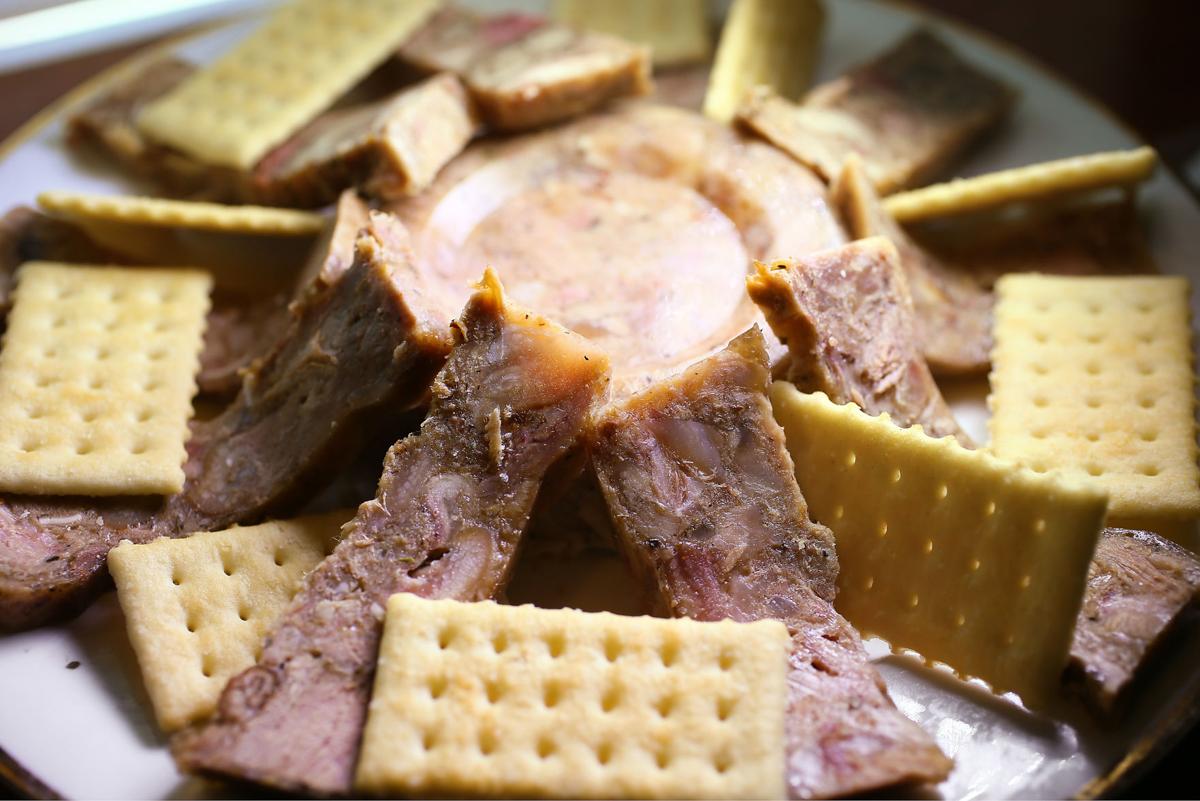
Accompaniments such as crackers, bread, or pickled vegetables add a nice contrast to the rich flavor of the hogs head cheese. Garnishes like fresh herbs, sliced onions, or capers provide an extra layer of texture and freshness.
Presentation Techniques
For a more elegant presentation, consider slicing the hogs head cheese thinly and arranging it on a platter with crackers or bread. You can also create a terrine by layering the hogs head cheese with other ingredients such as vegetables or fruits.
Nutritional Value
Hogs head cheese is a calorie-rich food, with a single serving providing a substantial amount of energy. It is also high in protein and fat, but it does not offer significant amounts of vitamins or minerals.
The nutritional content of hogs head cheese can vary depending on the specific recipe and ingredients used. However, in general, a 100-gram serving of hogs head cheese contains approximately:
- Calories: 350-400
- Protein: 20-25 grams
- Fat: 25-30 grams
Hogs head cheese is not a significant source of vitamins or minerals. However, it does contain some amounts of iron, zinc, and vitamin B12.
Potential Health Benefits
Hogs head cheese is a good source of protein and fat, which can be beneficial for people who need to gain weight or build muscle. It is also a good source of collagen, which is important for skin health and joint function.
Potential Health Concerns
Hogs head cheese is high in saturated fat and cholesterol. Eating too much saturated fat can increase the risk of heart disease. Cholesterol is a type of fat that can build up in the arteries and lead to heart disease.
Therefore, people with high cholesterol should limit their intake of hogs head cheese.
Safety Considerations
Hogs head cheese is a traditional dish that requires careful handling and preparation to ensure its safety and prevent potential foodborne illnesses. Here are important precautions to follow:
When preparing hogs head cheese, it is crucial to practice proper hygiene by washing hands thoroughly before and after handling ingredients and equipment. The work surface and utensils used should also be sanitized to prevent cross-contamination.
Proper Handling
- Use fresh ingredients and avoid using any meat that shows signs of spoilage, such as discoloration or an off odor.
- Keep the hogs head cheese refrigerated at all times, below 40°F (4°C), to inhibit bacterial growth.
- Do not leave the hogs head cheese out at room temperature for more than two hours.
- Discard any uneaten hogs head cheese after three days of refrigeration.
Proper Storage
- Store the hogs head cheese in an airtight container to prevent contamination and preserve its freshness.
- Freeze the hogs head cheese for long-term storage, up to three months.
- Thaw frozen hogs head cheese in the refrigerator before consuming.
Proper Consumption
- Cook the hogs head cheese thoroughly before consuming it to eliminate any potential pathogens.
- Reheat leftovers to an internal temperature of 165°F (74°C) before eating.
- Avoid consuming hogs head cheese if you have a weakened immune system or are pregnant.
Cultural and Regional Variations
Hogs head cheese has a long and varied history, with different cultures and regions developing their own unique takes on the dish.
Names and Traditions
In many parts of Europe, hogs head cheese is known as “head cheese” or “brawn.” In France, it is called “fromage de tête” (head cheese), while in Germany, it is known as “Sülze” (head cheese). In the United States, it is typically referred to as “hogs head cheese” or simply “head cheese.”
Comparison to Other Similar Dishes
Hogs head cheese shares similarities with other dishes made from animal heads, such as head cheese, scrapple, and terrine. These dishes all involve cooking the head of an animal, typically a pig, and using the resulting meat and gelatin to create a savory spread or loaf.
One key difference between hogs head cheese and other similar dishes lies in the ingredients used. Hogs head cheese typically includes the entire head of the pig, including the skin, bones, and cartilage. Head cheese, on the other hand, may use only the meat from the head, while scrapple often incorporates cornmeal or flour as a binder.
Terrine, a French dish, typically uses a variety of meats and vegetables, including pork, veal, and liver, in addition to the head.
The preparation methods for these dishes also vary. Hogs head cheese is typically boiled or steamed for several hours, allowing the collagen in the skin and bones to dissolve and create a gelatinous liquid. This liquid is then cooled and solidified to form the final product.
Head cheese and scrapple are also boiled, but they may be ground or chopped before being pressed into a mold. Terrine is typically made by layering different meats and vegetables in a mold and then baking or poaching it.
The flavor profiles of these dishes are also distinct. Hogs head cheese has a rich, meaty flavor with a slightly tangy note. Head cheese is often described as having a milder flavor, while scrapple is known for its cornmeal-based sweetness.
Terrine, with its combination of meats and vegetables, offers a more complex and nuanced flavor profile.
This hogs head cheese recipe is a classic dish that’s sure to please a crowd. If you’re looking for a more modern twist, try the turkey breast in cooking bag recipe . It’s a simple and delicious way to cook turkey that’s perfect for any occasion.
But if you’re a traditionalist at heart, you can’t go wrong with this hogs head cheese recipe.
Nutritional Value
In terms of nutritional value, hogs head cheese is a good source of protein and collagen. It is also relatively low in fat and carbohydrates. Head cheese and scrapple are also good sources of protein, but they are higher in fat and carbohydrates than hogs head cheese.
Terrine, due to its varied ingredients, can have a wider range of nutritional content depending on the specific recipe used.
Cultural and Regional Variations
Hogs head cheese and similar dishes have a long history in many cultures around the world. In Europe, hogs head cheese is a popular dish in Germany, France, and the Netherlands. In the United States, hogs head cheese is particularly popular in the South, where it is often served as a cold cut or appetizer.
Head cheese is also common in Eastern Europe, while scrapple is a staple dish in Pennsylvania Dutch cuisine. Terrine is a classic French dish that is often served as an elegant appetizer or main course.
Troubleshooting and FAQs
Preparing hogs head cheese can occasionally present challenges. Here are some common issues and their potential solutions, along with answers to frequently asked questions about ingredients, cooking techniques, and storage.
Problem: Excess Fat
If your hogs head cheese turns out too fatty, you can reduce the amount of fat by:
- Trimming excess fat from the pork head and other ingredients before cooking.
- Allowing the cooked mixture to cool completely before refrigerating, then skimming off any solidified fat from the surface.
Problem: Grainy Texture
To achieve a smooth texture in your hogs head cheese:
- Grind the pork head and other ingredients finely using a meat grinder with a small-holed plate.
- Simmer the mixture for an extended period, allowing the connective tissues to break down and create a more tender and cohesive texture.
Problem: Unpleasant Odor, Hogs head cheese recipe
If your hogs head cheese develops an unpleasant odor, it could be due to:
- Using spoiled or low-quality ingredients.
- Inadequate cleaning of the pork head or cooking utensils.
- Improper storage conditions, such as leaving the hogs head cheese out at room temperature for too long.
Frequently Asked Question: Can I use a different type of vinegar?
Yes, you can substitute white vinegar or apple cider vinegar for the red wine vinegar in the recipe. However, the flavor of the hogs head cheese may vary slightly depending on the type of vinegar used.
Frequently Asked Question: How long can I store hogs head cheese?
Properly stored in an airtight container in the refrigerator, hogs head cheese can last for up to 5 days. For longer storage, you can freeze it for up to 2 months.
Closure

The hogs head cheese recipe is a culinary gem that combines tradition, creativity, and deliciousness. Whether you’re a seasoned cook or a curious foodie, this dish is sure to tantalize your taste buds and leave a lasting impression.