Embark on a tantalizing culinary adventure with our exploration of the Puerto Rican Bistec Recipe, a beloved dish that encapsulates the vibrant flavors and rich history of the island’s cuisine. From its humble origins to its variations and cultural significance, this comprehensive guide will delve into the essence of this delectable dish, inspiring you to recreate it in your own kitchen.
As we unravel the secrets of the Puerto Rican Bistec, we’ll explore its preparation techniques, discover its diverse accompaniments, and uncover the stories and traditions that have shaped this culinary gem. Get ready to tantalize your taste buds and immerse yourself in the vibrant flavors of Puerto Rican cuisine.
Ingredients and Preparation

To prepare this flavorful Puerto Rican Bistec, you will need the following ingredients:
- Flank steak (1-2 pounds)
- Olive oil (1/4 cup)
- Lime juice (1/4 cup)
- Orange juice (1/4 cup)
- Garlic (2 cloves, minced)
- Cumin (1 teaspoon)
- Oregano (1 teaspoon)
- Salt and pepper (to taste)
Once you have gathered your ingredients, follow these steps to marinate and cook the bistec:
- In a large bowl, combine the flank steak, olive oil, lime juice, orange juice, garlic, cumin, oregano, salt, and pepper. Mix well to ensure the steak is evenly coated.
- Cover the bowl and refrigerate for at least 30 minutes, or up to overnight, to allow the flavors to penetrate the steak.
- When ready to cook, heat a grill or grill pan over medium-high heat. Remove the steak from the marinade and discard the marinade.
- Grill the steak for 5-7 minutes per side, or until cooked to your desired doneness. Let the steak rest for 5-10 minutes before slicing and serving.
Variations and Accompaniments
The Puerto Rican Bistec recipe offers a range of variations, reflecting regional preferences and personal tastes.
Variations include:
- Marinade Variations: The marinade can be customized with different spices, herbs, and liquids. Common additions include oregano, cilantro, cumin, garlic, onion, and citrus juices like lime or orange.
- Cooking Techniques: Bistec can be cooked using various methods, including pan-frying, grilling, or oven-baking. Each technique imparts a unique flavor and texture to the dish.
- Cut of Meat: Traditionally, bistec is made with skirt steak, but other cuts such as flank steak, top round, or tenderloin can also be used.
Side Dishes and Accompaniments
Bistec is typically served with a variety of side dishes and accompaniments that enhance its flavors and provide a balanced meal.
- Rice: White rice is a classic accompaniment to bistec, providing a neutral base that complements the savory flavors of the meat.
- Beans: Black beans, pinto beans, or kidney beans are popular choices to pair with bistec, adding a hearty and nutritious element to the meal.
- Vegetables: Roasted or steamed vegetables such as bell peppers, onions, and tomatoes add a vibrant and healthy dimension to the dish.
- Sauces: Bistec can be drizzled with a variety of sauces, such as chimichurri, aji, or a simple garlic-lime sauce, to enhance its flavor and moisture.
Cultural Significance and History
The Puerto Rican Bistec holds a profound cultural significance, deeply embedded in the culinary heritage of the island. Its origins can be traced back to the Spanish colonial era, where the dish was introduced by Spanish settlers.
Over time, the bistec evolved to become a beloved staple in Puerto Rican cuisine, reflecting the island’s rich cultural tapestry. It is a testament to the fusion of indigenous Taino, Spanish, and African culinary influences that shaped Puerto Rican gastronomy.
The Role of Bistec in Puerto Rican Cuisine
Bistec is more than just a dish; it is a symbol of Puerto Rican identity. It is a ubiquitous presence at family gatherings, celebrations, and everyday meals, bringing people together to share a taste of their cultural heritage.
The versatility of bistec allows it to be enjoyed in various forms. It can be served as the main course, accompanied by rice and beans, or as a filling for sandwiches and empanadas. Its adaptability makes it a staple in Puerto Rican kitchens, enjoyed by generations.
Presentation and Serving

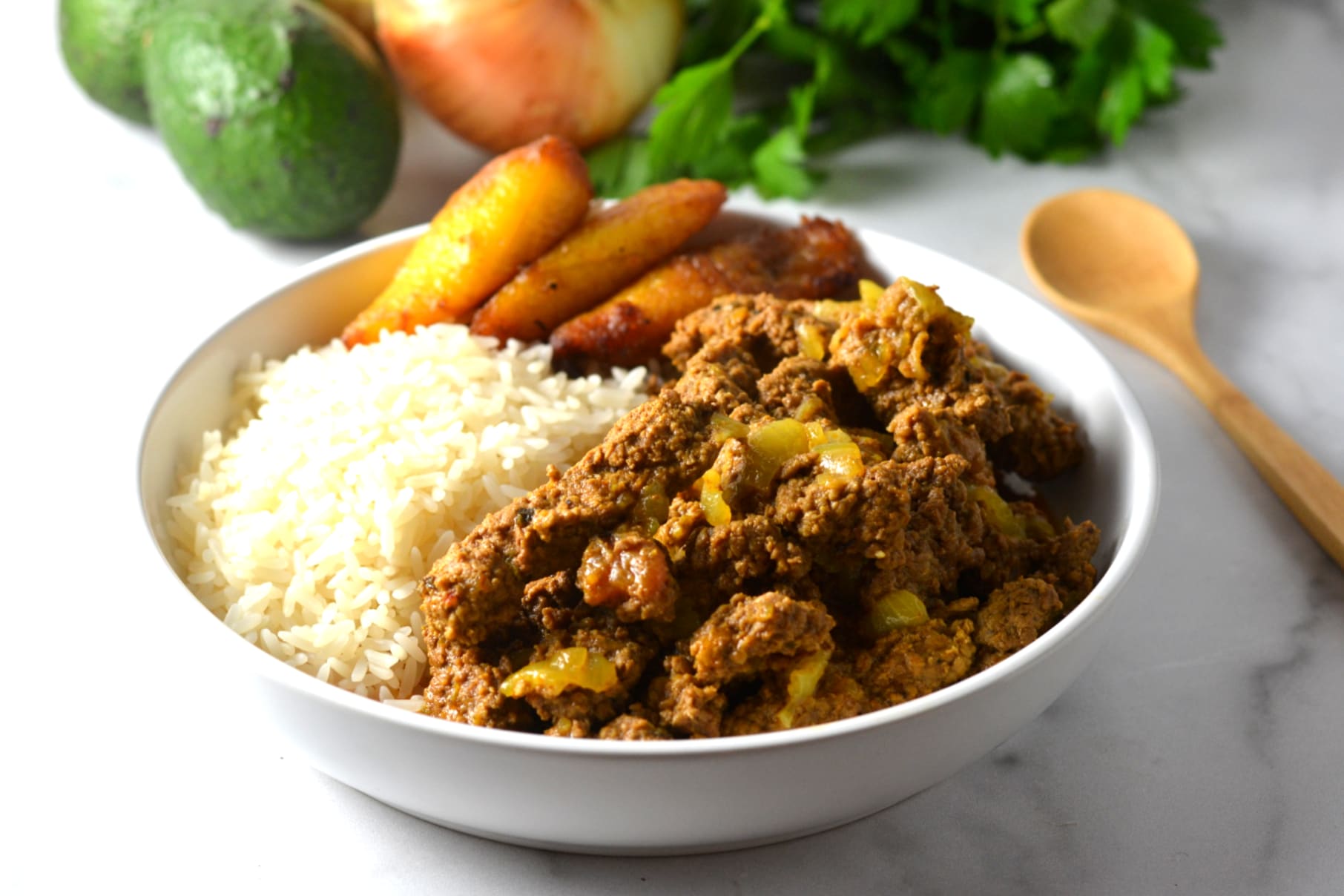
The presentation of Puerto Rican Bistec is an integral part of its culinary experience. Traditionally, the bistec is served on a warm plate with a side of rice and beans, showcasing the vibrant colors and flavors of the dish. Here are some tips to enhance the presentation and serving of your Puerto Rican Bistec:
Garnish with fresh herbs such as cilantro, parsley, or oregano to add a touch of color and freshness to the plate. These herbs not only enhance the visual appeal but also complement the flavors of the bistec.
Accompaniments
Traditional accompaniments for Puerto Rican Bistec include:
- Rice: Serve the bistec with a side of fluffy white rice or aromatic yellow rice (arroz con gandules) for a satisfying and filling meal.
- Beans: Pinto beans (habichuelas pintas) or stewed kidney beans (habichuelas guisadas) are popular accompaniments that add a savory and earthy flavor to the dish.
- Tostones: Fried plantains, known as tostones, provide a crispy and flavorful contrast to the tender bistec.
Ultimate Conclusion
Our exploration of the Puerto Rican Bistec Recipe concludes with a profound appreciation for its culinary significance and versatility. This dish, deeply rooted in Puerto Rican culture, continues to captivate taste buds and bring people together. Whether enjoyed as a family meal, a festive celebration, or a casual gathering, the Puerto Rican Bistec stands as a testament to the island’s rich culinary heritage.
As you venture into your own culinary adventures with this recipe, may it inspire you to embrace the vibrant flavors and traditions of Puerto Rican cuisine. Experiment with variations, explore different accompaniments, and create your own unique interpretations. The Puerto Rican Bistec Recipe is a culinary canvas, waiting for you to add your personal touch and create memories that will last a lifetime.
Expert Answers
What is the secret to a flavorful Puerto Rican Bistec?
The key lies in the marinade, which typically includes a blend of citrus juices, herbs, and spices. Allow the steak to marinate for several hours or overnight to absorb all the delicious flavors.
What are some common variations of the Puerto Rican Bistec recipe?
Variations can include using different cuts of steak, such as skirt steak or flank steak, and adjusting the marinade ingredients to suit personal preferences. Some recipes may also include additional ingredients like sofrito or bell peppers.
What are the traditional accompaniments for Puerto Rican Bistec?
Classic accompaniments include rice and beans, fried plantains, or a fresh salad. These side dishes complement the bold flavors of the bistec perfectly.