Embark on a culinary adventure with our enticing Pork Roast Recipe Dutch Oven. This classic cooking method transforms ordinary pork into an extraordinary delicacy, promising a symphony of flavors that will tantalize your taste buds.
Prepare to savor the juicy, succulent meat that falls off the bone with each delectable bite. Our expert guidance will lead you through every step, ensuring that your pork roast becomes a culinary masterpiece.
Introduction
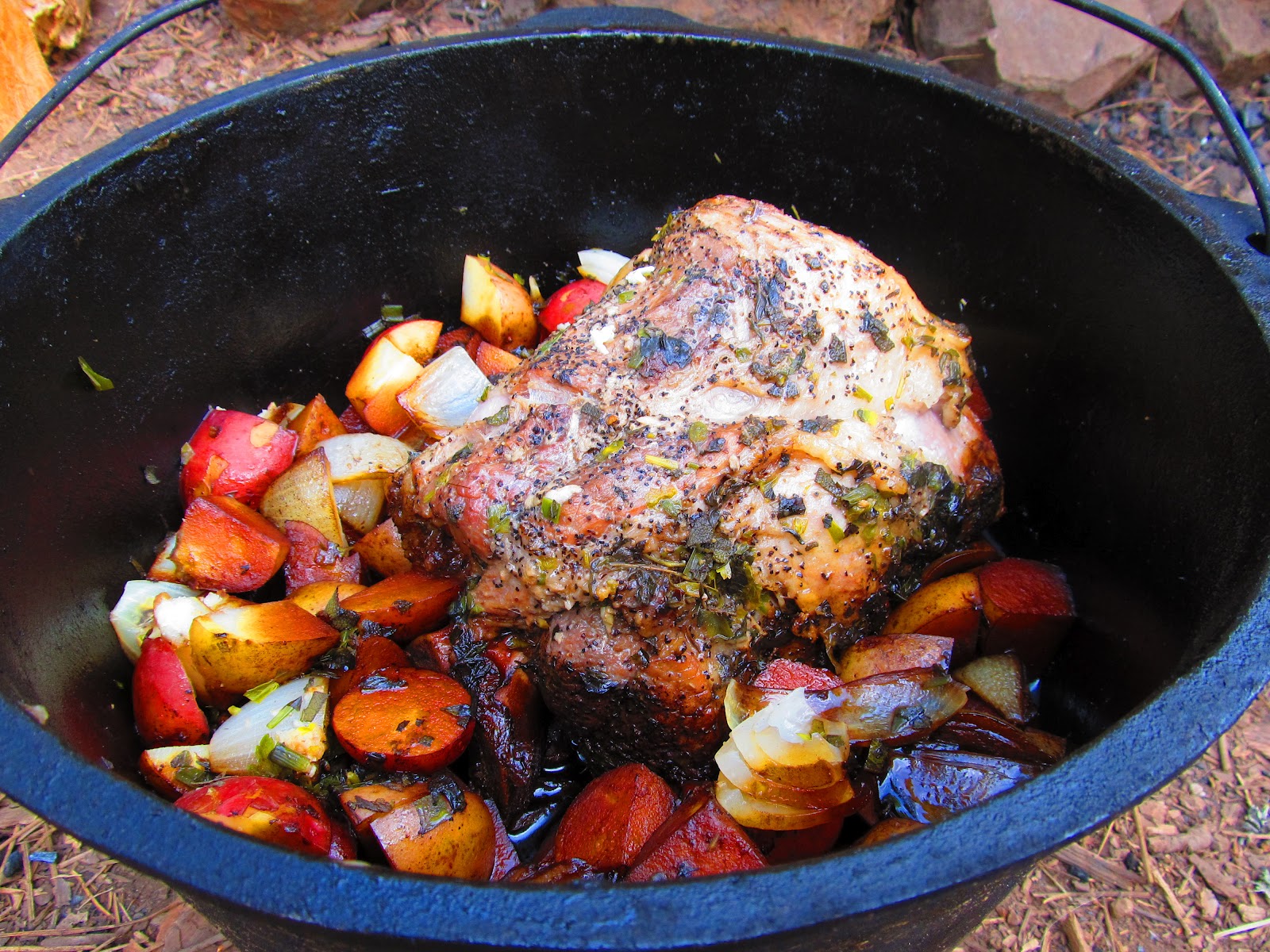
Pork roast cooked in a Dutch oven is a classic dish that offers a unique blend of flavors and textures. This cooking method combines the benefits of slow cooking with the added depth of flavor that comes from searing the meat in the pot.
Dutch ovens are heavy-bottomed pots with tight-fitting lids, which allow for even cooking and help to retain moisture. This makes them ideal for cooking tough cuts of meat like pork roast, which can become tender and flavorful when cooked slowly.
Benefits of Cooking Pork Roast in a Dutch Oven
- Even cooking: The heavy bottom of the Dutch oven ensures that the heat is distributed evenly, preventing hot spots and ensuring that the meat cooks evenly throughout.
- Moist and tender: The tight-fitting lid of the Dutch oven creates a moist environment, which helps to keep the meat tender and juicy.
- Rich flavor: The combination of searing the meat in the pot and then cooking it slowly in the flavorful juices creates a rich and complex flavor.
- Versatile: Dutch ovens can be used on the stovetop, in the oven, or even over an open fire, making them a versatile cooking tool.
Selecting the Perfect Pork Roast

Choosing the right cut of pork roast is crucial for a succulent and flavorful Dutch oven dish. Here are some key considerations and tips:
Cuts Suitable for Dutch Oven Cooking
- Pork Shoulder (Boston Butt): A well-marbled cut with plenty of connective tissue, resulting in tender and juicy meat after slow cooking.
- Pork Loin (Center-Cut Loin): A leaner cut with less fat, suitable for roasting or slicing for sandwiches.
- Pork Tenderloin: The most tender cut, but can be dry if overcooked. Best seared and roasted for a quick cook.
- Pork Belly: A fatty cut with a crispy skin when roasted. Ideal for braising or slow cooking to render the fat.
Tips for Choosing a High-Quality Roast
- Look for a bright pink color: Fresh pork should have a rosy hue, indicating its freshness.
- Check for marbling: Opt for roasts with good marbling (fat streaks), as it contributes to juiciness and flavor.
- Feel for firmness: The roast should be firm to the touch, not soft or mushy.
- Avoid excessive moisture: Avoid roasts with excessive moisture or a slimy surface, as this may indicate spoilage.
Preparing the Dutch Oven
Before using the Dutch oven for roasting, it’s essential to season it properly. This process enhances its non-stick properties and prevents the food from sticking.
To season the Dutch oven, apply a thin layer of oil or lard to its interior. Heat the oven to 350°F (175°C) and let it sit for an hour. Allow it to cool, then wipe away any excess oil. This process creates a polymerized layer on the surface, making it more durable and resistant to corrosion.
Achieving an Even Sear
To achieve an even sear on the pork roast, follow these steps:
- Preheat the Dutch oven over medium-high heat.
- Season the pork roast generously with salt and pepper.
- Add a small amount of oil to the Dutch oven and place the roast inside.
- Sear the roast on all sides for 3-4 minutes per side, or until golden brown.
- Remove the roast from the Dutch oven and set it aside.
Searing the roast helps develop flavor and create a crispy exterior while keeping the inside moist and tender.
Flavorful Ingredients and Techniques
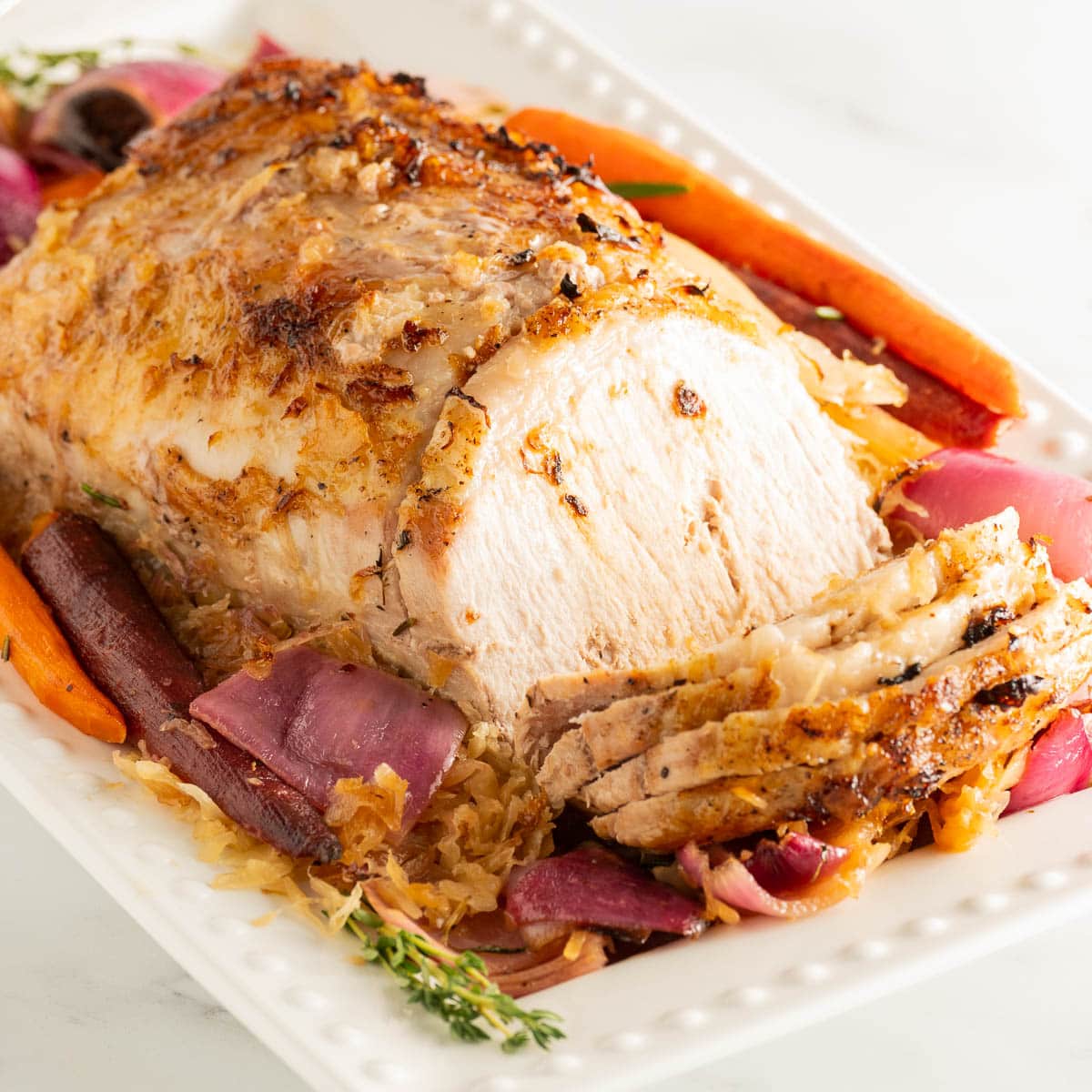
Elevating the flavor of pork roast requires a thoughtful selection of ingredients and techniques. From marinating to rubbing, various methods enhance the meat’s natural savoriness.
Marinating the Pork Roast
Marinating the pork roast allows the flavors to penetrate deeply, resulting in a succulent and flavorful dish. A well-balanced marinade typically consists of:
- Acidic Component: Lemon juice, vinegar, or buttermilk tenderizes the meat and adds tang.
- Oil: Olive oil or canola oil provides moisture and helps carry the flavors.
- Herbs and Spices: A blend of aromatic herbs and spices, such as rosemary, thyme, oregano, garlic, and paprika, enhances the meat’s flavor profile.
- Sweetener: Honey or maple syrup adds a touch of sweetness to balance the acidity.
Creating a Flavorful Rub
Rubbing the pork roast with a flavorful mixture of herbs, spices, and seasonings creates a crispy exterior and infuses the meat with bold flavors. A typical rub may include:
- Brown Sugar: Adds sweetness and caramelizes during cooking.
- Salt and Pepper: Enhances the natural flavors of the meat.
- Mustard: Provides tang and helps bind the rub to the meat.
- Smoked Paprika: Adds a smoky depth of flavor.
- Garlic and Onion Powder: Adds aromatic complexity.
Using Aromatics, Herbs, and Spices
Incorporating aromatics, herbs, and spices into the Dutch oven during cooking further elevates the flavor of the pork roast. Consider using:
- Aromatics: Onions, carrots, and celery add a savory base to the dish.
- Herbs: Fresh herbs like rosemary, thyme, and sage infuse the roast with aromatic notes.
- Spices: Whole spices like bay leaves, cloves, and peppercorns provide depth and warmth.
Last Word
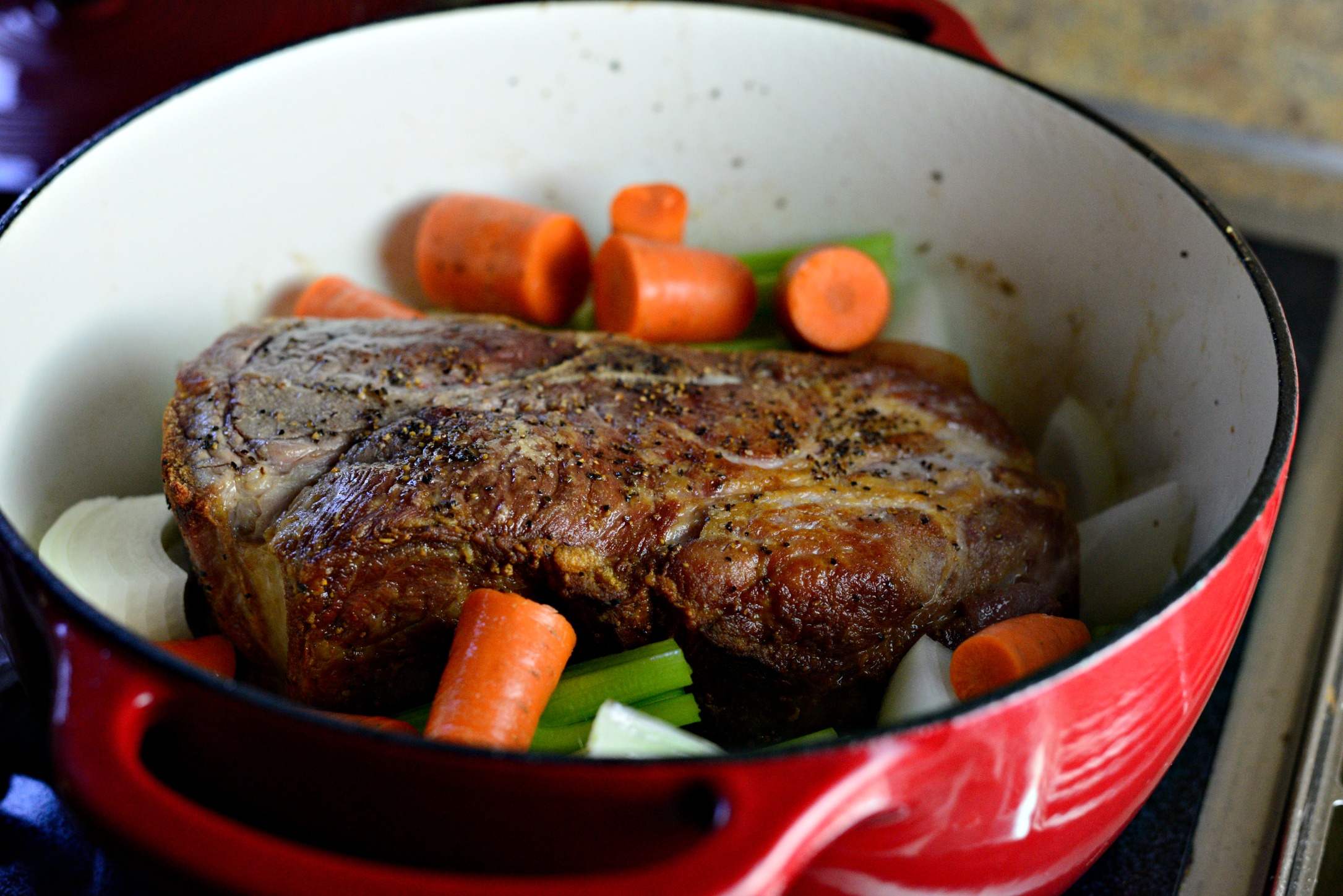
As you savor the final morsels of your delectable pork roast, let the flavors linger and create lasting memories. This Dutch oven masterpiece is a testament to the power of culinary artistry, and we are confident that it will become a cherished dish in your kitchen repertoire.
Thank you for joining us on this flavorful journey. We hope that our Pork Roast Recipe Dutch Oven has inspired you to create your own culinary adventures. Bon appétit!
FAQ Overview
What is the best cut of pork for roasting in a Dutch oven?
Pork shoulder or pork butt are excellent choices due to their rich flavor and marbling, which ensure a tender and juicy roast.
How long should I cook a pork roast in a Dutch oven?
Cooking time will vary depending on the size of the roast, but a general guideline is to cook at 325°F (163°C) for 4-5 hours or until the internal temperature reaches 145°F (63°C).
Can I use other liquids besides water in my pork roast recipe?
Absolutely! You can enhance the flavor of your roast by using flavorful liquids such as chicken broth, apple cider, or beer.