Unveiling the secrets of the Appalachian Mountains, we present the Apple Mash Moonshine Recipe, a testament to tradition and the pursuit of spirited perfection. Embark on a journey through the art of moonshining, where apples take center stage and the spirit of craftsmanship shines.
From orchard to still, this guide will equip you with the knowledge and techniques to create a smooth, flavorful moonshine that rivals the finest spirits. Let’s dive into the world of apple mash moonshine, where history, flavor, and a touch of rebellion intertwine.
Ingredients and Materials
Crafting apple mash moonshine demands a precise combination of ingredients and specialized equipment. Apples, the primary ingredient, impart their distinct flavor profile to the final spirit. Other ingredients, such as sugar, yeast, and water, play crucial roles in the fermentation and distillation processes.
The process also requires an array of equipment, including a fermentation vessel, airlock, hydrometer, still, and condenser. These tools enable precise control over the fermentation and distillation stages, ensuring the production of a high-quality moonshine.
Essential Ingredients
- Apples: Fresh, ripe apples provide the base flavor and fermentable sugars for the moonshine.
- Sugar: Sugar provides additional fermentable sugars, enhancing the alcohol yield.
- Yeast: Yeast is a microorganism that converts sugars into alcohol and carbon dioxide during fermentation.
- Water: Water dilutes the mash and helps regulate the fermentation process.
Equipment
- Fermentation Vessel: A large container, such as a food-grade bucket or carboy, for holding the mash during fermentation.
- Airlock: A device that allows carbon dioxide to escape during fermentation while preventing oxygen from entering.
- Hydrometer: A tool used to measure the specific gravity of the mash, indicating the progress of fermentation.
- Still: A device that separates alcohol from the mash through distillation.
- Condenser: A device that cools and condenses the alcohol vapors, separating them from the water vapor.
Apple Preparation
For an exceptional moonshine, choosing the right apple varieties is crucial. Aromatic and flavorful apples, such as McIntosh, Honeycrisp, or Granny Smith, impart a delightful complexity to the final product.
Once the apples are selected, meticulous preparation is essential. Thoroughly wash them to remove any dirt or debris. Cut the apples into small pieces to facilitate crushing, releasing their juices and maximizing flavor extraction.
Crushing the Apples
The traditional method of crushing apples involves using a press. This effectively extracts the juice without damaging the seeds or stems, which can introduce bitterness. Alternatively, a food processor or blender can be used for smaller batches, ensuring a fine crush that enhances the fermentation process.
Mashing and Fermentation
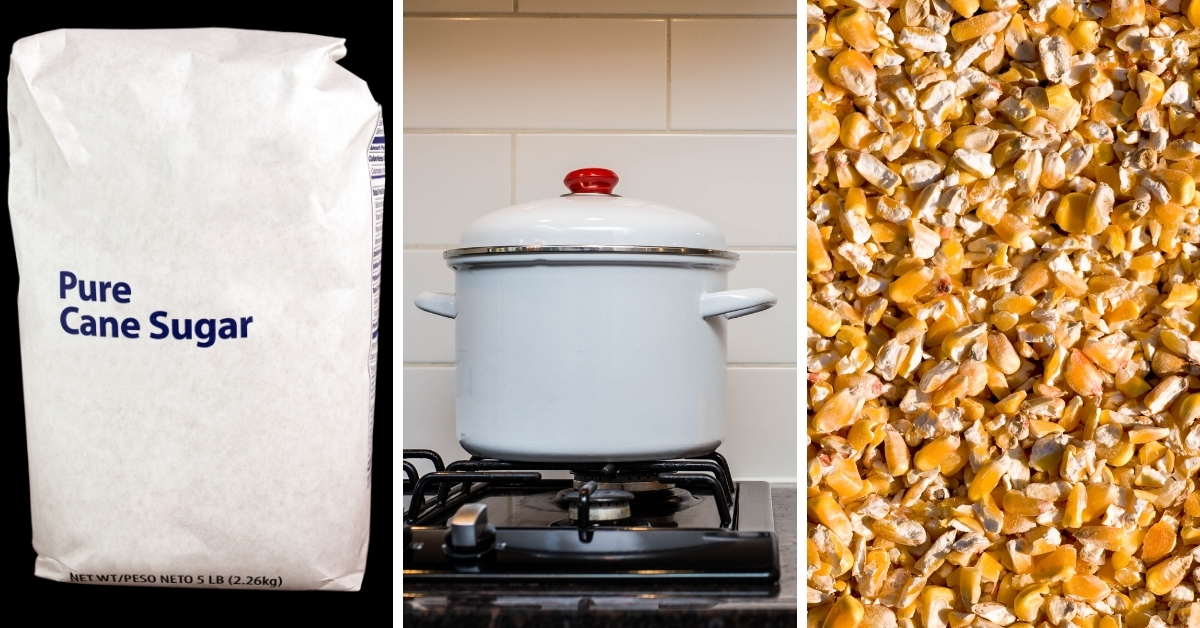
Mashing is the process of combining the apple pulp with water and enzymes to convert the starches in the apples into sugars. Fermentation is the process of converting those sugars into alcohol.
To create the apple mash, combine the apple pulp, water, and enzymes in a large fermentation vessel. The ratio of apples to water will vary depending on the type of apples used and the desired alcohol content. For a typical apple mash, a ratio of 1:4 (apples to water) is a good starting point.
Once the mash is created, it is important to control the temperature during fermentation. The ideal temperature for fermentation is between 60-70 degrees Fahrenheit. If the temperature is too low, the fermentation process will slow down. If the temperature is too high, the yeast will die and the fermentation process will stop.
Fermentation typically takes 7-10 days to complete. Once fermentation is complete, the mash is ready to be distilled.
Temperature Control
Temperature control is crucial during fermentation. The ideal temperature range for apple mash fermentation is between 60-70 degrees Fahrenheit. If the temperature is too low, the fermentation process will slow down. If the temperature is too high, the yeast will die and the fermentation process will stop.
There are a few ways to control the temperature of the mash. One way is to use a fermentation chamber. A fermentation chamber is a temperature-controlled environment that can be used to keep the mash at a constant temperature.
The Apple Mash Moonshine Recipe is a delightful and potent beverage that can be enjoyed in moderation. For those seeking a culinary adventure, consider exploring Pasta And Peas Recipes Italian , a collection of traditional and innovative Italian dishes that showcase the vibrant flavors of the Mediterranean.
Upon your return to the Apple Mash Moonshine Recipe, remember to consume responsibly and appreciate the nuances of its fruity and spirituous character.
Another way to control the temperature of the mash is to use a water bath. A water bath is a container of water that is heated to the desired temperature. The fermentation vessel is then placed in the water bath.
Duration of Fermentation
The duration of fermentation will vary depending on the temperature of the mash and the type of yeast used. Typically, fermentation will take 7-10 days to complete.
Once fermentation is complete, the mash is ready to be distilled. Distillation is the process of separating the alcohol from the mash.
Distillation

Moonshine distillation is a process of separating ethanol from a fermented mash. The basic principle involves heating the mash to vaporize the alcohol and then condensing the vapor back into a liquid, leaving behind impurities.
The distillation process requires specialized equipment, including a still, condenser, and collection vessel. The still is where the mash is heated, while the condenser cools and condenses the alcohol vapor. The collection vessel is where the distilled moonshine is collected.
Distillation Methods
There are two main methods of moonshine distillation: pot still distillation and column still distillation.
- Pot still distillation is a simple method that uses a single still to heat and condense the mash. This method produces a strong, flavorful moonshine with a high alcohol content.
- Column still distillation is a more complex method that uses a series of stills to heat and condense the mash. This method produces a purer, more refined moonshine with a lower alcohol content.
Aging and Filtering
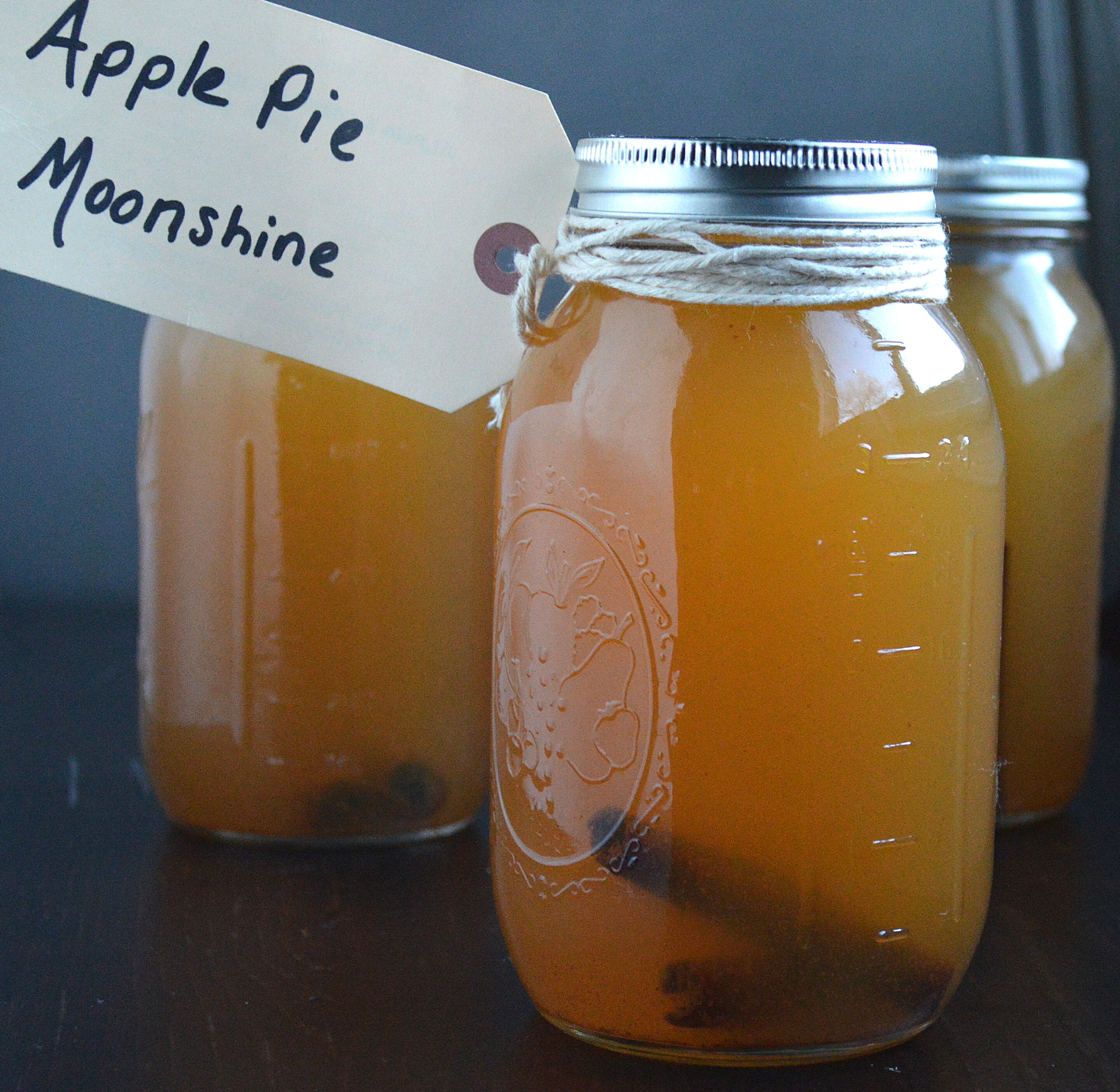
Aging moonshine enhances its flavor and smoothness. The aging process allows the alcohol to mellow and develop complex notes. Filtering removes impurities and improves the moonshine’s clarity and taste.
Apple Mash Moonshine Recipe, a classic concoction, offers a unique taste. For those seeking a different flavor profile, consider the Recipe For Root Beer Moonshine . This variant combines the sweetness of root beer with the kick of moonshine, creating a refreshing and invigorating beverage.
Returning to the Apple Mash Moonshine Recipe, remember to use ripe apples for the best flavor.
Aging
- Store moonshine in oak barrels for aging. Oak imparts tannins and flavors that add depth and character to the moonshine.
- Aging time varies depending on the desired flavor profile. Generally, 6-12 months is sufficient for a smooth and flavorful moonshine.
Filtering
Filter moonshine through activated charcoal or a coffee filter to remove impurities and improve its clarity. Activated charcoal is particularly effective at removing impurities that can affect the moonshine’s taste and aroma.
Variations and Flavors
Apple mash moonshine is a versatile spirit that can be customized to suit various tastes and preferences. Here are some ideas for variations and flavors:
Different Apple Varieties, Apple Mash Moonshine Recipe
The type of apples used will significantly impact the flavor of the moonshine. Experiment with different varieties, such as Granny Smith, McIntosh, or Honeycrisp, to find the flavor profile you enjoy most.
Additional Flavors and Spices
Incorporate additional flavors and spices to enhance the complexity of the moonshine. Consider adding cinnamon, nutmeg, cloves, or vanilla extract during the fermentation process. You can also infuse the moonshine with fruits like berries or citrus after distillation.
Safety Considerations
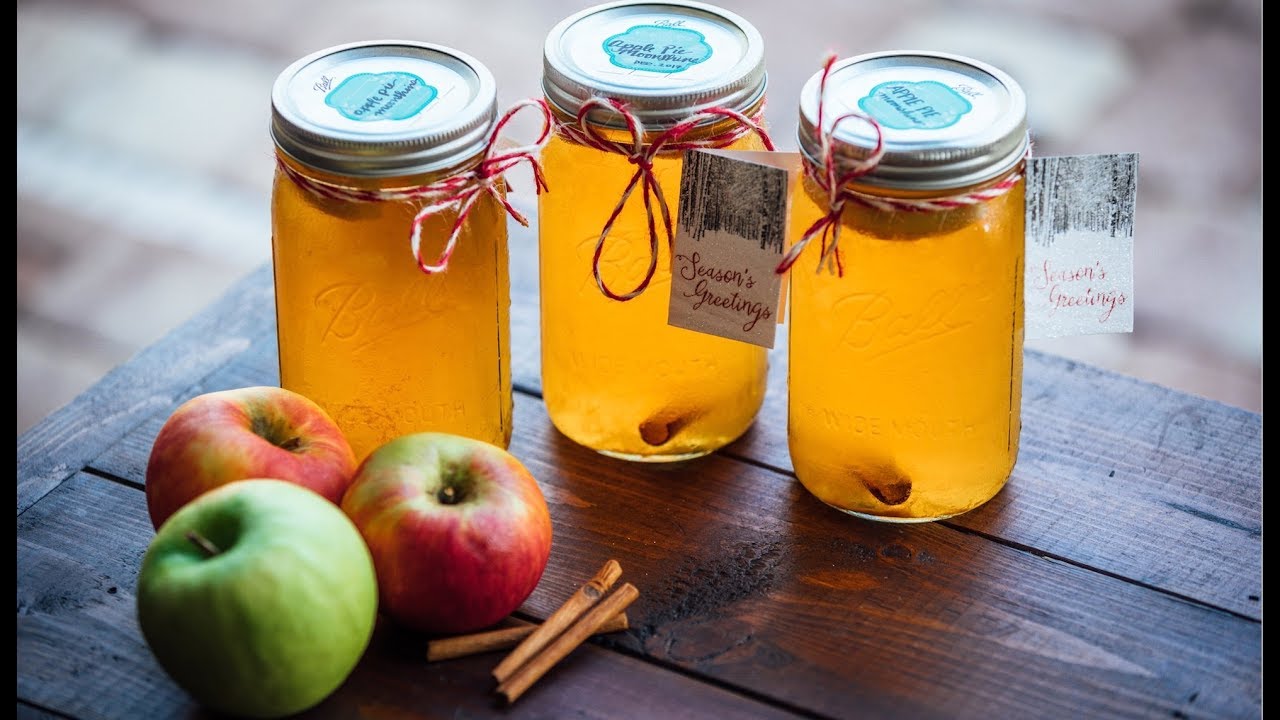
Moonshine production, while exciting, requires the utmost caution due to its inherent hazards. Understanding and adhering to safety precautions is paramount to ensure a safe and successful experience.
The primary hazard associated with moonshining is the potential for explosions or fires. Alcohol vapors are highly flammable, and any spark or ignition source can trigger a dangerous reaction. Additionally, the distillation process involves heating alcohol, which can create pressure buildup and lead to explosions if not handled properly.
Safe Handling of Alcohol Vapors
- Work in a well-ventilated area to prevent the accumulation of flammable vapors.
- Avoid using open flames or sparks near alcohol vapors.
- Ground all electrical equipment to prevent static discharge.
- Use a reflux condenser to return condensed alcohol vapors back into the still, reducing the risk of explosions.
Proper Distillation Practices
- Use a pressure relief valve on the still to release excess pressure and prevent explosions.
- Monitor the temperature of the still closely and avoid overheating the alcohol.
- Never leave the still unattended during distillation.
- Allow the still to cool completely before opening it.
Personal Safety
- Wear protective gear, including gloves, safety glasses, and a respirator, when handling moonshine.
- Avoid consuming moonshine directly from the still, as it can be highly potent and dangerous.
- Store moonshine in airtight containers away from heat and light.
Legal Regulations
Producing moonshine without proper licensing and permits is illegal in most jurisdictions. The legal implications of making moonshine vary depending on the country or region.
In the United States, for instance, the production of moonshine is prohibited under federal law and is subject to severe penalties, including fines and imprisonment. The Alcohol and Tobacco Tax and Trade Bureau (TTB) is responsible for enforcing these regulations and cracking down on illegal moonshine operations.
Penalties
- Fines of up to $10,000
- Imprisonment for up to five years
- Forfeiture of equipment and materials used in moonshine production
It is important to note that these penalties may vary depending on the jurisdiction and the specific circumstances of the case.
Recipes and Formulas
Apple mash moonshine is a versatile spirit that can be customized to various tastes and preferences. The following table Artikels three distinct recipes with varying ABV percentages, along with their corresponding ingredients and instructions:
Recipe 1: Basic Apple Mash Moonshine
- 10 pounds apples, cored and chopped
- 5 gallons water
- 10 pounds sugar
- 1 packet yeast
Instructions:
- Combine apples, water, and sugar in a large fermentation bucket.
- Stir well to dissolve the sugar.
- Add yeast and stir again.
- Cover the bucket and ferment for 7-10 days, or until the fermentation process is complete.
- Distill the mash using a still.
Recipe 2: Spiced Apple Mash Moonshine
- 10 pounds apples, cored and chopped
- 5 gallons water
- 10 pounds sugar
- 1 packet yeast
- 1 teaspoon ground cinnamon
- 1/2 teaspoon ground nutmeg
- 1/4 teaspoon ground cloves
Instructions:
- Combine apples, water, sugar, yeast, cinnamon, nutmeg, and cloves in a large fermentation bucket.
- Stir well to dissolve the sugar.
- Cover the bucket and ferment for 7-10 days, or until the fermentation process is complete.
- Distill the mash using a still.
Recipe 3: High-Proof Apple Mash Moonshine
- 10 pounds apples, cored and chopped
- 5 gallons water
- 15 pounds sugar
- 1 packet yeast
Instructions:
- Combine apples, water, sugar, and yeast in a large fermentation bucket.
- Stir well to dissolve the sugar.
- Cover the bucket and ferment for 7-10 days, or until the fermentation process is complete.
- Double-distill the mash using a still.
Tips and Troubleshooting: Apple Mash Moonshine Recipe
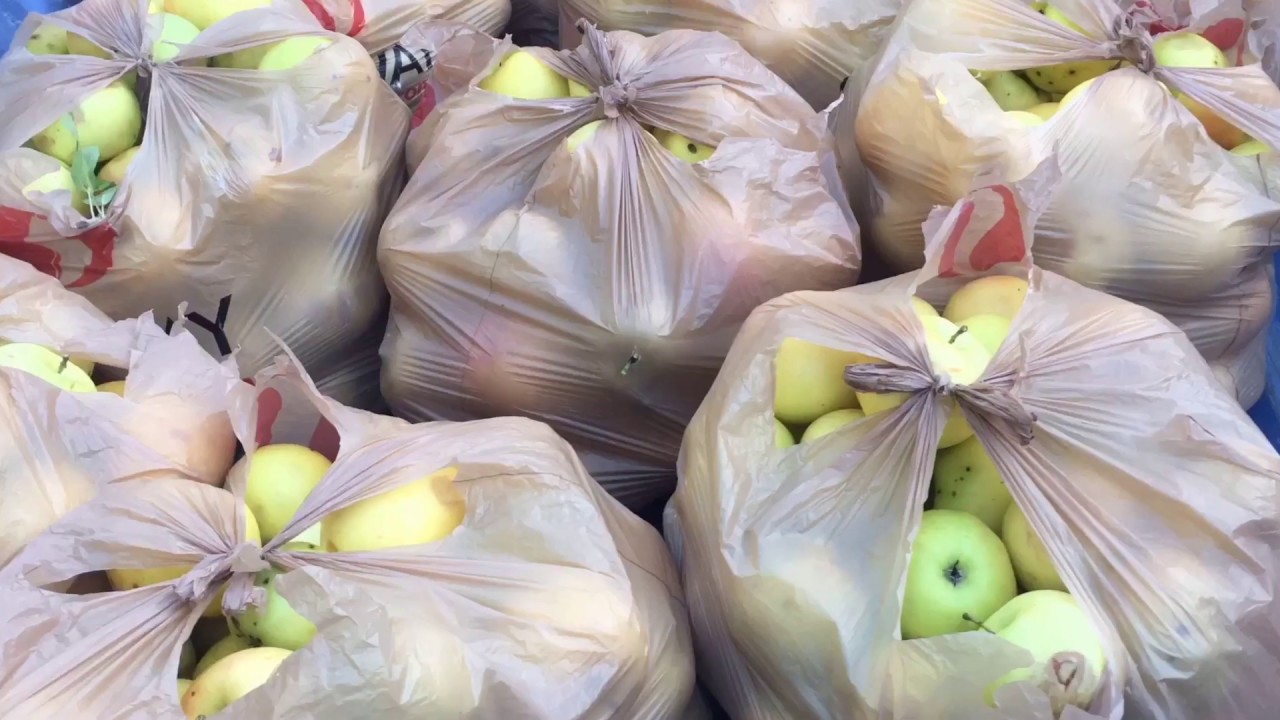
Mastering the art of apple mash moonshine requires patience and attention to detail. Here are some expert tips to enhance your yield and quality:
- Use ripe, flavorful apples: Sweet, juicy apples produce the best moonshine. Avoid bruised or rotten fruit.
- Grind apples finely: Smaller apple pieces allow for better extraction of sugars during fermentation.
- Control fermentation temperature: Keep the mash between 60-80°F (16-27°C) to ensure optimal yeast activity.
- Monitor sugar levels: Use a hydrometer to measure the sugar content of the mash. This helps determine when fermentation is complete.
- Distill slowly: A slow distillation process allows for better separation of alcohol from impurities.
- Cut the heads and tails: The first and last portions of the distillate contain impurities and should be discarded.
Troubleshooting common problems:
- Stuck fermentation: Add more yeast or try raising the fermentation temperature.
- Off-flavors: Identify the source of contamination and remove it. Use fresh ingredients and clean equipment.
- Low yield: Check the efficiency of your still or consider using a different apple variety.
- Cloudy moonshine: Filter the moonshine through a coffee filter or activated charcoal to remove impurities.
Last Point
As you savor the golden drops of your handcrafted apple mash moonshine, remember the passion and dedication that went into its creation. This timeless spirit embodies the spirit of camaraderie, the thrill of the unknown, and the satisfaction of a job well done. Whether enjoyed in solitude or shared with friends, may this moonshine bring warmth, merriment, and a touch of Appalachian magic to your gatherings.