Embark on a culinary journey with our comprehensive autumn frost squash recipe guide. From preparation techniques to nutritional benefits and creative recipes, we delve into the world of this versatile winter squash.
Whether you’re a seasoned chef or a home cook seeking inspiration, this guide will equip you with the knowledge and recipes to savor the unique flavors and textures of autumn frost squash.
Autumn Frost Squash Preparation

Autumn frost squash, known for its vibrant orange flesh and sweet, nutty flavor, requires careful preparation to preserve its nutritional value and enhance its taste. This guide will provide step-by-step instructions on selecting, cleaning, cutting, and preparing autumn frost squash using various methods.
Selecting and Cleaning Autumn Frost Squash
When selecting autumn frost squash, choose ones that are firm, heavy for their size, and have a deep orange color. Avoid squash with blemishes, bruises, or soft spots. Before using, thoroughly wash the squash with cool water to remove any dirt or debris.
Cutting Autumn Frost Squash
Cut the squash in half lengthwise using a sharp knife. Remove the seeds and stringy pulp using a spoon. Cut the squash into cubes, slices, or wedges, depending on the desired preparation method.
Preparing Autumn Frost Squash
Autumn frost squash can be prepared in various ways, each offering unique flavors and textures.
Roasting
Preheat oven to 400°F (200°C). Toss the squash cubes with olive oil, salt, and pepper. Spread on a baking sheet and roast for 20-25 minutes, or until tender and caramelized.
Baking
Preheat oven to 375°F (190°C). Cut the squash into slices and place on a baking sheet lined with parchment paper. Drizzle with honey or maple syrup and sprinkle with cinnamon. Bake for 15-20 minutes, or until tender and slightly browned.
Steaming
Fill a steamer basket with water and bring to a boil. Place the squash cubes or slices in the basket and steam for 10-15 minutes, or until tender.
Preserving Nutritional Value
To preserve the nutritional value of autumn frost squash during preparation, follow these tips:
- Use a sharp knife to cut the squash, as a dull knife can bruise the flesh and release nutrients.
- Minimize cooking time and use low heat whenever possible.
- Avoid overcooking, as this can break down vitamins and minerals.
- Store cooked squash in an airtight container in the refrigerator for up to 3 days.
Autumn Frost Squash Recipes
Autumn frost squash is a versatile and nutritious vegetable that can be used in a variety of recipes. It has a sweet, slightly nutty flavor and a firm texture that holds up well to cooking. Here is a table comparing various autumn frost squash recipes, including ingredients, cooking methods, and nutritional information:
| Recipe | Ingredients | Cooking Method | Nutritional Information |
|---|---|---|---|
| Roasted Autumn Frost Squash | 1 autumn frost squash, peeled and cubed
|
Preheat oven to 400 degrees F (200 degrees C). Toss squash with olive oil, salt, and pepper. Spread on a baking sheet and roast for 20-25 minutes, or until tender. | One serving (1 cup) contains approximately:
Calories 100 Fat 5 grams Carbohydrates You also can understand valuable knowledge by exploring nothing bundt cakes high point nc. 20 grams Protein 2 grams |
| Autumn Frost Squash Soup | 1 autumn frost squash, peeled and cubed
Salt and pepper to taste |
Heat a large pot over medium heat. Add onion and garlic and cook until softened. Add squash and broth and bring to a boil. Reduce heat and simmer for 15 minutes, or until squash is tender. Puree soup with an immersion blender or in a regular blender. Stir in milk or cream and season with salt and pepper to taste. | One serving (1 cup) contains approximately:
Calories 150 For descriptions on additional topics like nothing bundt cakes charleston sc, please visit the available nothing bundt cakes charleston sc. Fat 10 grams Carbohydrates 25 grams Protein 3 grams |
| Autumn Frost Squash Gratin | 1 autumn frost squash, peeled and sliced
|
Preheat oven to 375 degrees F (190 degrees C). Layer squash and onion in a greased 9×13 inch baking dish. Sprinkle with cheese and bread crumbs. Drizzle with melted butter. Bake for 30-35 minutes, or until squash is tender and cheese is melted and bubbly. | One serving (1 cup) contains approximately:
Calories 200 Fat 15 grams Carbohydrates 30 grams Protein 4 grams |
In addition to the recipes listed above, autumn frost squash can also be used in a variety of other dishes, such as salads, casseroles, and pies. It is a versatile and delicious vegetable that is perfect for fall cooking.
Flowchart: Classic Roasted Autumn Frost Squash
Here is a flowchart illustrating the steps involved in making a classic roasted autumn frost squash dish:
Start
|
v
Peel and cube autumn frost squash
|
v
Toss squash with olive oil, salt, and pepper
|
v
Spread squash on a baking sheet
|
v
Roast squash at 400 degrees F (200 degrees C) for 20-25 minutes
|
v
Serve roasted squash
|
End
Autumn Frost Squash Soup Recipe
This autumn frost squash soup is a delicious and hearty way to warm up on a cold fall day. It is made with a combination of autumn frost squash, onion, garlic, and chicken or vegetable broth.
The soup is then pureed until smooth and creamy. Here is a detailed recipe:
Ingredients:* 1 autumn frost squash, peeled and cubed
- 1 onion, chopped
- 2 cloves garlic, minced
- 4 cups chicken or vegetable broth
- 1/2 cup milk or cream
- Salt and pepper to taste
Instructions:
- Heat a large pot over medium heat. Add onion and garlic and cook until softened.
- Add squash and broth and bring to a boil. Reduce heat and simmer for 15 minutes, or until squash is tender.
- Puree soup with an immersion blender or in a regular blender.
- Stir in milk or cream and season with salt and pepper to taste.
- Serve soup warm.
Tips:* For a richer flavor, use roasted squash instead of raw squash. To roast squash, preheat oven to 400 degrees F (200 degrees C). Toss squash with olive oil, salt, and pepper. Spread on a baking sheet and roast for 20-25 minutes, or until tender.
- Add a pinch of nutmeg or cinnamon to the soup for extra flavor.
- Serve soup with a dollop of sour cream or yogurt.
Autumn Frost Squash Nutrition and Health Benefits
Autumn frost squash is a nutrient-rich vegetable that offers a wide range of health benefits. It is a good source of vitamins, minerals, and antioxidants, which are essential for maintaining overall health and well-being.
Nutritional Value
Autumn frost squash is a low-calorie food that is packed with essential nutrients. It is a good source of vitamins A, C, and K, as well as minerals such as potassium, magnesium, and phosphorus. It is also a good source of dietary fiber, which is important for digestive health.
Health Benefits
Consuming autumn frost squash has been linked to a number of health benefits, including:
- Improved digestion:The dietary fiber in autumn frost squash helps to promote regular bowel movements and prevent constipation.
- Reduced inflammation:The antioxidants in autumn frost squash help to reduce inflammation throughout the body.
- Boosted immunity:The vitamins A and C in autumn frost squash help to boost the immune system and protect the body from infection.
Nutrient Summary
The following table summarizes the key nutrients found in autumn frost squash and their corresponding health benefits:
| Nutrient | Health Benefits |
|---|---|
| Vitamin A | Improves vision, immune function, and skin health |
| Vitamin C | Boosts immunity, reduces inflammation, and promotes wound healing |
| Vitamin K | Promotes blood clotting and bone health |
| Potassium | Regulates blood pressure and heart function |
| Magnesium | Supports muscle function, nerve function, and bone health |
| Phosphorus | Supports bone health, muscle function, and energy production |
| Dietary fiber | Promotes digestive health, reduces cholesterol levels, and helps control blood sugar levels |
Autumn Frost Squash in Cuisine
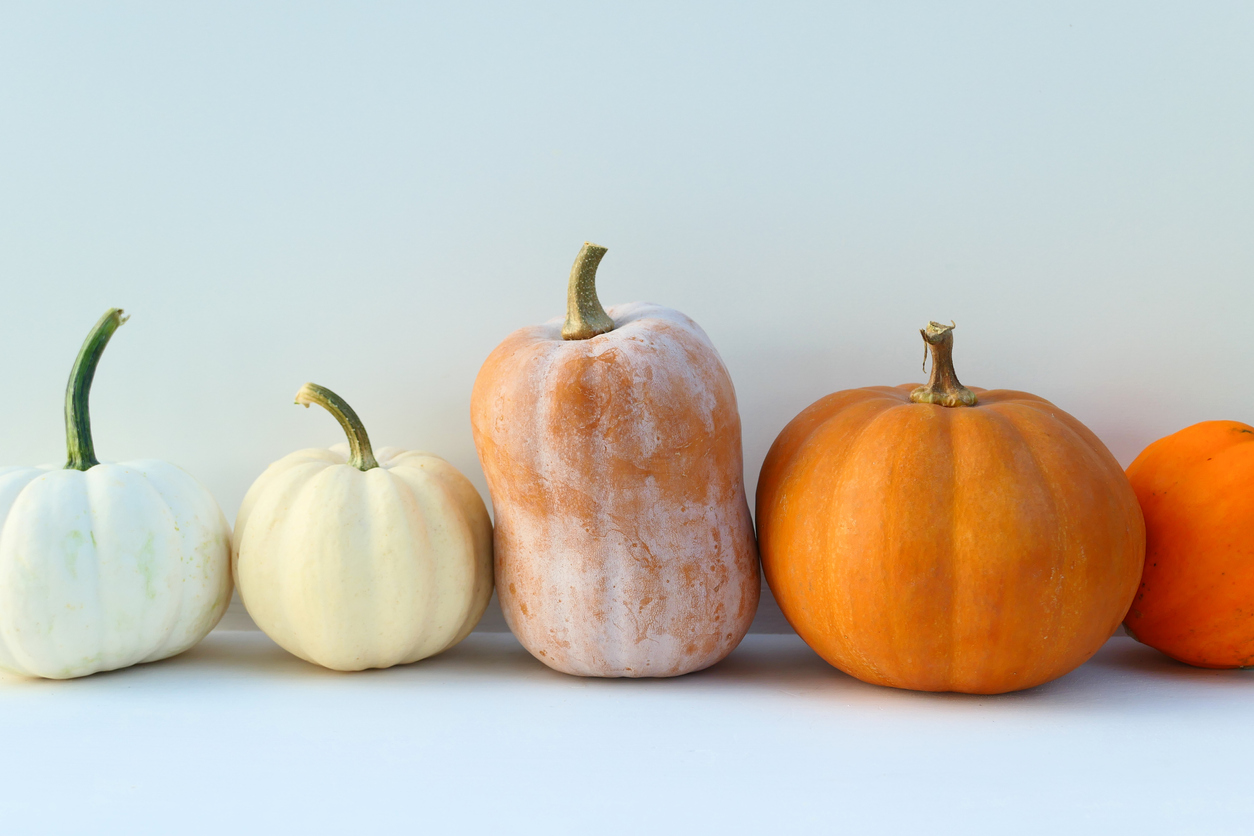
Autumn frost squash, with its vibrant orange hue and delicate flavor, is a versatile culinary ingredient that has found its way into various cuisines worldwide. Its unique combination of sweetness and earthy notes makes it an excellent choice for both sweet and savory dishes.
Traditional Dishes
In North America, autumn frost squash is often roasted or baked and served as a side dish or incorporated into soups, stews, and casseroles. In Mexico, it is used in traditional dishes like pipián, a mole sauce made with squash seeds and other spices.
In India, autumn frost squash is a key ingredient in sabzi, a vegetable curry.
Flavor Profile
The flavor profile of autumn frost squash is characterized by its natural sweetness, which is balanced by subtle earthy notes. Its flesh is tender and slightly fibrous, making it a satisfying ingredient to bite into. The squash’s versatility allows it to pair well with various flavors, from sweet and spicy to savory and herbaceous.
Culinary Applications, Autumn frost squash recipe
Autumn frost squash can be used in a variety of culinary applications, including:
Roasting
Roasting intensifies the squash’s sweetness and brings out its nutty flavor.
Baking
Baking is a gentle cooking method that preserves the squash’s delicate texture and flavor.
Sautéing
Sautéing autumn frost squash with other vegetables or meats creates a flavorful and colorful dish.
Pureeing
Pureed autumn frost squash can be used as a base for soups, sauces, and dips.
Pickling
Pickling preserves the squash’s flavor and adds a tangy element to dishes.
Ultimate Conclusion

As the autumn leaves dance and the air turns crisp, let the autumn frost squash be your culinary muse. Experiment with our recipes, savor its nutritional goodness, and create memorable meals that celebrate the flavors of the season.