Embark on a culinary adventure with the Ballerina Farm Sourdough Bread Recipe, where tradition and innovation intertwine. This recipe unveils the secrets of crafting exceptional sourdough bread, guiding you through every step with precision and passion.
At the heart of this recipe lies the sourdough starter, a living culture that brings life to the bread. We’ll explore the art of creating and maintaining a healthy starter, ensuring the foundation of your sourdough journey is strong.
Sourdough Starter
A sourdough starter is a fermented dough made from flour and water. It is used as a leavening agent in baking, giving bread a characteristic sour flavor and chewy texture. Creating a sourdough starter from scratch is a simple process that takes about a week.
To make a sourdough starter, you will need:
- 1 cup whole wheat flour
- 1 cup water
- A clean glass jar or container
Instructions:
- In a clean glass jar or container, whisk together the flour and water. The mixture should be thick and sticky, but not too dry.
- Cover the jar loosely with a cheesecloth or a lid and place it in a warm place (about 75-80 degrees Fahrenheit). Let it sit for 24 hours.
- After 24 hours, discard half of the starter and feed it with 1/2 cup of whole wheat flour and 1/2 cup of water. Stir well and cover it loosely again.
- Repeat step 3 every 12-24 hours. After a few days, you will start to see bubbles forming in the starter. This means that the fermentation process is underway.
- Continue to feed the starter daily for about a week. After a week, your starter should be ready to use.
Maintaining a Healthy and Active Sourdough Starter
Once you have a sourdough starter, it is important to maintain it properly to keep it healthy and active. Here are some tips:
- Feed your starter regularly. The frequency with which you need to feed your starter will depend on the temperature of your kitchen. In a warm kitchen, you may need to feed your starter every day. In a cooler kitchen, you may only need to feed it once a week.
- Use filtered or spring water to feed your starter. Chlorine and other chemicals in tap water can kill the beneficial bacteria in your starter.
- Store your starter in a warm place. The ideal temperature for storing a sourdough starter is between 75-80 degrees Fahrenheit.
- If you are going to be away for more than a few days, you can store your starter in the refrigerator. Just be sure to bring it back to room temperature and feed it before using it again.
Ballerina Farm Ingredients
At Ballerina Farm, we believe that the quality of our ingredients is paramount to the exceptional flavor and nutritional value of our sourdough bread. Our ingredients are meticulously sourced from organic and sustainable farms, ensuring that we deliver the highest quality product to our customers.
Using high-quality ingredients is essential for creating exceptional sourdough bread. The flour, water, salt, and sourdough starter all play a crucial role in determining the final product’s taste, texture, and nutritional content. By using the finest ingredients, we can guarantee that our bread is not only delicious but also packed with nutrients.
Organic and Sustainable Sourcing
- Our flour is stone-ground from organic wheat, preserving the grain’s natural nutrients and flavor.
- Our water is sourced from a pristine mountain spring, providing pure and refreshing hydration.
- Our salt is unrefined and hand-harvested from the Atlantic Ocean, adding a touch of natural salinity.
Supporting Local and Ethical Farming Practices
We are committed to supporting local and ethical farming practices. By partnering with farmers who share our values of sustainability and quality, we can ensure that our ingredients are grown and harvested in an environmentally friendly and socially responsible manner. This not only benefits our customers but also supports the local economy and promotes a healthier planet.
Sourdough Bread Baking Process

The sourdough bread baking process is an ancient art that requires patience and skill. It begins with creating a sourdough starter, a fermented mixture of flour and water that contains wild yeast and bacteria. The starter is then used to leaven the bread dough, giving it its characteristic sour flavor and chewy texture.
The bread baking process can be divided into four main steps: mixing, shaping, rising, and baking.
Mixing
The first step is to mix the sourdough starter with flour, water, and salt. The dough should be sticky and elastic, but not too wet or dry. The amount of water needed will vary depending on the type of flour used.
Shaping
Once the dough has been mixed, it is shaped into a loaf. The loaf can be shaped into any shape you like, but the most common shapes are round or oval.
Rising
The shaped loaf is then placed in a warm place to rise. The rising time will vary depending on the temperature of the room and the activity of the sourdough starter. The dough should double in size during this time.
Baking
Once the dough has risen, it is baked in a preheated oven. The baking time will vary depending on the size and shape of the loaf. The bread is done when it is golden brown and sounds hollow when tapped.
The sourdough bread baking process is a complex one, but it is also very rewarding. With a little practice, you can create delicious, healthy sourdough bread that your family and friends will love.
Sourdough Bread Variations
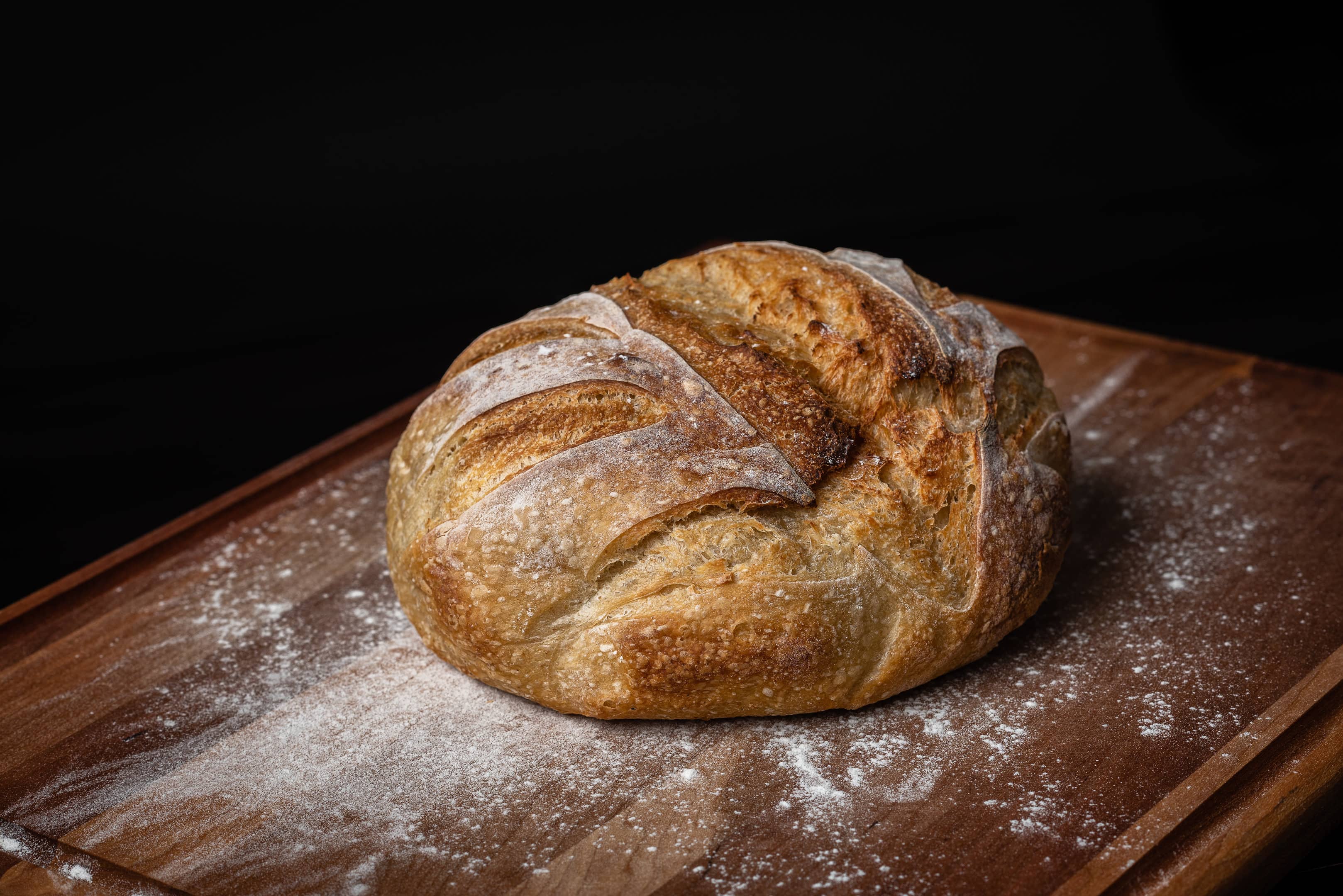
Sourdough bread offers a versatile canvas for culinary creativity. By experimenting with different flours, add-ins, and techniques, you can create a wide range of unique and flavorful loaves.
Whole Wheat Sourdough
Whole wheat flour imparts a nutty flavor and a denser texture to sourdough bread. It is a nutritious option rich in fiber, vitamins, and minerals.
Rye Sourdough
Rye flour adds a distinctive tang and chewy texture to sourdough bread. Rye loaves have a lower rise than wheat loaves and a slightly sour flavor.
Seeded Sourdough
Adding seeds to sourdough bread not only enhances its nutritional value but also creates a delightful crunch and flavor. Popular seed options include sunflower seeds, pumpkin seeds, and flaxseeds.
Summary
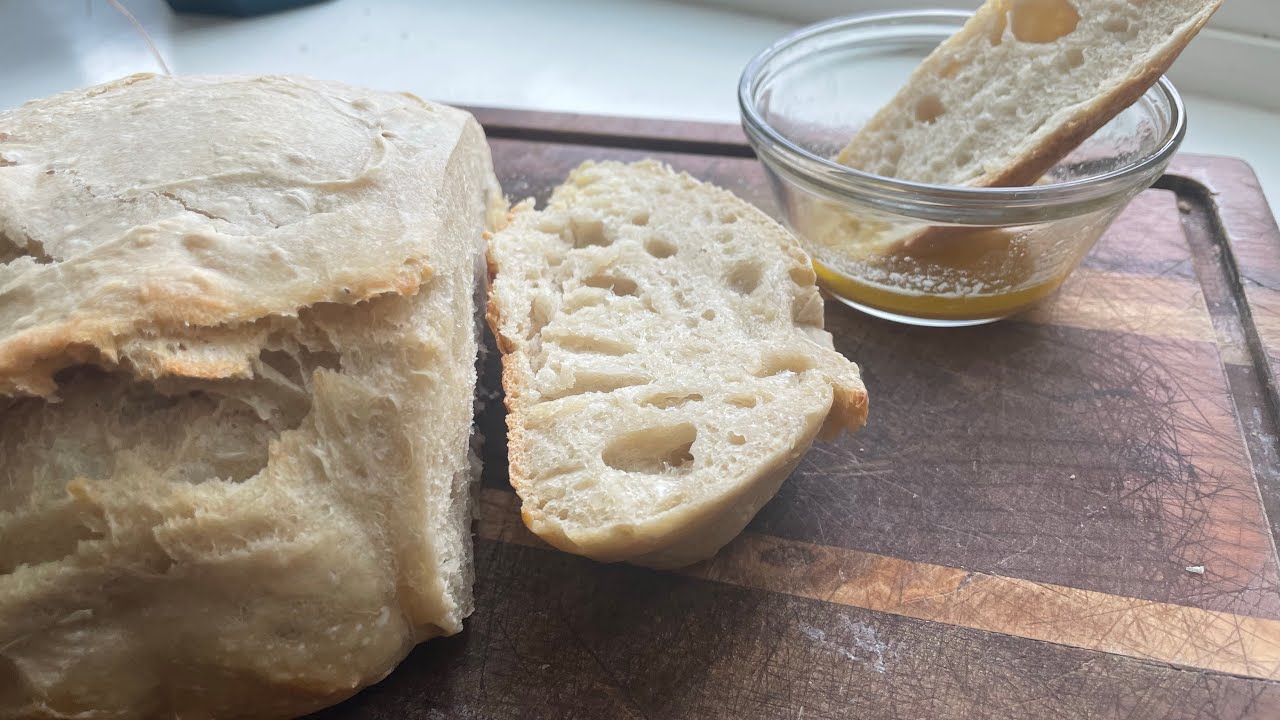
As you delve into the baking process, you’ll witness the transformation of simple ingredients into a masterpiece. From the gentle kneading to the patient rising, each step contributes to the symphony of flavors and textures that define sourdough bread.
Whether you’re a seasoned baker or a novice eager to explore the world of sourdough, this recipe will empower you to create artisanal bread that nourishes both body and soul.
Query Resolution
How long does it take to create a sourdough starter?
Typically, creating a sourdough starter takes 5-7 days, with daily feedings and observations.
What is the ideal temperature for sourdough fermentation?
For optimal fermentation, maintain a temperature range between 75-85°F (24-29°C).
How do I store my sourdough bread?
Store your sourdough bread in a cool, dry place, such as a bread box or wrapped in a linen cloth. It can last for several days.
