Bean recipes for kids can be a delightful way to introduce them to the wonderful world of legumes. Not only are beans packed with essential nutrients, but they can also be transformed into tasty and kid-friendly dishes that will make mealtimes more enjoyable.
In this guide, we'll explore a variety of easy and fun bean recipes that are perfect for little hands and taste buds. From colorful bean salads to creamy bean soups and even sweet bean treats, we'll show you how to incorporate beans into your child's diet in a delicious and nutritious way.
Introduction to Bean Recipes for Kids
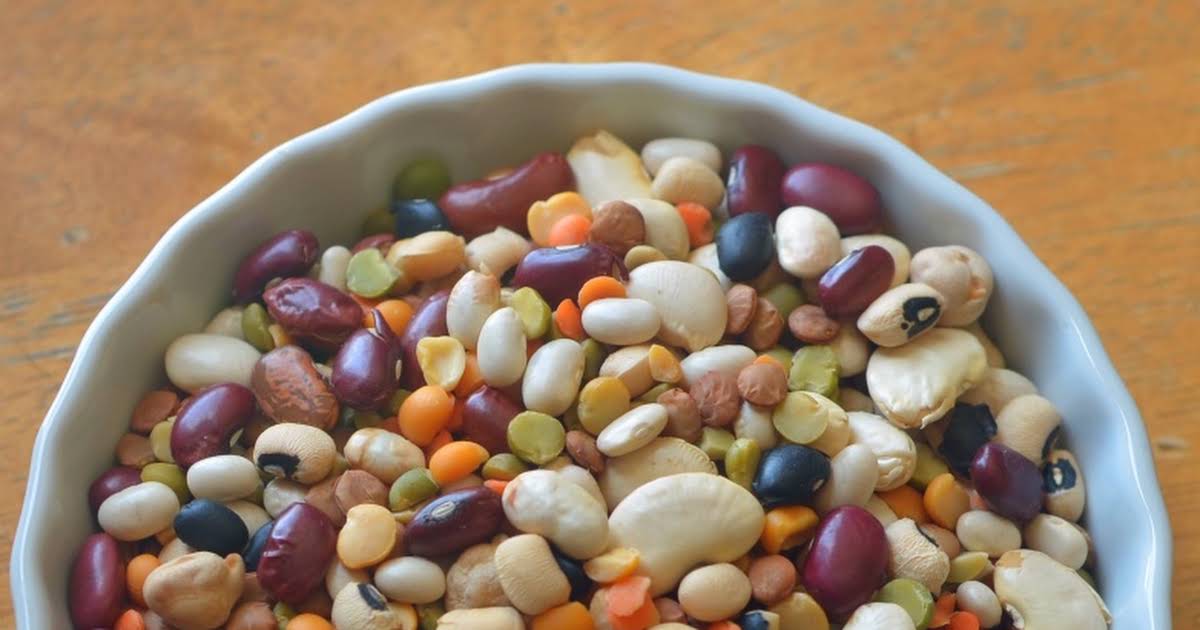
Introducing beans to children's diets is essential for their health and well-being. Beans are packed with essential nutrients, including protein, fiber, vitamins, and minerals, making them a valuable addition to any growing child's diet.
There are many different types of beans suitable for kids, such as black beans, kidney beans, pinto beans, and chickpeas. These beans can be incorporated into various dishes, such as soups, stews, salads, and even desserts.
Benefits of Incorporating Beans into Kids’ Meals
- High in Protein:Beans are a great source of plant-based protein, which is essential for growth and development.
- Rich in Fiber:Beans are an excellent source of dietary fiber, which helps promote digestive health and satiety.
- Good Source of Vitamins and Minerals:Beans are a good source of vitamins and minerals, such as iron, zinc, and folate, which are important for overall health.
- Versatile and Affordable:Beans are a versatile and affordable ingredient that can be easily incorporated into a variety of dishes, making them a practical choice for busy families.
Easy and Fun Bean Recipes
Let's dive into a world of beans and embark on a culinary adventure with these simple and engaging recipes designed just for kids. Each recipe is a delightful blend of flavors and colors, guaranteed to ignite their taste buds and spark their creativity in the kitchen.
paragraphOur recipes are tailored to be kid-friendly, with step-by-step instructions that are easy to follow. We've also included vibrant and enticing photos to make the cooking process even more exciting. So, gather your little chefs, put on your aprons, and let's get ready to create some bean-tastic dishes!
Bean and Corn Salsa
This vibrant salsa is a perfect party dip or a refreshing side dish.Ingredients:
- 1 can (15 ounces) black beans, rinsed and drained
- 1 can (15 ounces) corn, drained
- 1/2 cup chopped red onion
- 1/2 cup chopped green bell pepper
- 1/2 cup chopped cilantro
- 1/4 cup chopped jalapeño pepper (optional, for a bit of spice)
- 1/4 cup lime juice
- 1/4 teaspoon salt
Instructions:
- Combine all ingredients in a large bowl.
- Stir until well combined.
- Refrigerate for at least 30 minutes before serving to allow the flavors to blend.
Tip: Serve with tortilla chips, crackers, or vegetables for dipping.
Nutritional Value of Beans
Beans are a nutritional powerhouse, providing a rich source of essential nutrients for growing children. They are an excellent source of plant-based protein, dietary fiber, and vitamins, making them a valuable addition to a healthy diet.
Beans are particularly high in protein, which is crucial for building and repairing tissues, producing enzymes and hormones, and supporting overall growth and development. One cup of cooked beans provides approximately 15 grams of protein, making them a comparable protein source to meat.
Dietary Fiber, Bean recipes for kids
Beans are also an excellent source of dietary fiber, which is essential for maintaining a healthy digestive system. Fiber helps regulate bowel movements, prevent constipation, and promote satiety, contributing to a feeling of fullness and reducing overall calorie intake.
Vitamins and Minerals
Beans are a good source of various vitamins and minerals, including iron, folate, potassium, and magnesium. Iron is essential for red blood cell production and oxygen transport, while folate is crucial for cell growth and development. Potassium helps regulate blood pressure and electrolyte balance, and magnesium supports muscle and nerve function.
| Nutrient | Amount per 1 cup cooked |
|---|---|
| Protein | 15 grams |
| Dietary Fiber | 12 grams |
| Iron | 5 milligrams |
| Folate | 100 micrograms |
| Potassium | 500 milligrams |
| Magnesium | 120 milligrams |
Incorporating beans into a child's diet can significantly contribute to their overall health and well-being, providing essential nutrients for growth, development, and disease prevention.
Creative Ways to Incorporate Beans
Beans are a versatile ingredient that can be used in a variety of dishes, from soups and salads to sandwiches and main courses. They're also a great way to add extra protein and fiber to your child's diet.
Here are a few ideas for incorporating beans into your child's meals:
In Soups and Stews
Beans are a hearty addition to soups and stews. They can be used as a main ingredient or as a side dish. Some popular bean soups include black bean soup, chili, and minestrone.
In Salads
Beans can add protein and fiber to salads. They can be used in both cold and warm salads. Some popular bean salads include three-bean salad, chickpea salad, and lentil salad.
In Sandwiches
Beans can be used as a spread or filling for sandwiches. They're a great way to add extra protein and fiber to your child's lunch.
In Main Courses
Beans can be used as a main course ingredient in dishes such as burritos, tacos, and enchiladas. They can also be used as a side dish to grilled or roasted meats.
Tips for Making Beans More Appealing to Kids
Here are a few tips for making beans more appealing to kids:
- Use different seasonings to flavor beans. Some popular seasonings for beans include chili powder, cumin, and paprika.
- Add beans to dishes that your child already likes. For example, you could add black beans to tacos or chili.
- Make beans more fun to eat by using different textures. For example, you could mash beans or add them to a smoothie.
Fun Bean Activities for Kids
/baked-beans-g2k-56a8c1fe3df78cf772a05b7a.jpg "Beans baked recipes recipe world canned ever bean easy homemade make using scratch sauce healthy therecipecritic sugar brown perfect side")
Involving kids in bean-related activities can make learning about them more engaging and memorable. From crafts to science experiments, there are plenty of fun ways to teach kids about the wonders of beans.
These activities not only provide entertainment but also foster curiosity, creativity, and a deeper understanding of beans.
Bean Crafts
Arts and crafts activities can be a great way to introduce kids to beans and their unique characteristics. Here are a few ideas:
- Bean Mosaic:Create colorful mosaics by gluing different types of beans onto a piece of cardboard or paper.
- Bean Jewelry:Make necklaces, bracelets, or earrings using dried beans strung on a thread or wire.
- Bean Animals:Use beans to create animal shapes, such as ladybugs, butterflies, or birds.
Science Experiments with Beans
Hands-on science experiments can help kids explore the properties of beans and how they interact with their environment:
- Bean Germination:Plant beans in a clear container and observe their growth over several days.
- Bean Osmosis:Soak beans in different concentrations of salt water to demonstrate the process of osmosis.
- Bean Seed Dissection:Dissect a bean seed to identify its different parts and understand its structure.
Printable Resources
There are many printable resources available online that provide fun and educational activities related to beans. These resources can be a great addition to your bean-themed lessons or activities.
Bean-Based Snacks and Treats
Incorporating beans into snacks and treats is a creative way to provide kids with essential nutrients while satisfying their taste buds. From dips and spreads to cookies and muffins, there are countless ways to transform beans into delicious and wholesome treats.
The following table provides a selection of healthy and flavorful bean-based snack and treat recipes, along with their nutritional information:
Bean-Based Dips and Spreads
| Recipe | Nutritional Information |
|---|---|
| Creamy Bean Dip | Per 1/4 cup: Calories: 120, Fat: 5g, Protein: 6g, Fiber: 5g |
| Hummus with Roasted Beans | Per 1/4 cup: Calories: 150, Fat: 8g, Protein: 8g, Fiber: 6g |
| Black Bean Salsa | Per 1/2 cup: Calories: 70, Fat: 1g, Protein: 5g, Fiber: 4g |
Bean-Based Cookies and Muffins
| Recipe | Nutritional Information |
|---|---|
| Chocolate Chip Bean Cookies | Per cookie: Calories: 150, Fat: 6g, Protein: 3g, Fiber: 3g |
| Black Bean Muffins | Per muffin: Calories: 120, Fat: 3g, Protein: 5g, Fiber: 4g |
| Banana Bean Bread | Per slice: Calories: 180, Fat: 5g, Protein: 6g, Fiber: 5g |
Safety Considerations
Before exploring the culinary delights of beans with your little ones, it's crucial to address safety considerations to ensure a wholesome and enjoyable experience.
Beans, like many other foods, can trigger allergic reactions in certain individuals. Common symptoms of bean allergies include hives, swelling, difficulty breathing, and gastrointestinal distress. If you or your child has a known allergy to legumes, it's essential to avoid beans altogether.
Safe Handling and Preparation
To prevent foodborne illnesses, proper handling and preparation of beans is paramount. Always wash beans thoroughly before cooking to remove any dirt or debris. It's also advisable to soak beans overnight in water to reduce cooking time and improve digestibility.
Cooking Thoroughly
Cooking beans thoroughly is vital to eliminate lectins, a type of protein that can cause digestive issues such as nausea, vomiting, and diarrhea. Boiling beans for at least 10 minutes ensures that lectins are destroyed, making them safe for consumption.
Educational Resources

Expand your child's knowledge about beans with these educational resources. From books to websites, there's a wealth of information available to satisfy their curiosity and inspire a love for this versatile food.
Encourage parents and educators to explore these resources for further learning, fostering a deeper understanding of beans and their significance in a healthy and balanced diet.
Books
- The Bean Book by Patricia Lauber: A comprehensive guide to the world of beans, covering their history, varieties, and nutritional value.
- Beans: Nature's Edible Seeds by Molly Bang: A beautifully illustrated book that introduces kids to different types of beans and their growth cycle.
- The Magic Bean Tree by Nancy Elizabeth Wallace: A charming story that teaches children about the importance of plants and where beans come from.
Websites
- KidsGardening: Beans : A resource-rich website with information on bean varieties, planting, and activities for kids.
- North Dakota State University Extension: Beans - Nutrition and Cooking : A detailed article covering the nutritional value of beans and providing cooking tips.
- PBS Parents: The Nutritional Value of Beans : An engaging article that explains the health benefits of beans in a kid-friendly way.
Other Resources
- Local libraries: Check your local library for a wide selection of books and resources on beans.
- Field trips: Visit a local farm or agricultural center to see beans growing and learn about their cultivation.
- Cooking classes: Enroll your child in a cooking class that features bean-based recipes, allowing them to experience the joy of cooking with beans.
Final Conclusion: Bean Recipes For Kids
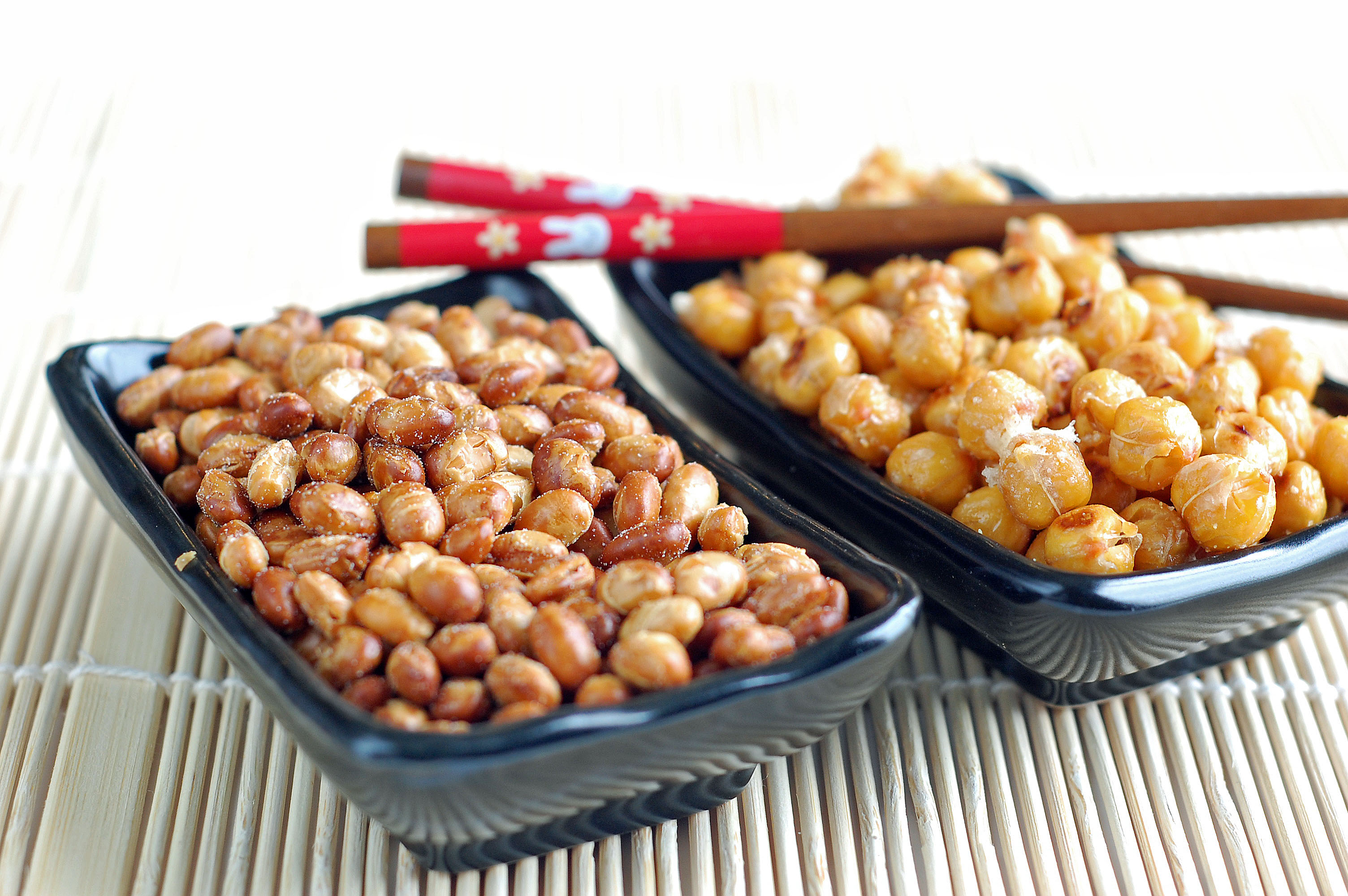
With the recipes and tips provided in this guide, you'll be well-equipped to make bean recipes for kids that are not only tasty but also packed with nutritional value. So, let's get cooking and show our little ones how beans can be a delicious and fun part of a healthy diet!


