Belizean fried jacks recipe – Belizean fried jacks, a staple of Belizean cuisine, are a delectable treat that embodies the vibrant flavors of this Caribbean nation. From street food stalls to family gatherings, these golden-brown delights are a beloved culinary experience that tantalizes taste buds with every bite.
In this comprehensive guide, we delve into the secrets of crafting the perfect Belizean fried jacks, exploring their cultural significance, nutritional value, and historical origins. Get ready to embark on a culinary adventure that will leave you craving for more.
Ingredients
Belizean fried jacks, a beloved breakfast delicacy, require a handful of essential ingredients to create their irresistible fluffiness and flavor.
Here’s a breakdown of what you’ll need:
Flour
- 2 cups all-purpose flour, plus extra for dusting
Baking Powder
- 1 tablespoon baking powder
Salt
- 1 teaspoon salt
Sugar
- 1 tablespoon sugar (optional, for a hint of sweetness)
Water
- 1 cup warm water
Oil
- Vegetable oil, for frying
Dough Preparation
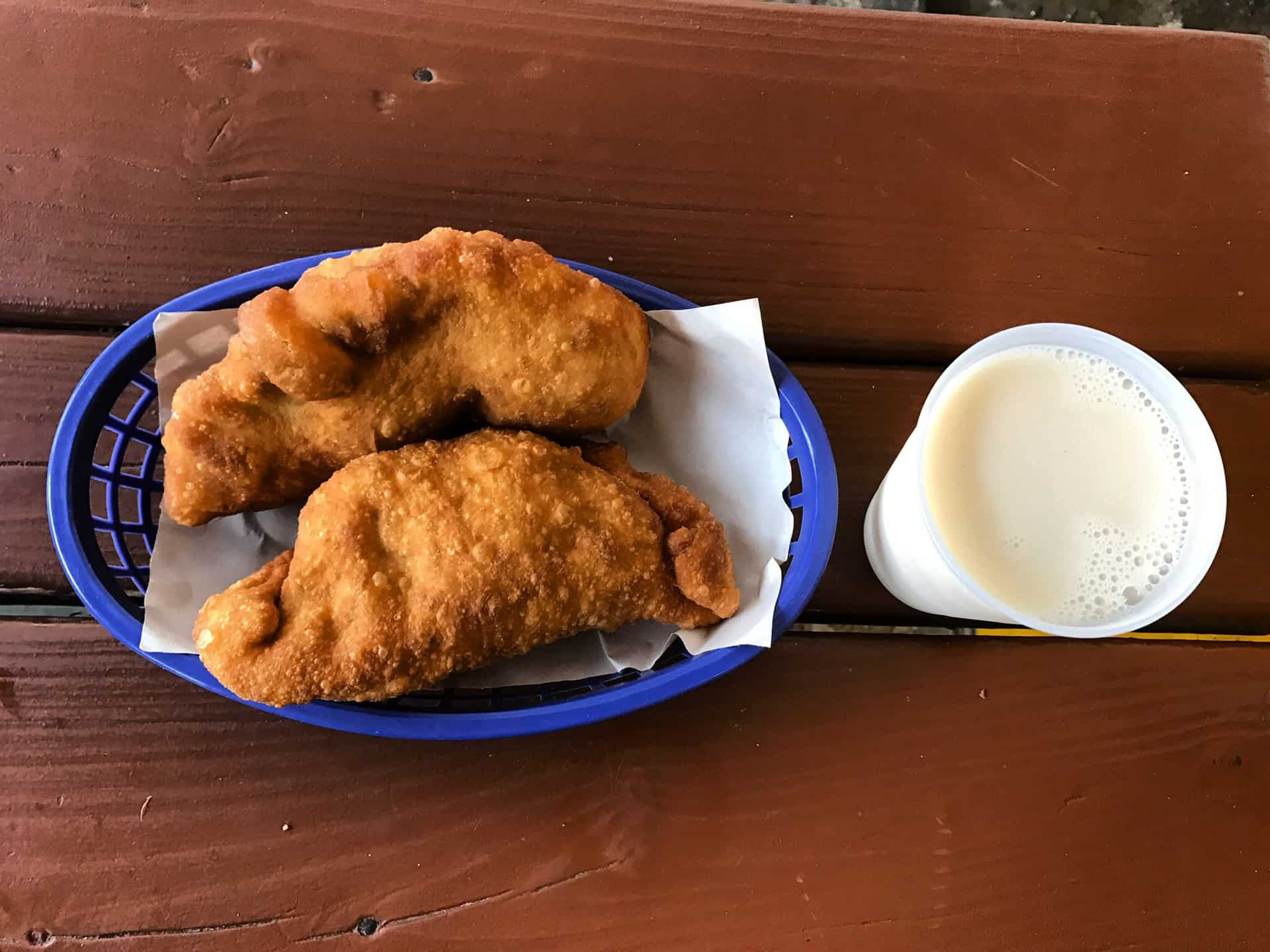
The dough for Belizean fried jacks is made with a simple combination of flour, water, salt, and baking powder. The process involves mixing, kneading, and resting the dough to achieve the desired consistency and texture.
Mixing
In a large bowl, combine the flour, salt, and baking powder. Gradually add warm water to the dry ingredients while mixing until a dough forms. The dough should be slightly sticky but not too wet.
Kneading
Turn the dough out onto a lightly floured surface and knead for several minutes until it becomes smooth and elastic. This process helps develop the gluten in the flour, which gives the fried jacks their characteristic chewy texture.
Resting
Once the dough is kneaded, cover it with a damp cloth and let it rest for at least 30 minutes. This resting period allows the gluten to relax, making the dough easier to roll out and preventing the fried jacks from becoming tough.
Rolling and Cutting: Belizean Fried Jacks Recipe
To shape the fried jacks, you’ll need to roll out the dough and cut it into your desired shapes.
Roll out the dough on a lightly floured surface to a thickness of about 1/4 inch. For traditional Belizean fried jacks, cut the dough into rectangular or square shapes using a knife or pastry cutter. The size and shape can vary, but common dimensions are approximately 3-4 inches wide and 4-5 inches long.
Variations
You can also cut the dough into other shapes, such as triangles, circles, or even use cookie cutters to create fun designs. The thickness of the fried jacks can also be adjusted based on your preference. Thicker fried jacks will be denser and have a chewier texture, while thinner fried jacks will be more crispy and light.
Frying Techniques
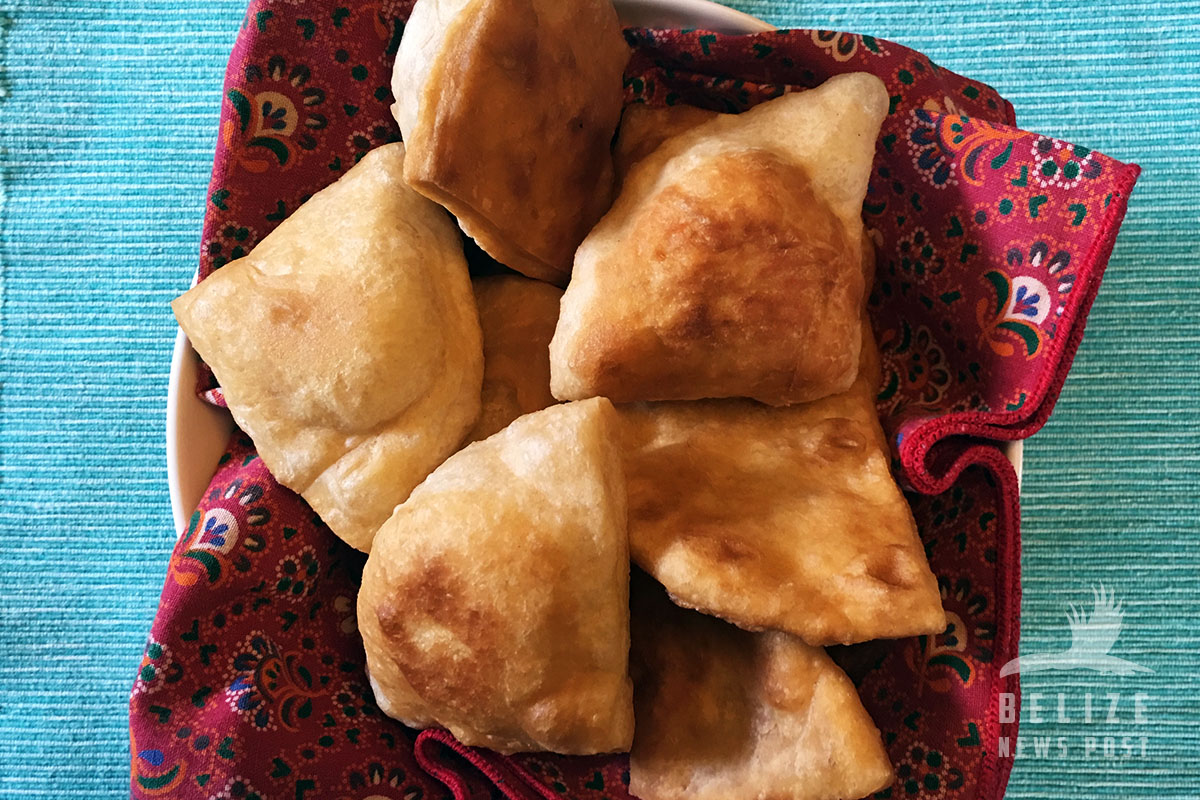
Frying Belizean fried jacks requires precise temperature control and proper techniques to achieve golden brown results. Understanding the ideal oil temperature and effective frying methods is crucial for successful execution.
Oil Temperature
The ideal oil temperature for frying fried jacks ranges between 350°F (175°C) and 375°F (190°C). This temperature allows the dough to cook evenly without burning the exterior. Using a kitchen thermometer is recommended to ensure accuracy.
Frying Methods
- Shallow Frying:This method involves placing a small amount of oil in a skillet or griddle and frying the fried jacks until golden brown on both sides.
- Deep Frying:For this method, use a deep fryer or large pot filled with oil. Submerge the fried jacks completely and fry until golden brown.
Serving Suggestions
Belizean fried jacks are a versatile dish that can be enjoyed in various ways. They are commonly served as a breakfast item or as a side dish to main meals.
Traditional accompaniments to fried jacks include:
- Refried beans
- Scrambled eggs
- Fried plantains
- Fresh fruit
Dipping sauces also add flavor to fried jacks. Popular options include:
- Salsa
- Guacamole
- Sour cream
- Honey
Variations
Belizean fried jacks come in various sizes, shapes, and fillings, each variation contributing to a unique taste and texture experience.
The size of a fried jack can range from bite-sized to large, platter-sized creations. Smaller jacks are often served as appetizers or snacks, while larger ones are a popular breakfast or main course option.
Shape
Shape variations include traditional round jacks, elongated rectangles, and even intricate shapes like stars or hearts. Round jacks are the most common, but the other shapes provide a fun and visually appealing twist.
Fillings
Fried jacks can be filled with a variety of ingredients, such as cheese, refried beans, meats, or vegetables. Cheese-filled jacks are a classic option, providing a gooey and savory center. Refried bean fillings add a hearty and flavorful element, while meats like ground beef or shredded chicken offer a protein-packed twist.
Cultural Significance
Belizean fried jacks hold a significant place in Belizean culture, serving as a staple food and a beloved street treat. These delectable delights are deeply rooted in the country’s culinary heritage and are enjoyed by people of all ages and backgrounds.
Fried jacks are commonly served as a breakfast item, accompanied by a variety of fillings such as beans, eggs, or cheese. They are also popular as a snack or a side dish to main meals. Street vendors throughout Belize sell freshly made fried jacks, offering a convenient and affordable way to experience this local delicacy.
Nutritional Value
Belizean fried jacks are a relatively high-calorie food, providing around 250-300 calories per serving. The majority of these calories come from carbohydrates, as fried jacks are made from a dough that is fried in oil. However, fried jacks also contain a significant amount of fat, with each serving providing around 10-15 grams.
In addition to calories and fat, fried jacks also contain a variety of other nutrients, including protein, fiber, and vitamins. Protein is essential for building and repairing tissues, while fiber helps to keep you feeling full and satisfied. Fried jacks also contain several vitamins, including vitamin A, vitamin C, and niacin.
Calorie Content
The calorie content of fried jacks can vary depending on the size of the serving and the ingredients used. However, a typical serving of fried jacks (2-3 pieces) contains around 250-300 calories.
Fat Content
Fried jacks are a relatively high-fat food, with each serving providing around 10-15 grams of fat. The majority of this fat is saturated fat, which is the type of fat that can raise cholesterol levels. However, fried jacks also contain some monounsaturated and polyunsaturated fats, which are healthier types of fat.
Other Nutrients
In addition to calories and fat, fried jacks also contain a variety of other nutrients, including protein, fiber, and vitamins. Protein is essential for building and repairing tissues, while fiber helps to keep you feeling full and satisfied. Fried jacks also contain several vitamins, including vitamin A, vitamin C, and niacin.
Historical Origins
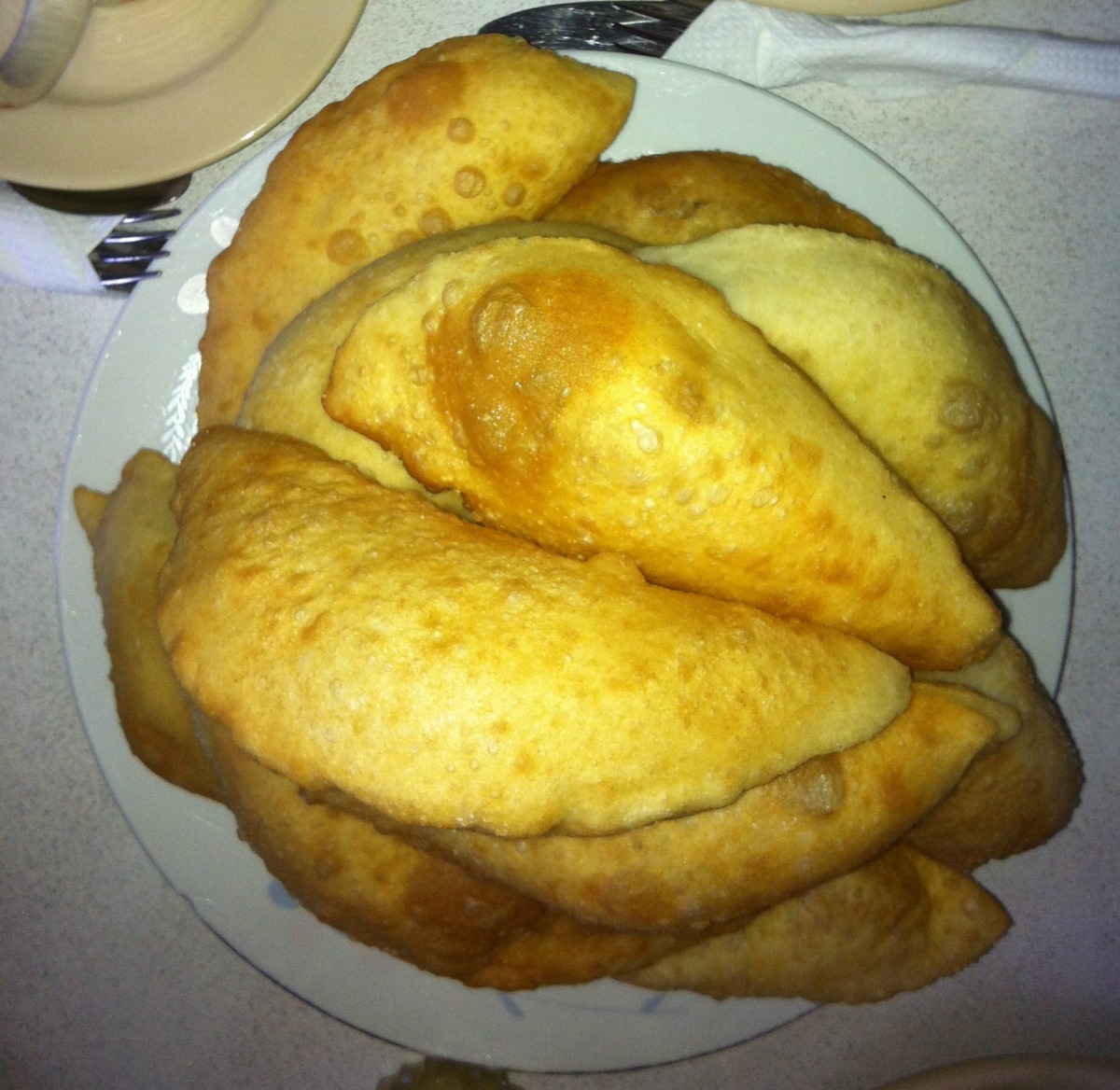
The precise origins of Belizean fried jacks remain shrouded in mystery, but its culinary heritage is intertwined with the rich tapestry of Belize’s cultural influences.
The dish likely traces its roots to the Garifuna people, who migrated to Belize from the Caribbean islands of St. Vincent and the Grenadines in the 18th century. They brought with them their traditional recipes, including a fried dough delicacy known as “ereba.”
Over time, ereba evolved and adapted to local ingredients and culinary practices, eventually becoming the beloved Belizean fried jack.
European Influences
Belize’s colonial past under British rule also left its mark on the development of fried jacks. The introduction of wheat flour and baking powder transformed the traditional dough, making it lighter and more airy. Additionally, the influence of British tea culture led to the practice of serving fried jacks with tea as a popular breakfast or afternoon snack.
Visual Presentation

To visually guide you through the Belizean fried jack making process, we’ve created a comprehensive table with four responsive columns, each showcasing a step-by-step image.
Each image is accompanied by a detailed caption to provide additional context and clarity.
Table of Step-by-Step Images
| Step | Image | Caption |
|---|---|---|
| 1 | [Image of ingredients laid out on a table] | Gathering the necessary ingredients: flour, baking powder, salt, sugar, water, and oil. |
| 2 | [Image of mixing ingredients in a bowl] | Combining the dry ingredients in a large bowl and gradually adding the wet ingredients while mixing. |
| 3 | [Image of kneading dough on a floured surface] | Kneading the dough until it becomes smooth and elastic. |
| 4 | [Image of rolling out the dough] | Rolling out the dough into a thin sheet using a rolling pin. |
| 5 | [Image of cutting dough into squares] | Cutting the rolled-out dough into squares or desired shapes using a knife or pastry cutter. |
| 6 | [Image of frying jacks in hot oil] | Gently placing the cut dough pieces into hot oil and frying until golden brown on both sides. |
| 7 | [Image of finished fried jacks] | Draining the fried jacks on paper towels to remove excess oil. |
Interactive Content

Interactive content can captivate readers, enhance their comprehension, and make the article more engaging.
Incorporating interactive elements allows readers to actively participate in the learning process, fostering a deeper connection with the material.
Videos, Belizean fried jacks recipe
- Showcase the step-by-step process of making Belizean fried jacks through a visually engaging video.
- Provide a video demonstration of various frying techniques to illustrate the different textures and outcomes.
Quizzes
- Create a quiz to test readers’ knowledge of the ingredients, cooking methods, and cultural significance of Belizean fried jacks.
- Include interactive quizzes that allow readers to assess their understanding of the recipe and its historical origins.
Polls
- Conduct a poll to gather reader preferences for different variations of Belizean fried jacks, such as fillings and toppings.
- Incorporate polls to gauge readers’ familiarity with the dish and its cultural significance.
Concluding Remarks
Whether enjoyed as a standalone snack or paired with your favorite dipping sauce, Belizean fried jacks are a testament to the rich culinary heritage of Belize. Their versatility and deliciousness make them a cherished part of the local food scene, offering a taste of Belize’s vibrant culture and culinary traditions.