Welcome to the vibrant world of Bengali vegetarian food recipes, where culinary artistry meets cultural heritage. Dive into a rich tapestry of flavors, textures, and aromas that have tantalized taste buds for generations. Join us as we explore the significance of vegetarianism in Bengali culture, the unique ingredients that shape its cuisine, and the delectable dishes that have made it renowned worldwide.
From the bustling streets of Kolkata to the tranquil villages of West Bengal, Bengali vegetarian cooking is a testament to the region's diverse culinary landscape. Let us embark on a culinary journey that will awaken your senses and leave you craving for more.
Bengali Vegetarian Cuisine Overview
Vegetarianism holds a significant place in Bengali culture, with a rich history and diverse culinary traditions. Bengali vegetarian cooking is renowned for its unique blend of flavors and ingredients, offering a delightful array of dishes that cater to the diverse palates of vegetarians and non-vegetarians alike.
Origins and History
The roots of Bengali vegetarian cuisine can be traced back to ancient times, influenced by religious and cultural practices. Vegetarianism was widely adopted by the Vaishnava community, a Hindu sect that reveres Lord Vishnu and adheres to a strict vegetarian diet.
The influence of Vaishnavism spread throughout Bengal, leading to the development of a distinct vegetarian culinary style.
Flavor Profile
Bengali vegetarian dishes are characterized by a harmonious balance of flavors, with a subtle interplay of sweet, sour, and spicy notes. Mustard oil, a staple ingredient in Bengali cooking, imparts a distinct pungency and aroma. Fresh vegetables, such as potatoes, cauliflower, and beans, form the foundation of many vegetarian dishes, while spices like turmeric, cumin, and coriander add warmth and depth of flavor.
Unique Ingredients
Bengali vegetarian cuisine boasts a wide range of unique ingredients that contribute to its distinctive flavors. Panch phoron, a blend of five spices (fennel, cumin, nigella, mustard, and fenugreek), is frequently used to enhance the aroma of dishes. Bhaja moshla, a spice mix made from roasted and ground spices, adds a smoky and earthy flavor.
Doi, a fermented yogurt, is commonly used in curries and desserts, adding a tangy and creamy richness.
Popular Bengali Vegetarian Dishes

Bengali vegetarian cuisine offers a wide range of delectable dishes that are both flavorful and nutritious. From hearty curries to refreshing salads, there is something to satisfy every palate.
Here is a list of some of the most popular Bengali vegetarian dishes:
Aloo Posto
Aloo Posto is a classic Bengali dish made with potatoes and poppy seeds. The potatoes are boiled and then fried until golden brown, while the poppy seeds are ground into a paste. The two are then combined with spices and cooked together until the poppy seed paste is well-integrated.
Aloo Posto is typically served with rice or roti.
Cholar Dal
Cholar Dal is a hearty lentil dish made with split chickpeas. The chickpeas are cooked with spices and tomatoes until they are soft and creamy. Cholar Dal is often served with rice or roti, and can also be used as a filling for samosas or pakoras.
Phulkobi Bhaja
Phulkobi Bhaja is a simple but flavorful dish made with cauliflower. The cauliflower is cut into florets and then fried until golden brown. Phulkobi Bhaja is typically served with rice or roti, and can also be used as a side dish for grilled meats or fish.
Mochar Ghonto
Mochar Ghonto is a Bengali vegetarian dish made with banana blossoms. The banana blossoms are boiled and then cooked with spices and coconut. Mochar Ghonto is typically served with rice or roti, and can also be used as a filling for samosas or pakoras.
Shukto
Shukto is a Bengali vegetarian dish made with a variety of vegetables, including bitter gourd, pumpkin, and eggplant. The vegetables are cooked with spices and mustard oil until they are soft and flavorful. Shukto is typically served with rice or roti, and can also be used as a side dish for grilled meats or fish.
Ingredients Commonly Used in Bengali Vegetarian Cooking

Bengali vegetarian cooking is known for its use of fresh, flavorful ingredients. These ingredients are often used in combination to create dishes that are both delicious and nutritious.
Some of the most common ingredients used in Bengali vegetarian dishes include:
Vegetables, Bengali vegetarian food recipes
| Ingredient | Description | Nutritional Value |
|---|---|---|
| Potatoes | Potatoes are a staple ingredient in many Bengali vegetarian dishes. They are a good source of carbohydrates, fiber, and vitamin C. | Carbohydrates, fiber, vitamin C |
| Cauliflower | Cauliflower is another popular vegetable used in Bengali vegetarian cooking. It is a good source of vitamins A, C, and K. | Vitamins A, C, and K |
| Brinjal | Brinjal, also known as eggplant, is a versatile vegetable that can be used in a variety of dishes. It is a good source of fiber, potassium, and vitamin C. | Fiber, potassium, vitamin C |
| Tomatoes | Tomatoes are a staple ingredient in many Bengali vegetarian dishes. They are a good source of vitamins A, C, and lycopene. | Vitamins A, C, lycopene |
| Green Peas | Green peas are a popular ingredient in Bengali vegetarian dishes. They are a good source of protein, fiber, and vitamins A and C. | Protein, fiber, vitamins A and C |
Health Benefits of Bengali Vegetarian Food

A Bengali vegetarian diet offers numerous health benefits due to its emphasis on fresh produce, whole grains, legumes, and spices. These ingredients are rich in essential nutrients, antioxidants, and fiber, contributing to overall well-being.
Specific ingredients in Bengali vegetarian cuisine play vital roles in promoting good health:
Fruits and Vegetables
- Mangoesare a rich source of vitamin C, an antioxidant that helps protect against free radical damage.
- Bananasprovide potassium, which is important for regulating blood pressure and heart health.
- Spinachcontains high levels of iron, essential for red blood cell production.
- Pumpkinis rich in beta-carotene, an antioxidant that converts to vitamin A, supporting eye health.
Legumes and Pulses
- Chana dal(split chickpeas) is a good source of protein, fiber, and iron.
- Mung beansare rich in folate, important for cell growth and development.
- Kidney beansprovide fiber, protein, and antioxidants.
Spices and Herbs
- Turmericcontains curcumin, a potent antioxidant with anti-inflammatory properties.
- Cuminaids digestion and has antioxidant effects.
- Corianderis a good source of vitamin K, which is essential for blood clotting.
Regional Variations in Bengali Vegetarian Cuisine

Bengali vegetarian cuisine exhibits regional variations influenced by geographical factors, cultural practices, and local produce. These variations add diversity to the culinary landscape of Bengal.
Eastern Bengal, comprising present-day Bangladesh, is known for its use of mustard oil, hilsa fish, and a variety of vegetables. Popular dishes include machher kalia(fish curry), saag bhaji(spinach and lentil curry), and alu posto(potatoes cooked with poppy seeds).
Western Bengal
Western Bengal, including Kolkata, features a blend of Mughal and British influences. Dishes like kathi rolls(stuffed parathas), phuchkas(semolina dumplings filled with potatoes and spices), and roshogolla(sweet dumplings soaked in syrup) are popular street foods.
Bengali Vegetarian Cooking Techniques
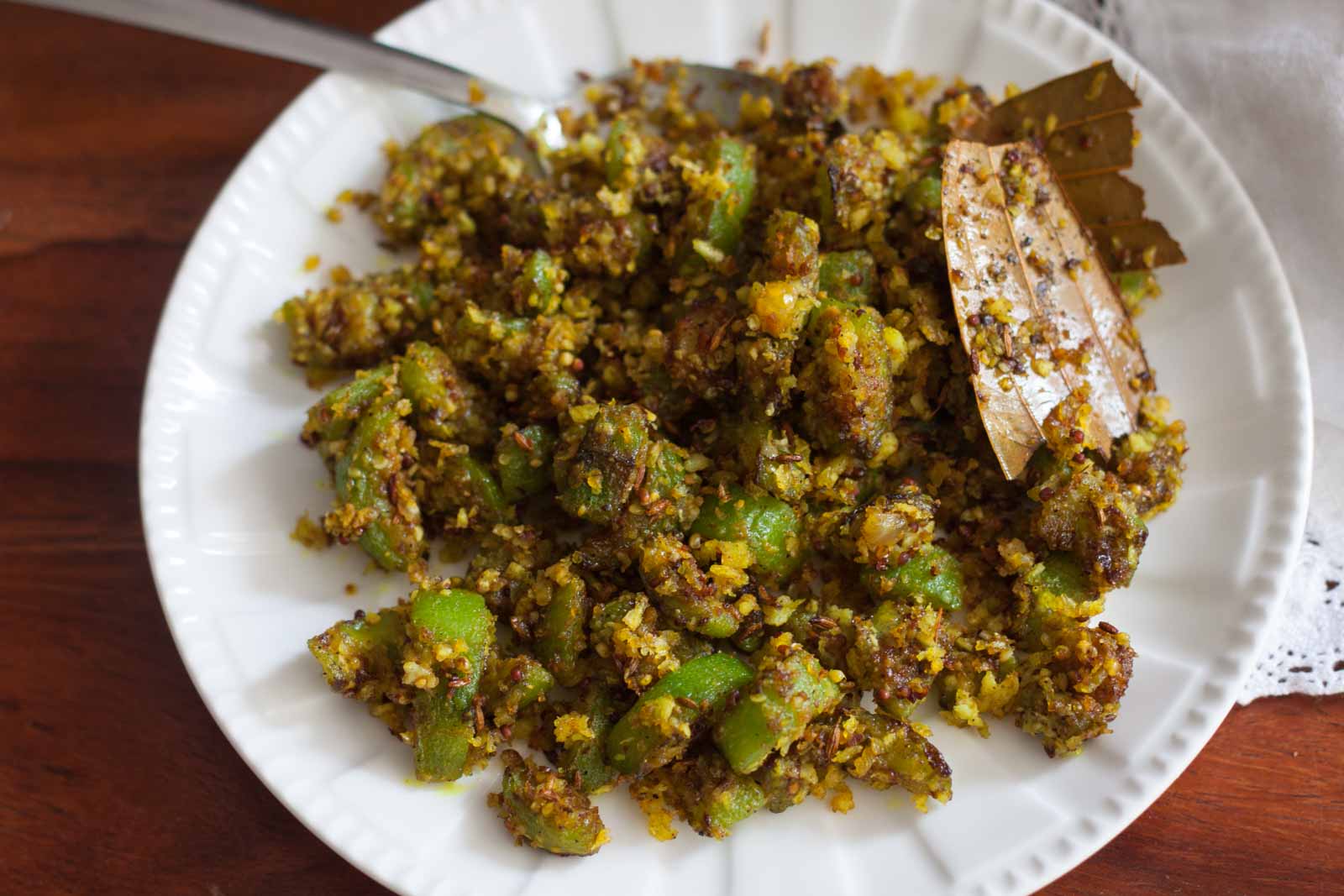
Bengali vegetarian cuisine employs a diverse range of cooking techniques that enhance the flavors and textures of its dishes. These techniques are passed down through generations and have become integral to the culinary tradition.
One of the most essential techniques is tempering spices. This involves heating whole or ground spices in hot oil or ghee until they release their aromatic oils. The tempered spices are then added to the dish, infusing it with a complex and fragrant flavor profile.
Making Ghee
Ghee, clarified butter, is a staple ingredient in Bengali vegetarian cooking. It adds a rich, nutty flavor to dishes and is believed to have numerous health benefits. To make ghee, unsalted butter is melted and simmered until the milk solids separate and float to the top.
These solids are then skimmed off, leaving behind pure ghee.
Other important cooking techniques include:
- Stir-frying: Vegetables are cooked quickly in a hot pan with a small amount of oil, resulting in a tender-crisp texture.
- Steaming: Foods are cooked over boiling water, preserving their nutrients and delicate flavors.
- Baking: Breads, cakes, and sweets are baked in ovens, creating a variety of textures and flavors.
- Deep-frying: Foods are immersed in hot oil, creating a crispy exterior and tender interior.
Bengali Vegetarian Festivals and Occasions
Vegetarian food plays a pivotal role in Bengali festivals and special occasions, reflecting the cultural and religious significance of plant-based diets within the community.
During festivals like Durga Puja, Kali Puja, and Lakshmi Puja, elaborate vegetarian feasts are prepared as offerings to the deities. These feasts often feature an array of traditional dishes that showcase the culinary diversity of Bengali vegetarian cuisine.
Durga Puja
- Bhog (Prasad): A sacred offering made to the goddess Durga, consisting of various vegetarian dishes, including rice, lentils, vegetables, and sweets.
- Cholar Dal: A lentil dish cooked with spices and coconut.
- Aloo Posto: Potatoes cooked in a poppy seed paste.
- Labra: Mixed vegetables cooked in a yogurt-based sauce.
Kali Puja
- Channa Dal: A lentil dish cooked with spices and ghee.
- Khichuri: A rice and lentil dish cooked with vegetables.
- Pulao: A flavorful rice dish cooked with spices and vegetables.
- Sandesh: A Bengali sweet made from condensed milk.
Lakshmi Puja
- Kheer: A sweet rice pudding.
- Payesh: A sweet rice dish cooked in milk.
- Rasgulla: A syrupy sweet made from cottage cheese.
- Malpua: A pancake-like sweet served with a sugar syrup.
Bengali Vegetarian Restaurants and Food Outlets: Bengali Vegetarian Food Recipes
Kolkata, the capital of West Bengal, is renowned for its vibrant food culture and numerous vegetarian restaurants and food outlets that cater to the diverse culinary preferences of its residents and visitors. These eateries offer a wide range of authentic Bengali vegetarian dishes, from traditional home-style cooking to innovative fusion creations.
Here are some popular Bengali vegetarian restaurants and food outlets in Kolkata:
Notable Restaurants and Food Outlets
- Govinda's: A well-known chain of vegetarian restaurants, Govinda's offers a comprehensive menu featuring traditional Bengali dishes, North Indian cuisine, and international fare. Their thalis (set meals) are particularly popular, providing a generous spread of various dishes.
- Oh! Calcutta: This upscale restaurant specializes in authentic Bengali cuisine, with a focus on vegetarian dishes. The menu includes a range of classic preparations, such as aloo posto(potatoes with poppy seeds), cholar dal(split pea lentil curry), and luchi(deep-fried flatbread).
- Tero Parbon: Known for its home-style Bengali cooking, Tero Parbon offers a cozy and inviting ambiance. The menu features a rotating selection of daily specials, ensuring that there is always something new to try.
- Annapurna Sweets: A renowned sweetshop and vegetarian restaurant, Annapurna Sweets is a popular destination for Bengali sweets and snacks. They offer a wide range of vegetarian dishes, including rasgullas(cheese dumplings), sandesh(milk-based sweets), and dhokla(steamed lentil cakes).
- Radharamoner Mullick Ghater Kacchi: A legendary street food stall, Radharamoner Mullick Ghater Kacchi is famous for its kachori(stuffed flatbread). The kachorisare filled with a spicy potato mixture and served with a tangy tamarind chutney.
These are just a few examples of the many Bengali vegetarian restaurants and food outlets in Kolkata. Whether you are looking for a traditional dining experience or a more modern take on Bengali cuisine, there is something to suit every taste and preference.
Future Trends in Bengali Vegetarian Cuisine
The culinary landscape of Bengali vegetarian cuisine is constantly evolving, driven by a convergence of factors such as changing dietary preferences, technological advancements, and global influences. As we look towards the future, several emerging trends and innovations are poised to shape the direction of this culinary tradition.
Sustainability and Ethical Consumption
Increasing awareness about the environmental impact of food production is driving a shift towards more sustainable practices in Bengali vegetarian cooking. Chefs and home cooks are embracing locally sourced, seasonal ingredients, reducing food waste, and exploring plant-based alternatives to meat and dairy products.
This trend aligns with the traditional Bengali emphasis on seasonal produce and the use of locally available ingredients.
Fusion and Innovation
The boundaries of Bengali vegetarian cuisine are expanding as chefs experiment with fusion dishes that blend traditional flavors with global influences. This trend is particularly evident in the use of international ingredients, cooking techniques, and presentation styles. Chefs are reimagining classic dishes by incorporating elements from cuisines such as Italian, Thai, and Mexican, resulting in innovative and exciting new creations.
Molecular Gastronomy
The application of molecular gastronomy techniques is gradually making its way into Bengali vegetarian cooking. Chefs are experimenting with foams, gels, and other innovative textures to create visually stunning and palate-pleasing dishes. This trend is still in its early stages but has the potential to transform the way Bengali vegetarian food is presented and experienced.
Health and Nutrition
The focus on health and nutrition continues to be a driving force in Bengali vegetarian cuisine. Chefs are incorporating more nutrient-rich ingredients into their dishes, such as whole grains, legumes, and leafy greens. There is also a growing emphasis on reducing the use of oil and salt, making Bengali vegetarian food healthier and more balanced.
Technology and Convenience
Advancements in technology are also influencing the future of Bengali vegetarian cooking. Instant pots, air fryers, and other kitchen gadgets are making it easier and more convenient to prepare traditional dishes. Additionally, the rise of online recipe platforms and food delivery services is making Bengali vegetarian cuisine more accessible to a wider audience.
Closing Summary
As we bid farewell to this culinary exploration, we leave you with a profound appreciation for the vibrant flavors and traditions of Bengali vegetarian cuisine. Whether you are a seasoned vegetarian or simply curious about exploring new culinary horizons, we hope this journey has ignited your passion for this delectable cuisine.
Remember, the best way to experience Bengali vegetarian food is to gather around a table with loved ones, savor each bite, and create memories that will last a lifetime.


