Black Seed Oil Recipes: Dive into the world of this ancient remedy, exploring its rich history, nutritional value, and myriad culinary and medicinal applications. From traditional uses to modern-day remedies, discover the versatility and potential health benefits of this remarkable oil.
Throughout history, black seed oil has been revered for its healing properties, with anecdotal evidence and traditional practices showcasing its efficacy. Scientific research is now unraveling the secrets behind its purported health benefits, revealing its potential role in reducing inflammation, boosting immunity, and improving cardiovascular health.
Nutritional Profile of Black Seed Oil
Black seed oil, extracted from the seeds of the Nigella sativa plant, is renowned for its rich nutritional composition. It is a potent source of essential fatty acids, antioxidants, and other vital nutrients that contribute to its therapeutic properties.
Fatty Acid Profile
Black seed oil is particularly notable for its high content of polyunsaturated fatty acids (PUFAs), especially linoleic acid (LA) and alpha-linolenic acid (ALA). These PUFAs play crucial roles in maintaining cellular function, reducing inflammation, and supporting cardiovascular health.
| Fatty Acid | Percentage |
|---|---|
| Linoleic Acid (LA) | 50-60% |
| Alpha-Linolenic Acid (ALA) | 15-20% |
| Oleic Acid | 15-20% |
| Palmitic Acid | 10-15% |
| Stearic Acid | 5-10% |
Antioxidants
Black seed oil is also a rich source of antioxidants, including thymoquinone, carvacrol, and thymohydroquinone. These antioxidants combat oxidative stress, which can damage cells and contribute to various health conditions. Thymoquinone, in particular, has been shown to possess potent anti-inflammatory and anti-cancer properties.
Other Nutrients
In addition to fatty acids and antioxidants, black seed oil contains other essential nutrients, such as:
- Vitamins: Vitamin A, Vitamin B1, Vitamin B2, Vitamin C
- Minerals: Calcium, Iron, Magnesium, Potassium, Zinc
- Amino Acids: 15 essential and non-essential amino acids
- Phytosterols: Beta-sitosterol, stigmasterol
Traditional Uses and Historical Significance

Black seed oil has a rich historical and cultural significance that spans centuries. It has been used in traditional medicine for thousands of years, with references to its healing properties found in ancient texts from various cultures.
Ancient Egypt
Black seed oil was highly valued in ancient Egypt, where it was known as the "oil of pharaohs." It was used for both medicinal and cosmetic purposes, and was believed to have anti-inflammatory, antimicrobial, and antioxidant properties. Egyptians also used black seed oil in embalming practices, as it was thought to preserve the body and protect it from decay.
Traditional Chinese Medicine
In traditional Chinese medicine, black seed oil has been used for centuries to treat a wide range of ailments, including respiratory problems, digestive issues, and skin conditions. It is believed to have warming and stimulating properties, and is often used to improve circulation and boost the immune system.
Ayurvedic Medicine
Black seed oil is an important ingredient in Ayurvedic medicine, an ancient Indian healing system. It is believed to balance the three doshas (vata, pitta, and kapha) and promote overall health and well-being. Ayurvedic practitioners use black seed oil to treat a variety of conditions, including asthma, allergies, and digestive problems.
Other Traditional Uses, Black Seed Oil Recipes
In addition to these major cultures, black seed oil has also been used in traditional medicine in many other parts of the world. For example, in the Middle East, it is commonly used to treat respiratory problems and digestive issues. In Europe, it has been used for centuries to treat skin conditions and boost the immune system.
Anecdotal evidence suggests that black seed oil may be effective in treating a variety of conditions, including:
* Allergies
* Asthma
* Bronchitis
* Colds and flu
* Digestive problems
* Eczema
* Psoriasis
* Respiratory infections
* Skin infections
* Sore throats
However, it is important to note that scientific research on the effectiveness of black seed oil is still limited, and more studies are needed to confirm its potential health benefits.
Health Benefits of Black Seed Oil
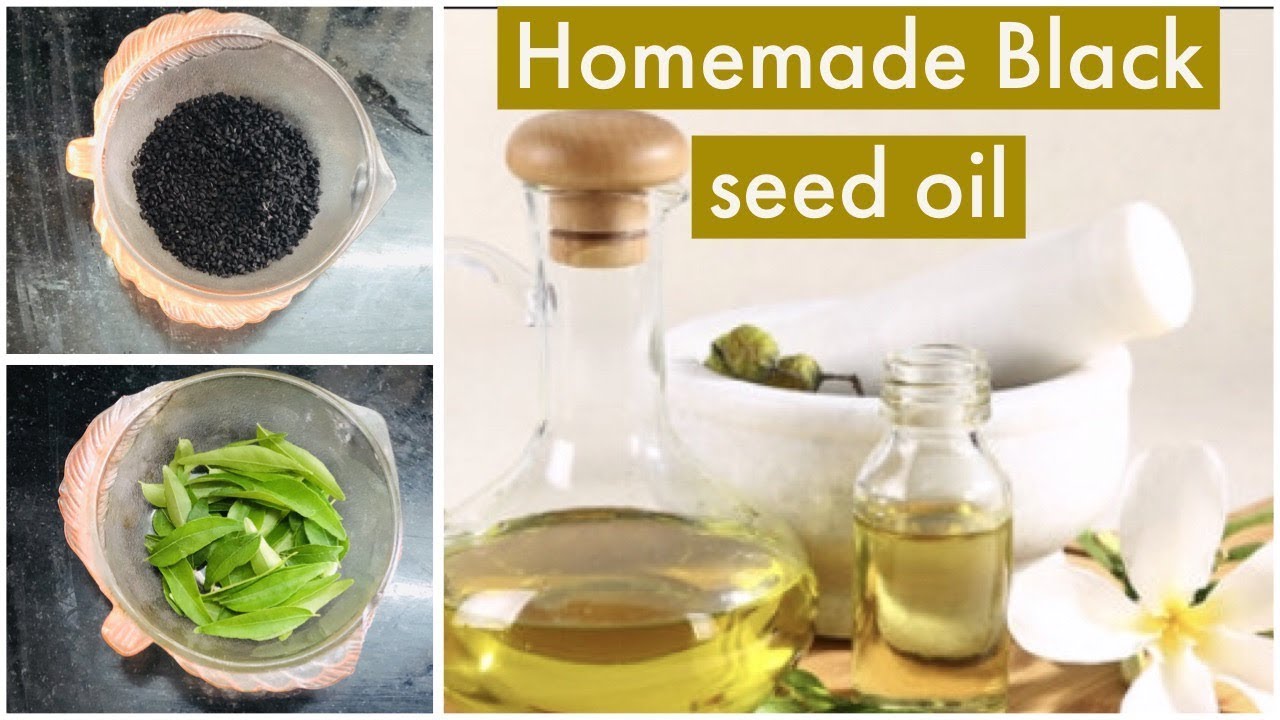
Black seed oil has been traditionally used for its medicinal properties for centuries. Modern research has corroborated some of these traditional uses, suggesting that black seed oil may offer a range of health benefits.
One of the most well-studied benefits of black seed oil is its anti-inflammatory properties. Black seed oil contains compounds such as thymoquinone and nigellone, which have been shown to inhibit the production of inflammatory cytokines. This anti-inflammatory activity may be beneficial for conditions such as asthma, allergies, and inflammatory bowel disease.
Black seed oil is a versatile ingredient that can be used in various recipes. For a comforting and hearty meal, try the Panera Bread Turkey Chili Recipe . This recipe combines the savory flavors of ground turkey, black beans, and spices with the health benefits of black seed oil.
Alternatively, black seed oil can be incorporated into salads, smoothies, or even desserts for a nutritional boost.
Boosting Immunity
Black seed oil has also been shown to boost immunity. It contains compounds that stimulate the production of white blood cells, which are essential for fighting infection. Additionally, black seed oil has antibacterial and antiviral properties, which may help to protect against infections.
Improving Cardiovascular Health
Black seed oil may also help to improve cardiovascular health. It has been shown to lower blood pressure, reduce cholesterol levels, and improve blood flow. These effects may be due to the anti-inflammatory and antioxidant properties of black seed oil.
Culinary Applications of Black Seed Oil

Black seed oil, known for its distinct flavor and nutritional profile, has found its way into various culinary applications. Its versatility extends from dressings and marinades to baked goods, adding a unique touch to dishes worldwide.
Incorporating black seed oil into culinary creations is not only a matter of taste but also a way to harness its potential health benefits. Here's how you can integrate this flavorful oil into your cooking:
Dressings and Marinades
- Salad Dressing: Combine black seed oil with olive oil, lemon juice, honey, and herbs like basil or oregano for a flavorful and nutritious salad dressing.
- Marinade for Meats: Use black seed oil as a base for marinating chicken, fish, or beef. Its anti-inflammatory properties help tenderize the meat while infusing it with flavor.
- Hummus Dip: Add a teaspoon of black seed oil to your hummus recipe for an extra boost of flavor and antioxidants.
Baked Goods
- Bread and Rolls: Incorporate black seed oil into the dough when baking bread or rolls. Its nutty flavor adds a unique twist to classic recipes.
- Cookies and Pastries: Substitute a portion of butter or oil with black seed oil in cookie and pastry recipes. It adds a subtle nutty flavor and enhances the nutritional value.
- Muffins and Cakes: Use black seed oil in muffins or cake batters to add moisture and a hint of spice.
Other Culinary Uses
- Drizzle on Soups and Stews: Enhance the flavor of soups and stews by drizzling a small amount of black seed oil on top before serving.
- Flavoring Rice Dishes: Add a teaspoon of black seed oil to cooked rice for a nutty and aromatic twist.
- Infused Honey: Create a flavorful and medicinal honey by infusing it with black seed oil. Use it as a sweetener or drizzle it over pancakes or yogurt.
DIY Recipes with Black Seed Oil

Black seed oil, derived from the seeds of Nigella sativa, possesses a wealth of therapeutic properties. Its versatility extends beyond culinary applications, lending itself to a myriad of DIY recipes for skincare, hair care, and household cleaning.
This comprehensive guide will provide step-by-step instructions for creating effective and natural products using black seed oil.
Skincare Products
- Black Seed Oil Face Mask: Mix 1 tablespoon of black seed oil with 2 tablespoons of honey. Apply to the face and leave on for 15-20 minutes before rinsing with warm water.
- Black Seed Oil Serum: Combine 10 drops of black seed oil with 1 ounce of carrier oil, such as jojoba or almond oil. Apply a few drops to the face after cleansing and moisturizing.
- Black Seed Oil Body Butter: Melt 1 cup of shea butter in a double boiler. Remove from heat and stir in 1/4 cup of black seed oil. Pour into a container and allow to cool.
Hair Treatments
- Black Seed Oil Hair Mask: Mix 2 tablespoons of black seed oil with 1 tablespoon of coconut oil. Apply to hair and scalp, cover with a shower cap, and leave on for 30 minutes before rinsing with shampoo.
- Black Seed Oil Hair Rinse: Add 10-15 drops of black seed oil to a cup of water. After shampooing, pour the rinse over hair and massage into scalp.
- Black Seed Oil Scalp Treatment: Mix 5 drops of black seed oil with 1 teaspoon of olive oil. Massage into scalp and leave on for 15-20 minutes before rinsing.
Household Cleaners
- Black Seed Oil All-Purpose Cleaner: Mix 1 cup of water, 1/4 cup of vinegar, and 10 drops of black seed oil. Pour into a spray bottle and use to clean surfaces.
- Black Seed Oil Dish Soap: Mix 1/2 cup of castile soap, 1/4 cup of water, and 10 drops of black seed oil. Pour into a dispenser and use to wash dishes.
- Black Seed Oil Laundry Detergent: Mix 1 cup of borax, 1 cup of washing soda, and 10 drops of black seed oil. Store in a sealed container and use 1/4 cup per load of laundry.
Precautions and Contraindications
While black seed oil is generally considered safe for consumption, it is important to be aware of potential side effects and contraindications associated with its use.
Potential side effects of black seed oil may include:
- Gastrointestinal discomfort, such as nausea, vomiting, or diarrhea
- Skin irritation
- Allergic reactions
Contraindications for black seed oil use include:
Pregnancy and Breastfeeding
Black seed oil is not recommended for use during pregnancy or breastfeeding due to insufficient safety data.
Blood Thinners
Black seed oil may interact with blood thinners, increasing the risk of bleeding. Consult with a healthcare professional before using black seed oil if you are taking blood thinners.
Surgery
Black seed oil may slow blood clotting. Discontinue use at least two weeks before any scheduled surgery.
Dosage Recommendations
The recommended dosage of black seed oil varies depending on the intended use. It is generally recommended to start with a low dose and gradually increase as tolerated.
For general health and well-being, a daily dose of 1-2 teaspoons (5-10 ml) is recommended.
In the realm of culinary creations, the versatility of black seed oil shines through. Its distinctive flavor and health benefits have inspired a myriad of recipes. While you may be familiar with its use in savory dishes, did you know that it can also elevate the humble potato? For a unique twist on a classic comfort food, try your hand at the Potato Peel Pie Recipe . This innovative dish transforms potato peels into a crispy and flavorful crust, filled with a creamy and satisfying filling.
The addition of black seed oil adds a subtle depth of flavor that complements the richness of the pie. Whether you're looking to explore new culinary horizons or simply seek a healthy and flavorful meal, black seed oil recipes offer a world of possibilities.
For specific health conditions, higher doses may be necessary. However, it is important to consult with a healthcare professional before taking high doses of black seed oil.
Comparison with Other Oils
Black seed oil stands out among other popular oils due to its unique nutritional profile and potential health benefits. Let's compare it with olive oil and flaxseed oil, two other commonly used oils.
Nutritional Value
Black seed oil contains a higher percentage of unsaturated fats than olive oil and flaxseed oil. It is particularly rich in linoleic acid (an omega-6 fatty acid) and oleic acid (an omega-9 fatty acid). Olive oil, on the other hand, is primarily composed of oleic acid, while flaxseed oil is a rich source of alpha-linolenic acid (an omega-3 fatty acid).
Health Benefits
All three oils offer various health benefits. Black seed oil has been traditionally used to support the immune system, reduce inflammation, and improve respiratory health. Olive oil is known for its heart-healthy properties and may help reduce the risk of cardiovascular disease. Flaxseed oil is a good source of omega-3 fatty acids, which are essential for brain and heart health.
Similarities and Differences
Black seed oil, olive oil, and flaxseed oil are all considered healthy fats and can be incorporated into a balanced diet. However, they differ in their fatty acid profiles and potential health effects. Black seed oil has a higher proportion of omega-6 fatty acids, while flaxseed oil is richer in omega-3 fatty acids. Olive oil contains predominantly monounsaturated fats.
The choice of oil depends on individual dietary needs and preferences. For those seeking a balance of omega-3 and omega-6 fatty acids, flaxseed oil may be a better choice. If heart health is a primary concern, olive oil is a recommended option. Black seed oil offers a unique combination of fatty acids and potential health benefits, making it a valuable addition to a healthy lifestyle.
Current Research and Future Prospects

Black seed oil has been the subject of numerous scientific studies in recent years, exploring its potential therapeutic applications. These studies have shed light on its diverse pharmacological effects, providing a foundation for its use in various medical and nutritional contexts.
Ongoing Research
Ongoing research continues to investigate the mechanisms of action and potential benefits of black seed oil. Researchers are exploring its role in:
- Immunomodulation and inflammation
- Cancer prevention and treatment
- Neurological disorders
- Metabolic regulation
Future Applications
The promising findings from current research suggest that black seed oil has the potential to become an important therapeutic agent in the future. Its unique combination of bioactive compounds and wide range of pharmacological effects make it a promising candidate for the treatment and prevention of various diseases.
Frequently Asked Questions: Black Seed Oil Recipes
Black seed oil is a natural remedy that has been used for centuries to treat a variety of ailments. However, some people may have questions about its safety, efficacy, and potential side effects.
Here are some of the most commonly asked questions about black seed oil:
Is black seed oil safe to consume?
Yes, black seed oil is generally safe to consume for most people. However, it is important to note that some people may experience side effects, such as stomach upset, nausea, or vomiting. If you experience any side effects, it is important to stop taking black seed oil and consult with a healthcare professional.
How much black seed oil should I take?
The recommended dosage of black seed oil varies depending on the condition being treated. However, most studies have used doses of 1-2 teaspoons (5-10 ml) per day.
Can I take black seed oil with other medications?
Yes, black seed oil can be taken with most other medications. However, it is important to talk to your doctor before taking black seed oil with any other medications, as it may interact with some medications.
Is black seed oil effective for treating specific conditions?
Black seed oil has been shown to be effective for treating a variety of conditions, including asthma, allergies, and digestive problems. However, more research is needed to confirm the efficacy of black seed oil for specific conditions.
Final Wrap-Up
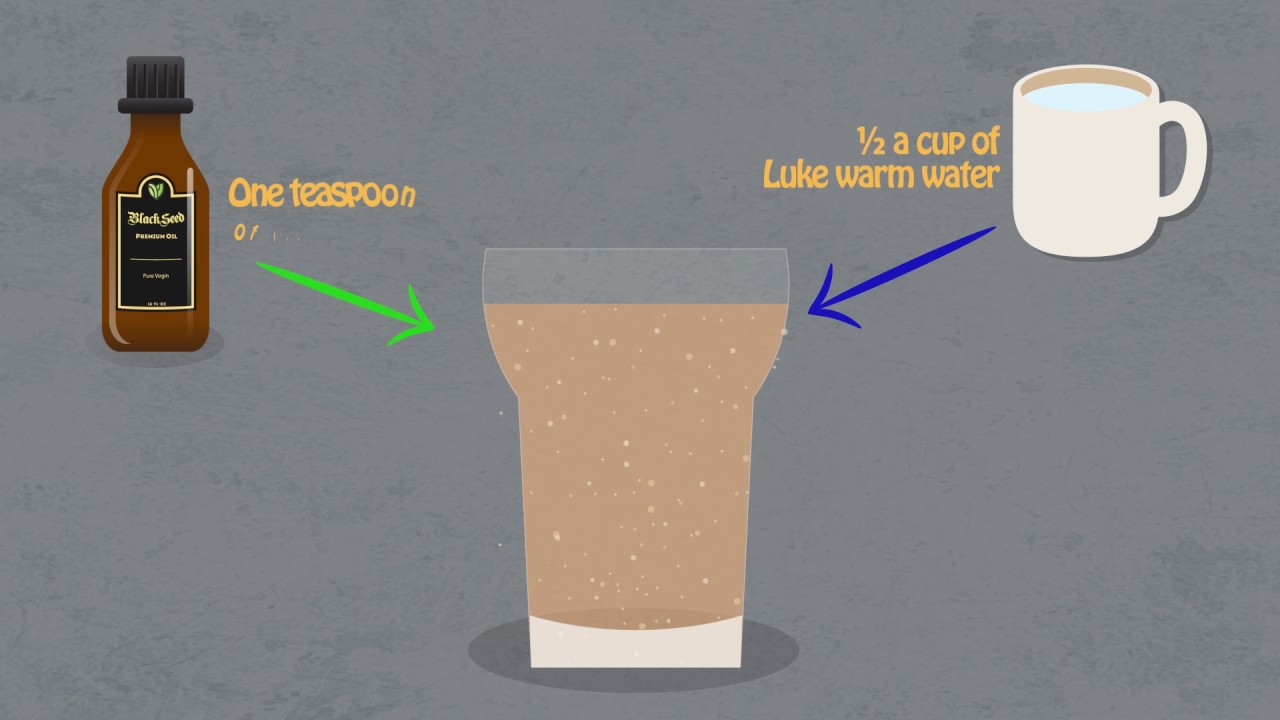
Incorporating black seed oil into your daily routine can be as simple as adding a few drops to your favorite dishes or creating your own DIY skincare products. With its versatility and potential health benefits, black seed oil is an exciting addition to any health-conscious kitchen or medicine cabinet. Explore the recipes and information provided in this guide to unlock the full potential of this ancient remedy.