Step into the enchanting world of Black Trumpet Mushroom Recipes, where culinary artistry meets the symphony of flavors. These enigmatic mushrooms, with their trumpet-shaped elegance, hold a captivating secret—a symphony of umami and earthy notes that dance on the palate. Join us on a culinary adventure as we explore the versatile nature of black trumpet mushrooms, unravel their nutritional wonders, and guide you through the art of foraging and preservation.
From sautéed delights to rich soups and tantalizing sauces, black trumpet mushrooms elevate every dish with their unique charm. Their versatility extends across cuisines, seamlessly blending with Asian, European, and American flavors. Let’s delve into the heart of this culinary masterpiece, uncovering the secrets that make black trumpet mushrooms a beloved ingredient among discerning gourmands.
Culinary Versatility of Black Trumpet Mushrooms

Black trumpet mushrooms, renowned for their earthy, woodsy flavor and trumpet-shaped caps, offer a diverse range of culinary applications. Their unique texture and taste make them a versatile ingredient that can enhance both simple and elaborate dishes.
From sautéing to grilling, pickling to drying, black trumpet mushrooms showcase their versatility in various cooking techniques. Their delicate flavor pairs well with hearty meats, creamy sauces, and earthy vegetables, making them a welcome addition to both rustic and refined cuisines.
Pairing with Meats
The earthy flavor of black trumpet mushrooms complements the richness of red meats such as venison, lamb, and beef. They add a subtle umami depth to grilled steaks, braised roasts, and hearty stews.
- Sautéed black trumpet mushrooms with garlic and thyme create an aromatic topping for grilled venison chops.
- Add dried black trumpet mushrooms to a beef stew for a rich, earthy flavor that enhances the meat’s savoriness.
Creamy Sauces
The woodsy notes of black trumpet mushrooms harmonize beautifully with creamy sauces. Their delicate texture adds a subtle bite that complements the richness of cream, butter, and cheese.
- Create a velvety mushroom cream sauce by simmering sautéed black trumpet mushrooms in a mixture of cream, white wine, and Parmesan cheese.
- Add chopped black trumpet mushrooms to a béchamel sauce to enhance its umami flavor and create a creamy mushroom gratin.
Earthy Vegetables
Black trumpet mushrooms share an affinity with earthy vegetables such as root vegetables, leafy greens, and legumes. Their woodsy flavor adds depth and complexity to hearty vegetable dishes.
- Roast black trumpet mushrooms with root vegetables like carrots, parsnips, and potatoes for a flavorful and colorful side dish.
- Sautéed black trumpet mushrooms with kale, garlic, and olive oil make a nutritious and earthy side dish that complements grilled fish or chicken.
Health Benefits and Nutritional Profile
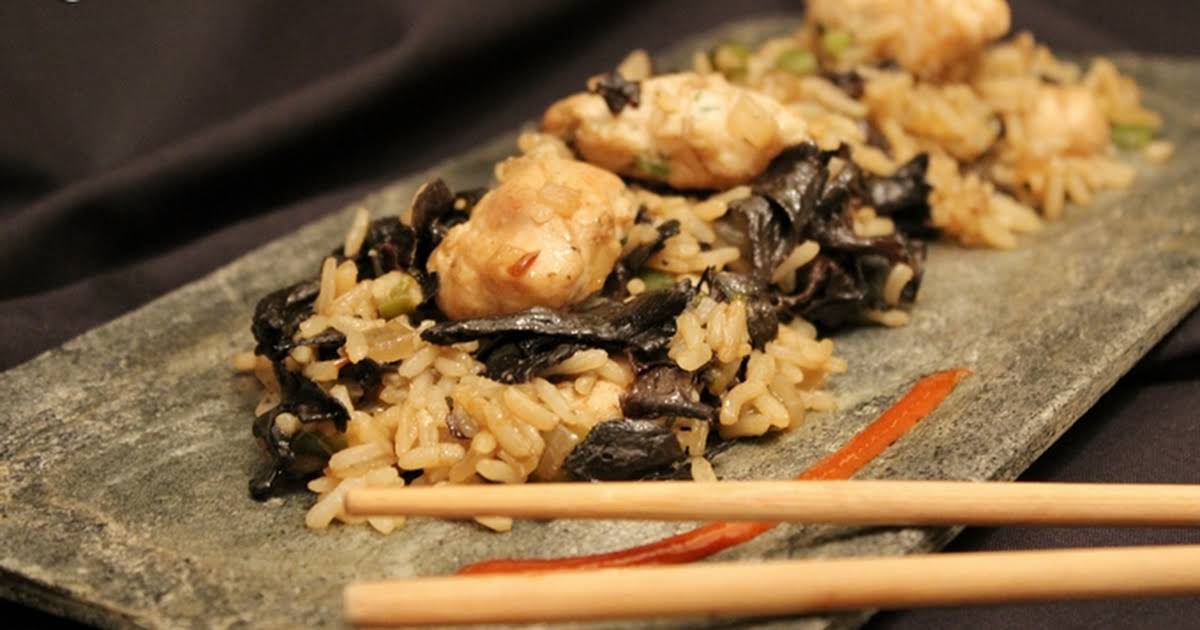
Black trumpet mushrooms are a nutritional powerhouse, offering an array of essential vitamins, minerals, and antioxidants. They are an excellent source of vitamins B1, B2, B3, and D, which are vital for energy production, metabolism, and immune function.
Antioxidant Properties
Black trumpet mushrooms are rich in antioxidants, including ergothioneine, which has been shown to protect cells from oxidative damage. This antioxidant activity may contribute to their potential health benefits, such as reducing inflammation and protecting against chronic diseases.
Immune System Enhancement
The polysaccharides present in black trumpet mushrooms have been found to stimulate the immune system. They enhance the production of immune cells, such as macrophages and natural killer cells, which help fight infections and promote overall well-being.
Anti-inflammatory Properties
Black trumpet mushrooms contain compounds that have anti-inflammatory effects. These compounds may help reduce inflammation throughout the body, potentially alleviating symptoms associated with conditions like arthritis, asthma, and inflammatory bowel disease.
Role in Disease Prevention
The nutritional profile and bioactive compounds of black trumpet mushrooms may play a role in disease prevention. Their antioxidant and anti-inflammatory properties may help protect against chronic diseases such as heart disease, cancer, and neurodegenerative disorders.
Foraging and Cultivation Techniques

Black trumpet mushrooms are highly sought after for their distinctive flavor and culinary versatility. Understanding their natural habitat and developing effective cultivation techniques are crucial for successful foraging and cultivation.
Foraging Black Trumpet Mushrooms
Black trumpet mushrooms thrive in moist, shady environments with well-drained soil. They are commonly found in hardwood forests, particularly near oak, beech, and birch trees. The optimal foraging season varies depending on the region but typically falls between late summer and early autumn.
- Identify Black Trumpets: Look for trumpet-shaped mushrooms with a velvety black exterior and hollow stems. They typically measure 2-5 inches in height and have a slightly flared rim.
- Foraging Etiquette: Respect the natural environment and avoid disturbing other organisms. Use a sharp knife to cut mushrooms at the base and leave the mycelium intact.
- Environmental Factors: Black trumpet mushrooms prefer acidic soil with a pH between 4.5 and 6.5. Ample moisture and shade are essential for their growth.
Cultivation Techniques
Cultivating black trumpet mushrooms can be challenging but rewarding. Here are some essential tips for successful cultivation:
- Substrate Preparation: Prepare a substrate consisting of a mixture of hardwood sawdust (e.g., oak, beech) and sterilized straw or wheat bran. Adjust the pH to 5.5-6.0 using lime or gypsum.
- Inoculation: Inoculate the substrate with black trumpet mushroom spores or spawn. Cover the substrate with a thin layer of soil or vermiculite to maintain moisture.
- Incubation: Keep the inoculated substrate in a dark, humid environment at a temperature between 50-60°F (10-16°C). Monitor the moisture levels and mist as needed.
- Fruiting: After several weeks, the mycelium will colonize the substrate. Reduce the humidity and increase the temperature to 55-65°F (13-18°C) to induce fruiting.
- Harvesting: Harvest black trumpet mushrooms when they reach maturity, typically 2-4 inches in height. Cut the mushrooms at the base and store them in a cool, humid environment.
Preserving and Storing Black Trumpet Mushrooms
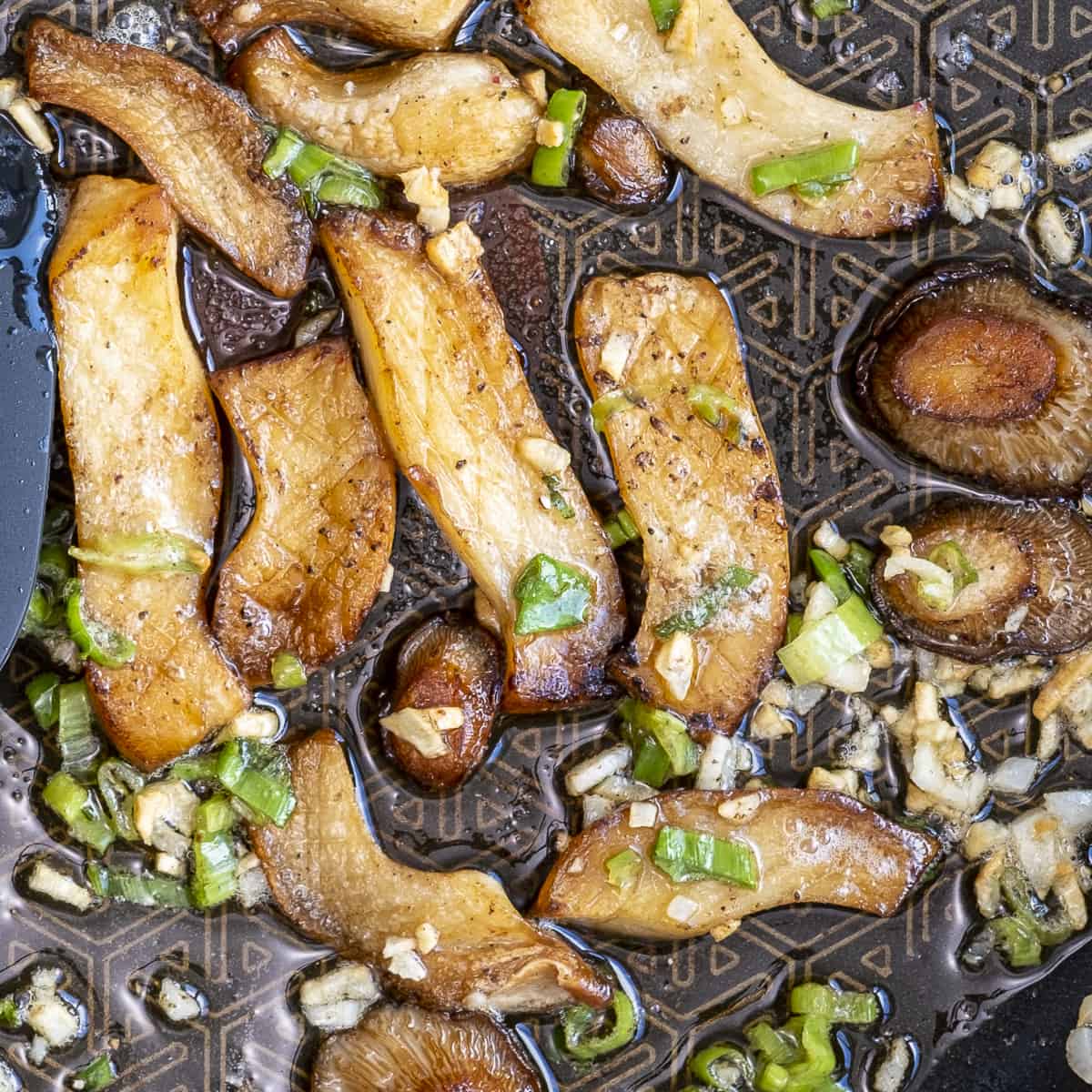
Preserving black trumpet mushrooms ensures their availability beyond their fresh season and maintains their unique flavor and aroma. Proper storage techniques are crucial to preserve their quality and extend their shelf life.
Drying
Drying is a classic method for preserving black trumpet mushrooms. It removes moisture, preventing spoilage and concentrating their flavor. Clean the mushrooms thoroughly and slice them into thin pieces. Spread them evenly on a drying rack or baking sheet lined with parchment paper. Dry them in a warm, well-ventilated area or use a food dehydrator at a temperature between 90-110°F (32-43°C). The drying process can take several hours or up to a day, depending on the thickness of the slices and the ambient temperature.
Freezing
Freezing is another effective method for preserving black trumpet mushrooms. Clean and slice the mushrooms as desired. Spread them on a baking sheet lined with parchment paper and freeze them for several hours or overnight. Once frozen, transfer the mushrooms to airtight freezer-safe containers or bags. Properly frozen black trumpet mushrooms can be stored for up to 6 months.
Pickling
Pickling is a method of preserving black trumpet mushrooms in a vinegar-based solution. Clean and trim the mushrooms, then blanch them briefly in boiling water. Remove the mushrooms and plunge them into an ice bath to stop the cooking process. In a separate saucepan, combine vinegar, water, sugar, salt, and spices to create the pickling solution. Bring the solution to a boil, then pour it over the mushrooms in a sterilized jar. Seal the jar and let it cool to room temperature before refrigerating. Pickled black trumpet mushrooms can be stored in the refrigerator for several months.
Storage
Proper storage is essential to maintain the quality and flavor of preserved black trumpet mushrooms.
- Dried mushrooms: Store dried mushrooms in an airtight container in a cool, dry place. They can last for up to a year.
- Frozen mushrooms: Keep frozen mushrooms in airtight containers or freezer-safe bags at a temperature of 0°F (-18°C) or below. They can be stored for up to 6 months.
- Pickled mushrooms: Store pickled mushrooms in a sterilized jar in the refrigerator. They can last for several months.
FAQ Insights
What makes black trumpet mushrooms unique?
Black trumpet mushrooms stand out with their distinct trumpet-shaped appearance and rich, earthy flavor profile. They offer a unique combination of umami and subtle bitterness that complements various culinary creations.
Are black trumpet mushrooms easy to find?
While black trumpet mushrooms grow in specific habitats, they can be challenging to locate due to their well-camouflaged nature. Foraging for these mushrooms requires patience, keen observation skills, and a deep understanding of their preferred environments.
Can black trumpet mushrooms be cultivated?
Yes, black trumpet mushrooms can be cultivated, although it requires specialized techniques and controlled environments. Successful cultivation involves mimicking their natural growing conditions, including substrate preparation, temperature regulation, and humidity control.
How should black trumpet mushrooms be stored?
To preserve the freshness and flavor of black trumpet mushrooms, store them in a cool, dry place. They can be refrigerated for up to a week or dried for longer-term storage. Proper storage techniques help maintain their quality and prevent spoilage.
What are some creative ways to incorporate black trumpet mushrooms into dishes?
Black trumpet mushrooms offer endless culinary possibilities. They can be sautéed with garlic and herbs, added to creamy sauces, or used as a flavorful garnish. Their unique flavor enhances soups, stews, and risottos, adding a touch of elegance to any meal.

.gallery-container {
display: flex;
flex-wrap: wrap;
gap: 10px;
justify-content: center;
}
.gallery-item {
flex: 0 1 calc(33.33% – 10px); /* Fleksibilitas untuk setiap item galeri */
overflow: hidden; /* Pastikan gambar tidak melebihi batas kotak */
position: relative;
margin-bottom: 20px; /* Margin bawah untuk deskripsi */
}
.gallery-item img {
width: 100%;
height: 200px;
object-fit: cover; /* Gambar akan menutupi area sepenuhnya */
object-position: center; /* Pusatkan gambar */
}
.image-description {
text-align: center; /* Rata tengah deskripsi */
}
@media (max-width: 768px) {
.gallery-item {
flex: 1 1 100%; /* Full width di layar lebih kecil dari 768px */
}
}