Bone broth for cats recipe - Bone broth for cats is a nutritious and easy-to-digest liquid that can provide a range of health benefits for your feline friend. It's packed with essential nutrients, such as amino acids, glucosamine, and chondroitin, which can support joint health, digestion, and the immune system.
Making bone broth for cats is simple and requires just a few ingredients. You'll need bones from organic, grass-fed animals, as well as some vegetables and herbs. The bones provide the nutrients, while the vegetables and herbs add flavor and health benefits.
Ingredients
To prepare a nutritious and delectable bone broth for your feline companion, you'll need the following ingredients:
- 2 pounds of meaty bones (such as chicken, beef, or lamb)
- 12 cups of filtered water
- 2 tablespoons of apple cider vinegar
- Optional: vegetables such as carrots, celery, or parsley for added nutrients
Equipment
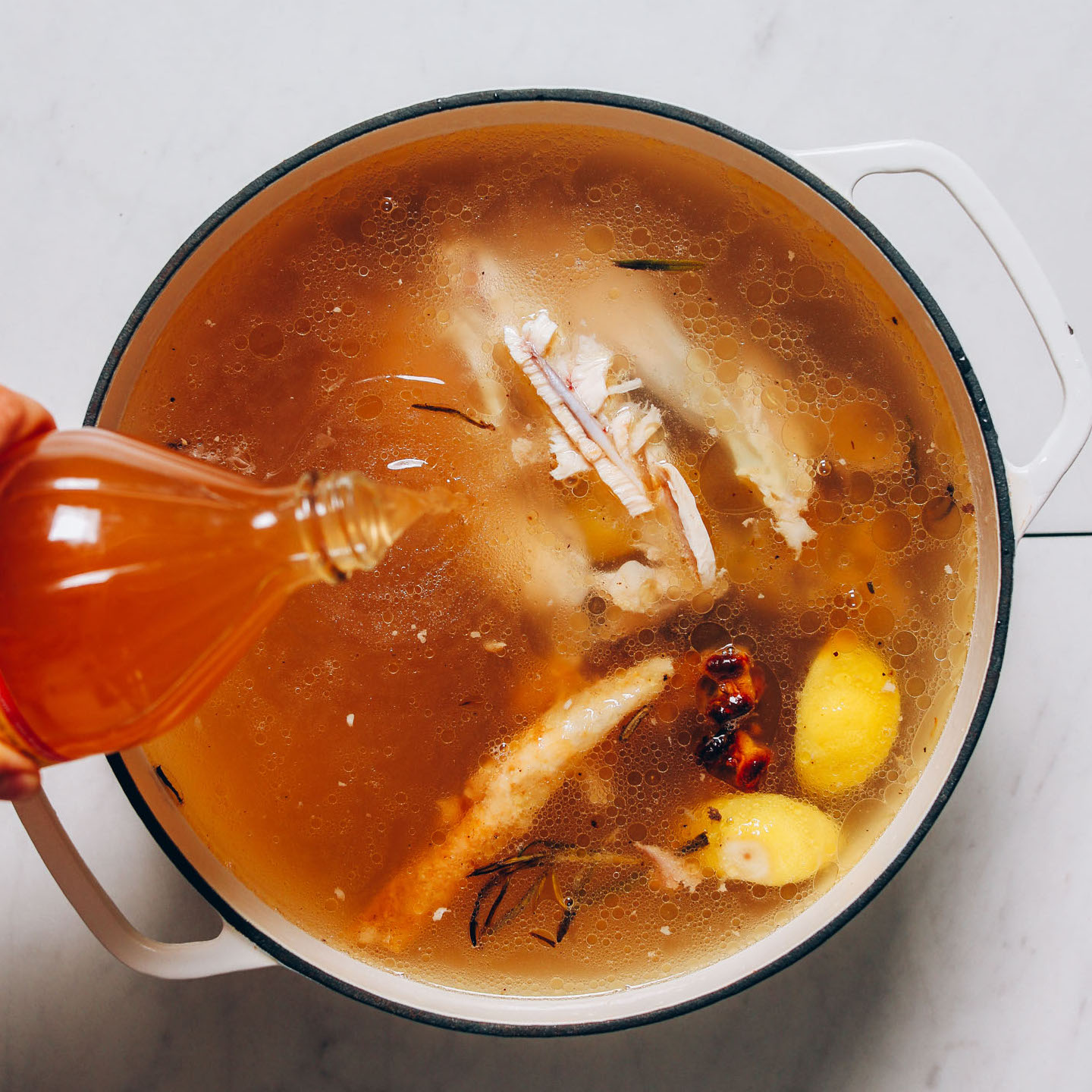
Preparing bone broth requires specific equipment to ensure proper extraction and sterilization. These tools will help you create a nutritious and safe broth for your feline friend.
The essential equipment includes:
- Stockpot or Dutch oven:A large, heavy-bottomed pot with a lid is ideal for simmering the bones and vegetables for extended periods.
- Colander or sieve:Used to strain the cooked broth from the bones and solids.
- Measuring cups and spoons:For accurate measurement of ingredients.
- Ladle:For scooping and transferring the broth.
- Slow cooker (optional):Can be used for longer cooking times, allowing the flavors to develop more fully.
Bone Selection
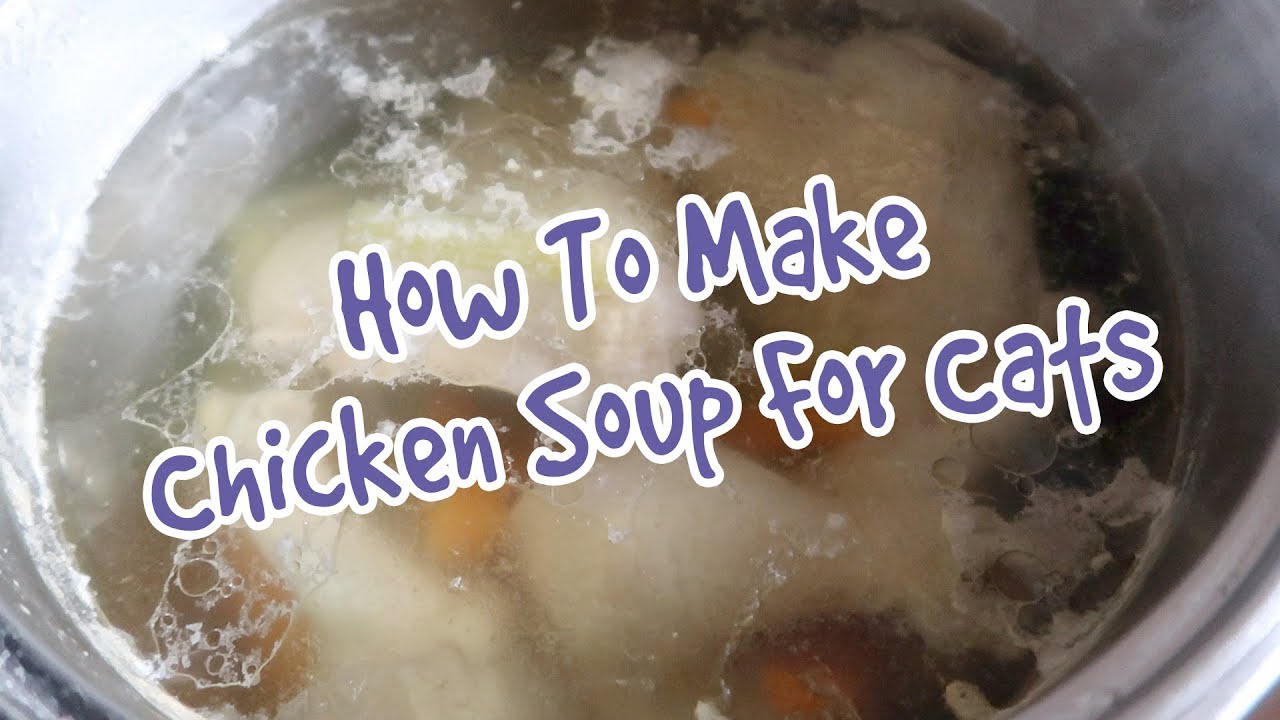
The choice of bones for making bone broth for cats is crucial as it determines the nutritional value and safety of the final product. Not all bones are suitable for cats, and certain types can pose health risks.
Generally, the best bones for bone broth for cats are:
- Chicken bones:Chicken necks, backs, and feet are excellent sources of collagen and other nutrients. They are also relatively soft and easy for cats to digest.
- Turkey bones:Turkey necks and backs are similar to chicken bones in terms of nutritional value and digestibility.
- Beef bones:Beef marrow bones and knuckles are rich in collagen and other nutrients. However, they are harder than chicken or turkey bones and may not be suitable for all cats.
Bones to Avoid
Certain types of bones should be avoided when making bone broth for cats, as they can be dangerous or difficult to digest:
- Cooked bones:Cooked bones are brittle and can splinter, which can cause injuries to the cat's mouth, throat, or digestive tract.
- Pork bones:Pork bones contain high levels of fat and cholesterol, which can be harmful to cats.
- Fish bones:Fish bones are thin and sharp, and can easily get stuck in the cat's throat or digestive tract.
- Rawhide bones:Rawhide bones are not bones but rather processed animal skins. They are not digestible and can cause blockages in the cat's digestive tract.
Cooking Methods

When preparing bone broth for your feline companions, there are several cooking methods to consider, each offering unique advantages and considerations. These include stovetop, slow cooker, and pressure cooker methods.
The choice of cooking method depends on factors such as the desired cooking time, convenience, and the amount of broth you intend to make. Let's delve into each method to help you determine the best approach for your needs.
Stovetop Method
The stovetop method is a straightforward approach that allows for direct control over the cooking process. It involves simmering the bones in a large pot or Dutch oven on the stovetop over low heat for several hours.
Advantages:
- Provides precise temperature control, allowing you to adjust the heat as needed.
- Enables easy monitoring of the broth's consistency and progress.
Disadvantages:
- Requires constant supervision to maintain the desired temperature.
- May be less suitable for large batches of broth.
Cooking Time
The cooking time for bone broth depends on several factors, including the size and type of bones used, the cooking method, and the desired consistency of the broth. As a general guideline, here are the recommended cooking times:
For a richer, more concentrated broth:Cook for 12-24 hours.
For a lighter, less concentrated broth:Cook for 6-8 hours.
When you're looking for a hearty and nutritious meal for your feline friend, bone broth is an excellent choice. And if you're looking for a delicious and comforting meal for yourself, check out this spaghetti factory clam sauce recipe . Bone broth is packed with nutrients that are essential for your cat's health, including glucosamine and chondroitin, which are great for joint health.
It's also a good source of protein, which is essential for maintaining a healthy weight and muscle mass. Bone broth is also easy to digest, making it a great choice for cats with sensitive stomachs.
Slow Cooker
If using a slow cooker, cook on low for 12-24 hours.
Pressure Cooker
If using a pressure cooker, cook on high pressure for 2-4 hours.
Benefits of Bone Broth: Bone Broth For Cats Recipe
Bone broth is a nutritional powerhouse for cats, offering a wide range of health benefits. It's a rich source of essential nutrients, including:
Minerals and Electrolytes
- Calcium
- Magnesium
- Phosphorus
- Potassium
- Sodium
These minerals are crucial for maintaining strong bones and teeth, regulating fluid balance, and supporting nerve and muscle function.
Amino Acids
- Glycine
- Proline
- Glutamine
These amino acids play vital roles in supporting digestion, immune function, and joint health.
Gelatin
Bone broth is also a rich source of gelatin, a protein that helps protect and lubricate joints, improve skin and coat health, and support digestion.
Storage
Storing bone broth properly is essential to ensure its freshness and prevent spoilage. After cooking, allow the broth to cool completely before storing it.
Refrigeration:Store bone broth in airtight containers in the refrigerator for up to 5 days. To extend its shelf life, freeze it in ice cube trays or freezer-safe containers for up to 3 months.
Thawing:To thaw frozen bone broth, place it in the refrigerator overnight or microwave it on a low setting until thawed. Do not refreeze thawed broth.
Reheating
Reheat bone broth gently over low heat or in the microwave until warmed through. Avoid boiling it, as this can destroy its nutrients.
Serving Suggestions
Bone broth can be served to cats in a variety of ways. It can be added to their regular food, or it can be given as a treat on its own.
Mixing with Food
Adding bone broth to your cat's food can help to make it more palatable and nutritious. It can also help to improve your cat's digestion and overall health.
To mix bone broth with food, simply add a few tablespoons to your cat's bowl. You can also add some chopped vegetables or meat to the mixture.
Giving as a Treat
Bone broth can also be given to cats as a treat. It is a healthy and nutritious snack that cats will love.
To give bone broth as a treat, simply pour a few tablespoons into a bowl and offer it to your cat. You can also freeze bone broth into ice cube trays and give the cubes to your cat as a frozen treat.
Recipe Variations
The basic bone broth recipe can be customized to suit your cat's preferences and health needs. Here are some suggestions for variations:
Adding vegetables to the broth can provide additional nutrients and flavor. Good choices include carrots, celery, and spinach. Herbs such as parsley, thyme, and rosemary can also be added for their health benefits and taste.
Adding Vegetables, Bone broth for cats recipe
- Carrots: Rich in beta-carotene, an antioxidant that supports vision and immune function.
- Celery: Contains antioxidants and anti-inflammatory compounds that may benefit the digestive system.
- Spinach: A leafy green packed with vitamins, minerals, and antioxidants.
Adding Herbs
- Parsley: A good source of vitamins and minerals, and may have diuretic and anti-inflammatory properties.
- Thyme: Contains antioxidants and may support respiratory health.
- Rosemary: Rich in antioxidants and may have anti-inflammatory and antimicrobial effects.
Troubleshooting
Encountering difficulties while making bone broth for cats is not uncommon. Here are some tips to address common issues:
If the broth is too thick, add more water and simmer for a longer time. If it's too thin, reduce the broth by simmering it uncovered.
Cloudy Broth
- This can occur if the bones are not blanched properly or if the broth is not skimmed regularly.
- To prevent cloudiness, blanch the bones thoroughly and skim off any foam or fat that rises to the surface during cooking.
Gelatinous Broth
- This indicates that the broth contains a high amount of collagen, which is a beneficial component.
- If desired, you can reduce the gelatin content by removing some of the fat before refrigerating the broth.
Off-Odor
- An unpleasant odor may indicate that the bones were not fresh or that the broth was not stored properly.
- Discard the broth and start over with fresh ingredients.
Closing Notes
Bone broth is a versatile food that can be served to cats in a variety of ways. You can add it to their food, give it to them as a treat, or freeze it into ice cubes for a refreshing snack.
It's also a great way to hydrate cats who are not drinking enough water.


