Embark on a culinary adventure with our bread machine ciabatta bread recipe, where simplicity meets excellence. Discover the secrets of crafting this iconic Italian bread in the comfort of your own kitchen, resulting in a masterpiece that will elevate your dining experiences.
From the history and origins of ciabatta to the step-by-step guide and troubleshooting tips, this comprehensive guide will equip you with the knowledge and techniques to create a perfect ciabatta loaf every time.
Ciabatta Bread Origins
Ciabatta, an iconic Italian bread, has a rich history dating back to the early 20th century in the northern Italian region of Veneto. The name "ciabatta" translates to "slipper" in Italian, aptly describing its distinctive oblong shape and open, airy crumb.
Cultural Significance
Ciabatta quickly gained popularity throughout Italy and beyond, becoming a staple in Italian cuisine. Its versatility makes it ideal for sandwiches, bruschetta, and as an accompaniment to various dishes. The bread's large holes provide a perfect canvas for absorbing flavorful sauces and toppings.
Ingredients and Composition

Ciabatta bread is a classic Italian bread known for its airy, open crumb and crispy crust. Its unique texture and flavor come from a combination of simple ingredients and a specific baking process.
The key ingredients in a classic ciabatta bread recipe are:
- Flour:High-protein bread flour is essential for giving ciabatta its signature chewy texture. The gluten in the flour forms a strong network that traps the air bubbles created during fermentation, resulting in the bread's characteristic open crumb.
- Water:Water hydrates the flour and activates the yeast. The amount of water used affects the consistency of the dough, with a higher hydration level resulting in a softer, more open crumb.
- Yeast:Yeast is a fungus that ferments the sugars in the flour, producing carbon dioxide gas. This gas creates the air bubbles that give ciabatta its airy texture.
- Salt:Salt enhances the flavor of the bread and helps to strengthen the gluten network. It also inhibits the growth of unwanted bacteria during fermentation.
Bread Machine Settings
Optimal bread machine settings for ciabatta bread are crucial for achieving the desired texture and flavor. The settings impact the dough's kneading speed, temperature, and rising time, which in turn influence the bread's characteristics.
Kneading Speed
- For ciabatta bread, select a low kneading speed to gently mix the ingredients and avoid overworking the dough.
- Overkneading can result in a dense, chewy texture, while a low speed promotes a light, airy crumb.
Dough Temperature, Bread machine ciabatta bread recipe
- Maintain a dough temperature between 75-80°F (24-27°C) during kneading.
- Warm dough promotes yeast activity, resulting in a better rise, while cool dough slows down the process.
Rising Time
- Allow the dough to rise twice: once after kneading and again after shaping.
- The first rise should be for approximately 1 hour, or until the dough has doubled in size.
- The second rise should be for 30-45 minutes, or until the dough has almost doubled in size.
- Adequate rising time allows the yeast to produce carbon dioxide gas, which creates the bread's characteristic holes and lightness.
Step-by-Step s
Making ciabatta bread in a bread machine is a convenient and straightforward process. Here's a detailed guide to help you achieve perfect results every time:
Before starting, ensure you have all the necessary ingredients and equipment. The ingredients include bread flour, water, olive oil, yeast, and salt. You'll also need a bread machine with a dough setting and a baking cycle.
Measuring and Mixing
Start by measuring and adding the ingredients to the bread machine pan in the correct order. First, add the water, then the olive oil, and finally, the bread flour. Make a small well in the center of the flour and sprinkle the yeast into it.
Avoid letting the yeast come into direct contact with the salt or water, as this can inhibit its activity.
Kneading
Once the ingredients are in the pan, select the dough setting on your bread machine. The machine will automatically knead the dough for a specific period, typically around 10-15 minutes. During this time, the gluten in the flour will develop, giving the bread its characteristic chewy texture.
Rising
After the kneading cycle is complete, the bread machine will enter a rising cycle. This allows the dough to rise and expand in a warm environment. The rising time can vary depending on the machine and the amount of yeast used, but it typically takes around 1-2 hours.
Baking
Once the dough has risen, the bread machine will automatically switch to the baking cycle. The bread will bake for a set period, usually around 45-60 minutes. During this time, the bread will brown and develop a crispy crust.
Cooling
Once the baking cycle is complete, remove the bread from the machine and let it cool on a wire rack for at least 30 minutes before slicing and serving.
Troubleshooting Common Issues
Encountering problems while making ciabatta bread in a bread machine is not uncommon. Identifying the cause and implementing appropriate solutions can enhance your bread-making experience. This section addresses common issues and provides guidance to help you troubleshoot and achieve a successful ciabatta loaf.
Factors such as dough consistency, rising issues, and baking inconsistencies can impact the outcome of your bread. Understanding the causes and applying the suggested solutions will enable you to overcome these challenges and enjoy a delicious, artisanal ciabatta loaf.
Dough Consistency
A dough that is too wet or too dry can affect the rise and texture of your bread. Here are some tips to achieve the ideal dough consistency:
- If the dough is too wet, add more flour 1 tablespoon at a time until it becomes less sticky and more manageable.
- If the dough is too dry, add warm water 1 tablespoon at a time until it becomes smooth and elastic.
Rising Problems
Insufficient rising can result in a dense and unappetizing loaf. Ensure proper rising by considering the following factors:
- Yeast Activity:Ensure the yeast is active by testing it in warm water with a pinch of sugar before adding it to the dough. If no bubbles form, replace the yeast.
- Temperature:The ideal temperature for yeast activity is between 75-85°F (24-29°C). Ensure the water and room temperature are within this range.
- Kneading Time:Adequate kneading develops the gluten network, which is essential for a good rise. Follow the recommended kneading time for your bread machine.
Baking Inconsistencies
Uneven baking can lead to an uneven crust or undercooked bread. To achieve consistent baking, consider the following:
- Bread Machine Settings:Ensure the bread machine is set to the correct cycle for ciabatta bread. Adjust the crust color setting to your preference.
- Oven Temperature:If baking the bread in a conventional oven, preheat the oven to the recommended temperature and ensure the oven is at the correct temperature before placing the loaf inside.
- Baking Time:Follow the recommended baking time for your recipe. Insert a toothpick into the center of the loaf to check for doneness. If it comes out clean, the bread is done.
Variations and Flavor Enhancements
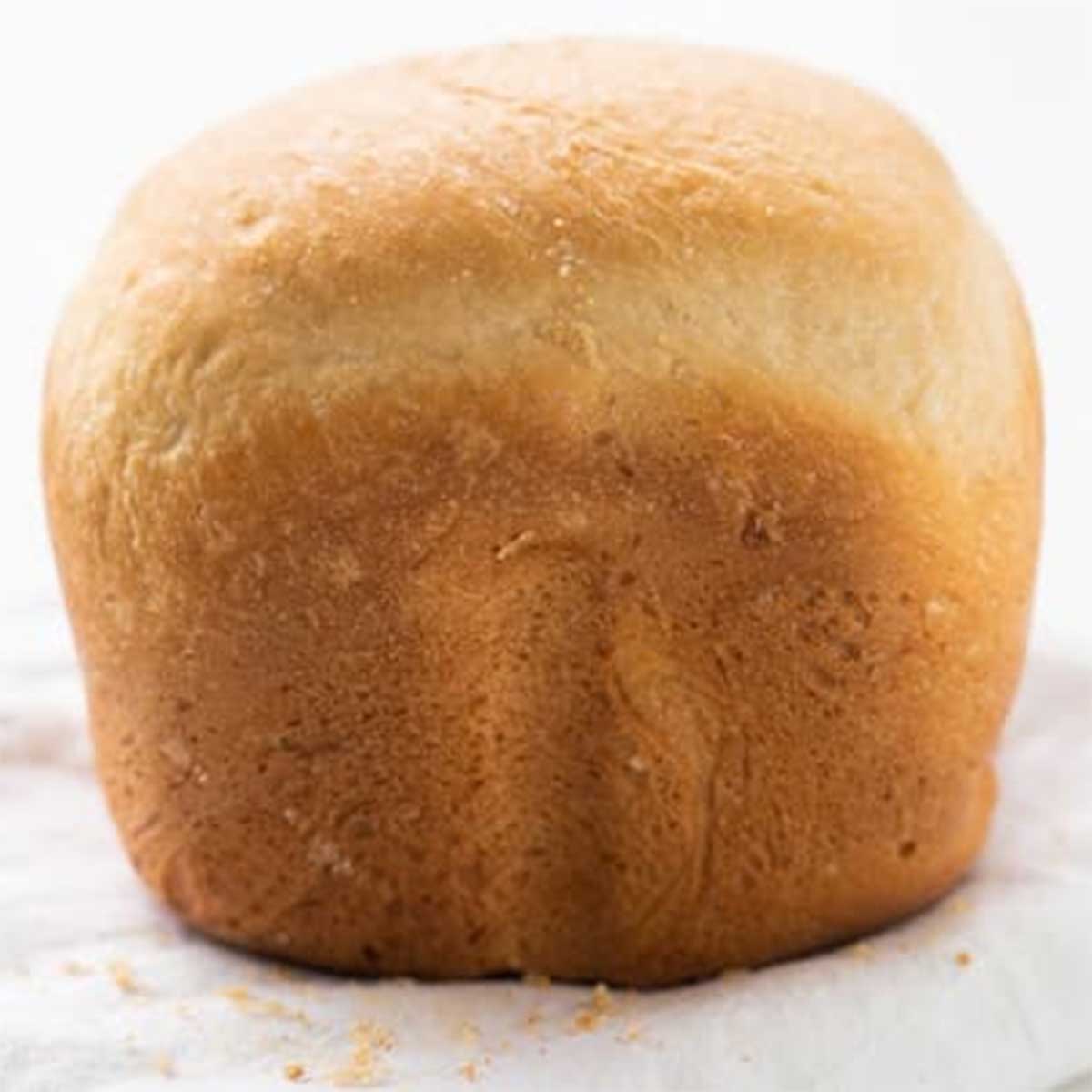
Classic ciabatta bread offers a delightful canvas for culinary creativity. Experiment with various additions to enhance its flavor and texture, transforming it into a delectable masterpiece.
By incorporating aromatic herbs and spices, you can infuse your ciabatta with vibrant flavors. Consider adding chopped rosemary, thyme, or oregano to the dough for a herbaceous twist. A dash of paprika or chili powder can introduce a subtle warmth and depth of flavor.
Herb-Infused Ciabatta
- Incorporate 1 tablespoon of chopped fresh rosemary or thyme into the dough during the kneading process.
- This variation yields a fragrant and savory bread, perfect for pairing with soups, salads, or dips.
Spiced Ciabatta
- Add 1 teaspoon of paprika or chili powder to the dough for a hint of warmth and smokiness.
- This variation creates a flavorful bread that complements grilled meats, spicy dishes, or as a base for bruschetta.
Beyond herbs and spices, you can also explore fillings to create delectable variations of ciabatta bread. Consider incorporating olives, sun-dried tomatoes, or cheese into the dough for a burst of flavor and texture.
Olive and Sun-Dried Tomato Ciabatta
- Add 1/2 cup of chopped black olives and 1/2 cup of chopped sun-dried tomatoes to the dough before the final kneading.
- This variation results in a flavorful bread with a chewy texture, perfect for slicing and serving as a snack or appetizer.
Cheese-Filled Ciabatta
- Incorporate 1/2 cup of shredded mozzarella or cheddar cheese into the dough during the kneading process.
- This variation creates a rich and indulgent bread, ideal for sandwiches, grilled cheese, or as a side dish.
Experimenting with different variations and flavor enhancements allows you to create a unique and delicious ciabatta bread that suits your taste preferences. Explore these variations and discover the endless possibilities of this versatile bread.
Nutritional Information
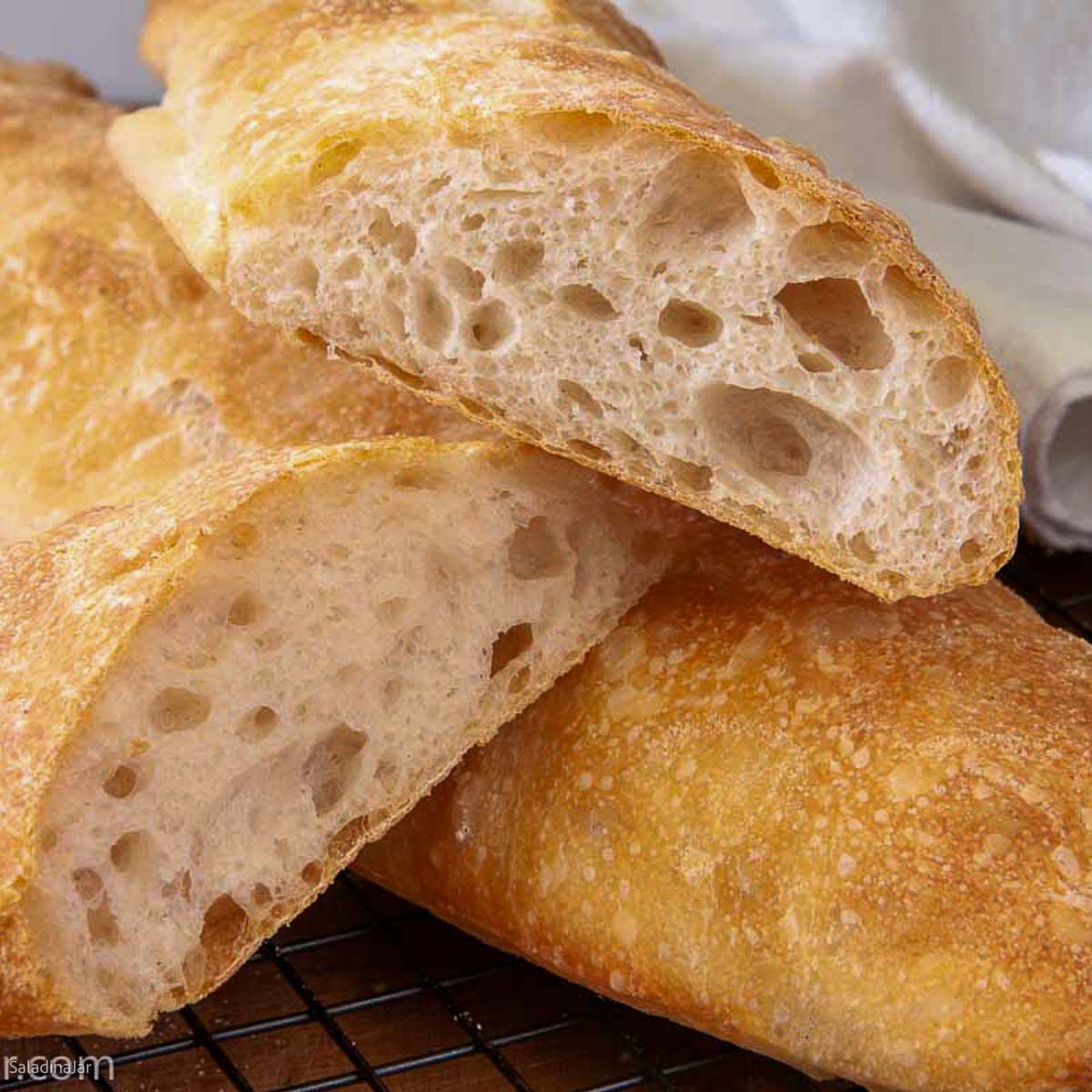
Ciabatta bread offers a distinct nutritional profile compared to other bread varieties. Understanding its nutritional content is essential for informed dietary choices.
A 100-gram serving of ciabatta bread typically provides the following:
- Calories: 280
- Carbohydrates: 56 grams
- Protein: 8 grams
- Fiber: 2 grams
Compared to other types of bread, ciabatta bread generally contains a higher amount of calories and carbohydrates, while its protein and fiber content are comparable.
Serving Suggestions
Ciabatta bread's versatility extends beyond its role as a standalone bread. It serves as an excellent accompaniment to various dishes, offering a delightful complement to their flavors and textures.
In sandwiches, ciabatta's crispy crust and airy interior provide a sturdy base for hearty fillings. Its porous texture allows sauces and juices to soak in, creating a flavorful and satisfying experience.
Salads
Ciabatta croutons add a delightful crunch and rustic charm to salads. Their ability to absorb dressings and marinades enhances the overall flavor profile, making them a welcome addition to any salad bowl.
Appetizers
Ciabatta slices can be transformed into delectable appetizers with a variety of toppings. Bruschetta, a classic Italian appetizer, features grilled ciabatta topped with a flavorful mixture of tomatoes, garlic, and herbs.
Storage and Preservation
Ciabatta bread is best enjoyed fresh, but it can be stored for a few days to maintain its quality. Here are some tips for storing and preserving ciabatta bread:
To store ciabatta bread at room temperature, wrap it tightly in plastic wrap or place it in a bread box. It will stay fresh for about 2-3 days.
To store ciabatta bread in the refrigerator, wrap it tightly in plastic wrap or place it in an airtight container. It will stay fresh for about 5-7 days.
To freeze ciabatta bread, wrap it tightly in plastic wrap and place it in a freezer-safe bag. It will stay fresh for about 2-3 months.
Reheating Ciabatta Bread
To reheat ciabatta bread, preheat your oven to 350 degrees Fahrenheit. Wrap the bread in aluminum foil and place it on a baking sheet. Bake for about 10-15 minutes, or until the bread is heated through.
Bread Machine Recommendations
When selecting a bread machine for ciabatta, consider factors such as:
- Size:A larger machine can accommodate larger loaves, ideal for families or those who bake frequently.
- Kneading Power:Ciabatta dough is stiff and requires strong kneading. Look for machines with powerful motors and durable kneading blades.
- Preset Programs:Choose a machine with a dedicated ciabatta program or customizable settings to adjust kneading time and dough consistency.
Additional Features
- Automatic Fruit and Nut Dispenser:This feature allows you to add ingredients like olives, herbs, or nuts at the appropriate time during the baking process.
- Delayed Start Timer:If you prefer freshly baked bread in the morning, this feature enables you to set the machine to start kneading and baking at a specified time.
- Viewing Window:A window allows you to monitor the progress of the dough and baking process without opening the lid.
Additional Resources: Bread Machine Ciabatta Bread Recipe
Explore further information on ciabatta bread, bread machine usage, and related topics through the following resources:
Each resource provides valuable insights and practical guidance to enhance your understanding and skills.
Ciabatta Bread
- King Arthur Flour: Ciabatta Bread Recipe Detailed recipe and instructions for making authentic ciabatta bread.
- The Perfect Loaf: Ciabatta Bread Comprehensive guide to ciabatta bread, including history, techniques, and troubleshooting tips.
- YouTube: Ciabatta Bread Recipe (Bread Machine) Video demonstration of making ciabatta bread in a bread machine.
Bread Machine Usage
- Bread Machine Direct: Bread Machine Guide Extensive guide to bread machine usage, including tips, recipes, and troubleshooting.
- The Spruce Eats: Using a Bread Machine Step-by-step instructions and troubleshooting advice for using a bread machine.
- YouTube: How to Use a Bread Machine Video tutorial on the basic operation of a bread machine.
Last Recap
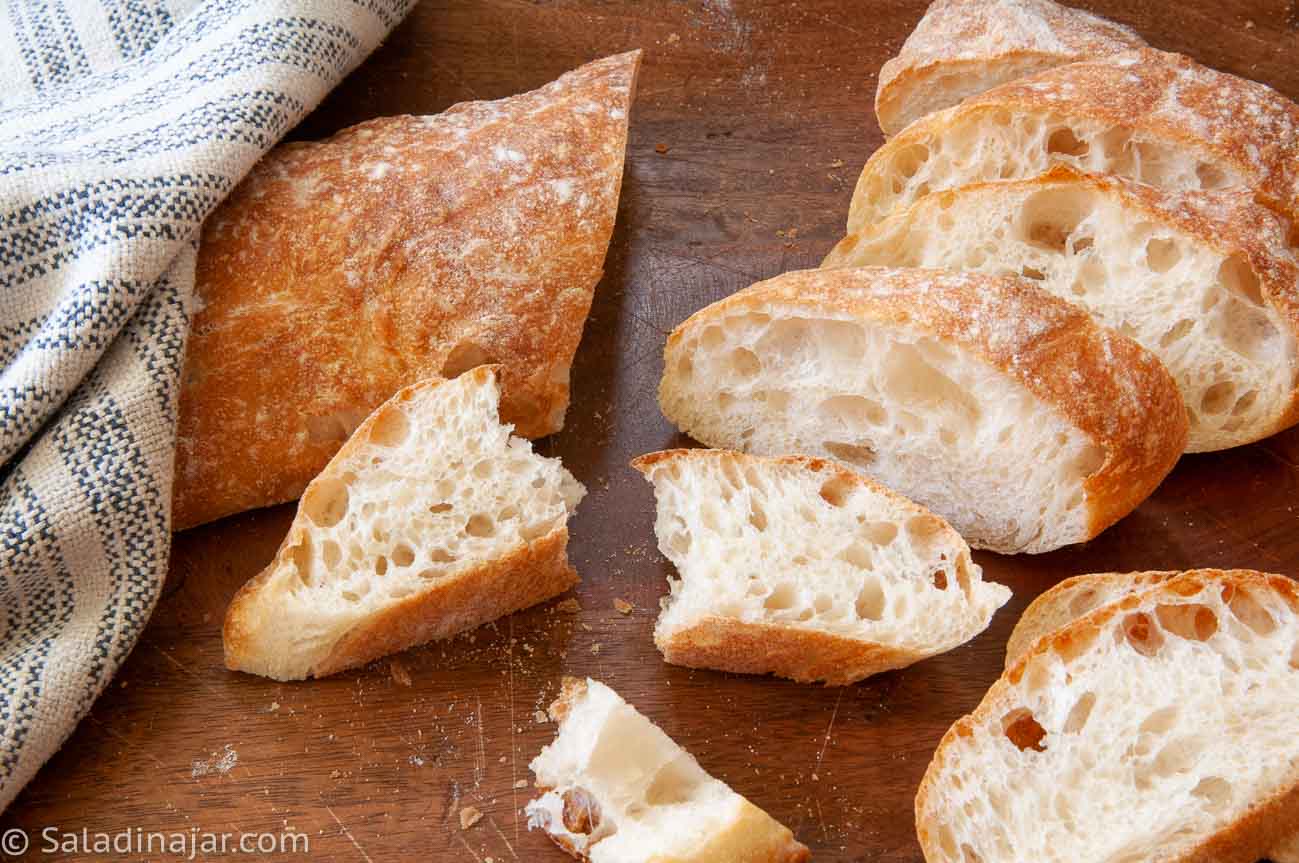
Whether you're a seasoned baker or a novice in the kitchen, our bread machine ciabatta bread recipe will guide you through the process with ease. Experiment with variations, enhance flavors, and impress your loved ones with this delightful homemade treat.
Let the aroma of freshly baked ciabatta fill your home and create memories that will last a lifetime.


