Brown Jasmine Rice Recipe: Embark on a culinary adventure with this delectable grain, where nutty flavors and aromatic nuances intertwine. Discover the secrets to cooking perfect Brown Jasmine Rice, exploring various methods, health benefits, and creative variations.
From stovetop mastery to the convenience of rice cookers, we delve into the art of preparing this versatile ingredient. Uncover its nutritional prowess, how it complements a balanced diet, and the myriad of flavor combinations that elevate its taste.
Brown Jasmine Rice Ingredients
When cooking Brown Jasmine Rice, using high-quality ingredients is essential to achieve the best flavor and texture. Here’s a list of key ingredients and their recommended measurements:
Brown Jasmine Rice
- 1 cup uncooked brown jasmine rice
- 2 cups water or broth
Additional Ingredients
Depending on your preference, you can add other ingredients to enhance the flavor of your rice. Some popular options include:
- 1 tablespoon olive oil or butter (optional)
- 1/2 teaspoon salt (or to taste)
- 1/4 teaspoon black pepper (optional)
- 1/4 cup chopped onion (optional)
- 1/4 cup chopped garlic (optional)
- 1/4 cup chopped fresh herbs (such as cilantro, parsley, or basil) (optional)
Cooking Methods

Brown Jasmine Rice can be cooked using various methods, each with its advantages and disadvantages. Let’s explore the different ways to cook this aromatic rice:
Stovetop Method
The stovetop method is a classic and reliable way to cook Brown Jasmine Rice. It allows for precise control over the cooking process, resulting in fluffy and evenly cooked rice.
- Rinse the rice thoroughly in a fine-mesh sieve until the water runs clear. This removes excess starch and helps prevent the rice from sticking together.
- In a medium saucepan, combine the rinsed rice with water in a 1:1.5 ratio (1 cup of rice to 1.5 cups of water). Add a pinch of salt for flavor.
- Bring the mixture to a boil over high heat. Once boiling, reduce heat to low, cover the pan, and simmer for 45-50 minutes, or until all the water has been absorbed and the rice is tender.
- Remove the pan from the heat and let it stand, covered, for 5 minutes before fluffing the rice with a fork.
Pros:
– Precise control over the cooking process
– Consistent results
– Easy to adjust the amount of water and salt
Cons:
– Requires constant monitoring
– Can be time-consuming
Health Benefits
Brown Jasmine Rice, a whole grain with an abundance of nutrients, stands out as a valuable addition to a balanced diet. It’s packed with fiber, vitamins, minerals, and antioxidants, all contributing to its numerous health benefits.
The high fiber content in Brown Jasmine Rice promotes digestive health, regulating bowel movements and reducing the risk of constipation. It also helps control blood sugar levels, slowing down the absorption of glucose and preventing spikes after meals.
Rich in Nutrients
Brown Jasmine Rice is a rich source of essential nutrients, including manganese, magnesium, selenium, and B vitamins. Manganese aids in bone formation, while magnesium supports muscle function and nerve transmission. Selenium protects against oxidative damage, and B vitamins are crucial for energy production and brain health.
Lowers Cholesterol
The soluble fiber in Brown Jasmine Rice binds to cholesterol in the digestive tract, preventing its absorption into the bloodstream. This helps reduce LDL (bad) cholesterol levels, promoting heart health.
May Aid Weight Management
The high fiber content in Brown Jasmine Rice promotes satiety, keeping you feeling fuller for longer. This can help reduce overall calorie intake and support weight management efforts.
Anti-Inflammatory Properties
Brown Jasmine Rice contains antioxidants, such as ferulic acid, which have anti-inflammatory properties. These antioxidants may help reduce inflammation throughout the body, potentially lowering the risk of chronic diseases like heart disease and cancer.
Flavor Pairings: Brown Jasmine Rice Recipe
Brown Jasmine Rice is a versatile grain that pairs well with a variety of flavors. Its nutty flavor and slightly chewy texture make it an ideal base for both sweet and savory dishes.
Some of the most popular flavor pairings for Brown Jasmine Rice include:
Herbs and Spices
- Cilantro
- Mint
- Basil
- Cumin
- Turmeric
- Paprika
Sauces
- Coconut milk
- Soy sauce
- Hoisin sauce
- Teriyaki sauce
- Peanut sauce
Other Ingredients
- Vegetables (such as carrots, celery, and onions)
- Meat (such as chicken, beef, or pork)
- Seafood (such as shrimp, fish, or scallops)
- Fruit (such as mango, pineapple, or papaya)
- Nuts (such as almonds, cashews, or peanuts)
When pairing flavors with Brown Jasmine Rice, it is important to consider the overall balance of the dish. For example, if you are using a spicy sauce, you may want to pair it with a mild-flavored vegetable. Conversely, if you are using a sweet sauce, you may want to pair it with a savory meat or seafood.
The Brown Jasmine Rice Recipe is a simple yet flavorful dish that can be paired with various proteins. If you’re looking for a more indulgent side, consider trying the Red Lobster Sausage Ball Recipe . These bite-sized balls are made with ground sausage, bread crumbs, and spices, and they’re sure to be a hit at your next gathering.
Once you’ve enjoyed the sausage balls, come back to the Brown Jasmine Rice Recipe for a light and refreshing contrast.
Experimenting with different flavor combinations is the best way to find what you like best. So get creative and enjoy!
Brown Jasmine Rice Recipe is a great way to enjoy the nutty flavor of jasmine rice. If you’re looking for a more natural way to wash your hair, you might want to try making your own Shampoo Bar Recipe Without Lye . It’s easy to make and doesn’t contain any harsh chemicals.
Once you’ve tried it, you’ll never go back to store-bought shampoo again. You can also try the Brown Jasmine Rice Recipe with your favorite vegetables or meat. It’s a versatile dish that can be enjoyed in many different ways.
Recipe Variations
Ingredients and Seasonings
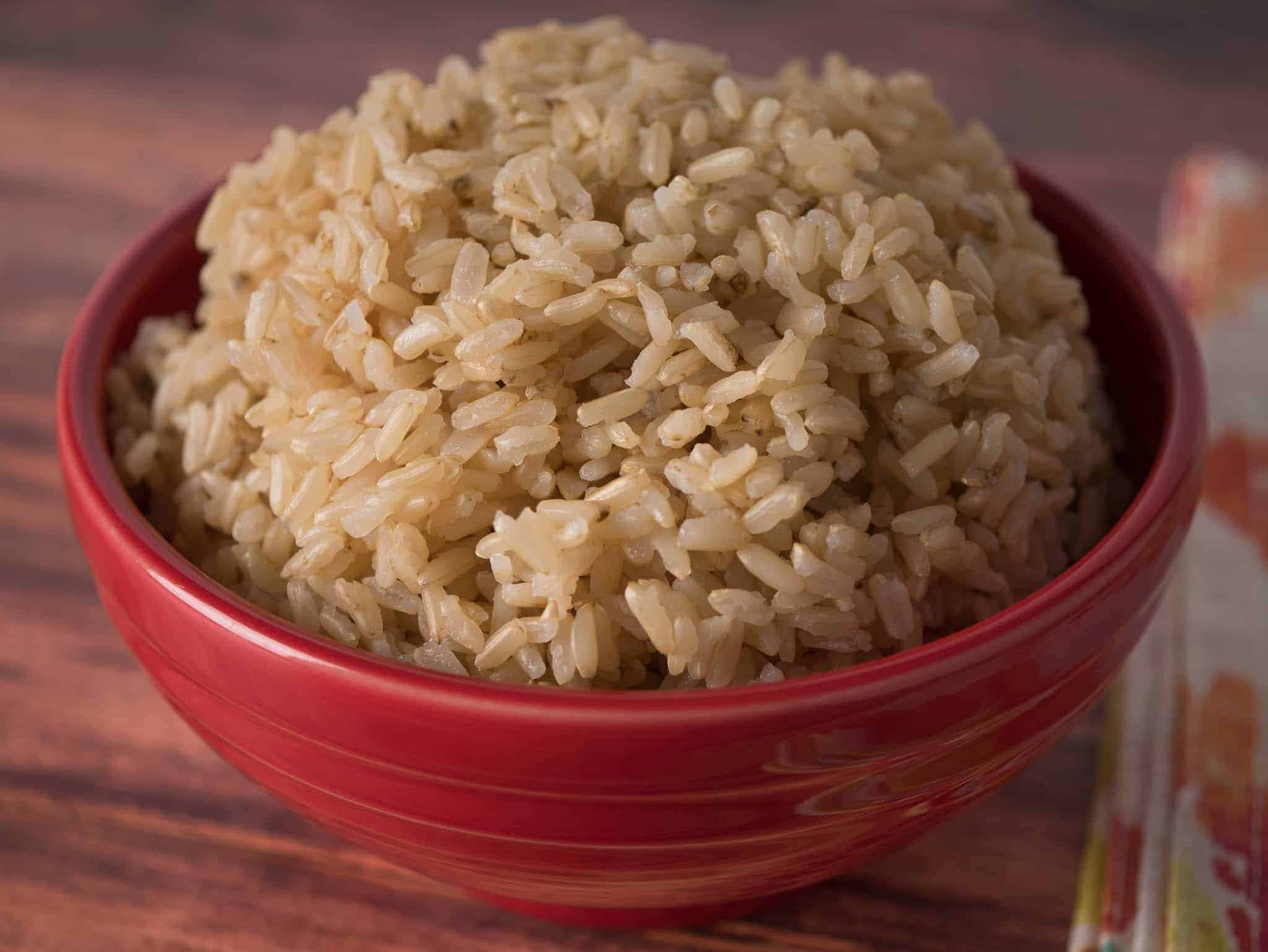
Unlock your culinary creativity by experimenting with various ingredients and seasonings. Enhance the earthy flavors of brown jasmine rice with aromatic spices like cumin, turmeric, or garam masala. Add a touch of sweetness with raisins, cranberries, or dried apricots. Elevate its savory profile with roasted nuts, such as almonds, cashews, or pistachios.
Cooking Techniques, Brown Jasmine Rice Recipe
Explore different cooking methods to create unique textures and flavors. Try simmering the rice in flavorful broths or stocks for an extra depth of flavor. Alternatively, steam the rice for a lighter and fluffier texture. For a smoky and nutty aroma, toast the rice grains in a pan before cooking.
Popular Variations
* Coconut Jasmine Rice: Infuse the rice with the tropical flavors of coconut milk for a creamy and aromatic dish.
* Cilantro Lime Rice: Add a burst of freshness with chopped cilantro and a squeeze of lime juice, creating a vibrant and tangy side dish.
* Mexican Brown Rice: Season the rice with cumin, chili powder, and chopped tomatoes for a flavorful and spicy twist.
* Fried Brown Rice: Stir-fry the cooked rice with vegetables, soy sauce, and your favorite protein for a quick and satisfying meal.
Serving Suggestions

Brown Jasmine Rice is a versatile dish that can be served in various ways. It can be a simple side dish, a hearty main course, or an ingredient in more complex recipes.
As a side dish, Brown Jasmine Rice pairs well with grilled meats, fish, or tofu. It can also be served with curries, stir-fries, or other Asian-inspired dishes.
Main Course
For a hearty main course, Brown Jasmine Rice can be cooked with vegetables, beans, or lentils. It can also be used as a base for rice bowls, topped with grilled meats, vegetables, or eggs.
Ingredient in Other Recipes
Brown Jasmine Rice can also be used as an ingredient in other recipes. It can be added to soups, stews, and casseroles. It can also be used to make rice pudding or other desserts.
Popular Serving Suggestions
- As a side dish to grilled salmon with roasted vegetables
- As a base for a rice bowl with chicken, black beans, and corn
- In a stir-fry with vegetables and tofu
- In a soup with chicken, vegetables, and noodles
- In a rice pudding with raisins and cinnamon
Nutritional Information
Brown jasmine rice is a whole grain that is packed with nutrients. It is a good source of fiber, protein, and essential vitamins and minerals.
The following table provides the nutritional information for brown jasmine rice, both cooked and uncooked:
| Nutrient | Cooked | Uncooked |
|---|---|---|
| Calories | 216 | 365 |
| Carbohydrates | 44g | 79g |
| Protein | 5g | 9g |
| Fat | 2g | 3g |
| Fiber | 4g | 7g |
Cooking Tips
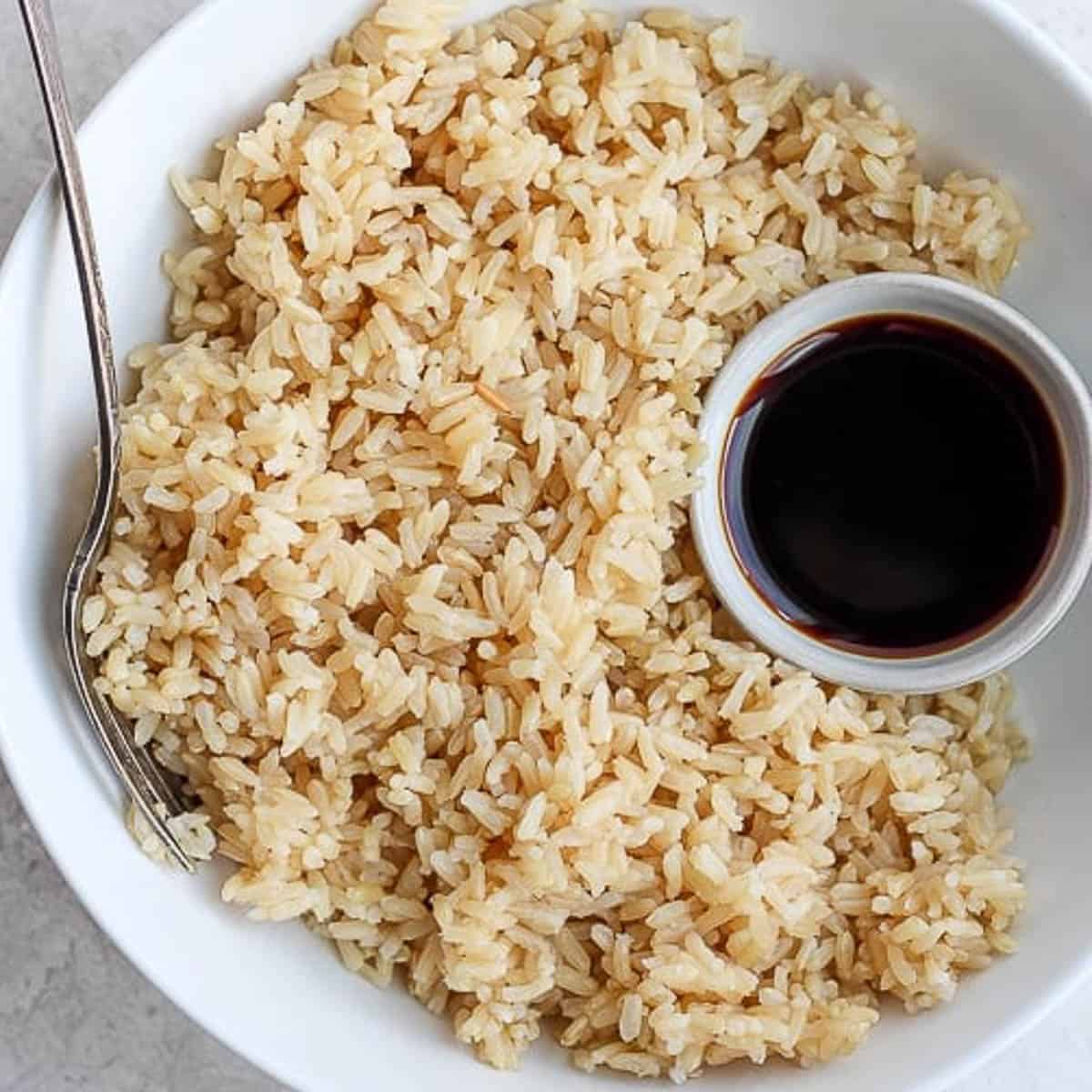
Preparing perfect Brown Jasmine Rice requires some essential cooking tips. Follow these guidelines to achieve the desired texture and flavor while avoiding common pitfalls.
Measuring and Rinsing
Accurately measure the rice using a measuring cup. Rinse the rice thoroughly in a fine-mesh sieve until the water runs clear. This removes excess starch and helps prevent the rice from becoming sticky.
Water Ratio
The water-to-rice ratio is crucial. For Brown Jasmine Rice, a ratio of 1.5:1 (1.5 cups water to 1 cup rice) is ideal. This ratio provides enough water for the rice to cook without becoming mushy.
Cooking Method
Use a heavy-bottomed pot or a rice cooker for cooking Brown Jasmine Rice. Bring the water to a boil, then add the rice. Reduce heat to low, cover, and simmer for 18-20 minutes, or until all the water has been absorbed.
Avoid Stirring
Resist the urge to stir the rice during cooking. Stirring can break the grains and make the rice mushy. Gently shake the pot once or twice during cooking to prevent sticking.
Fluffing
Once the rice is cooked, fluff it with a fork to separate the grains. This helps create a light and fluffy texture.
Recipe History and Origin
Brown Jasmine Rice, a cherished staple in Southeast Asian cuisine, has a rich history and cultural significance that spans centuries.
Originating in the fertile plains of Thailand, this fragrant and flavorful rice is believed to have been cultivated for over 5,000 years. The name “Jasmine” is derived from its delicate floral aroma, reminiscent of the fragrant jasmine blossoms that bloom in the region.
Cultivation and Processing
Brown Jasmine Rice is harvested from long-grain rice varieties, specifically the Khao Dawk Mali 105 variety. It undergoes minimal processing, retaining its nutrient-rich bran and germ layers. This process preserves the rice’s natural nutty flavor, chewy texture, and abundance of dietary fiber.
Last Recap

Whether served as a standalone side dish or incorporated into tantalizing entrees, Brown Jasmine Rice tantalizes taste buds with its unique character. Its history and cultural significance add depth to this culinary gem, making it a staple in kitchens worldwide.