Indulge in the tantalizing aroma of Brown Sugar Caramel Pound Cake, where rich, buttery notes intertwine with the seductive sweetness of caramelized sugar. Each bite promises a moist and tender crumb, enveloped in a luscious caramel glaze that harmoniously complements the cake’s inherent flavors.
Our culinary journey begins with a symphony of ingredients, each carefully selected to orchestrate a symphony of textures and flavors. The creaming method meticulously blends butter and sugar, creating a light and airy batter that bakes to perfection, ensuring even cooking and a golden-brown crust.
Sensory Profile

Indulge in the tantalizing sensory experience of our brown sugar caramel pound cake. Its captivating aroma greets you with a symphony of rich butter and caramelized sweetness, inviting you to savor every bite.
Texture
Bite into the moist and tender crumb, where each forkful melts in your mouth. Hints of brown sugar permeate the cake, adding a delightful sweetness that complements the caramelized notes.
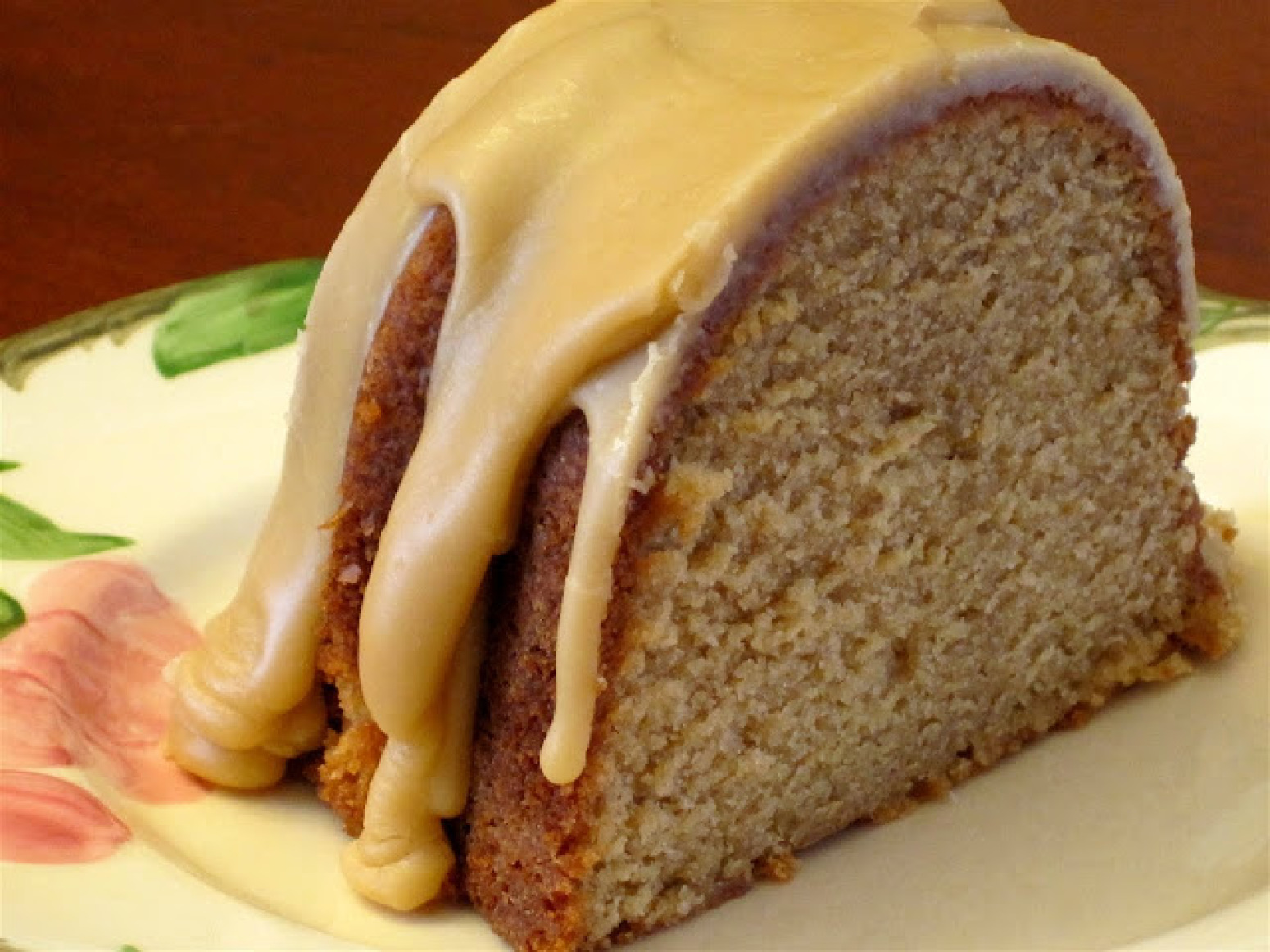
Caramel Glaze, Brown sugar caramel pound cake
The caramel glaze adorning the cake strikes a perfect balance of sweetness. Its glossy sheen adds a touch of elegance, while its flavor seamlessly complements the cake’s base, creating a harmonious and unforgettable dessert.
Ingredients and Techniques
The brown sugar caramel pound cake requires a carefully curated selection of ingredients to achieve its distinct flavor and texture. The core components of the cake batter include:
- All-purpose flour: Provides the structure and foundation of the cake.
- Baking powder: Acts as a leavening agent, promoting airiness and lift.
- Salt: Enhances the flavor and balances the sweetness.
- Unsalted butter: Adds richness, tenderness, and a buttery aroma.
- Granulated sugar: Provides sweetness and contributes to the caramelized flavor.
- Brown sugar: Imparts a deep molasses flavor and moist texture.
- Eggs: Bind the ingredients together, adding structure and moisture.
- Vanilla extract: Enhances the flavor and aroma.
- Buttermilk: Tenderizes the cake and adds a subtle tang.
For the caramel glaze, the following ingredients are essential:
- Light brown sugar: Provides sweetness and a rich caramel flavor.
- Heavy cream: Adds creaminess and helps to create a smooth glaze.
- Butter: Enhances the richness and flavor.
- Salt: Balances the sweetness and enhances the flavor.
- Vanilla extract: Adds a subtle vanilla aroma.
The creaming method is employed to achieve a light and fluffy batter. This technique involves beating the softened butter and sugar together until they are light and creamy. This process incorporates air into the batter, which results in a more tender and flavorful cake.
Baking the pound cake at the correct temperature and duration is crucial to ensure even cooking. The cake should be baked in a preheated oven at 325°F (163°C) for approximately 60-75 minutes, or until a toothpick inserted into the center comes out clean. Baking the cake at too high a temperature can cause the exterior to overcook while the interior remains undercooked. Conversely, baking at too low a temperature can result in a dense and heavy cake.
Caramel Glaze
The caramel glaze adds a luscious finishing touch to the brown sugar caramel pound cake, enhancing its richness and visual appeal. This glaze is a delightful symphony of flavors, offering a delicate balance of sweetness, caramel notes, and a hint of saltiness. Let’s explore the process of crafting this delectable glaze, unraveling the stages of caramel development and their impact on its color and flavor.
Ingredients and Techniques
The caramel glaze is a simple yet elegant concoction, requiring only a few ingredients: granulated sugar, water, butter, heavy cream, and a pinch of salt. The process involves caramelizing the sugar, a technique that transforms the sugar crystals into a rich, amber-hued liquid. This liquid is then combined with the remaining ingredients to create a smooth, glossy glaze.
Stages of Caramel Development
Caramelization is a fascinating process that occurs in several distinct stages, each characterized by a unique color and flavor profile. As the sugar is heated, it begins to melt and transform into a clear liquid. As the temperature continues to rise, the liquid gradually darkens, progressing through shades of light amber to a deep, rich amber. The color change is accompanied by a corresponding change in flavor, with the glaze developing increasingly complex caramel notes as it darkens.
Viscosity and Appearance
The viscosity of the caramel glaze, or its thickness, is an important factor that affects the cake’s appearance and texture. The viscosity is determined by the amount of water and cream added to the caramelized sugar. A thinner glaze will create a more delicate, glossy finish, while a thicker glaze will result in a more substantial, textured appearance. The thickness of the glaze can be adjusted to suit personal preferences and the desired aesthetic.
Variations and Adaptations
The classic brown sugar caramel pound cake offers a versatile base for culinary creativity. Let’s explore some exciting variations and adaptations that can transform this dessert into a unique and personalized treat.
Adding nuts, spices, or fruit to the batter can enhance the flavor and texture of the cake. For a nutty twist, try adding chopped walnuts or pecans. Spices like cinnamon, nutmeg, or ginger can add warmth and depth to the cake. For a fruity variation, consider adding chopped apples, raisins, or cranberries to the batter.
Alternative Glazes
While the caramel glaze is a classic complement to the brown sugar pound cake, alternative glazes can offer a fresh and exciting twist. Chocolate ganache, with its rich and velvety texture, can transform the cake into a decadent treat. Cream cheese frosting, with its tangy and creamy flavor, can provide a refreshing contrast to the sweetness of the cake.
Baking Methods
The choice of baking method can significantly impact the shape and texture of the cake. Baking in a bundt pan creates a ring-shaped cake with a distinctive fluted exterior and a moist and tender interior. Baking in a loaf pan results in a more traditional rectangular shape, with a slightly denser crumb.
Serving Suggestions
Indulge in the delectable flavors of brown sugar caramel pound cake at its peak by serving it at room temperature. This allows the rich flavors and textures to fully bloom, creating a symphony of taste on your palate.
Elevate the experience further by selecting complementary beverages that enhance the cake’s sweetness. Aromatic coffee, soothing tea, or velvety hot chocolate provide a harmonious balance to the caramel notes.
Presentation Options
Showcase the beauty of your creation with elegant presentation options. Garnish the cake with fresh berries, such as raspberries or strawberries, to add a vibrant pop of color and freshness. Alternatively, a dollop of freshly whipped cream provides a light and airy contrast to the dense cake.
Obtain a comprehensive document about the application of little debbie christmas cakes that is effective.
Historical Context
Pound cake, a classic dessert with a rich and flavorful history, has been enjoyed for centuries. Its origins can be traced back to medieval Europe, where it was known as “quatre-quarts” in France and “quatre-quarts” in England. These early versions were simple cakes made with equal parts of flour, butter, sugar, and eggs, giving them a dense and satisfying texture.
Over time, pound cake evolved and spread throughout the world, with regional variations emerging. In the United States, the addition of brown sugar and caramel became popular, creating a uniquely flavorful and moist cake. This variation is believed to have originated in the American South, where brown sugar was readily available and frequently used in desserts.
Role of Brown Sugar and Caramel
Brown sugar and caramel play a crucial role in the development of brown sugar caramel pound cake. Brown sugar, with its distinctive molasses content, adds a rich, slightly smoky flavor and a moist texture to the cake. Caramel, made by heating sugar until it liquefies and turns a deep amber color, adds a sweet and slightly bitter flavor that complements the brown sugar perfectly.
The combination of brown sugar and caramel creates a complex and flavorful cake that is both sweet and satisfying. The moist texture and rich flavor make it a popular choice for special occasions and everyday enjoyment.
Regional Variations and Cultural Influences
Brown sugar caramel pound cake has undergone regional variations and cultural influences over time. In the United States, different regions have their own unique takes on the classic recipe. For example, in the South, the cake is often made with buttermilk, which adds a slight tanginess to the flavor. In the Midwest, the cake is sometimes made with sour cream, which results in a denser and more moist texture.
Cultural influences have also played a role in the development of brown sugar caramel pound cake. In the Caribbean, for example, the cake is often flavored with spices such as cinnamon and nutmeg. In Mexico, the cake is sometimes made with piloncillo, a type of unrefined cane sugar that gives the cake a distinctive flavor and aroma.
Nutritional Information

Brown sugar caramel pound cake is a delectable dessert, but it’s important to be mindful of its nutritional value. A single slice (120g) typically contains around 400 calories, with the majority of these calories coming from carbohydrates and fat.
Macronutrient breakdown:
- Carbohydrates: 50g
- Protein: 5g
- Fat: 20g
The cake is also high in sugar, with each slice containing approximately 25g. While occasional consumption of sugary treats is not necessarily harmful, excessive intake can contribute to weight gain and increase the risk of chronic diseases such as type 2 diabetes and heart disease.
Potential Health Benefits and Drawbacks
Despite its high calorie and sugar content, brown sugar caramel pound cake does offer some potential health benefits. The cake contains small amounts of:
- Fiber: Pound cake contains a small amount of fiber, which can aid in digestion and promote satiety.
- Antioxidants: Brown sugar contains antioxidants that may help protect against cell damage.
However, it’s important to note that these benefits are outweighed by the high calorie and sugar content of the cake. Consuming pound cake in moderation is key to enjoying its occasional indulgence without compromising overall health.
Tips for Making Healthier Versions
If you’re looking for a healthier way to enjoy brown sugar caramel pound cake, consider the following tips:
- Reduce the sugar content: Use less brown sugar in the batter or replace some of it with a natural sweetener like honey or maple syrup.
- Use whole-wheat flour: Substituting all-purpose flour with whole-wheat flour can increase the fiber content of the cake.
- Add fruit or nuts: Incorporating fruit or nuts into the batter can add flavor and nutritional value.
- Reduce the serving size: Instead of indulging in a large slice, opt for a smaller portion to control calorie intake.
By following these tips, you can create a healthier version of brown sugar caramel pound cake that you can enjoy without guilt.
Cultural Significance: Brown Sugar Caramel Pound Cake
Brown sugar caramel pound cake holds a cherished place in various cultures, transcending mere sustenance and becoming a beloved symbol of warmth, hospitality, and celebration.
In the southern United States, it is a quintessential dessert, often served at family gatherings, holidays, and special occasions. Its rich, sweet flavor and moist texture evoke a sense of nostalgia and home.
Family Traditions
In many families, the recipe for brown sugar caramel pound cake is passed down through generations, a culinary legacy that connects the present to the past. The aroma of the cake baking fills homes with anticipation and a sense of belonging.
The act of sharing a slice of pound cake with loved ones becomes a cherished ritual, fostering bonds and creating memories that last a lifetime.
Enhance your insight with the methods and methods of white cheddar rice cakes.
Pairing with Other Dishes
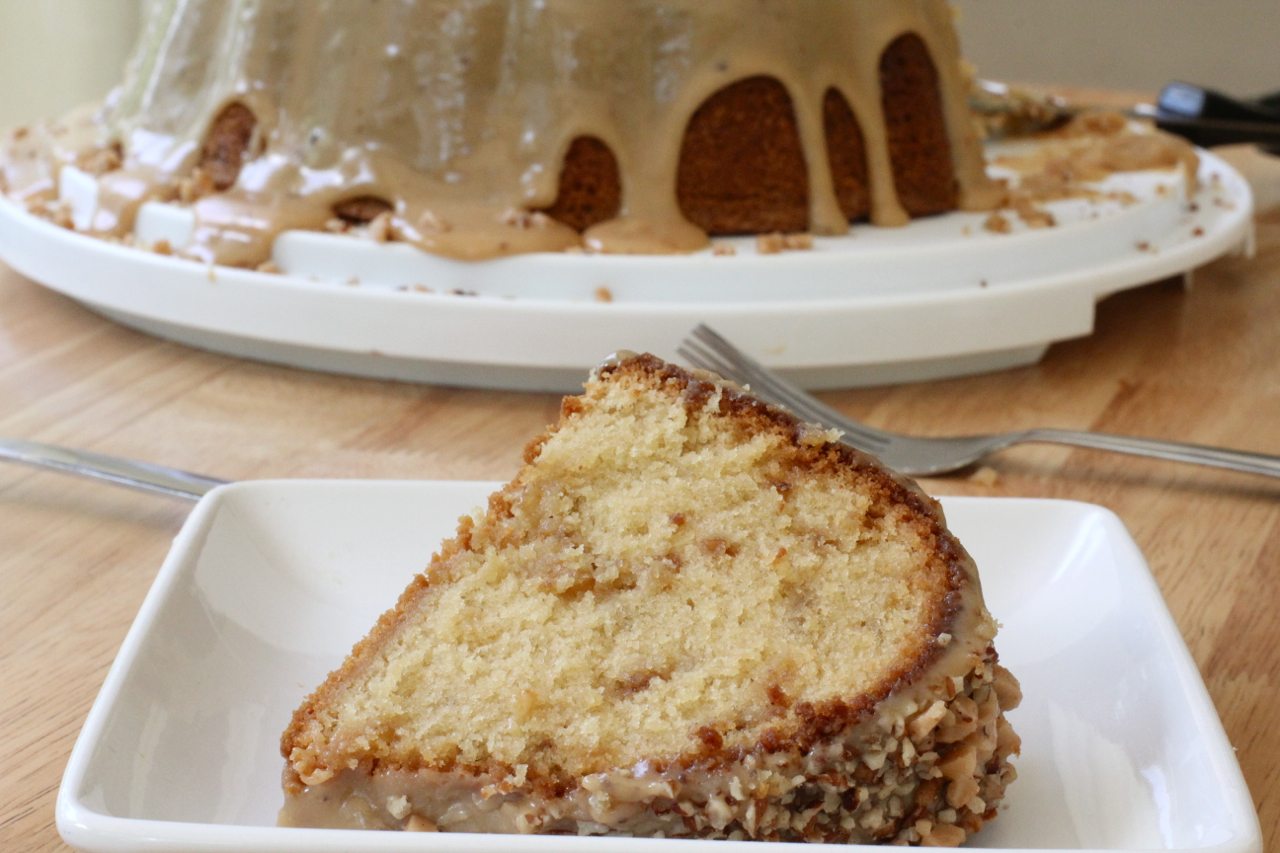
Brown sugar caramel pound cake is a versatile dessert that pairs well with a variety of dishes. Its sweet and caramelized flavor complements both sweet and savory dishes.
Pairing Options
Here is a table showcasing different pairing options with brief descriptions:
| Pairing Option | Description |
|—|—|
| Ice cream | The cold and creamy texture of ice cream balances the warm and dense texture of the pound cake. The sweetness of the ice cream complements the caramel flavor of the cake. |
| Fruit salads | The fresh and tart flavors of fruit salads provide a refreshing contrast to the sweetness of the pound cake. The acidity of the fruit helps to cut through the richness of the cake. |
| Savory main courses | The sweetness of the pound cake can help to balance the savory flavors of main courses. It can be served as a side dish or as a dessert. |
Recipe Development
The classic brown sugar caramel pound cake is a delectable dessert that combines the rich flavors of brown sugar and caramel. This recipe will guide you through the step-by-step process of creating this delectable treat, ensuring a successful outcome every time.
To achieve the perfect brown sugar caramel pound cake, it’s crucial to follow the instructions precisely and pay attention to the details. Here’s a detailed recipe with tips and troubleshooting advice to help you along the way.
Ingredients
- For the Cake:
- 2 1/4 cups all-purpose flour
- 2 teaspoons baking powder
- 1/2 teaspoon salt
- 1 cup (2 sticks) unsalted butter, softened
- 1 3/4 cups granulated sugar
- 3 large eggs
- 1 cup buttermilk
- 1 teaspoon vanilla extract
- For the Caramel Glaze:
- 1 cup packed light brown sugar
- 1/4 cup heavy cream
- 1/4 cup unsalted butter
- 1 teaspoon vanilla extract
Instructions
Preparing the Cake Batter
- Preheat oven to 325°F (165°C). Grease and flour a 10-inch bundt pan.
- In a medium bowl, whisk together the flour, baking powder, and salt.
- In a large bowl, cream together the butter and sugar until light and fluffy. Beat in the eggs one at a time, then stir in the buttermilk and vanilla extract.
- Gradually add the dry ingredients to the wet ingredients, mixing until just combined. Do not overmix.
- Pour the batter into the prepared bundt pan and bake for 60-70 minutes, or until a toothpick inserted into the center comes out clean.
- Allow the cake to cool in the pan for 10 minutes before inverting it onto a wire rack to cool completely.
Making the Caramel Glaze
- In a small saucepan, combine the brown sugar, heavy cream, butter, and vanilla extract.
- Bring to a simmer over medium heat, stirring constantly. Reduce heat to low and simmer for 5-7 minutes, or until the glaze has thickened.
- Remove from heat and let cool for 5 minutes.
Glazing the Cake
- While the cake is still warm, pour the caramel glaze over the top. Allow the glaze to drip down the sides of the cake.
- Let the cake cool completely before serving.
Tips
- For a richer flavor, use dark brown sugar in the caramel glaze.
- If the caramel glaze is too thick, add a little more heavy cream. If it’s too thin, simmer for a few minutes longer.
- To prevent the cake from sticking to the pan, make sure to grease and flour it thoroughly.
- Do not overmix the batter, as this can result in a tough cake.
- If you don’t have a bundt pan, you can bake the cake in a 9×13-inch baking pan. Adjust the baking time to 45-50 minutes.
- Cake is too dense: The batter may have been overmixed. Make sure to mix just until the ingredients are combined.
- Cake is too dry: The batter may not have had enough buttermilk. Add an extra 1/4 cup of buttermilk and mix until just combined.
- Caramel glaze is too thick: Add a little more heavy cream and stir until the desired consistency is reached.
- Caramel glaze is too thin: Simmer for a few minutes longer until the glaze has thickened.