Step into the culinary haven of Catherine’s Plates New Recipes, where a tantalizing array of dishes awaits your exploration. This comprehensive guidebook unveils the secrets behind Catherine’s delectable creations, offering a journey through flavors, techniques, and culinary artistry.
Prepare to embark on a gastronomic adventure, discovering the intricacies of each recipe, the nuances of cooking methods, and the endless possibilities for customization. Catherine’s Plates New Recipes is not merely a cookbook; it’s an invitation to elevate your culinary skills and indulge in the joy of cooking.
Recipe Index

Welcome to Catherine’s Plates New Recipes! This comprehensive recipe index provides an organized listing of all the delicious dishes featured in our cookbook.
To make it easy for you to find the perfect recipe for any occasion, we have categorized them into the following sections:
Appetizers
- Creamy Bruschetta with Roasted Tomatoes
- Caprese Skewers with Balsamic Glaze
- Mini Quiches with Spinach and Feta
Entrees
- Pan-Seared Salmon with Lemon-Herb Butter
- Creamy Pesto Chicken with Roasted Vegetables
- Beef and Broccoli Stir-Fry
Desserts
- Chocolate Lava Cake with Raspberry Coulis
- Tiramisu with Ladyfingers and Mascarpone Cream
- Apple Crumble with Cinnamon Streusel
Dish Analysis
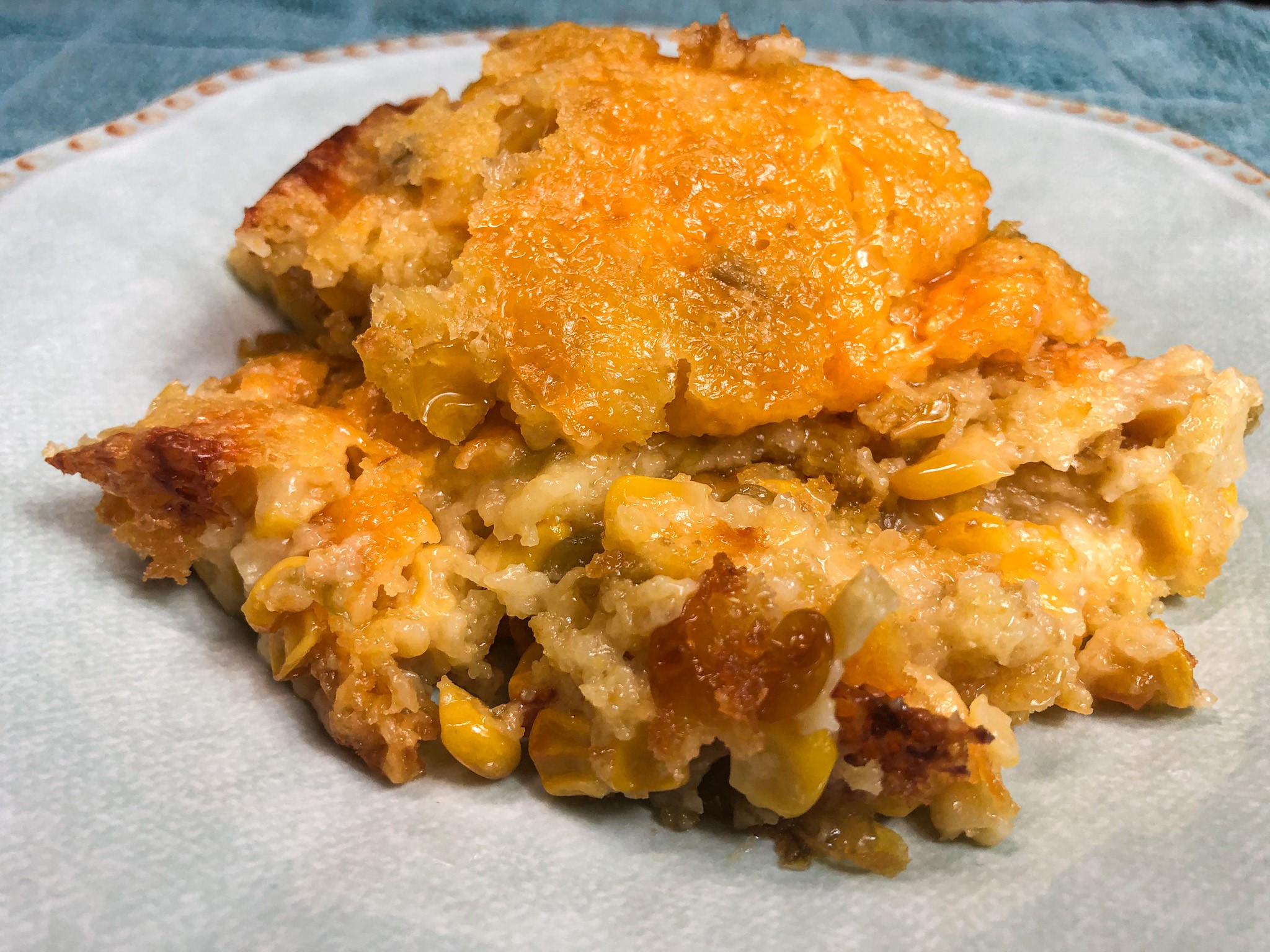
Let’s explore the intricacies of a dish from Catherine’s Plates’ recipe index. By examining its ingredients, flavors, and cooking techniques, we can appreciate the culinary artistry that brings it to life.
Ingredient Harmony
Each ingredient plays a vital role in shaping the dish’s overall character. From aromatic herbs and spices to succulent meats and fresh produce, the careful selection of ingredients ensures a symphony of flavors. Their combination creates a harmonious balance, where each element complements and enhances the others.
Flavor Profile
The dish’s flavor profile is a complex tapestry woven from a blend of sweet, savory, sour, bitter, and umami notes. The sweetness of fruits or caramelized onions may dance with the savory depth of roasted meats, while a hint of acidity from citrus or vinegar cuts through the richness. Bitter greens or dark chocolate add a touch of sophistication, while umami-rich ingredients like mushrooms or fermented sauces provide a satisfying savory backbone.
Cooking Techniques
The cooking techniques employed in the dish significantly impact its texture, aroma, and flavor. From the gentle simmer of a braised stew to the quick sear of a grilled steak, each method imparts its own unique characteristics. Slow-cooking methods tenderize meats and enhance their flavors, while high-heat cooking techniques create a delightful crust and caramelization.
Cooking Methods and Techniques

The recipes in Catherine’s Plates employ a diverse range of cooking methods and techniques, each contributing to the unique flavor and texture of the dishes. From classic culinary techniques to innovative approaches, these methods showcase the versatility and artistry of the culinary world.
By understanding the nuances of these techniques, home cooks can not only replicate the delectable dishes featured in the cookbook but also expand their culinary repertoire and enhance their cooking skills.
Grilling
Grilling involves cooking food over direct heat, typically using a grill or griddle. This method imparts a smoky, charred flavor to the exterior while preserving the juicy interior. Grilled dishes often feature prominent grill marks, adding a visual appeal to the presentation.
- Example: Grilled Salmon with Lemon-Herb Marinade
Roasting
Roasting involves cooking food in an oven at high temperatures. This method allows for even cooking and caramelization of the exterior, resulting in tender and flavorful dishes. Roasted foods often develop a crispy crust while retaining their moisture.
- Example: Roasted Chicken with Thyme and Garlic
Braising
Braising combines browning and simmering in a liquid. This method is ideal for tougher cuts of meat, as the extended cooking time in a flavorful liquid tenderizes the meat while infusing it with rich flavors. Braised dishes are often served with the flavorful cooking liquid.
- Example: Beef Bourguignon
Sautéing
Sautéing involves cooking food in a pan with a small amount of fat over medium heat. This method is commonly used for vegetables, meats, and seafood. Sautéed dishes are characterized by their browned exterior and tender-crisp texture.
- Example: Sautéed Spinach with Garlic and Lemon
Stewing
Stewing is a slow-cooking method that involves simmering food in a flavorful liquid. This method is particularly suitable for dishes that require a long cooking time to develop complex flavors. Stews are often hearty and comforting, with tender meat and vegetables.
- Example: Beef and Vegetable Stew
Recipe Adaptations

Catherine’s Plates embraces culinary creativity and encourages home cooks to customize recipes to suit their preferences and skills. With a few simple substitutions and modifications, you can transform dishes into culinary masterpieces that reflect your unique dietary needs and culinary style.
Explore endless possibilities by adapting ingredients, adjusting cooking techniques, and experimenting with flavors. Unleash your inner chef and create dishes that are both delicious and tailored to your lifestyle.
Dietary Adaptations
Whether you have specific dietary restrictions or simply prefer certain flavors, Catherine’s Plates offers a range of options to accommodate your needs:
- Gluten-free: Substitute all-purpose flour with gluten-free alternatives such as almond flour, coconut flour, or a gluten-free flour blend.
- Dairy-free: Use plant-based milk (almond milk, oat milk, soy milk) in place of dairy milk, and opt for vegan butter or coconut oil instead of butter.
- Vegan: Replace animal-based ingredients with plant-based alternatives. For example, use tofu or tempeh instead of meat, and use plant-based milk instead of dairy milk.
- Low-carb: Reduce the amount of carbohydrates in the recipe by using low-carb substitutes, such as cauliflower rice instead of regular rice, or zucchini noodles instead of pasta.
Culinary Skill Adaptations
Whether you’re a seasoned chef or a novice in the kitchen, Catherine’s Plates provides recipes that can be adapted to your skill level:
- Beginner-friendly: Choose recipes with straightforward instructions and minimal ingredients. Use simple cooking techniques such as sautéing or baking.
- Intermediate: Experiment with recipes that involve more complex techniques, such as braising or roasting. Try recipes with a wider range of ingredients and flavors.
- Advanced: Challenge yourself with recipes that require specialized equipment or techniques. Create multi-course meals or experiment with advanced flavor combinations.
Outcome Summary

As we bid farewell to this culinary exploration, let the newfound knowledge and inspiration ignite your passion for cooking. Catherine’s Plates New Recipes has equipped you with the tools and techniques to transform your kitchen into a culinary playground. Embrace the art of cooking, experiment with flavors, and create dishes that will tantalize your taste buds and leave a lasting impression on your dining companions.
FAQ Insights
What makes Catherine’s Plates New Recipes unique?
Catherine’s Plates New Recipes stands out with its comprehensive approach, covering recipe analysis, cooking techniques, and creative adaptations. It’s a culinary guide that empowers home cooks to elevate their skills and create exceptional dishes.
Are the recipes suitable for all skill levels?
Yes, Catherine’s Plates New Recipes caters to cooks of all levels. The guide provides clear instructions, helpful tips, and suggestions for adaptations, making it accessible to both novice and experienced home chefs.