Cayenne pepper sauce recipe – Prepare to tantalize your taste buds with our comprehensive guide to creating the perfect cayenne pepper sauce. From essential ingredients to culinary applications, we’ll delve into the world of this fiery condiment, ensuring your culinary creations sizzle with flavor and spice.
Our cayenne pepper sauce recipe is a symphony of flavors, combining the vibrant heat of cayenne peppers with a harmonious blend of spices and aromatics. Whether you’re a seasoned chef or a home cook seeking adventure, this guide will empower you to craft a sauce that will elevate your dishes to new heights.
Ingredients: Cayenne Pepper Sauce Recipe
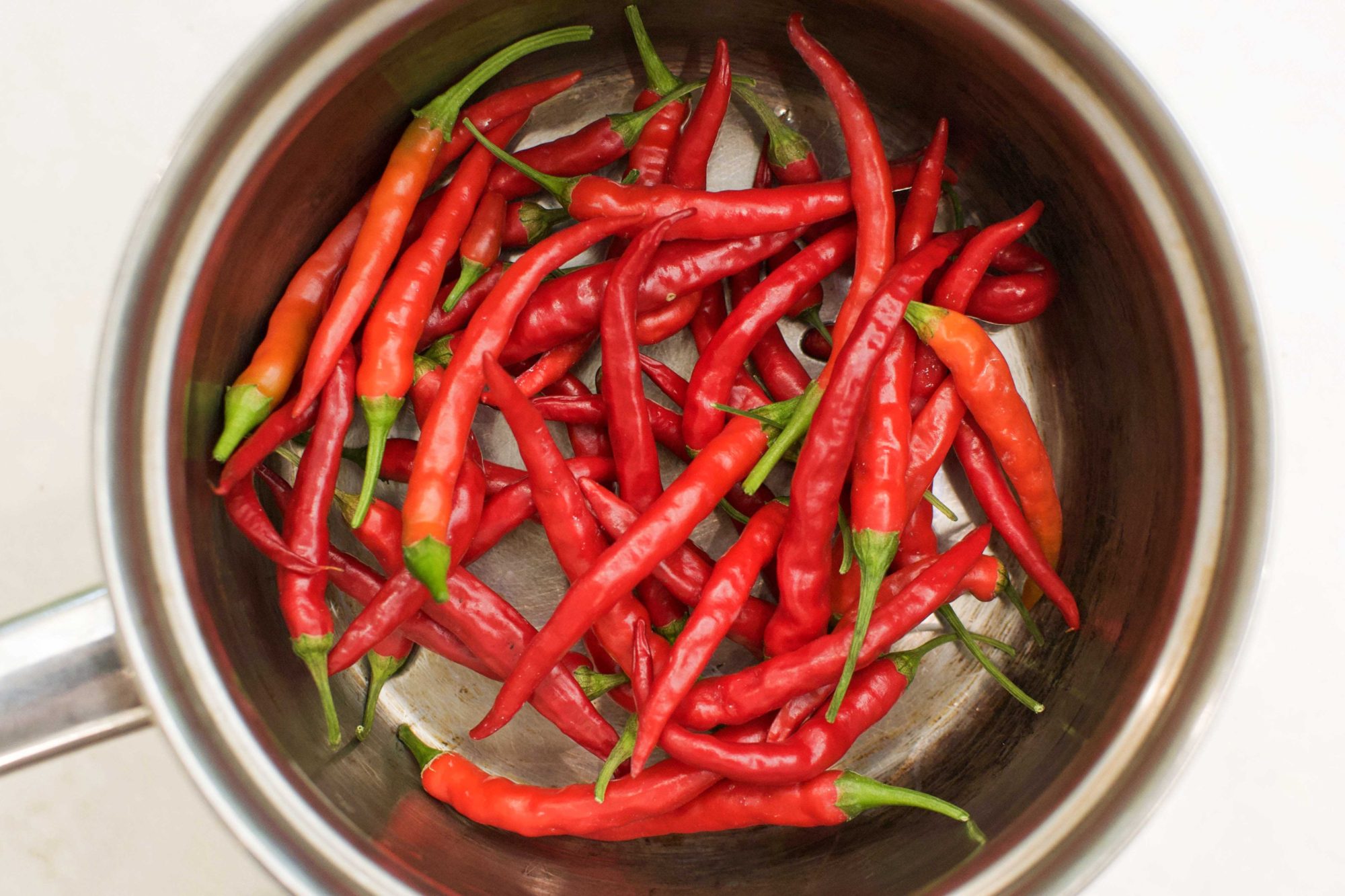
A classic cayenne pepper sauce recipe relies on a few essential ingredients to create its fiery flavor:
Cayenne peppers:These peppers provide the sauce’s signature heat. Use fresh or dried cayenne peppers, depending on your preference and availability. If using dried peppers, rehydrate them in hot water before using.
Vinegar
Vinegar is the liquid base of the sauce and adds acidity. White vinegar is a common choice, but you can also use apple cider vinegar or rice vinegar for a slightly different flavor profile.
Other ingredients
In addition to cayenne peppers and vinegar, other ingredients commonly used in cayenne pepper sauce include:
- Garlic:Adds a savory and pungent flavor.
- Onion:Provides sweetness and depth of flavor.
- Salt:Enhances the overall flavor and balances the heat.
- Sugar:Adds a touch of sweetness to counteract the spiciness.
Variations and substitutions
You can customize your cayenne pepper sauce by adjusting the proportions of the ingredients or experimenting with different variations. For example:
- Heat level:Adjust the amount of cayenne peppers to control the heat level. For a milder sauce, use fewer peppers. For a spicier sauce, add more peppers or include hotter varieties like habaneros.
- Flavor profile:Experiment with different types of vinegar or add other ingredients like herbs, spices, or fruit to create unique flavor combinations.
- Texture:If you prefer a smoother sauce, blend it until it reaches your desired consistency.
Preparation
Preparing cayenne pepper sauce is a straightforward process that requires careful handling of the peppers and attention to detail. The following steps provide a comprehensive guide to making this flavorful condiment.
Before starting, it is crucial to wear gloves to protect your hands from the capsaicin in the peppers. Begin by removing the stems and seeds from the cayenne peppers. This step reduces the heat level of the sauce, allowing you to adjust the spiciness later if desired.
Chopping
Next, finely chop the peppers and onion. The size of the pieces will affect the texture of the sauce, with smaller pieces resulting in a smoother consistency. Use a sharp knife to ensure clean cuts and prevent tearing the peppers.
Blending
Transfer the chopped peppers and onion to a blender or food processor. Add vinegar, salt, and any additional spices or herbs you desire. Blend until the mixture reaches your preferred consistency. For a smoother sauce, blend for a longer duration.
Simmering
Pour the blended mixture into a saucepan and bring it to a simmer over medium heat. Stir occasionally to prevent burning. Simmer for 10-15 minutes, or until the sauce has thickened slightly and the flavors have blended.
Cooling and Storage
Remove the sauce from the heat and allow it to cool slightly before transferring it to a clean glass jar or bottle. Seal the container tightly and store it in the refrigerator for up to 2 weeks. The sauce can also be frozen for longer storage.
Cayenne Pepper Varieties

Cayenne peppers come in various types, each offering a unique heat level and flavor profile. Understanding these varieties helps you choose the right pepper for your culinary creations.
The heat of cayenne peppers is measured in Scoville Heat Units (SHU), with higher SHU indicating greater heat. The flavor profile ranges from mild and sweet to fiery and smoky, depending on the variety.
Cayenne Pepper Varieties
- Anaheim Pepper:Anaheim peppers are mild cayenne peppers with a SHU of 500-2,500. They have a slightly sweet flavor with a hint of smokiness.
- Fresno Pepper:Fresno peppers are moderately hot cayenne peppers with a SHU of 2,500-10,000. They have a fruity, slightly acidic flavor.
- Serrano Pepper:Serrano peppers are hot cayenne peppers with a SHU of 10,000-23,000. They have a spicy, tangy flavor with a hint of citrus.
- Habanero Pepper:Habanero peppers are extremely hot cayenne peppers with a SHU of 100,000-350,000. They have a fruity, floral flavor with a lingering heat.
Heat Intensity
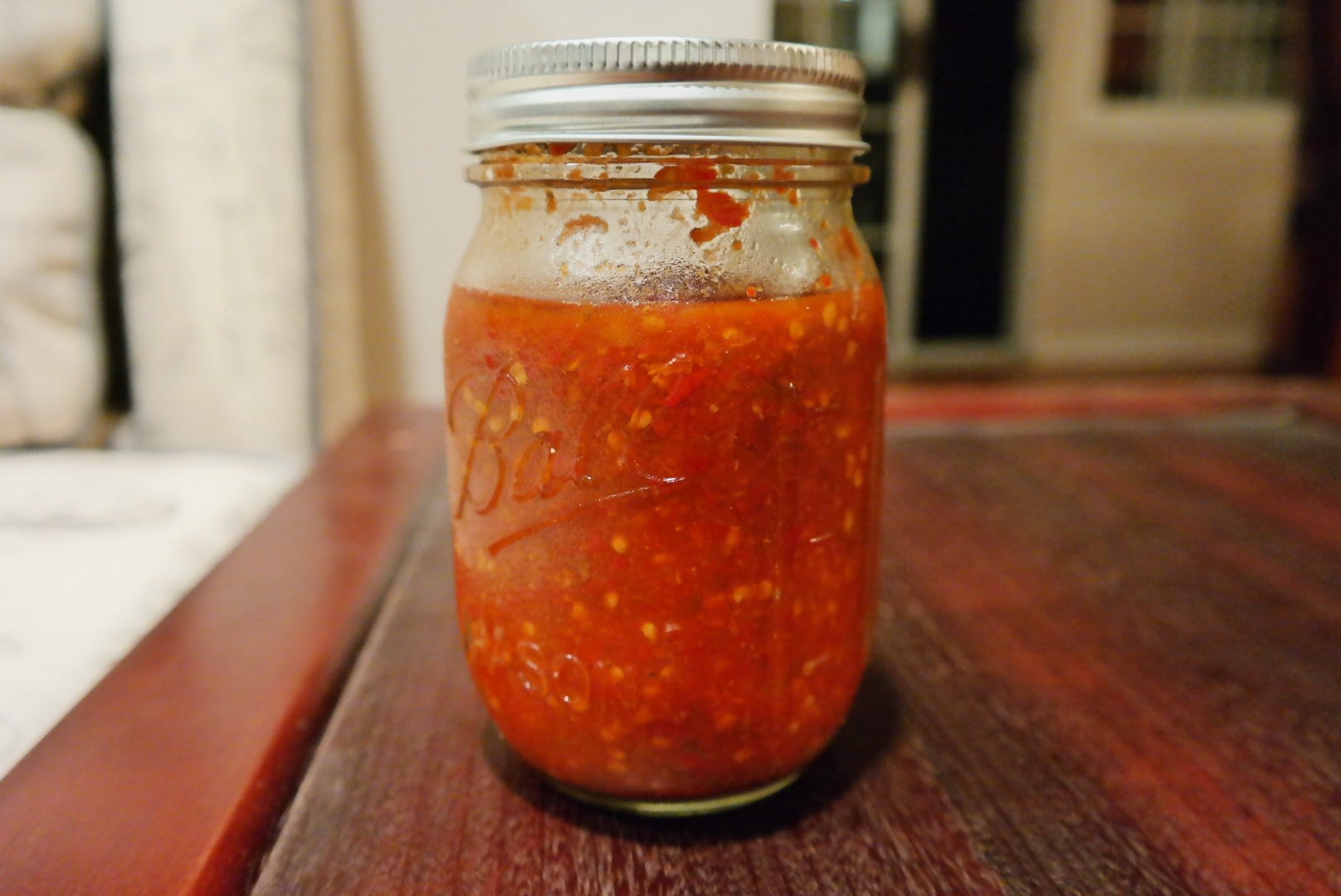
Adjusting the heat intensity of cayenne pepper sauce is a matter of balancing the amount of peppers used, the concentration of vinegar, and the simmering time.
For a milder sauce, use fewer peppers or remove the seeds and ribs, which contain the most capsaicin, the compound that gives peppers their heat. You can also use a higher concentration of vinegar, which will help to mellow out the heat.
Simmering the sauce for a longer period will also reduce the heat, as the capsaicin will break down over time.
Pepper Quantity
The amount of peppers used will have a direct impact on the heat intensity of the sauce. More peppers will result in a hotter sauce. You can adjust the amount of peppers to your desired heat level.
Vinegar Concentration
The concentration of vinegar will also affect the heat intensity of the sauce. A higher concentration of vinegar will help to mellow out the heat. You can adjust the vinegar concentration to your desired heat level.
Simmering Time
Simmering the sauce for a longer period will also reduce the heat, as the capsaicin will break down over time. You can simmer the sauce for a shorter period for a hotter sauce, or for a longer period for a milder sauce.
Flavor Enhancements

Cayenne pepper sauce can be enhanced with a variety of ingredients to create unique and flavorful sauces. Garlic and onions are popular additions, providing depth and pungency. Herbs such as oregano, basil, and thyme add aromatic complexity, while spices like cumin, coriander, and paprika bring warmth and smokiness.
This cayenne pepper sauce recipe is the perfect addition to any meal, whether you’re looking for a little spice or a lot of flavor. If you’re looking for a delicious and easy vegan treat, be sure to check out this vegan pop tart recipe . Then come back here and whip up a batch of this cayenne pepper sauce to drizzle over your favorite dishes.
When adding these ingredients, it’s important to consider their proportions and how they will interact with the cayenne pepper. Garlic and onions should be sautéed or roasted before adding to the sauce to mellow their flavors. Herbs can be added fresh or dried, depending on the desired intensity.
Spices should be used sparingly, as they can easily overpower the cayenne pepper.
Acidic Ingredients
- Vinegar: Vinegar adds a tangy and acidic flavor to cayenne pepper sauce. It also helps to preserve the sauce and extend its shelf life.
- Lemon juice: Lemon juice adds a bright and citrusy flavor to cayenne pepper sauce. It can also help to balance the heat of the cayenne pepper.
- Lime juice: Lime juice adds a similar flavor to lemon juice, but with a slightly more tart and acidic taste.
Sweeteners
- Sugar: Sugar adds sweetness to cayenne pepper sauce, balancing out the heat and acidity. It can also help to thicken the sauce.
- Honey: Honey adds a sweet and floral flavor to cayenne pepper sauce. It is a natural sweetener that is also less processed than sugar.
li>Agave nectar: Agave nectar is a natural sweetener that has a low glycemic index, making it a healthier option than sugar.
Storage and Shelf Life
Cayenne pepper sauce can be stored in a cool, dark place for up to 6 months. Refrigeration is recommended for longer storage, extending its shelf life to up to 1 year.
Factors affecting shelf life include:
- Acidity:Higher acidity levels enhance preservation.
- Salt content:Salt acts as a preservative.
- Storage temperature:Cool temperatures slow down spoilage.
- Exposure to light:Light can degrade the sauce’s color and flavor.
To maximize shelf life, store the sauce in an airtight container to prevent contamination and oxidation.
Culinary Applications
Cayenne pepper sauce adds a spicy kick to a wide array of dishes. Its versatility makes it a staple in various cuisines worldwide.
Flavorful Enhancements
- Marinades and Rubs:Cayenne pepper sauce enhances the flavors of meats, poultry, and seafood when used as a marinade or rub.
- Sauces and Dips:It adds a fiery touch to sauces, dips, and condiments, such as mayonnaise, ketchup, and barbecue sauce.
- Stir-fries and Curries:A dash of cayenne pepper sauce elevates the heat level and adds complexity to stir-fries, curries, and other Asian-inspired dishes.
- Soups and Stews:It infuses warmth and spice into soups, stews, and chili, creating a comforting and satisfying meal.
- Pizza and Pasta:Cayenne pepper sauce adds a spicy kick to pizzas and pasta dishes, complementing the rich flavors of cheese, tomatoes, and herbs.
Nutritional Value
Cayenne pepper sauce is not only a flavorful condiment but also a source of essential nutrients. It is a rich source of vitamins, minerals, and antioxidants.
Vitamin and Mineral Content
Cayenne pepper sauce is a good source of vitamins A, C, and E. Vitamin A is important for vision, skin health, and immune function. Vitamin C is a powerful antioxidant that helps protect cells from damage. Vitamin E is another antioxidant that helps protect cells from damage and is important for brain health.Cayenne
pepper sauce also contains several minerals, including potassium, magnesium, and iron. Potassium is important for regulating blood pressure and heart function. Magnesium is important for muscle function and energy production. Iron is important for red blood cell production.
Antioxidant Content
Cayenne pepper sauce is a rich source of antioxidants. Antioxidants help protect cells from damage caused by free radicals. Free radicals are unstable molecules that can damage cells and lead to chronic diseases such as cancer and heart disease. The antioxidants in cayenne pepper sauce help neutralize free radicals and protect cells from damage.
Health Benefits
Cayenne pepper sauce is not just a culinary delight; it also boasts potential health benefits.
Its active compound, capsaicin, has been linked to various therapeutic effects, including:
Digestion, Cayenne pepper sauce recipe
- Stimulates gastric juices, aiding digestion.
- Enhances absorption of nutrients.
- Relieves gas and bloating.
Metabolism
- Increases body temperature, boosting metabolism.
- May help burn excess calories.
Pain Relief
- Blocks pain signals to the brain.
- Reduces inflammation, alleviating pain.
- May be effective for headaches, muscle aches, and joint pain.
Ultimate Conclusion
With its versatility and health benefits, cayenne pepper sauce is a culinary treasure waiting to be explored. Experiment with different ingredients, heat levels, and flavor enhancements to create a sauce that reflects your unique palate. Whether you’re drizzling it over tacos, spicing up your stir-fries, or marinating meats, this fiery condiment will add a vibrant touch to every meal.
So, gather your ingredients, ignite your culinary passion, and embark on a journey of taste and heat with our cayenne pepper sauce recipe. Your taste buds will thank you for it!