Chili recipe with dry beans – Embark on a culinary adventure with our chili recipe using dry beans, a delectable dish that tantalizes taste buds with its rich flavors and hearty texture. This versatile dish, bursting with savory ingredients and aromatic spices, is a culinary masterpiece that will leave you craving for more.
From selecting the perfect beans to mastering the art of seasoning, we’ll guide you through each step of crafting this beloved comfort food. Whether you’re a seasoned chili enthusiast or a novice cook, this comprehensive guide will empower you to create an unforgettable chili experience.
Overview of Chili Recipe with Dry Beans
Chili recipes using dry beans are characterized by their hearty texture and rich, flavorful broth. These dishes typically feature a combination of dry beans, such as kidney beans, pinto beans, or black beans, along with a variety of vegetables, spices, and meat.
The proportions of ingredients can vary depending on the recipe, but common ratios include:
- 1 pound of dry beans
- 2-3 cups of water or broth
- 1-2 onions, chopped
- 1-2 bell peppers, chopped
- 1 pound of ground beef or turkey
- 1 (15-ounce) can of tomato sauce
- 1 (15-ounce) can of tomato paste
- 1 tablespoon of chili powder
- 1 teaspoon of cumin
- 1 teaspoon of oregano
- Salt and pepper to taste
li>1-2 jalapenos, seeded and chopped (optional)
Chili with dry beans can be cooked in a variety of ways, including on the stovetop, in a slow cooker, or in an oven. The cooking method can impact the flavor of the chili, with stovetop cooking resulting in a more intense flavor and slow cooker cooking producing a more tender and flavorful dish.
Variations in Chili with Dry Beans
There are many variations on chili with dry beans, depending on the region and personal preferences. Some common variations include:
- White chili:Made with white beans instead of red beans, and often includes chicken or turkey instead of beef.
- Vegetarian chili:Made without meat, and often includes a variety of vegetables, such as corn, zucchini, and squash.
- Green chili:Made with green chiles instead of red chiles, and often includes pork or chicken instead of beef.
- Cincinnati chili:A unique regional variation that is made with a blend of spices, including cinnamon and allspice, and is served over spaghetti.
Ingredients and Preparation
A hearty and flavorful chili recipe with dry beans requires a well-balanced combination of ingredients to achieve its distinct taste and texture. Let’s delve into the essential components and their roles in creating this classic dish.
The foundation of a great chili lies in the selection of dry beans. Typically, pinto beans, kidney beans, or a blend of both are used. These beans provide a robust texture and a rich, earthy flavor. Soaking the beans overnight or for at least 8 hours allows them to rehydrate and cook evenly, resulting in a tender and flavorful texture.
Vegetables
- Onion: Sautéed onions add sweetness and depth of flavor to the chili. They caramelize during the cooking process, contributing a hint of smokiness.
- Bell peppers: Green or red bell peppers provide a crisp texture and a subtle sweetness that complements the spicy and savory elements of the chili.
- Garlic: Minced garlic adds a pungent and aromatic flavor that enhances the overall taste profile of the chili.
- Jalapeño peppers: For those who enjoy a bit of heat, jalapeño peppers bring a spicy kick to the chili. The amount can be adjusted to suit individual preferences.
Meat
- Ground beef: Lean ground beef is a popular choice for chili, adding a savory and satisfying texture. It’s typically browned before being added to the pot, releasing its juices and enhancing the flavor of the dish.
Seasonings and Spices
- Chili powder: This essential spice blend forms the backbone of the chili’s flavor profile. It typically includes a combination of paprika, cumin, garlic powder, and other spices.
- Cumin: Cumin adds a warm and earthy flavor to the chili, complementing the other spices and enhancing its overall depth.
- Oregano: Oregano brings a herbaceous and slightly sweet note to the chili, adding complexity to its flavor.
- Salt and black pepper: These basic seasonings are essential for balancing the flavors and enhancing the overall taste of the chili.
Seasonings and Spices

Seasonings and spices are essential in enhancing the flavor of chili. They add depth, complexity, and warmth to the dish, transforming it from a simple stew to a flavorful culinary delight.
Commonly used seasonings and spices for chili recipes include:
Common Seasonings and Spices
- Chili powder: Provides a smoky, earthy flavor.
- Cumin: Adds a warm, nutty flavor.
- Oregano: Imparts a subtle herbaceousness.
- Paprika: Enhances the color and adds a mild sweetness.
- Garlic powder: Provides a savory, umami flavor.
- Onion powder: Adds a sweet, caramelized flavor.
- Bay leaves: Infuse a subtle, aromatic flavor.
Different combinations of seasonings and spices can create unique flavor profiles. For example, a blend of chili powder, cumin, and oregano creates a classic Mexican-inspired chili. Adding smoked paprika and cayenne pepper can introduce a smoky heat. Experimenting with different combinations allows you to customize your chili to your personal taste preferences.
Cooking Methods
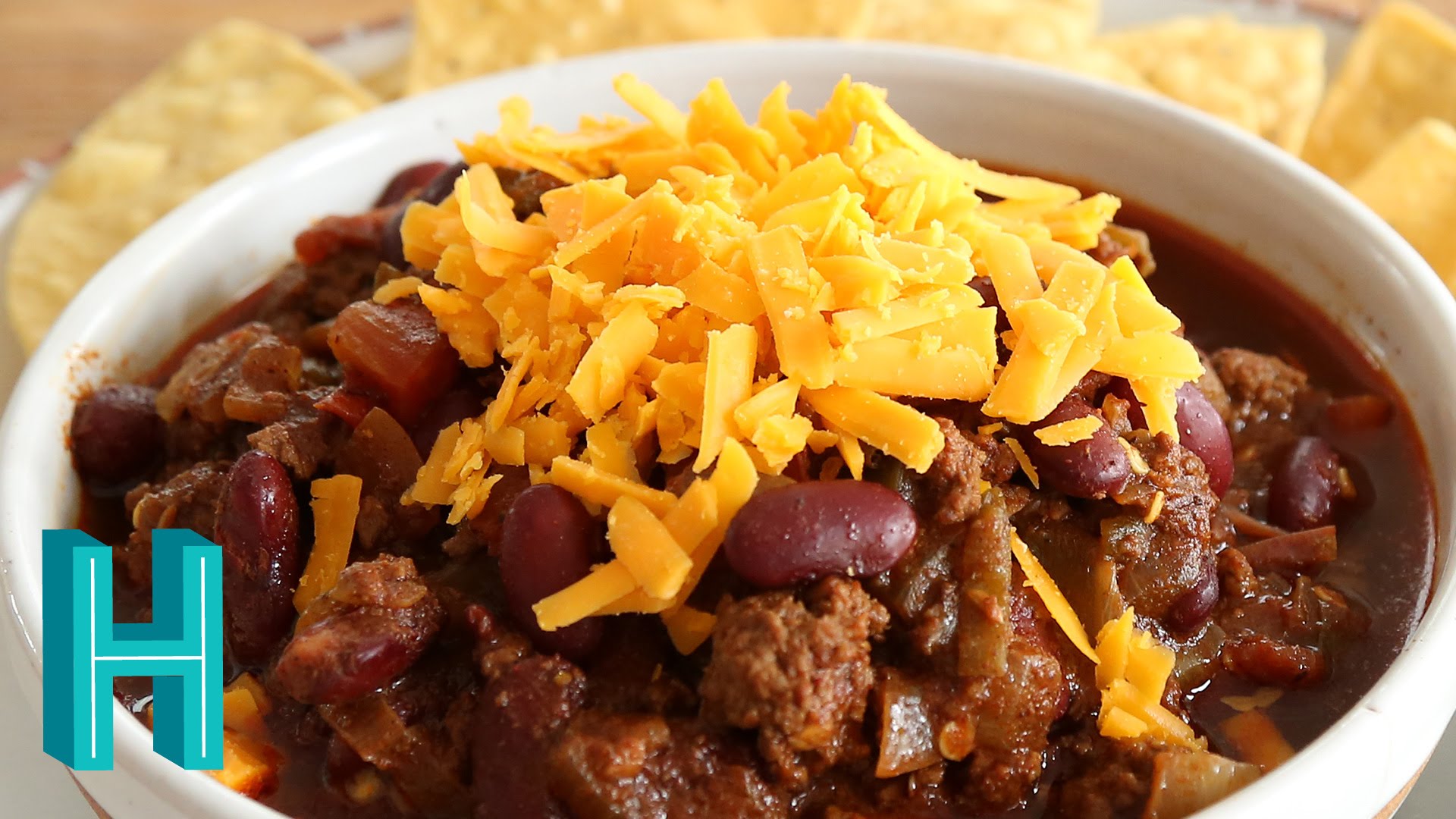
The preparation of chili offers diverse culinary approaches, each yielding distinct flavors and textures. Three prevalent cooking methods are stovetop, slow cooker, and oven, each presenting unique advantages and considerations.
Stovetop
- Advantages:
- Precise temperature control allows for quick adjustments.
- Immediate cooking ensures a shorter preparation time.
- Disadvantages:
- Requires constant monitoring to prevent scorching.
- May not distribute heat evenly, resulting in inconsistent cooking.
Slow Cooker
- Advantages:
- Hands-off cooking allows for extended simmering, developing rich flavors.
- Distributes heat evenly, ensuring consistent cooking throughout.
- Disadvantages:
- Longer cooking times compared to stovetop methods.
- Less precise temperature control can result in overcooking.
Oven
- Advantages:
- Indirect heat prevents scorching and promotes even cooking.
- Large capacity accommodates large batches of chili.
- Disadvantages:
- Longer cooking times compared to stovetop methods.
- Temperature regulation can be challenging, requiring close monitoring.
Bean Options and Substitutions
When selecting dry beans for your chili, there are several varieties to choose from, each offering unique flavors and textures.
Bean Varieties
* Black beans:With their earthy flavor and firm texture, black beans are a popular choice for chili.
Kidney beans
These dark red beans have a slightly sweet flavor and a firm texture that holds its shape well in chili.
Pinto beans
These light brown beans have a mild flavor and a creamy texture, making them a versatile option.
Great Northern beans
These white beans have a mild, nutty flavor and a tender texture.
Try this fiery chili recipe with dry beans, and don’t forget the secret ingredient: slap ya mama seasoning . This blend of spices will add a kick to your chili that will make your taste buds dance. The perfect way to warm up on a cold day, this chili is sure to become a family favorite.
Navy beans
These small, white beans have a slightly sweet flavor and a creamy texture, making them a good choice for a milder chili.
Substitutions
If you don’t have a specific type of bean on hand, here are some substitutions you can make:* Substitute black beans:Kidney beans, pinto beans, or black-eyed peas.
Substitute kidney beans
Black beans, pinto beans, or great Northern beans.
Substitute pinto beans
Kidney beans, black beans, or great Northern beans.
Substitute great Northern beans
Navy beans or white beans.
Substitute navy beans
Great Northern beans or white beans.
Variations and Additions

Classic chili recipes offer a versatile canvas for experimentation, allowing you to tailor the flavors to your preferences. Explore popular variations and add-ins to elevate your chili experience.
Whether you prefer a meatless feast or a regional twist, there’s a chili variation to satisfy every palate. Incorporating additional ingredients, such as corn and bell peppers, adds depth and complexity while maintaining the harmonious balance of flavors.
Vegetarian and Vegan Variations
For plant-based enthusiasts, vegetarian and vegan chili variations offer a hearty and flavorful alternative. Substitute ground beef with a combination of beans, lentils, or crumbled tofu. Experiment with different types of beans, such as black beans, kidney beans, or chickpeas, to create a diverse texture and nutritional profile.
Regional Variations
Chili recipes vary regionally, showcasing the diverse culinary traditions across the globe. Texas chili, known for its bold and spicy flavor, often incorporates beef, chili powder, and cumin. Cincinnati chili, on the other hand, is unique for its Greek-inspired blend of spices, including cinnamon and allspice.
Explore regional variations to expand your chili horizons.
Common Additions
Enhance the flavor and texture of your chili by incorporating common additions such as corn, bell peppers, and cheese. Corn adds a sweet and crunchy contrast, while bell peppers contribute a vibrant color and subtle sweetness. Shredded cheese, such as cheddar or Monterey Jack, adds a creamy and savory touch, balancing the heat and spice of the chili.
Accompaniments and Pairings
When it comes to enjoying chili, the right accompaniments and beverage pairings can elevate the experience to a whole new level. Whether you prefer a classic cornbread, a fluffy bed of rice, or crispy tortilla chips, these sides will complement the hearty flavors of your chili perfectly.
For a truly satisfying meal, consider pairing your chili with a cold beer or a refreshing glass of iced tea. The bitterness of the beer will balance out the spiciness of the chili, while the sweetness of the iced tea will provide a refreshing contrast.
If you’re feeling adventurous, try a glass of red wine to enhance the rich flavors of the dish.
Creating a Balanced Meal
To create a well-rounded meal with chili as the centerpiece, consider incorporating a variety of textures and flavors. Start with a crisp and refreshing salad to provide a light and healthy contrast to the richness of the chili. For a satisfying crunch, add a side of crusty bread or crackers.
And to complete the meal, don’t forget a dollop of sour cream or a sprinkle of shredded cheese to add a touch of tangy creaminess.
Nutritional Considerations
Chili with dry beans is a nutrient-rich dish that offers a plethora of health benefits. Let’s delve into its nutritional profile and explore how it can be tailored to meet specific dietary needs.
The high protein content of dry beans, combined with the fiber from both the beans and vegetables, makes chili a satisfying and satiating meal. Additionally, dry beans are an excellent source of vitamins and minerals, including iron, magnesium, potassium, and folate.
Protein
- Dry beans are an excellent source of plant-based protein, providing approximately 15 grams per cup.
- This makes chili a great option for vegetarians and vegans who need to ensure adequate protein intake.
Fiber
- Chili is rich in both soluble and insoluble fiber, which supports digestive health and promotes a feeling of fullness.
- The soluble fiber in beans helps lower cholesterol levels, while the insoluble fiber aids in regulating blood sugar levels.
Modifying the Recipe for Dietary Needs
To cater to specific dietary needs, consider the following modifications:
- Gluten-free:Use gluten-free beans, such as black beans or kidney beans, and ensure all other ingredients are gluten-free.
- Low-sodium:Reduce the amount of salt added or use low-sodium beans and broth.
- Vegan:Substitute vegetable broth for beef or chicken broth, and use plant-based cheese or sour cream for toppings.
Presentation and Serving Suggestions: Chili Recipe With Dry Beans

The presentation of chili can greatly enhance its appeal and make it more inviting to guests. When serving chili, consider the following tips to create a visually stunning dish:
Garnishing and Arrangement
Garnishing chili with fresh ingredients adds color, texture, and flavor. Some popular garnishes include:
- Chopped fresh cilantro or parsley
- Diced white or red onions
- Sliced jalapeños or serrano peppers
- Shredded cheddar cheese
- Sour cream
Arrange the garnishes on top of the chili in a visually appealing way, creating contrast and adding depth to the dish.
Serving Styles, Chili recipe with dry beans
Chili can be served in individual bowls or a large communal pot. Individual bowls allow guests to customize their portions and toppings, while a communal pot fosters a sense of sharing and conviviality.
If serving in a communal pot, consider placing it on a trivet or stand to elevate it and make it more accessible to guests.
Closing Notes
As you savor the last spoonful of your homemade chili, take pride in the culinary journey you’ve undertaken. With its versatility and endless possibilities for customization, this chili recipe will become a staple in your kitchen, warming hearts and satisfying cravings for years to come.