Embark on a culinary journey with our tantalizing chili with dried beans recipe, a delectable fusion of flavors and textures that will ignite your taste buds and warm your soul. From the initial preparation of the beans to the final simmering of the chili, this recipe guides you through each step with clarity and precision, ensuring a culinary triumph.
With its hearty blend of aromatic spices, tender beans, and optional ingredients that cater to your preferences, this chili is a versatile dish that adapts to your culinary desires. Whether you prefer a classic vegetarian version or one brimming with savory meat, this recipe empowers you to create a chili that is uniquely yours.
Ingredients and their Proportions
The chili with dried beans recipe requires a variety of ingredients to create a flavorful and hearty dish. Here’s a detailed list of what you’ll need, including the exact quantities and types:
Dried Beans
- 1 pound (450 grams) dried beans, such as pinto beans, kidney beans, or black beans
Other Ingredients
- 2 tablespoons olive oil
- 1 large onion, chopped
- 2 green bell peppers, chopped
- 2 red bell peppers, chopped
- 4 cloves garlic, minced
- 1 pound (450 grams) ground beef or turkey
- 1 (28-ounce) can diced tomatoes
- 1 (15-ounce) can tomato sauce
- 1 (15-ounce) can tomato paste
- 1 tablespoon chili powder
- 1 teaspoon ground cumin
- 1 teaspoon dried oregano
- 1 teaspoon salt
- 1/2 teaspoon black pepper
- 1 cup beef broth or water
Preparation of Dried Beans
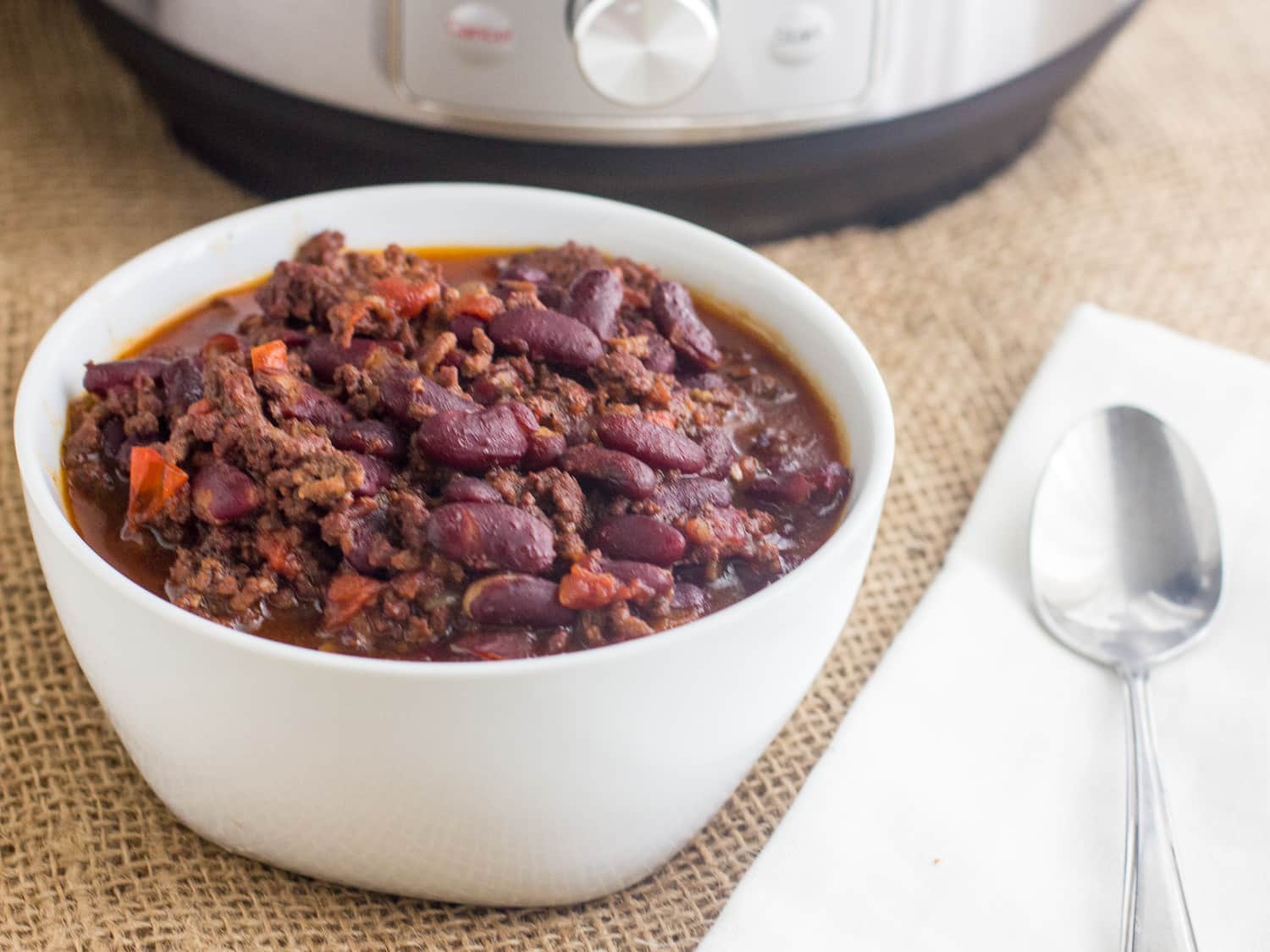
To prepare dried beans for your chili, it’s crucial to follow these steps to ensure they cook evenly and have a tender texture.
Soaking
Start by sorting and rinsing the beans to remove any debris or damaged ones. Then, soak them in a large bowl or pot filled with cold water for 8-12 hours, or overnight. This process helps rehydrate the beans, reducing their cooking time and making them more digestible.
Rinsing, Chili with dried beans recipe
After soaking, drain and rinse the beans thoroughly with cold water. This step removes any excess starch and helps prevent gas formation during cooking.
Cooking
Transfer the rinsed beans to a large pot or Dutch oven and cover them with fresh water. Bring to a boil, then reduce heat to low and simmer for 1-2 hours, or until the beans are tender but still hold their shape.
Add salt or other seasonings to taste during the last 30 minutes of cooking.
Seasoning and Spice Blends

The right blend of seasonings and spices is crucial to create a flavorful and aromatic chili. These ingredients add depth, complexity, and a touch of heat to the dish.
If you’re looking for a delicious and hearty meal, try our chili with dried beans recipe. It’s perfect for a cold winter day. And if you’re looking for a fun and easy way to make your own whipped soap, check out this whipped soap base recipe . It’s a great way to pamper yourself and create unique gifts for friends and family.
But don’t forget to come back to our chili with dried beans recipe for a satisfying meal that will warm you up from the inside out.
Common seasonings used in chili include salt, pepper, garlic powder, onion powder, cumin, and chili powder. Herbs such as oregano, thyme, and bay leaves are also popular additions.
Spice Blends
Pre-mixed spice blends can simplify the seasoning process. Look for blends specifically designed for chili, which typically include a combination of chili powder, cumin, oregano, and other spices.
Additional Ingredients
Beyond the core ingredients, numerous optional additions can elevate the flavor and texture of your chili. These ingredients include vegetables, meat, and dairy products, each offering unique enhancements to the dish.
Vegetables, such as bell peppers, onions, and corn, add sweetness, crunch, and vibrant colors to the chili. Meat, like ground beef, chicken, or sausage, provides richness, depth of flavor, and a satisfying protein component. Dairy products, such as sour cream, cheese, or yogurt, contribute creaminess, tanginess, and a cooling contrast to the heat of the chili.
Vegetables
- Bell peppers:Add sweetness and a vibrant crunch.
- Onions:Provide depth of flavor and a savory base.
- Corn:Offers a sweet and juicy contrast to the spicy chili.
- Tomatoes:Add acidity, sweetness, and a rich red color.
Meat
- Ground beef:Provides a classic, hearty flavor and a rich, meaty texture.
- Chicken:Offers a leaner, milder flavor, perfect for those who prefer a lighter chili.
- Sausage:Adds a smoky, spicy kick to the chili.
Dairy Products
- Sour cream:Contributes a cooling, creamy contrast to the heat of the chili.
- Cheese:Adds a rich, savory flavor and a gooey, melted texture.
- Yogurt:Offers a tangy, creamy alternative to sour cream.
Cooking Methods
When preparing chili with dried beans, several cooking methods can be employed, each offering unique advantages and drawbacks.
The choice of method depends on factors such as the desired consistency, cooking time, and availability of equipment.
Stovetop
Stovetop cooking is a traditional method that involves simmering the chili in a large pot or Dutch oven over medium heat.
- Advantages:
- Provides precise temperature control.
- Allows for easy stirring and monitoring of the chili.
- Can be used with a variety of pots and pans.
- Disadvantages:
- Requires constant attention to prevent burning.
- Can be time-consuming, as it may take several hours to cook the beans.
Cooking Time and Temperature
The cooking time and temperature for chili with dried beans are crucial for achieving the desired flavor and texture. Cooking the beans for an appropriate duration at the correct temperature allows them to soften and develop their full flavor, while preventing overcooking, which can result in mushy beans.
Recommended Cooking Time and Temperature
- Stovetop:Simmer on low heat for 1-2 hours, or until the beans are tender but still retain a slight bite.
- Slow Cooker:Cook on low heat for 6-8 hours, or until the beans are tender.
- Instant Pot:Cook on high pressure for 25-30 minutes, or until the beans are tender.
Serving Suggestions: Chili With Dried Beans Recipe
Chili with dried beans is a versatile dish that can be enjoyed in a variety of ways. Here are some serving suggestions to enhance your culinary experience:
Toppings:
- Shredded cheddar cheese
- Sour cream
- Chopped green onions
- Sliced avocado
- Crispy tortilla strips
Accompaniments:
- Cornbread or tortillas
- Rice
- Coleslaw
- Chips and salsa
Side Dishes:
- Green salad
- Roasted vegetables
- Potato salad
- Fruit salad
Variations

Chili with dried beans is a versatile dish that can be customized to suit your taste preferences. Here are a few variations to inspire your culinary creativity:
Ingredient Variations
Experiment with different types of dried beans. Black beans, kidney beans, and pinto beans are popular choices, but you can also try chickpeas, lentils, or navy beans. Each bean variety adds its unique flavor and texture to the chili.
Seasoning Variations
Adjust the seasonings to create different flavor profiles. Add a touch of cumin for a smoky flavor, oregano for an earthy note, or cayenne pepper for a spicy kick. You can also incorporate Mexican spices such as epazote, ancho chile powder, or chipotle powder.
Cooking Method Variations
Vary the cooking method to achieve different textures. For a richer flavor, slow-cook the chili for several hours. For a quicker meal, use a pressure cooker or cook the chili on the stovetop. You can also roast the vegetables before adding them to the pot for a smoky flavor.
Tips and Tricks

Enhance your chili’s flavor and presentation with these expert tips. From selecting the right ingredients to mastering cooking techniques, this guide will help you create a chili that impresses.
When choosing beans, opt for varieties like pinto or kidney beans that hold their shape well during cooking. For a richer flavor, soak your beans overnight before cooking to reduce cooking time and improve digestibility.
Cooking Techniques
- Brown the meat thoroughly before adding it to the chili. This caramelizes the meat, adding depth of flavor to the dish.
- Simmer the chili for at least 2 hours to allow the flavors to develop fully. The longer you simmer, the better the chili will taste.
- If your chili is too thick, add some water or broth to thin it out. If it’s too thin, simmer it for longer to reduce the liquid.
Troubleshooting
- If your chili is too spicy, add some sour cream or yogurt to balance out the heat.
- If your chili is too bland, add more spices to taste. You can also add a splash of vinegar or lime juice to brighten the flavor.
- If your beans are still hard after cooking, they may not have been soaked long enough. Soak them overnight and try again.
Closure
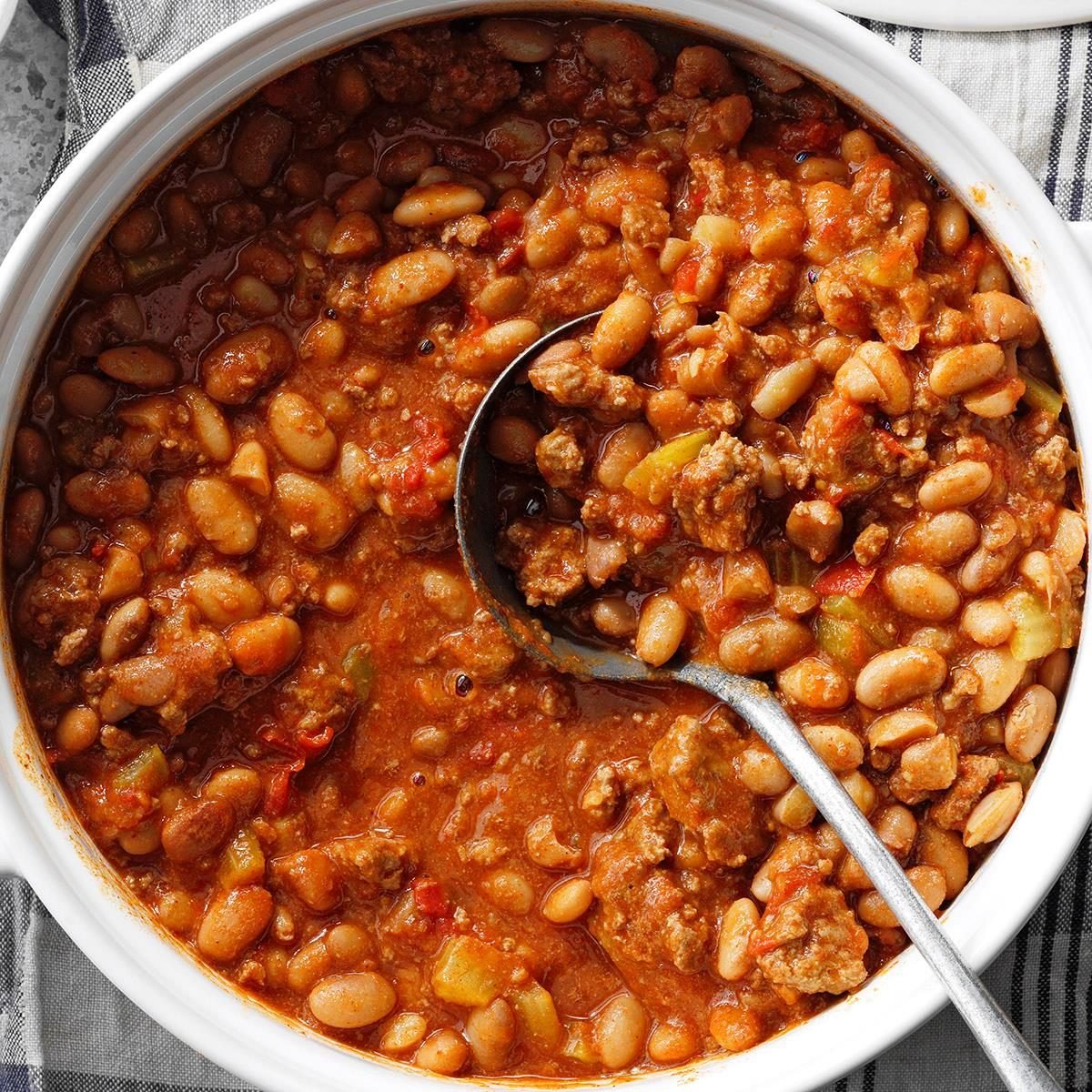
As you savor the rich flavors of your homemade chili, take pride in the culinary masterpiece you have created. This recipe has not only provided you with a delectable dish but also a newfound confidence in your cooking abilities. Experiment with different ingredients and techniques to personalize your chili, making it a signature dish that reflects your culinary creativity.