Embark on a tantalizing adventure with our Chinese chicken almond recipe, where tender chicken mingles with the satisfying crunch of almonds, enveloped in a flavorful sauce. This culinary masterpiece is a symphony of textures and tastes, promising to ignite your taste buds and transport you to the heart of Chinese cuisine.
From the art of marinating the chicken to the secrets of stir-frying, this recipe unveils the techniques that elevate this dish beyond the ordinary. Dive into the cultural significance of Chinese chicken almond and explore its evolution over time. Whether you're a seasoned chef or a curious culinary enthusiast, this guide will empower you to recreate this beloved dish in the comfort of your own kitchen.
Ingredients and Proportions
The Chinese chicken almond recipe calls for a variety of ingredients, each playing a crucial role in creating the dish's distinct flavor and texture. Here's a detailed list of the ingredients along with their exact proportions:
- Boneless, skinless chicken breasts:1 pound, cut into bite-sized pieces
- Almond flour:1/2 cup
- Cornstarch:1/4 cup
- Baking powder:1 teaspoon
- Salt:1 teaspoon
- Black pepper:1/2 teaspoon
- Eggs:2 large
- Water:1/4 cup
- Vegetable oil:1/4 cup, for frying
- Sliced almonds:1/2 cup, for garnish
- Sauce ingredients:
- Soy sauce: 1/4 cup
- Hoisin sauce: 1/4 cup
- Rice vinegar: 2 tablespoons
- Brown sugar: 2 tablespoons
- Sesame oil: 1 tablespoon
- Garlic, minced: 1 teaspoon
- Ginger, minced: 1 teaspoon
Variations and Substitutions
While the above ingredients and proportions are essential for creating an authentic Chinese chicken almond dish, there are some variations and substitutions that can be made based on personal preferences or dietary restrictions:
- Chicken:Instead of chicken breasts, you can use boneless, skinless chicken thighs or drumsticks.
- Almond flour:If you don't have almond flour, you can grind whole almonds into a fine powder using a food processor.
- Cornstarch:Potato starch or tapioca starch can be used as a substitute for cornstarch.
- Sauce ingredients:Adjust the amount of soy sauce, hoisin sauce, or rice vinegar to taste. You can also add a pinch of red pepper flakes for a bit of spice.
Cooking Methods and Techniques

The Chinese chicken almond recipe involves a combination of techniques that enhance the flavor and texture of the dish. These include marinating, stir-frying, and thickening.
Marinating the chicken in a mixture of soy sauce, cornstarch, sesame oil, and ginger helps to tenderize the meat and infuse it with flavor. Stir-frying the chicken and vegetables over high heat allows for quick and even cooking, preserving the vibrant colors and crisp textures.
Thickening the Sauce, Chinese chicken almond recipe
To create the signature thick and flavorful sauce, a cornstarch slurry is used. Cornstarch is a thickening agent that, when combined with water and heated, forms a viscous gel. This gel coats the ingredients in the sauce, giving it a rich and glossy appearance and enhancing its mouthfeel.
Marinating the Chicken
Marinating the chicken is a crucial step in this recipe as it infuses the meat with flavor and tenderizes it. A well-crafted marinade will enhance the natural taste of the chicken and make it more enjoyable.
To create a flavorful marinade, consider using a combination of aromatic ingredients such as garlic, ginger, soy sauce, and sesame oil. These ingredients will impart a savory and slightly sweet taste to the chicken.
Marinating Time and Temperature
The ideal marinating time for chicken breasts is between 30 minutes and 24 hours. For thighs or drumsticks, you can extend the marinating time up to 2 days. However, avoid marinating the chicken for too long, as the acids in the marinade can start to break down the proteins and make the meat mushy.
Regarding temperature, it's best to marinate the chicken in the refrigerator to prevent the growth of bacteria. The cold temperature will also help the marinade penetrate the meat more effectively.
Stir-Frying
Stir-frying is a popular cooking technique in Chinese cuisine that involves rapidly cooking ingredients in a hot wok or skillet while constantly stirring or tossing them. This method results in tender-crisp vegetables, succulent meats, and a flavorful sauce.
Stir-frying requires a well-seasoned wok or a large, flat-bottomed skillet. The wok's rounded bottom allows for even heat distribution and makes it easy to toss and stir ingredients. A wooden spatula or a pair of tongs is used to manipulate the food during cooking.
Heat Control
Heat control is crucial in stir-frying. The wok or skillet should be heated over high heat before adding the oil and ingredients. This ensures that the food cooks quickly and evenly, preventing it from stewing or steaming.
Timing
Timing is also important. Ingredients should be added to the wok in the order of their cooking times, with the longest-cooking ingredients going in first. This ensures that all ingredients are cooked to the desired doneness without overcooking or undercooking.
Sauce Preparation: Chinese Chicken Almond Recipe
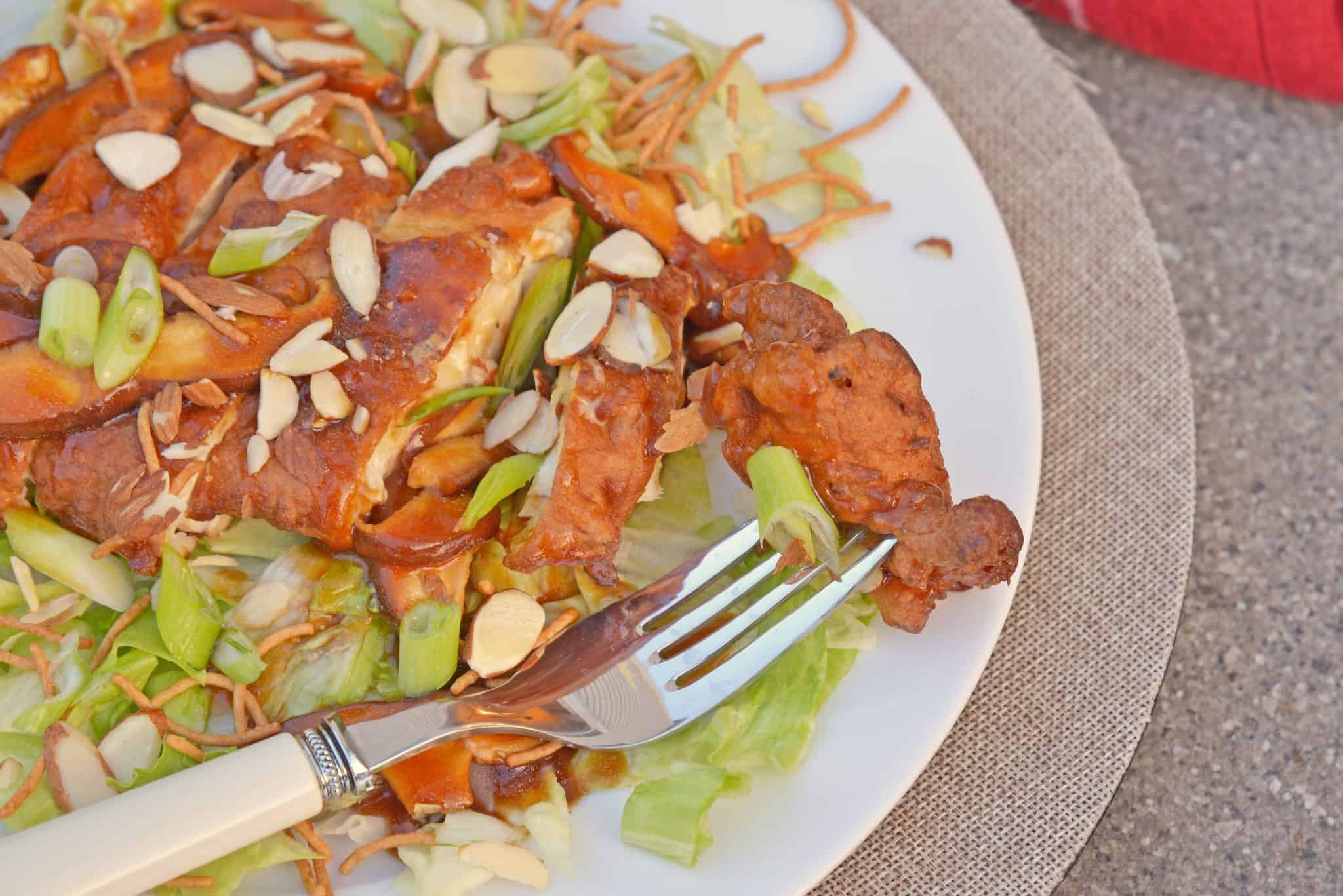
The sauce is a key component in the Chinese chicken almond recipe, as it adds flavor and richness to the dish. It is typically made with a combination of soy sauce, rice vinegar, sugar, and sesame oil.
To make the sauce, simply whisk all of the ingredients together in a small bowl until well combined. If you want a thicker sauce, you can add a cornstarch slurry (equal parts cornstarch and water) and cook over low heat until thickened.
Chinese chicken almond is a classic dish that always satisfies. If you're looking for a change of pace, try scallops sweet potato recipe for a delightful seafood and veggie combo. But when you're craving the comforting flavors of Chinese chicken almond, don't forget to give this recipe a try.
Balancing Flavors
The key to a good sauce is balancing the flavors. The sauce should be salty, sweet, and slightly sour. If the sauce is too salty, add a little sugar. If it is too sweet, add a little vinegar. If it is too sour, add a little soy sauce.
Combining the Ingredients
To combine the marinated chicken, sauce, and almonds, begin by adding the marinated chicken to a preheated wok or large skillet over medium-high heat. Cook the chicken until it is browned on all sides and cooked through, about 5-7 minutes.
Once the chicken is cooked, add the sauce and bring to a simmer. Continue to cook for an additional 2-3 minutes, or until the sauce has thickened and the chicken is heated through.
Finally, add the almonds to the wok and stir to combine. Cook for an additional 1-2 minutes, or until the almonds are toasted and fragrant. Serve immediately over rice or noodles.
Tips for Achieving the Desired Texture and Flavor
- To achieve a crispy texture for the chicken, be sure to cook it over high heat and do not overcrowd the wok or skillet.
- For a more flavorful sauce, use a combination of soy sauce, rice vinegar, and sesame oil.
- To add a bit of sweetness to the dish, add a tablespoon of honey or brown sugar to the sauce.
- For a spicier dish, add a teaspoon of chili flakes or Sriracha sauce to the sauce.
Presentation
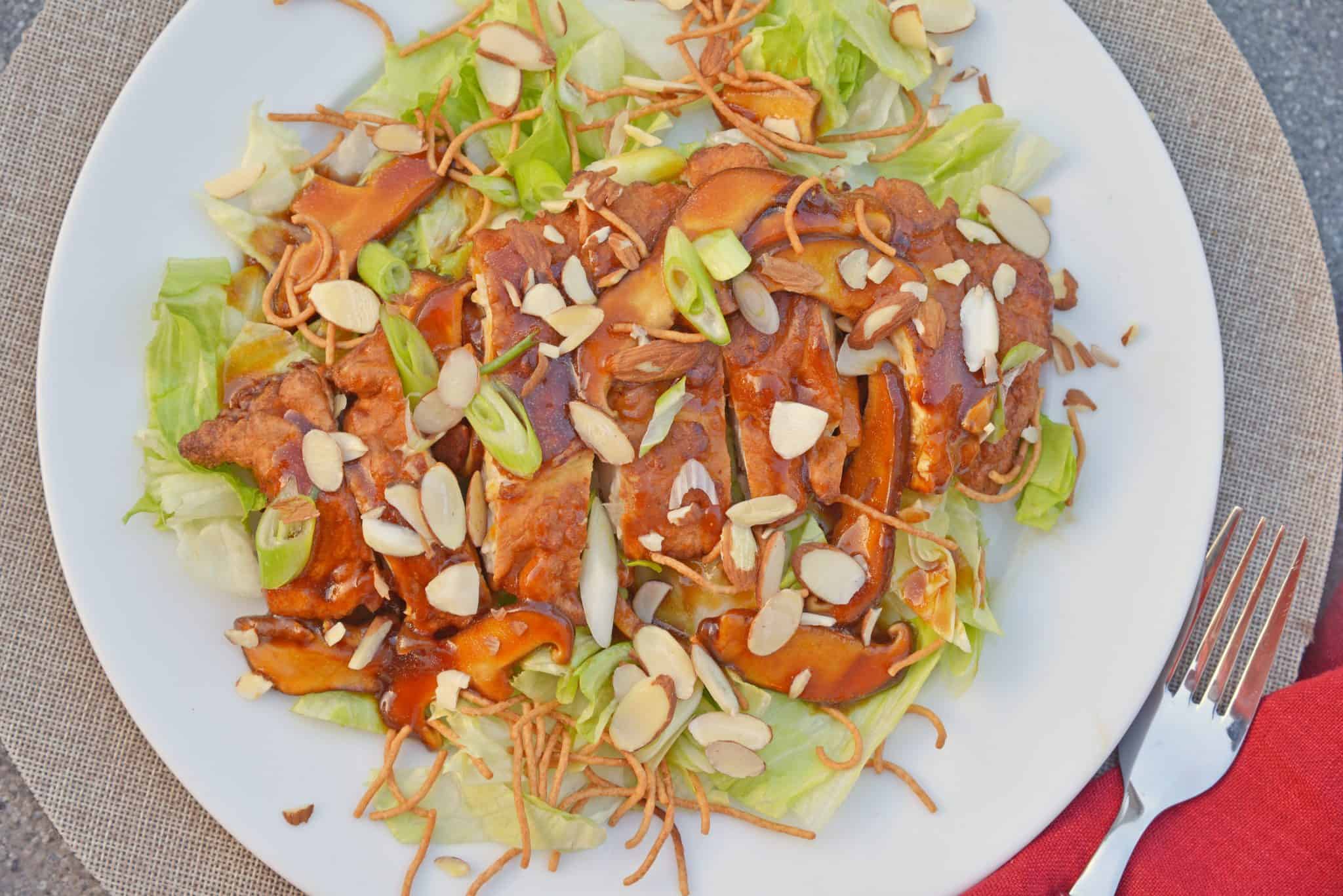
The traditional presentation of Chinese chicken almond is a vibrant and appetizing display of colors and textures. The golden-brown chicken pieces are nestled amidst a bed of crisp almonds, with a glossy sauce enveloping the entire dish. The green scallions and red bell peppers add a touch of freshness and vibrancy, creating a visually stunning dish that tantalizes the taste buds.
To enhance the visual appeal, consider garnishing the dish with additional elements such as sesame seeds, sliced almonds, or a sprinkle of chopped parsley. Serve it on a bed of fluffy white rice or egg noodles to complement the flavors and textures.
Creative Garnishing Ideas
- Scatter toasted sesame seeds over the dish for a nutty flavor and visual contrast.
- Arrange thinly sliced almonds around the perimeter to create a decorative border.
- Sprinkle finely chopped parsley or cilantro on top to add a touch of freshness and color.
- Garnish with a drizzle of sesame oil or chili oil to enhance the flavor and appearance.
- Serve with a side of pickled vegetables or a small bowl of dipping sauce for an extra burst of flavor.
Cultural Significance
Chinese chicken almond is a beloved dish in Chinese cuisine, holding cultural significance beyond its culinary appeal. Its origins can be traced back to the Jiangsu province during the Qing dynasty. Over time, the dish evolved, incorporating influences from various regions, resulting in the popular variation enjoyed today.In
Chinese culture, chicken almond symbolizes prosperity, longevity, and good fortune. It is often served at special occasions, such as weddings, birthdays, and festivals. The dish's sweet and savory flavors represent the balance and harmony sought after in Chinese philosophy. Moreover, the use of almonds adds a touch of luxury, as almonds were once considered a rare and valuable ingredient in China.
Ultimate Conclusion
As you savor the last bite of your homemade Chinese chicken almond, let the flavors linger and appreciate the culinary journey you've undertaken. This recipe is not merely a collection of ingredients and instructions; it's a testament to the power of food to bring joy, connect cultures, and create lasting memories.
Experiment with different variations, share your culinary creations with loved ones, and continue to explore the vibrant world of Chinese cuisine.


