Embark on a brewing adventure with the Czech dark lager recipe, a journey that unveils the secrets of this rich and flavorful beer. From its historical roots to the intricacies of the brewing process, this guide will equip you with the knowledge and techniques to craft an exceptional dark lager that will impress your taste buds and quench your thirst for brewing excellence.
As we delve into the world of Czech dark lager, we'll explore its distinctive characteristics, the essential ingredients, and the step-by-step brewing process. Whether you're a seasoned brewer or just starting your homebrewing adventure, this guide will provide you with the tools and insights to create a dark lager that will leave a lasting impression.
Czech Dark Lager Recipe Overview
Czech dark lager, a beloved beer style with a rich history, has captivated beer enthusiasts for centuries. Originating in the Czech Republic, this lager boasts a distinctive dark hue and a complex flavor profile that sets it apart.
Key Characteristics and Flavor Profile
Czech dark lager is characterized by its deep amber to dark brown color, a result of the use of roasted malts. The flavor profile is a harmonious blend of roasted maltiness, hints of chocolate and coffee, and a subtle hop bitterness that provides balance.
The finish is often crisp and clean, with a lingering sweetness.
Brewing Process
Brewing Czech dark lager involves a meticulous process that combines traditional techniques with modern brewing practices. The base malt is typically a combination of Pilsner malt and roasted malts, which contribute to the beer's characteristic color and flavor. The hops used are typically noble varieties, such as Saaz or Hallertau, which impart a delicate bitterness and aroma.
Ingredients
Brewing a traditional Czech dark lager requires a specific combination of ingredients to achieve its distinctive flavor profile and rich amber hue.
The primary ingredients include:
Malt
- Munich malt: This imparts a malty sweetness and amber color.
- Vienna malt: Adds a rich, biscuity flavor and deepens the color.
- Caramel malt: Contributes a caramel-like sweetness and adds complexity.
Hops
- Saaz hops: A noble variety known for its spicy, floral aroma and moderate bitterness.
- Premiant hops: Imparts a slightly bitter and herbal flavor.
Yeast
- Czech lager yeast: A bottom-fermenting yeast strain that produces a clean, crisp flavor.
Water
Soft water with a low mineral content is ideal for brewing Czech dark lager, as it allows the malt flavors to shine through.
Brewing Process

Brewing a Czech dark lager involves several key steps, each of which contributes to the beer's unique flavor and characteristics. Let's delve into the detailed brewing process.
The brewing process consists of the following steps:
Mashing
Mashing is the process of converting the starches in the malt into fermentable sugars. This is achieved by mixing the crushed malt with hot water in a vessel called a mash tun. The temperature of the mash is carefully controlled to ensure optimal enzyme activity, which breaks down the starches into sugars.
Lautering
Lautering is the process of separating the liquid wort from the spent grain husks. The wort is the sugary liquid that will eventually be fermented into beer. Lautering is typically done using a lauter tun, which has a false bottom that allows the wort to drain out while retaining the spent grains.
Boiling
Boiling is the process of heating the wort to a boil. This serves several purposes: it sterilizes the wort, extracts bitterness from the hops, and helps to coagulate proteins. The boil typically lasts for 60-90 minutes, depending on the desired bitterness level.
Fermentation
Fermentation is the process of converting the sugars in the wort into alcohol and carbon dioxide. This is done by adding yeast to the wort. The yeast consumes the sugars and produces alcohol and carbon dioxide as byproducts. Fermentation typically takes place in a fermentation vessel, such as a fermenter or a keg, and can last for several days or weeks.
Conditioning
Conditioning is the process of allowing the beer to mature and develop its flavors. This is typically done by storing the beer in a cool, dark place for several weeks or months. During conditioning, the beer will undergo a number of changes, including the development of carbonation and the mellowing of flavors.
Equipment: Czech Dark Lager Recipe
Brewing Czech dark lager requires specific equipment to ensure proper fermentation and optimal beer quality.
Fermenters
Fermenters are vessels where the wort ferments and transforms into beer. For Czech dark lager, a primary fermenter with a capacity of at least 6 gallons is recommended. The primary fermenter should have an airlock to allow carbon dioxide to escape while preventing oxygen from entering.
Kettles
Kettles are used for boiling the wort and adding hops during the brewing process. A brew kettle with a capacity of at least 8 gallons is ideal for brewing Czech dark lager. It should be made of stainless steel to prevent contamination and ensure durability.
Other Tools
In addition to fermenters and kettles, various other tools are essential for brewing Czech dark lager. These include:
Hydrometer
Used to measure the specific gravity of the wort and beer to determine the alcohol content and fermentation progress.
Thermometer
Used to monitor the temperature of the wort and beer during the brewing process.
Stirring spoon
After a hearty sip of Czech dark lager, I felt inspired to try my hand at baking. The malty sweetness and roasted notes of the beer sparked a craving for something warm and comforting. I stumbled upon a cottage loaf bread recipe that seemed like the perfect accompaniment.
With its crusty exterior and soft, fluffy interior, it promised to complement the rich flavors of the lager perfectly. As I kneaded the dough, I could already imagine the aroma of freshly baked bread filling the house, inviting me back for another sip of my beloved Czech dark lager.
Used to stir the wort during boiling and fermentation.
Siphon
Used to transfer the wort from the brew kettle to the fermenter and the beer from the fermenter to bottles or kegs.
Bottle filler
Used to fill bottles with beer for carbonation and storage.
Kegging system
Used to carbonate and dispense beer from kegs.
Sanitation
Proper sanitation and hygiene are crucial in brewing Czech dark lager to prevent contamination and ensure beer quality. All equipment should be thoroughly cleaned and sanitized before use. This includes boiling the fermenter and kettle, as well as sanitizing all tools and utensils.
Fermentation
Fermentation is a crucial stage in brewing Czech dark lager, where yeast transforms the wort into beer. Yeast, a type of fungus, consumes the sugars in the wort and produces alcohol and carbon dioxide as byproducts.
The ideal fermentation temperature for Czech dark lager is between 48-55°F (9-13°C). Maintaining this temperature range ensures optimal yeast activity and prevents off-flavors.
Monitoring Fermentation, Czech dark lager recipe
- Krausen Formation:A thick, foamy layer on top of the fermenting beer indicates active fermentation.
- Gas Production:Bubbling or hissing sounds indicate the release of carbon dioxide.
- Specific Gravity:Measuring the specific gravity of the beer over time shows a gradual decrease as yeast consumes sugars.
The fermentation process typically takes 7-14 days. Once fermentation is complete, the beer enters the lagering stage, where it matures and develops its characteristic flavors.
Conditioning
Conditioning is a crucial step in the brewing process that allows the beer to mature and develop its full flavor and aroma. For Czech dark lager, conditioning typically takes place in a cool environment, such as a cellar or refrigerator, for an extended period.During
conditioning, the beer undergoes a number of changes. The yeast continues to slowly ferment the remaining sugars, producing carbon dioxide and other flavor compounds. The beer also clarifies as the sediment settles out, resulting in a smoother, more polished appearance.
Methods for Conditioning Czech Dark Lager
There are two main methods for conditioning Czech dark lager:
- Lagering:This method involves storing the beer at a cool temperature (typically between 32-45°F) for an extended period, usually several weeks or even months.
- Krausening:This method involves adding a small amount of actively fermenting wort to the beer before conditioning. This provides a boost of yeast and fermentable sugars, which helps to carbonate the beer and develop its flavor.
Optimal Temperature and Duration for Conditioning
The optimal temperature and duration for conditioning Czech dark lager will vary depending on the specific recipe and the desired flavor profile. However, as a general rule, lagering at a temperature of 38-42°F for 4-8 weeks will produce a well-conditioned beer with a smooth, balanced flavor.
Serving
To fully appreciate the complex flavors of Czech dark lager, serving it at the optimal temperature is crucial. The ideal temperature range for this style falls between 45-55°F (7-13°C). At this temperature, the beer's maltiness, hop bitterness, and subtle fruitiness are balanced and harmonious.
Proper glassware and pouring techniques enhance the drinking experience. Choose a traditional Czech pilsner glass or a stemmed tulip glass. When pouring, tilt the glass slightly and pour down the center, allowing the beer to form a small, creamy head.
This technique helps preserve the beer's aroma and flavor.
Food Pairings
Czech dark lager pairs well with a variety of hearty dishes. Its robust flavors complement grilled meats, sausages, and roasted vegetables. It also pairs well with spicy cuisine, such as curries and Mexican dishes. For a more traditional pairing, try it with Czech dumplings or goulash.
Variations
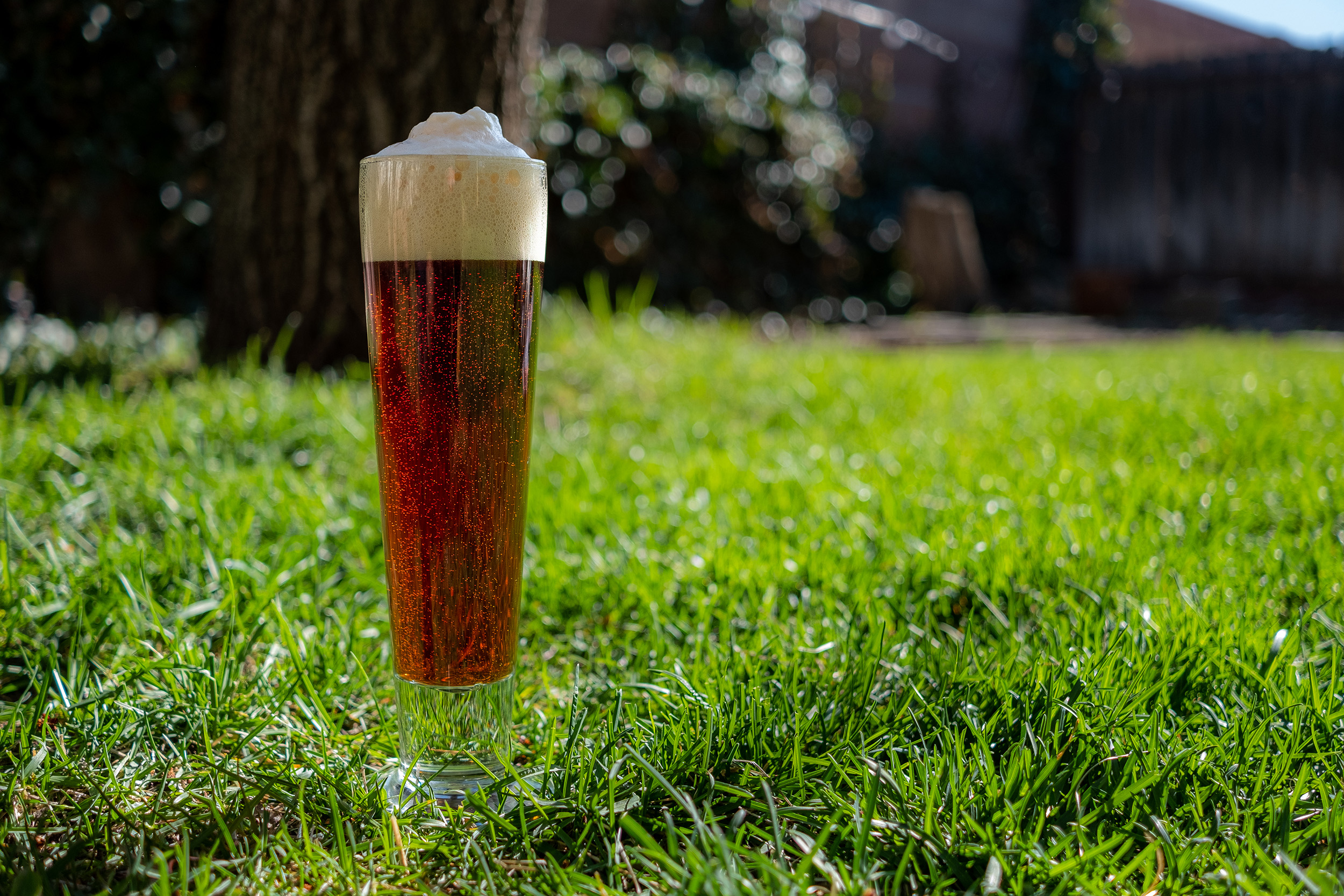
Czech dark lager encompasses a spectrum of styles, each with unique characteristics. Let's delve into the variations of this captivating beer.
From the dark, roasted notes of Schwarzbier to the malty sweetness of Dunkel, these variations offer a diverse range of flavor experiences.
Schwarzbier
Schwarzbier, meaning "black beer" in German, is a dark lager with a rich, roasty character. It typically features a deep black or dark brown color, with a creamy, off-white head.
Schwarzbier showcases a balance between roasted malt flavors and a crisp, refreshing finish. The roasted malt imparts notes of chocolate, coffee, and toasted bread, while the lagering process contributes a clean, crisp character.
Dunkel
Dunkel, meaning "dark" in German, is a maltier, sweeter variation of Czech dark lager. It exhibits a deep amber or brown color, with a creamy, off-white head.
Dunkel is characterized by its rich, malty flavor profile. The use of darker malts imparts notes of caramel, toffee, and bread, creating a complex and satisfying brew. While still maintaining a lager's crispness, Dunkel offers a fuller, more robust body.
Troubleshooting
Brewing Czech dark lager requires attention to detail and proper techniques. Problems can arise during the process, but they can often be resolved with the right troubleshooting methods.
Maintaining sanitation and hygiene throughout the brewing process is crucial to prevent contamination. Regular cleaning and sterilization of equipment, as well as proper handling of ingredients, are essential for successful brewing.
Common Problems and Solutions
- Off-flavors:Off-flavors can indicate contamination or improper fermentation. Identify the source of the off-flavor and take corrective action, such as cleaning equipment or adjusting fermentation conditions.
- Stuck fermentation:Stuck fermentation occurs when the yeast stops converting sugar into alcohol. Raise the fermentation temperature slightly or add more yeast to restart the process.
- Slow fermentation:Slow fermentation can be caused by low fermentation temperature or insufficient yeast. Increase the temperature or add more yeast to speed up the process.
- Over-carbonation:Over-carbonation can occur if too much priming sugar is added. Vent the beer or reduce the amount of priming sugar used.
- Under-carbonation:Under-carbonation can occur if too little priming sugar is added. Add more priming sugar and allow the beer to carbonate for a longer period.
Additional Resources

The internet provides a wealth of information on brewing Czech dark lager. Here are some useful resources:
- Brewing Czech Dark Lager (by The Mad Fermentationist): https://www.themadfermentationist.com/czech-dark-lager
- Czech Dark Lager (by Brew Your Own): https://byo.com/article/czech-dark-lager
- The Complete Guide to Brewing Czech Dark Lager (by Northern Brewer): https://www.northernbrewer.com/blogs/beer-brewing/czech-dark-lager
Several books offer in-depth coverage of brewing Czech dark lager, including:
- Czech Beer: The History, Brewing Techniques, and Traditions of the World's Finest Beer (by Martyn Cornell)
- The Brewmaster's Table: Discovering the Pleasures of Real Beer with Real Food (by Garrett Oliver)
Online forums and brewing clubs are excellent platforms to connect with other brewers, share knowledge, and troubleshoot issues. Some notable forums include:
- Homebrewtalk: https://www.homebrewtalk.com/
- Brewers Association: https://www.brewersassociation.org/
- American Homebrewers Association: https://www.homebrewersassociation.org/
Participating in brewing workshops or classes is another effective way to enhance your knowledge and skills. These workshops typically cover various aspects of brewing, including ingredient selection, equipment usage, and fermentation techniques. Check with local homebrew shops or brewing clubs for upcoming workshops in your area.
Closing Notes
In the realm of homebrewing, the Czech dark lager recipe stands as a testament to the artistry and passion that can be poured into a glass. By following the guidance Artikeld in this comprehensive guide, you'll gain the knowledge and confidence to brew a dark lager that embodies the rich traditions of Czech brewing.
Remember, the journey of brewing is an ongoing pursuit of perfection, and with each batch, you'll refine your skills and create beers that will delight your palate and bring joy to those who share them with you.


