Embark on a culinary adventure with dehydrated backpacking meals recipes, the ultimate solution for hikers seeking sustenance on the trail. Dive into a world of flavors, convenience, and nutrition, where every bite transports you to a wilderness feast.
Prepare to be amazed as we delve into the art of dehydration, unraveling the secrets of preserving your favorite meals for extended expeditions. From freeze-drying to sun-drying, we’ll guide you through the techniques, ensuring your dehydrated creations retain their nutritional integrity and tantalize your taste buds.
Introduction to Dehydrated Backpacking Meals
Dehydrated backpacking meals are a convenient and lightweight option for hikers who want to save space and weight in their packs. These meals are made by removing the moisture from fresh ingredients, which reduces their weight and volume by up to 90%. Dehydrated meals are also shelf-stable, so they can be stored for long periods of time without spoiling.
The dehydration process involves removing the moisture from food using a variety of methods, such as air drying, freeze drying, or vacuum drying. Air drying is the simplest method, but it can take several days or even weeks to complete.
Freeze drying is a more expensive method, but it produces a higher quality product that is more shelf-stable. Vacuum drying is the fastest method, but it can also be the most expensive.
Benefits of Dehydrated Backpacking Meals
- Lightweight and compact: Dehydrated meals are much lighter and more compact than fresh food, which can save you a lot of space and weight in your pack.
- Long shelf life: Dehydrated meals can be stored for long periods of time without spoiling, so you can buy them in bulk and have them on hand for when you need them.
- Easy to prepare: Dehydrated meals are easy to prepare, just add water and cook. This makes them a great option for hikers who don’t have a lot of time to cook.
- Nutritious: Dehydrated meals can be just as nutritious as fresh food, as long as they are made with whole, unprocessed ingredients.
Ingredient Selection for Dehydration
When selecting ingredients for dehydration, several key considerations must be taken into account to ensure the resulting meals are nutritious, have a long shelf life, and rehydrate quickly and easily.
Nutritional Value:Dehydration removes moisture from food, concentrating its nutrients. Choose ingredients rich in essential vitamins, minerals, and macronutrients to provide sustained energy and nourishment on the trail.
Suitable Ingredients
- Fruits:Dried fruits like berries, apples, and bananas are packed with vitamins, antioxidants, and natural sugars for energy.
- Vegetables:Dehydrated vegetables such as carrots, celery, and spinach retain their fiber and nutrient content, adding bulk and essential vitamins to meals.
- Legumes:Beans and lentils provide protein, fiber, and iron, making them an excellent addition to backpacking meals.
- Meat:Lean meats like chicken, turkey, and beef can be dehydrated and rehydrated for a protein-rich meal.
- Grains:Rice, quinoa, and oats are versatile grains that provide carbohydrates and fiber, essential for sustained energy.
Dehydration Recipes for Different Meal Types
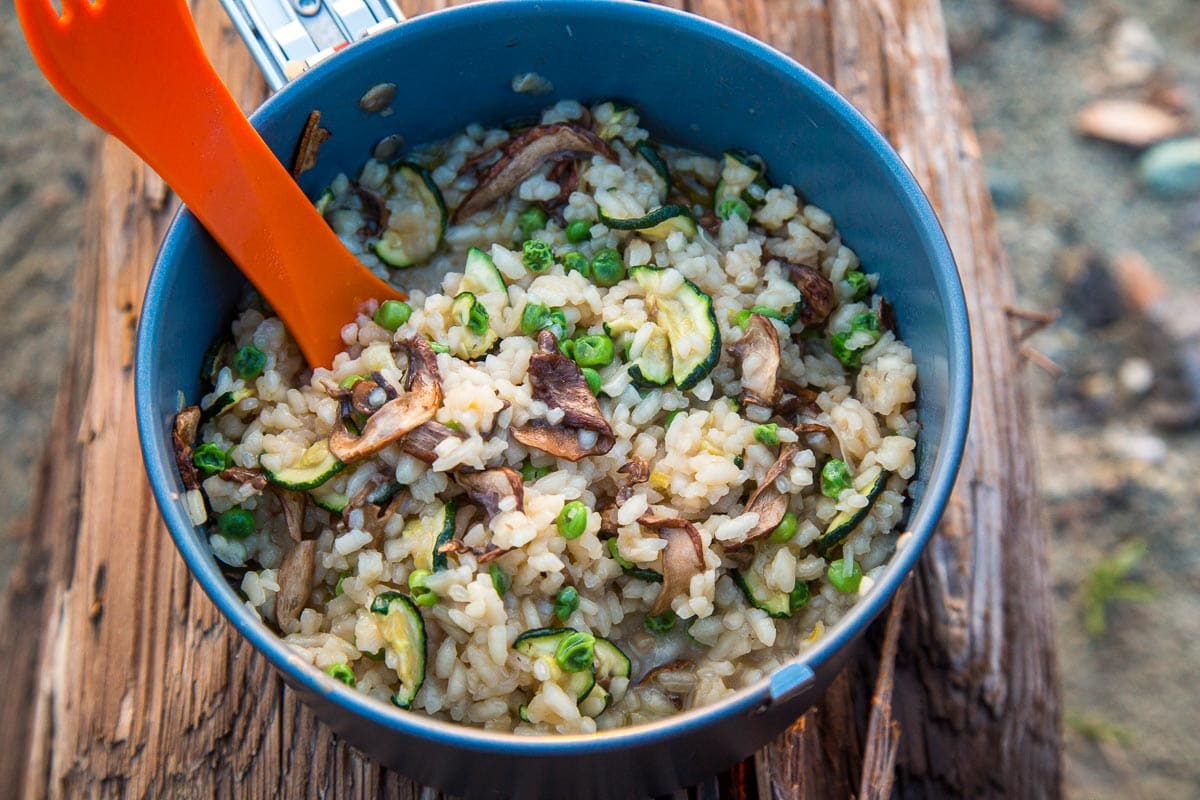
To ensure a varied and satisfying backpacking experience, it’s crucial to organize your dehydrated meal recipes into categories based on meal type. This will help you plan a balanced and enjoyable menu.
Breakfast
- Oatmeal with Berries and Nuts:Combine 1 cup rolled oats, 1/2 cup dried berries, 1/4 cup chopped nuts, and 1/4 cup powdered milk. Dehydrate for 6-8 hours at 125°F (52°C).
- Pancake Mix:Mix 1 cup pancake mix, 1/4 cup powdered milk, and 1/4 cup dehydrated fruit. Dehydrate for 4-6 hours at 125°F (52°C).
- Breakfast Burrito:Spread 1/2 cup refried beans on a tortilla, add 1/4 cup scrambled eggs, 1/4 cup shredded cheese, and 1/4 cup diced onions. Roll up and dehydrate for 6-8 hours at 125°F (52°C).
Lunch
- Trail Mix:Combine 1 cup nuts, 1 cup dried fruit, and 1 cup granola. Dehydrate for 2-3 hours at 125°F (52°C).
- Soup:Combine 1 cup dried beans, 1 cup chopped vegetables, and 1/4 cup dehydrated soup mix. Dehydrate for 6-8 hours at 125°F (52°C).
- Pasta Salad:Cook 1 cup pasta and mix with 1/2 cup chopped vegetables, 1/4 cup grated cheese, and 1/4 cup Italian dressing. Dehydrate for 6-8 hours at 125°F (52°C).
Dinner
- Beef Stew:Brown 1/2 pound ground beef and combine with 1 cup chopped vegetables, 1/2 cup dehydrated gravy mix, and 1 cup water. Dehydrate for 8-10 hours at 125°F (52°C).
- Chicken Stir-Fry:Cook 1/2 pound chicken and combine with 1 cup chopped vegetables and 1/4 cup stir-fry sauce. Dehydrate for 6-8 hours at 125°F (52°C).
- Mac and Cheese:Combine 1 cup macaroni, 1/2 cup shredded cheese, and 1/4 cup powdered milk. Dehydrate for 4-6 hours at 125°F (52°C).
Snacks
- Fruit Leather:Puree 2 cups fruit and spread on a dehydrator tray. Dehydrate for 6-8 hours at 125°F (52°C).
- Beef Jerky:Slice 1 pound lean beef and marinate in your favorite marinade. Dehydrate for 8-10 hours at 145°F (63°C).
- Granola Bars:Combine 1 cup oats, 1/2 cup nuts, 1/2 cup dried fruit, and 1/4 cup honey. Press into a baking dish and dehydrate for 4-6 hours at 125°F (52°C).
Flavor Enhancement Techniques: Dehydrated Backpacking Meals Recipes
Dehydrated backpacking meals can be delicious and satisfying, but they can also be bland if not prepared properly. There are a few techniques you can use to enhance the flavor of your meals, such as using spices, herbs, and marinades.
Balancing Flavors
When using spices and herbs, it is important to balance the flavors so that no one flavor overpowers the others. A good rule of thumb is to start with a small amount of each spice and herb and then add more to taste.
You can also use a variety of spices and herbs to create complex flavors.
Marinades
Marinades are a great way to add flavor to your meals. You can use a variety of liquids to create a marinade, such as water, oil, vinegar, or wine. Add your spices and herbs to the liquid and then let your food marinate for several hours or overnight.
The longer you marinate your food, the more flavorful it will be.
Examples of Flavorful Meals
Here are a few examples of flavorful dehydrated backpacking meals:
- Beef stew with vegetables and spices
- Chicken stir-fry with rice
- Vegetarian chili with beans and vegetables
- Pasta with tomato sauce and cheese
- Oatmeal with fruit and nuts
Packaging and Storage Considerations
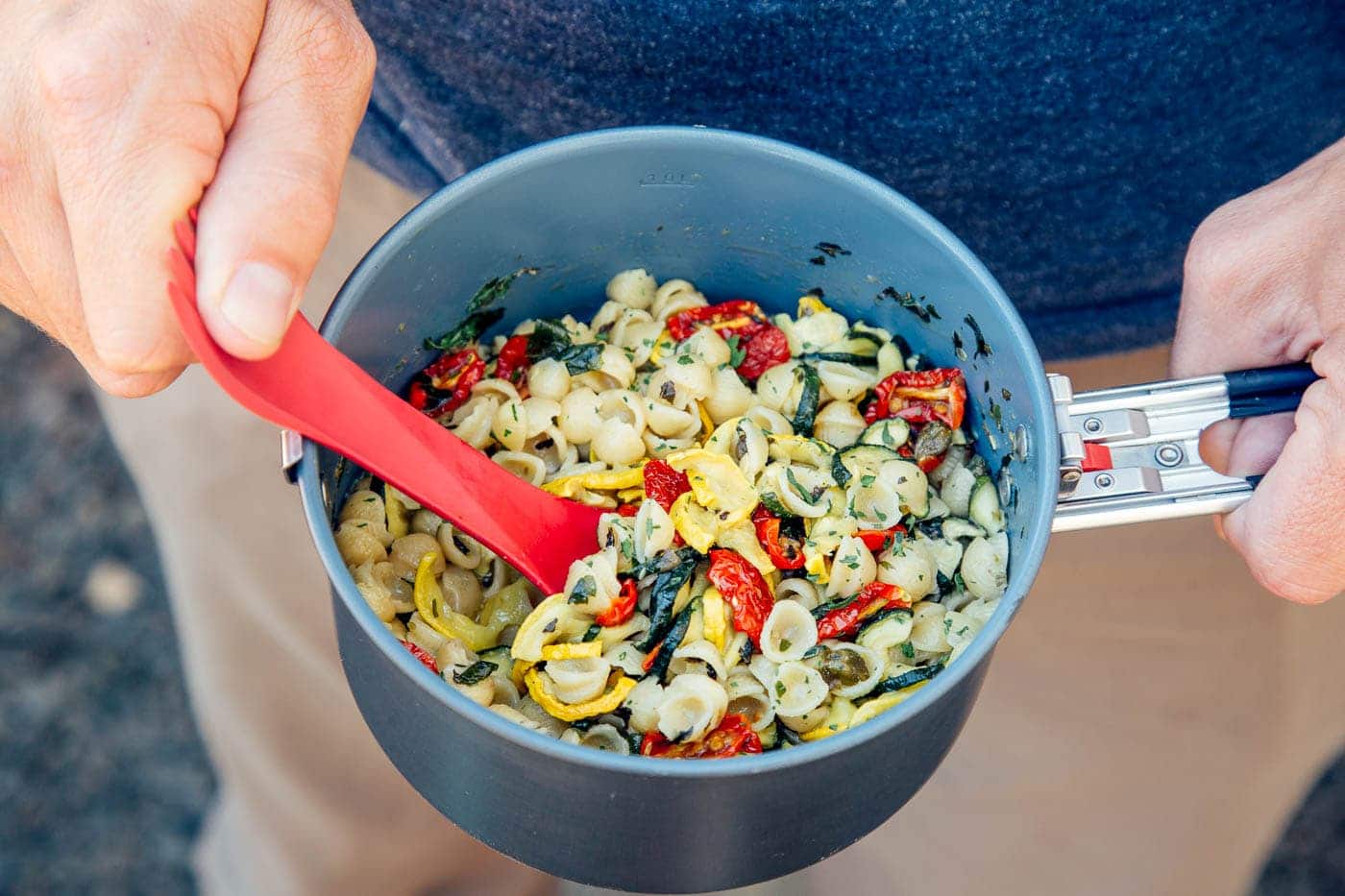
Proper packaging and storage are crucial for preserving the quality and nutritional value of dehydrated backpacking meals. Packaging should protect the meals from moisture, air, and light, while storage conditions should minimize exposure to heat and fluctuations in temperature.
Materials used for packaging dehydrated meals include:
- Moisture-resistant bags: Made from materials like Mylar or Tyvek, these bags are lightweight, durable, and prevent moisture penetration.
- Vacuum-sealed bags: Remove air before sealing, creating a barrier against oxidation and preserving freshness.
- Glass jars: Heavy but offer excellent protection from light and moisture. However, they are not ideal for backpacking due to their weight.
When storing dehydrated meals:
- Keep them cool and dry: Store in a cool, dark place with low humidity, ideally between 40-60°F (4-16°C).
- Avoid extreme temperatures: Avoid storing meals in areas exposed to extreme heat or cold, as this can damage the food.
- Check expiration dates: Regularly inspect packaging for any damage or signs of spoilage. Discard meals that have exceeded their expiration date.
Rehydration Methods for Dehydrated Meals
Rehydrating dehydrated meals while backpacking is essential for restoring their taste and texture. Here are the common methods and their advantages and disadvantages:
Hot Water Method
- Advantages: Quickest and most effective method, kills bacteria.
- Disadvantages: Requires boiling water, which can be inconvenient.
Cold Soaking Method
- Advantages: No need for boiling water, preserves nutrients better.
- Disadvantages: Takes longer, requires proper sealing of the meal bag.
Cooking Method
- Advantages: Adds flavor through cooking, allows for more culinary options.
- Disadvantages: Requires additional equipment, takes more time.
For effective rehydration, follow these tips:
- Use the recommended amount of water.
- Stir the meal thoroughly to ensure even hydration.
- Let the meal rehydrate for the recommended time.
Troubleshooting Common Issues
Encountering problems during the dehydration or rehydration process is not uncommon. This section aims to address frequently encountered issues and provide practical solutions to ensure successful dehydrated backpacking meals.
One potential issue is incomplete drying. Insufficient dehydration can lead to spoilage or reduced shelf life. To ensure complete drying, consider the following:
Drying Time and Temperature
- Adjust drying time based on the thickness and moisture content of the food.
- Maintain an optimal drying temperature between 115-145°F (46-63°C) for most foods.
Air Circulation
- Ensure adequate air circulation within the dehydrator to prevent moisture buildup.
- Use a fan or open vents to facilitate air movement.
Another common issue is poor flavor. Dehydration can alter the taste and texture of food. To enhance flavor, consider the following techniques:
Seasoning and Spices
- Add herbs, spices, or seasonings before dehydration to enhance flavor.
- Consider using concentrated flavors or extracts to intensify taste.
Rehydration Method
- Rehydrate meals with hot water or broth to extract flavors more effectively.
- Allow the meals to rehydrate fully before consuming to maximize flavor absorption.
Health and Safety Considerations
Dehydrated backpacking meals offer convenience and nutrition on the trail, but they also come with potential health and safety concerns. Understanding these risks and following proper guidelines can ensure the safety and nutritional adequacy of your dehydrated meals.
When preparing dehydrated backpacking meals, it’s important to consider both convenience and taste. If you’re craving a savory and satisfying meal, carne asada nachos are an excellent option. The marinated carne asada adds a bold flavor to the dish, while the tortilla chips provide a crispy base.
You can easily dehydrate the nachos and rehydrate them when you’re ready to eat, making them a perfect meal for your next backpacking adventure. Dehydrated backpacking meals are not only convenient but also versatile, allowing you to enjoy your favorite dishes even when you’re miles away from home.
Foodborne Illnesses
Improperly dehydrated or stored meals can harbor bacteria or other pathogens that can cause foodborne illnesses. Symptoms may include nausea, vomiting, diarrhea, and abdominal cramps. To prevent foodborne illnesses:* Ensure meals are thoroughly dehydrated before storage.
- Store meals in airtight containers to prevent moisture and contamination.
- Avoid consuming dehydrated meals that show signs of spoilage, such as mold or discoloration.
Nutritional Deficiencies
Dehydrating meals can remove essential nutrients, leading to deficiencies over time. To ensure nutritional adequacy:* Include a variety of foods in your dehydrated meals to cover all nutrient groups.
- Consider adding nutrient-rich ingredients, such as nuts, seeds, or dried fruit.
- Consult with a healthcare professional or registered dietitian for personalized dietary advice.
Rehydration Considerations
Proper rehydration is crucial for safety and nutrition.* Use clean water for rehydration to avoid contamination.
- Follow the manufacturer’s instructions for rehydration ratios to ensure adequate hydration.
- Consume rehydrated meals promptly to prevent spoilage.
Additional Tips and Tricks
To enhance your dehydration and backpacking experience, consider these additional tips and tricks:
Plan your meals meticulously to ensure you have a balanced and nutritious diet. Consider your dietary restrictions, preferences, and the duration of your trip.
Equipment Recommendations
- Dehydrator:Choose a dehydrator with adjustable temperature settings and ample space for your food.
- Vacuum sealer:Vacuum sealing helps preserve the freshness and flavor of your dehydrated meals.
- Backpacking stove:Select a stove that is lightweight, fuel-efficient, and compatible with your cookware.
- Lightweight cookware:Use lightweight pots and pans to minimize weight in your pack.
- Reusable water bottle:Carry a reusable water bottle to stay hydrated, especially in hot or dry climates.
Wilderness Etiquette, Dehydrated backpacking meals recipes
Respect the environment by following these wilderness etiquette guidelines:
- Leave no trace:Pack out all trash and food scraps.
- Camp responsibly:Choose designated campsites and avoid disturbing wildlife.
- Be mindful of noise:Keep noise levels low to minimize disturbance to other hikers and wildlife.
- Respect wildlife:Observe animals from a distance and never feed them.
- Share the trail:Be courteous to other hikers and yield to those traveling uphill or with heavy packs.
Closing Summary
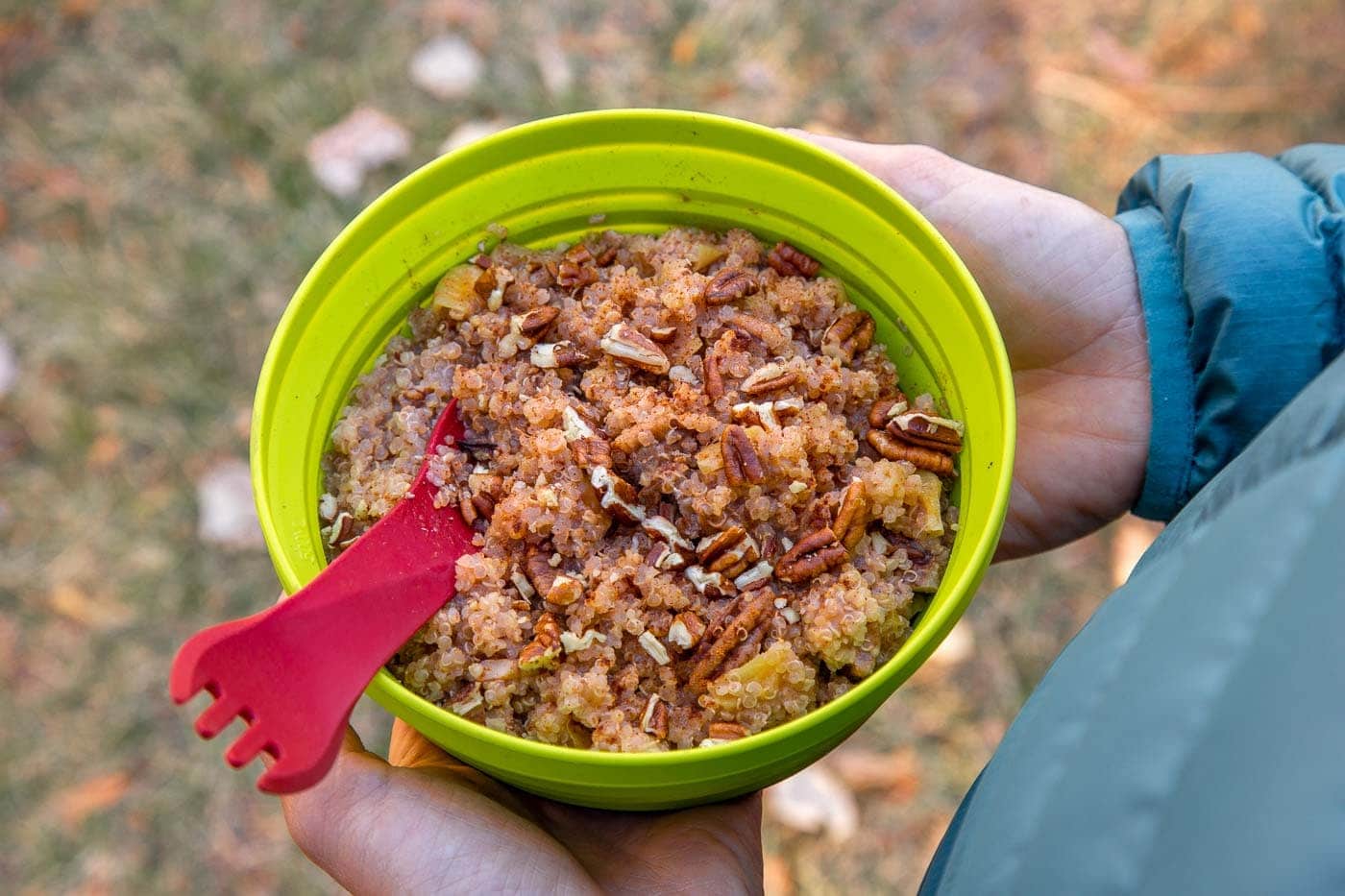
As you venture into the wilderness with your dehydrated backpacking meals, savor the convenience and nourishment they provide. Experiment with different flavors, techniques, and ingredients, crafting meals that ignite your taste buds and fuel your adventures. Remember, the trail is your canvas, and these recipes are your palette – paint a culinary masterpiece with every bite.