Welcome to the ultimate guide to diverticular disease diet recipes, where we delve into the world of managing this common digestive condition through the power of food. Join us as we explore the ins and outs of a diverticular-friendly diet, discovering delicious and nutritious recipes that will tantalize your taste buds and support your digestive well-being.
We’ll navigate the dietary guidelines, explore the benefits of fiber, and unveil a treasure trove of low-fiber and high-fiber foods to help you make informed choices. Get ready to transform your meals into a culinary adventure that nourishes your body and empowers you to manage your diverticular disease effectively.
Diverticular Disease Overview

Diverticular disease is a common condition that affects the large intestine (colon). It occurs when small pouches or sacs (diverticula) form in the colon wall. Diverticular disease is usually asymptomatic, but it can sometimes cause symptoms such as abdominal pain, cramping, and changes in bowel habits.
Diverticular disease is more common in people over the age of 50, and it is more common in Western countries than in developing countries. The exact cause of diverticular disease is unknown, but it is thought to be related to a low-fiber diet and obesity.
Symptoms
Most people with diverticular disease do not have any symptoms. However, some people may experience:
- Abdominal pain or cramping
- Changes in bowel habits, such as constipation or diarrhea
- Rectal bleeding
- Fever
- Nausea and vomiting
Risk Factors
The following factors increase the risk of developing diverticular disease:
- Age over 50
- Western diet, which is low in fiber
- Obesity
- Smoking
- Alcohol use
- Family history of diverticular disease
Dietary Guidelines for Diverticular Disease
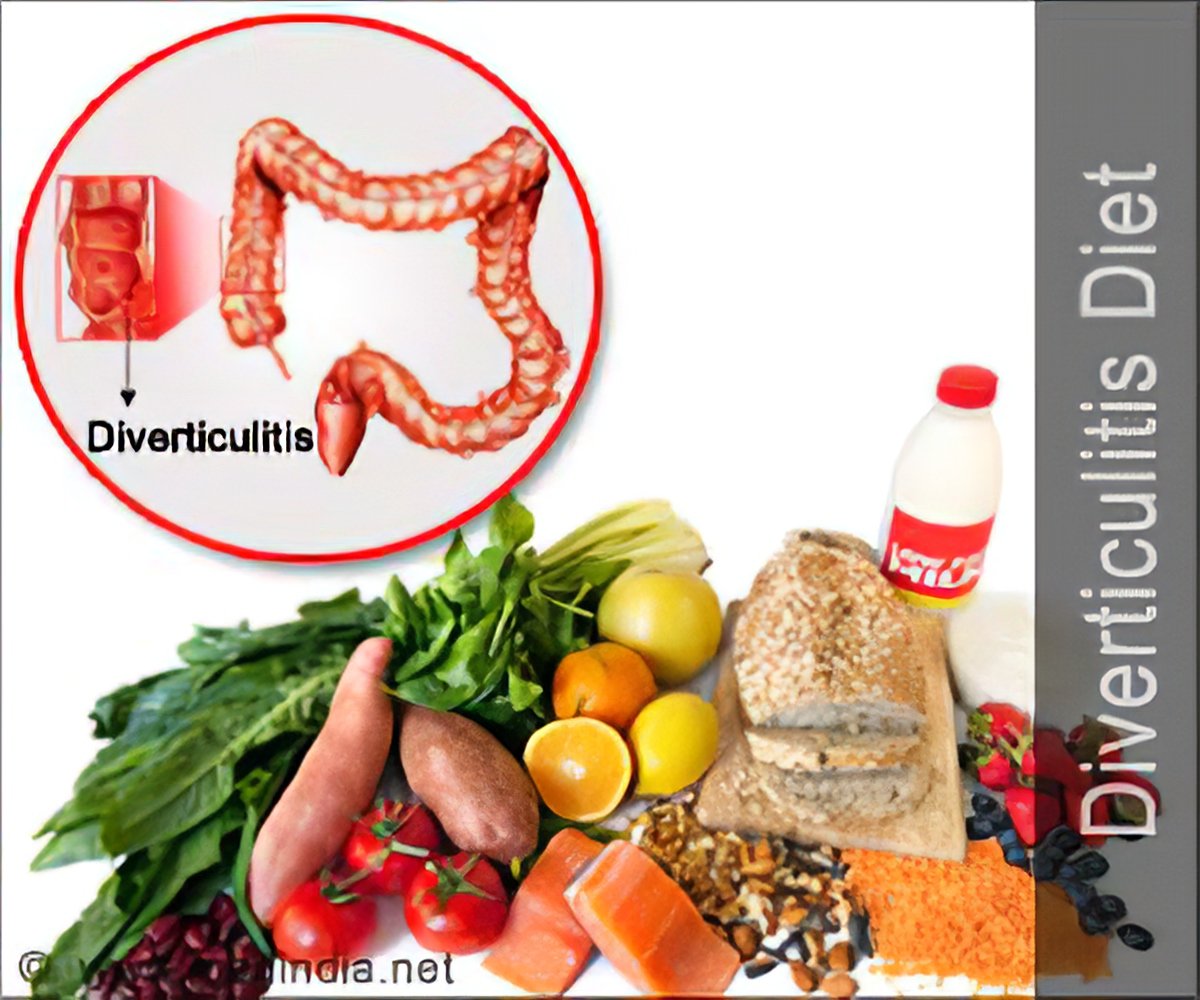
Managing diverticular disease involves adopting a healthy diet that supports gut health and reduces the risk of complications. Here are the key dietary recommendations:
Fiber Intake
Fiber is essential for maintaining bowel regularity and preventing constipation, which is a major risk factor for diverticular disease. Aim for 25-30 grams of fiber daily from a variety of sources, including fruits, vegetables, whole grains, and legumes.
Foods to Include
- Fruits and vegetables:Rich in fiber, vitamins, and antioxidants.
- Whole grains:Good sources of fiber, complex carbohydrates, and essential nutrients.
- Legumes:High in fiber, protein, and iron.
- Nuts and seeds:Provide healthy fats and fiber.
- Lean protein:From sources like fish, poultry, and beans, for essential amino acids.
Foods to Avoid, Diverticular disease diet recipes
- Processed foods:Often low in fiber and high in unhealthy fats and sugars.
- Red meat:High in saturated fat, which can worsen inflammation.
- Dairy products:Some people with diverticular disease experience discomfort from dairy consumption.
- Alcohol and caffeine:Can dehydrate the body and worsen constipation.
- Foods with small seeds or pits:Such as popcorn, berries, and tomatoes, as they can lodge in diverticula and cause inflammation.
Low-Fiber Foods to Avoid
Individuals with diverticular disease should limit their intake of low-fiber foods to prevent flare-ups and promote optimal gut health. These foods can irritate the diverticula, causing discomfort and inflammation.
Here’s a list of low-fiber foods to avoid:
Refined Grains
- White bread
- White rice
- Pasta made from refined flour
These grains have been stripped of their fiber-rich outer layers during processing, leaving them with minimal fiber content.
Processed Meats
- Sausage
- Bacon
- Hot dogs
Processed meats are often high in saturated fat and low in fiber. They can contribute to inflammation and increase the risk of diverticular disease flare-ups.
Dairy Products
- Milk
- Cheese
- Yogurt
While dairy products are good sources of calcium, they are generally low in fiber. Opt for low-fat or non-fat dairy options to minimize the impact on fiber intake.
Eggs
Eggs are a good source of protein but contain no fiber. They should be consumed in moderation.
Peanuts and Peanut Butter
Peanuts and peanut butter are high in fat and low in fiber. They can be difficult to digest and may trigger diverticular symptoms.
Alcohol
Alcohol can irritate the digestive tract and worsen diverticular disease symptoms. It is recommended to limit alcohol intake or avoid it altogether.
High-Fiber Foods to Include: Diverticular Disease Diet Recipes
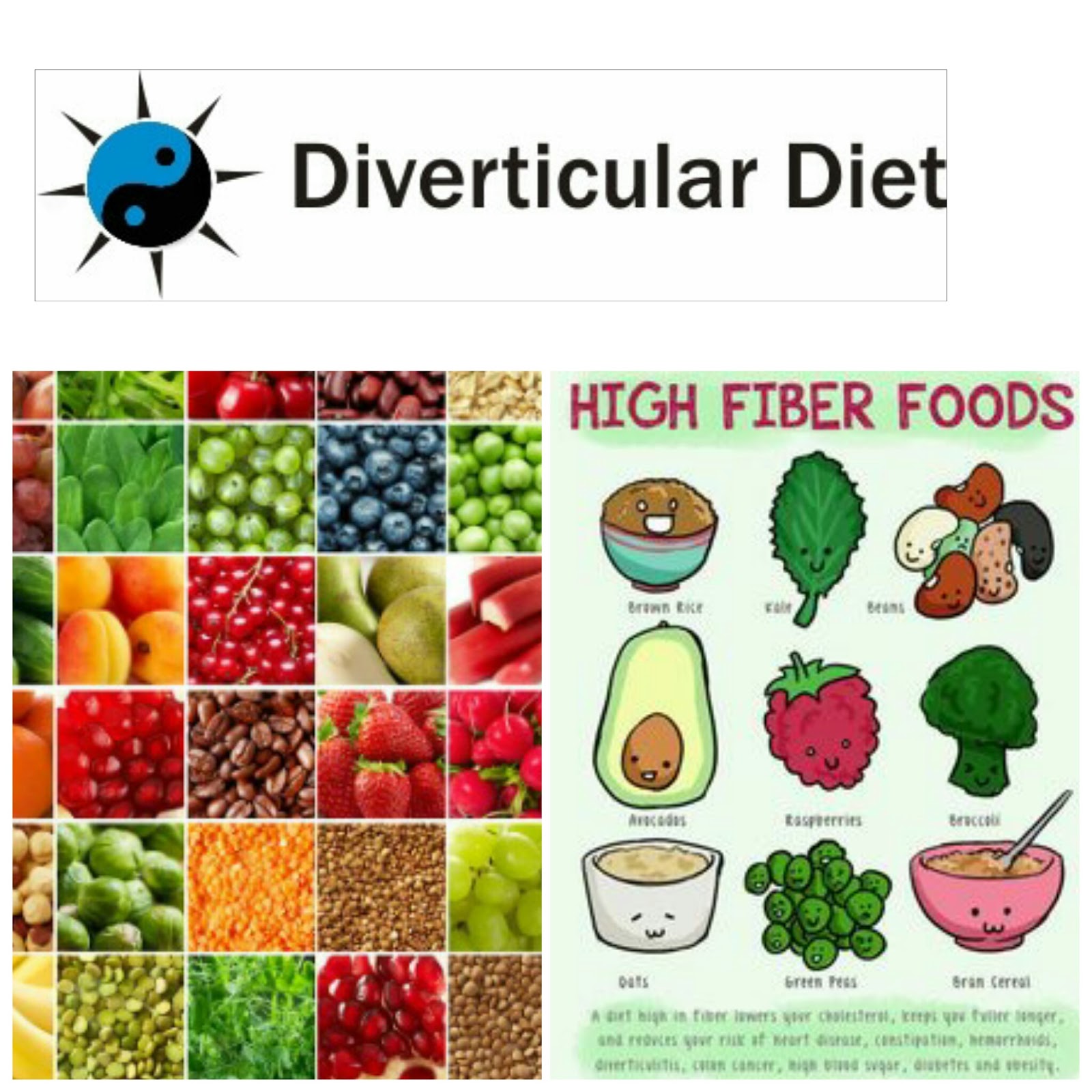
Diverticular disease requires a high-fiber diet to promote regular bowel movements and prevent flare-ups. Incorporating high-fiber foods into your daily meals can provide numerous health benefits, including improved digestion, weight management, and reduced risk of chronic diseases.
- Fruits:Fruits are a great source of soluble and insoluble fiber. Soluble fiber, found in apples, bananas, and oranges, dissolves in water and forms a gel-like substance that helps slow down digestion and regulate blood sugar levels. Insoluble fiber, found in berries, pears, and prunes, adds bulk to stools, promoting regularity and preventing constipation.
Diverticular disease diet recipes can be varied and delicious. One such recipe is the cracked corn dip recipe . It is a flavorful dip made with cracked corn, cheese, and spices. This dip can be enjoyed as an appetizer or snack.
Diverticular disease diet recipes can be restrictive, but this dip offers a satisfying and flavorful option that fits within the guidelines.
- Vegetables:Vegetables are another excellent source of both soluble and insoluble fiber. Cruciferous vegetables like broccoli, cauliflower, and Brussels sprouts are particularly rich in fiber. Other high-fiber vegetables include leafy greens like spinach and kale, carrots, and sweet potatoes.
- Legumes:Legumes, such as beans, lentils, and peas, are a great source of both soluble and insoluble fiber. They are also a good source of protein, making them a filling and nutritious addition to meals.
- Whole grains:Whole grains are a good source of insoluble fiber. They can help promote regularity and prevent constipation. Good sources of whole grains include brown rice, quinoa, oatmeal, and whole-wheat bread.
- Nuts and seeds:Nuts and seeds are a good source of both soluble and insoluble fiber. They are also a good source of healthy fats and protein. Good sources of nuts and seeds include almonds, walnuts, chia seeds, and flax seeds.
Diverticular Disease Diet Recipes
Following a diverticular disease diet involves consuming a high-fiber diet while avoiding certain low-fiber foods that can trigger flare-ups. Here’s a collection of recipes designed specifically for this dietary plan, offering a variety of options for breakfast, lunch, dinner, and snacks.
Breakfast
- Oatmeal with berries and nuts: Oatmeal is a rich source of soluble fiber, which can help soften stools and promote regularity. Berries and nuts add antioxidants and healthy fats.
- Whole-wheat toast with avocado and egg: Whole-wheat toast provides insoluble fiber, while avocado and egg offer additional fiber and protein.
- Yogurt with fruit and granola: Yogurt is a good source of protein and probiotics, which can support gut health. Fruit and granola add fiber and antioxidants.
Lunch
- Grilled chicken salad with mixed greens and quinoa: Grilled chicken provides lean protein, while mixed greens and quinoa offer fiber and essential nutrients.
- Lentil soup: Lentils are an excellent source of both soluble and insoluble fiber. Soup is a convenient and flavorful way to incorporate lentils into your diet.
- Tuna sandwich on whole-wheat bread: Tuna is a low-fat protein source, and whole-wheat bread provides fiber. Avoid adding mayonnaise, as it can be high in fat.
Dinner
- Baked salmon with roasted vegetables: Salmon is rich in omega-3 fatty acids, and roasted vegetables provide a variety of vitamins and fiber.
- Chicken stir-fry with brown rice: Chicken stir-fry offers lean protein and vegetables, while brown rice provides fiber and complex carbohydrates.
- Lentil tacos: Lentils provide fiber and protein, while corn tortillas are a good source of insoluble fiber.
Snacks
- Apple with peanut butter: Apples are a good source of both soluble and insoluble fiber, and peanut butter adds protein and healthy fats.
- Trail mix: Trail mix is a convenient and portable snack that combines nuts, seeds, and dried fruit, all of which offer fiber and other nutrients.
- Banana with almond butter: Bananas are a good source of soluble fiber, and almond butter provides protein and healthy fats.
Meal Planning Tips
Planning meals that adhere to the dietary guidelines for diverticular disease is essential for managing the condition effectively. Here are some practical tips to help you create a balanced and nutritious meal plan:
Prioritize a balanced intake of nutrients, ensuring adequate protein, carbohydrates, and healthy fats. Variety is key to prevent nutrient deficiencies and support overall well-being.
Portion Control
Portion control is crucial for managing diverticular disease. Consuming excessive amounts of food, even if it’s high in fiber, can put strain on the digestive system and exacerbate symptoms.
- Use smaller plates and bowls to control portion sizes.
- Measure or weigh your food to ensure you’re not overeating.
- Pay attention to your hunger cues and stop eating when you’re satisfied.
Variety
Incorporating a variety of foods into your diet is essential for ensuring you’re getting all the nutrients your body needs. This also helps prevent boredom and promotes adherence to the diet.
- Include a wide range of fruits, vegetables, whole grains, and lean protein sources.
- Try different cooking methods, such as grilling, roasting, or steaming, to add flavor and variety to your meals.
- Experiment with different cuisines to discover new and exciting ways to enjoy healthy foods.
Sample Diverticular Disease Diet Menu
A sample menu for a day or a week that adheres to the dietary guidelines for diverticular disease can help you understand the practical application of the diet.
This menu includes a variety of meals and snacks to demonstrate how to incorporate the recommended foods into your daily routine.
Day 1 Menu
- Breakfast:Oatmeal with berries and nuts
- Lunch:Grilled chicken salad with mixed greens, vegetables, and low-fat dressing
- Dinner:Salmon with roasted vegetables and brown rice
- Snacks:Apple with peanut butter, banana with yogurt
Day 2 Menu
- Breakfast:Whole-wheat toast with avocado and eggs
- Lunch:Lentil soup with a side of whole-wheat bread
- Dinner:Vegetarian chili with cornbread
- Snacks:Trail mix, vegetable sticks with hummus
Day 3 Menu
- Breakfast:Smoothie made with fruits, vegetables, and yogurt
- Lunch:Leftover vegetarian chili
- Dinner:Chicken stir-fry with brown rice
- Snacks:Popcorn, fruit salad
Dietary Modifications for Flare-Ups
During a diverticular disease flare-up, it’s crucial to modify your diet to reduce symptoms and promote healing.
Foods to Avoid, Diverticular disease diet recipes
Avoid foods high in insoluble fiber, such as nuts, seeds, popcorn, and raw vegetables. These foods can irritate the inflamed diverticula, leading to increased pain and discomfort.
Importance of Rest
Rest is essential during a flare-up. Avoid strenuous activities that can put pressure on the digestive tract, such as heavy lifting or intense exercise.
Additional Resources and Support

Managing diverticular disease can be challenging, but there are resources available to help you. Support groups and online communities can provide you with emotional support and practical advice from others who have experience with the condition.
The following organizations offer information and support for individuals with diverticular disease:
Support Groups
- Diverticular Disease Support Group (DDSG): https://www.ddsgroup.org/
- International Foundation for Functional Gastrointestinal Disorders (IFFGD): https://www.iffgd.org/
Websites
- National Institute of Diabetes and Digestive and Kidney Diseases (NIDDK): https://www.niddk.nih.gov/health-information/digestive-diseases/diverticular-disease
- Mayo Clinic: https://www.mayoclinic.org/diseases-conditions/diverticular-disease/symptoms-causes/syc-20353853
Outcome Summary
As we bid farewell to this culinary journey, remember that managing diverticular disease through diet is an ongoing process. By embracing the principles Artikeld in this guide, you can create a sustainable eating plan that supports your digestive health and enhances your overall well-being.
Bon appétit and cheers to a healthier, more fulfilling life!