Welcome to the realm of Dryad's Saddle, a culinary treasure that invites you on a gastronomic adventure. This mushroom, adorned with its distinctive fan-shaped structure, holds a unique place in the culinary world, boasting an umami-rich flavor and meaty texture that has captivated chefs and foodies alike. Join us as we delve into the world of Dryad's Saddle, exploring its culinary delights, nutritional value, and foraging secrets.
Recipe and Preparation

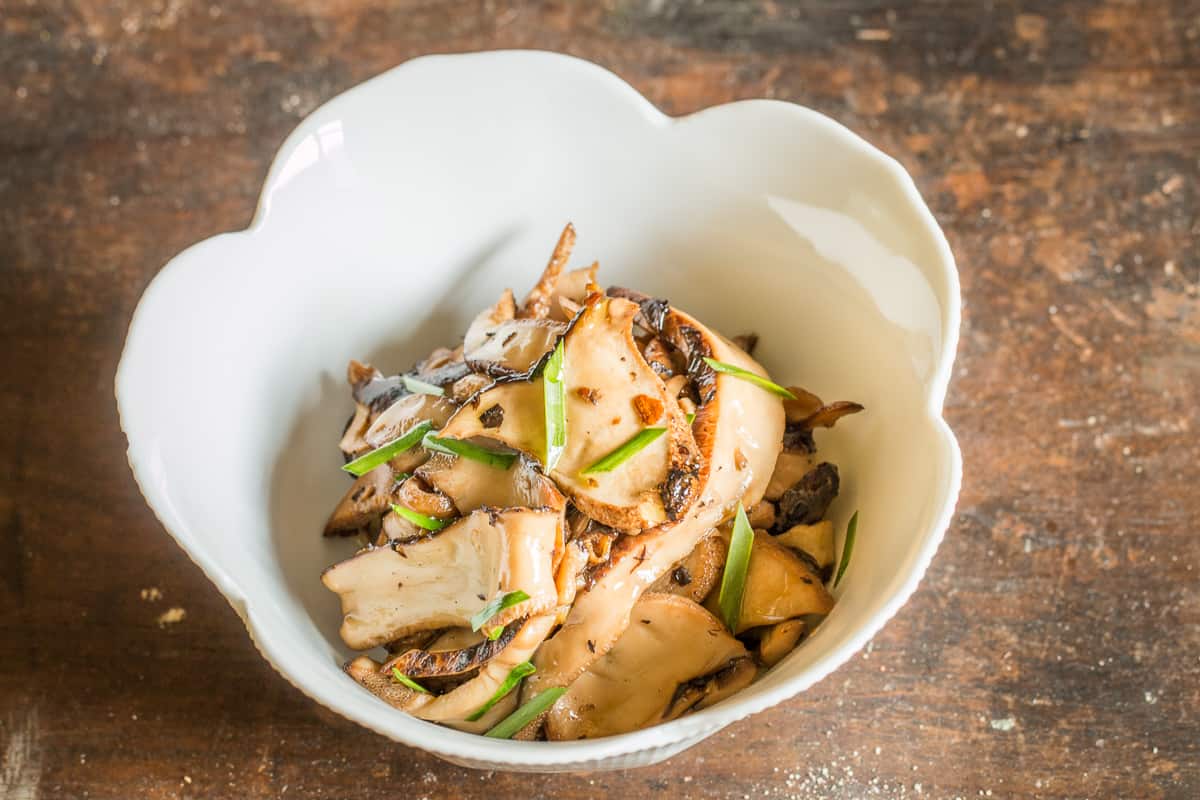
Dryad's Saddle soup is a flavorful and nutritious dish that showcases the unique qualities of this edible mushroom. Here's a detailed recipe and preparation guide:
Ingredients
- 1 pound fresh Dryad's Saddle mushrooms, cleaned and sliced
- 2 tablespoons olive oil
- 1 onion, chopped
- 2 carrots, chopped
- 2 celery stalks, chopped
- 4 cups vegetable broth
- 1 teaspoon dried thyme
- 1/2 teaspoon salt
- 1/4 teaspoon black pepper
- 1/2 cup heavy cream (optional)
Preparation
To prepare Dryad's Saddle for cooking, first remove any tough or woody parts. Slice the mushrooms into thin strips or bite-sized pieces.
Cooking Methods
Dryad's Saddle can be cooked using various methods, including sautéing, grilling, or roasting. For soup, sautéing is a suitable option that allows the mushrooms to release their flavors and absorb the other ingredients.
Culinary Features and Taste Profile

Dryad's Saddle possesses a distinctive flavor and texture that sets it apart from other edible mushrooms. Its flesh is firm and meaty, with a slightly chewy texture that becomes more tender when cooked. The flavor is earthy and nutty, with hints of umami and a subtle sweetness. Some describe its taste as a combination of shiitake and oyster mushrooms, with a unique depth of flavor that makes it a versatile culinary ingredient.
Pairing Suggestions
Dryad's Saddle's rich flavor pairs well with a variety of ingredients. It can be sautéed, roasted, or grilled and added to soups, stews, pasta dishes, and salads. Its meaty texture makes it an excellent substitute for meat in vegetarian and vegan dishes. Additionally, its nutty flavor complements roasted vegetables, grilled meats, and earthy sauces.
Nutritional Value and Health Benefits

Dryad's Saddle is a nutrient-rich mushroom that offers a range of health benefits. It contains a high concentration of dietary fiber, essential amino acids, vitamins, and minerals.
Dietary Fiber
- Rich in both soluble and insoluble fiber, which supports digestive health and promotes regularity.
- May aid in weight management by promoting satiety and reducing calorie intake.
Vitamins and Minerals
- Contains significant amounts of vitamin D, which is crucial for bone health and immune function.
- Rich in B vitamins, including niacin, riboflavin, and thiamine, which support energy production and metabolism.
- Provides potassium, phosphorus, and zinc, essential minerals for overall well-being.
Antioxidant Properties
Dryad's Saddle contains antioxidants that help protect cells from damage caused by free radicals. These antioxidants may reduce the risk of chronic diseases, such as heart disease and cancer.
Medicinal Uses
In traditional medicine, Dryad's Saddle has been used for centuries to treat various ailments, including:
- Digestive issues, such as constipation and indigestion.
- Respiratory problems, including asthma and bronchitis.
- Immune system support.
Foraging and Identification
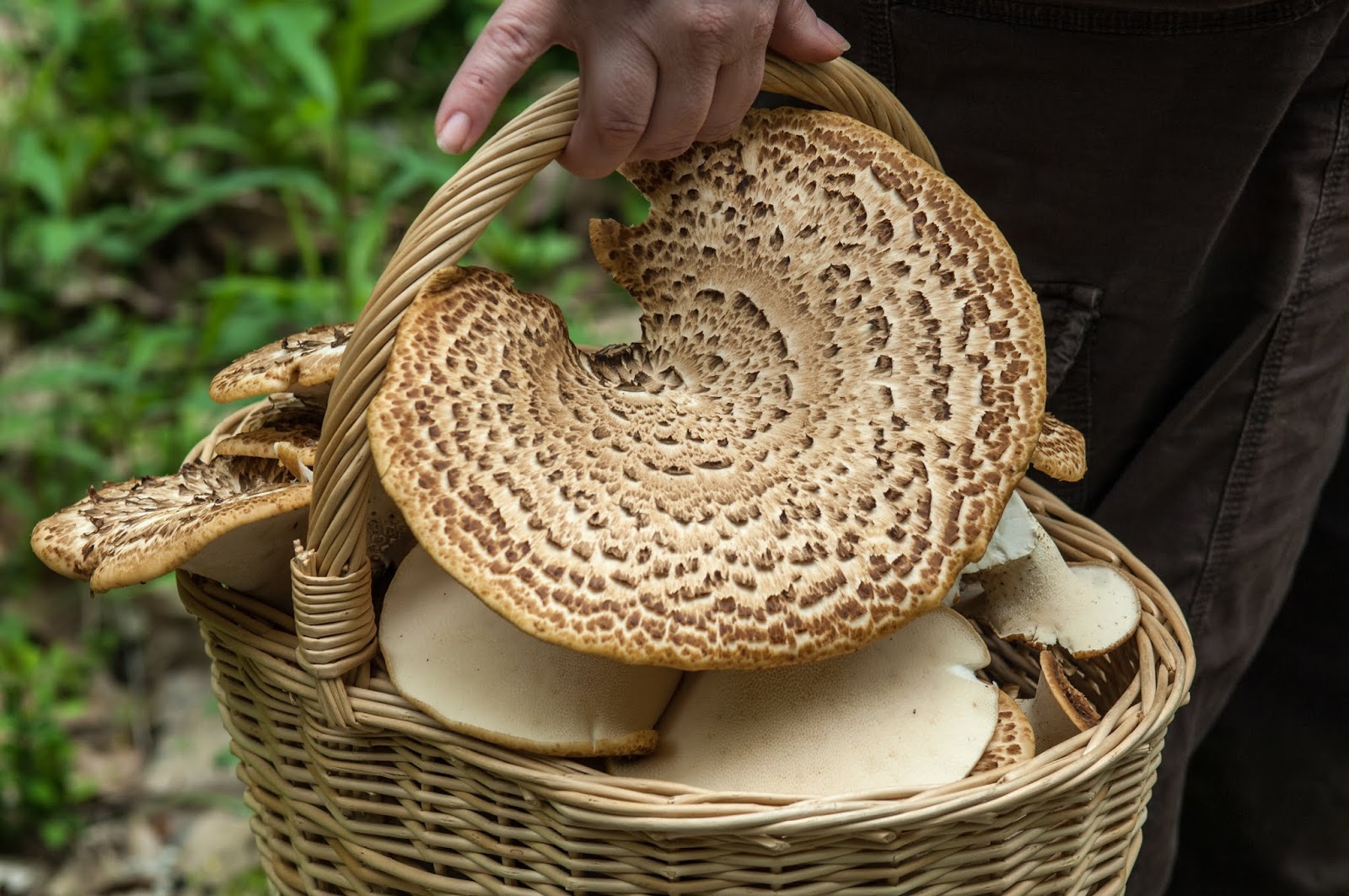
Dryad's Saddle, also known as Polyporus squamosus, is a mushroom that thrives in temperate forests worldwide. It prefers to grow on the base or trunks of deciduous trees, particularly oaks, beech, and maples. These mushrooms are typically found in clusters or individually, fruiting in the fall.
Habitat and Distribution
Dryad's Saddle is a common mushroom in North America, Europe, and Asia. It prefers moist, shady areas in deciduous forests, where it can access the decaying wood of its host trees. The mushroom's distribution is influenced by the presence of suitable host trees, as well as climatic conditions that support its growth.
Identification
Dryad's Saddle is a large mushroom, with caps that can reach up to 12 inches in diameter. The caps are typically fan-shaped or shell-shaped, with a distinctive scaly or velvety texture. The scales are usually concentrically arranged and can vary in color from brown to gray. The underside of the cap features numerous small, white pores that release spores.
The stem of Dryad's Saddle is typically short and thick, and it is often attached to the substrate by a central point. The flesh of the mushroom is white and firm when young, becoming softer and more fibrous with age.
Responsible Foraging Practices
As with all wild mushrooms, it is important to practice responsible foraging when harvesting Dryad's Saddle. Ensure you have the necessary knowledge and experience to identify the mushroom accurately, as there are similar species that may be toxic.
When foraging, only harvest mature mushrooms that are in good condition. Avoid picking mushrooms that show signs of damage or decay. It is also essential to respect the environment by not disturbing the surrounding vegetation or damaging the host trees.
Conclusion

As we bid farewell to our exploration of Dryad's Saddle, let us remember the culinary versatility and nutritional richness that this forest delicacy offers. Whether enjoyed in a savory soup, grilled to perfection, or incorporated into a delectable sauce, Dryad's Saddle promises a culinary experience that will tantalize your taste buds and nourish your body. So, venture into the woods, embrace responsible foraging practices, and let the Dryad's Saddle guide you on a culinary journey like no other.
Clarifying Questions
What is the best way to prepare Dryad's Saddle?
Dryad's Saddle can be prepared in various ways, including sautéing, grilling, roasting, and incorporating it into soups and stews.
How do I identify Dryad's Saddle in the wild?
Dryad's Saddle is characterized by its fan-shaped appearance, with a velvety brown cap and white pores on the underside. It typically grows on oak trees.
What are the nutritional benefits of Dryad's Saddle?
Dryad's Saddle is a good source of dietary fiber, protein, and antioxidants, and has been traditionally used for its potential medicinal properties.
.gallery-container {
display: flex;
flex-wrap: wrap;
gap: 10px;
justify-content: center;
}
.gallery-item {
flex: 0 1 calc(33.33% - 10px); /* Fleksibilitas untuk setiap item galeri */
overflow: hidden; /* Pastikan gambar tidak melebihi batas kotak */
position: relative;
margin-bottom: 20px; /* Margin bawah untuk deskripsi */
}
.gallery-item img {
width: 100%;
height: 200px;
object-fit: cover; /* Gambar akan menutupi area sepenuhnya */
object-position: center; /* Pusatkan gambar */
}
.image-description {
text-align: center; /* Rata tengah deskripsi */
}
@media (max-width: 768px) {
.gallery-item {
flex: 1 1 100%; /* Full width di layar lebih kecil dari 768px */
}
}


