Embark on a culinary adventure with fermented habanero hot sauce recipes, a delectable blend of heat, flavor, and tradition. From its humble origins to its vibrant presence in global cuisines, fermented habanero hot sauce has captured the hearts and palates of spice enthusiasts worldwide.
Prepare to delve into the art of fermentation, exploring the ingredients, techniques, and flavor profiles that make this condiment a culinary masterpiece. Discover the secrets of creating your own unique hot sauce, infused with the fiery essence of habanero peppers and the transformative power of fermentation.
Introduction
Fermented habanero hot sauce is a culinary delight that tantalizes taste buds and adds a fiery kick to any dish. It is a fermented condiment crafted from habanero peppers, a scorching variety known for its intense heat and fruity undertones.The
origins of fermented hot sauces trace back to ancient civilizations, particularly in Central and South America, where they were an integral part of indigenous diets. These sauces not only added flavor but also served as natural preservatives, enhancing the shelf life of food in the absence of refrigeration.
Origins and Cultural Impact
Fermented hot sauces have left an indelible mark on global cuisine, transcending cultural boundaries and becoming a beloved staple in various culinary traditions. In Mexico, they are revered as an essential ingredient in salsas, marinades, and sauces, adding depth and heat to dishes.In
the Caribbean, fermented hot sauces are a ubiquitous condiment, accompanying street food, grilled meats, and seafood. Their fiery presence has also ignited the palates of adventurous eaters worldwide, inspiring countless hot sauce enthusiasts and fueling a vibrant industry dedicated to crafting these tantalizing concoctions.
Ingredients and Materials

Crafting a delectable fermented habanero hot sauce requires a thoughtful selection of ingredients and materials. Essential elements include:
1. Fresh Habanero Peppers:Select ripe, unblemished habaneros for optimal flavor and heat. Wash and remove the stems, then wear gloves to handle the peppers as they contain capsaicin, a potent compound that can cause skin irritation.
2. Starter Culture:Starter cultures, such as lactic acid bacteria or yeast, play a crucial role in the fermentation process. They convert sugars into lactic acid, preserving the sauce and imparting a tangy flavor.
3. Brine:A brine solution, typically composed of water and salt, creates an environment conducive to fermentation. The salt concentration inhibits spoilage-causing bacteria while encouraging the growth of beneficial microorganisms.
4. Glass Jars:Choose clean, sterilized glass jars with airtight lids for storing the fermented hot sauce. Avoid using metal containers, as they can react with the acids in the sauce.
Fermentation Equipment
- Food-grade plastic bucket or crock for primary fermentation
- Airlock or fermentation lid to release carbon dioxide while preventing oxygen exposure
- pH meter (optional) to monitor acidity levels during fermentation
Fermentation Process
Fermentation is a natural process that converts sugars into acids, gases, or alcohol. It’s caused by microorganisms like bacteria or yeast, which feed on the sugars and produce these byproducts.
Fermentation occurs in three main stages:
- Initial stage:Microorganisms begin to grow and multiply, consuming sugars and producing lactic acid and other acids.
- Active stage:Lactic acid bacteria dominate, producing more lactic acid and lowering the pH of the mixture. This inhibits the growth of harmful bacteria.
- Maturation stage:The fermentation process slows down as the pH drops and the microorganisms become less active. The flavors and aromas of the fermented product develop over time.
Fermenting Habanero Hot Sauce
To ferment habanero hot sauce, follow these steps:
- Prepare the habaneros:Wash and remove the stems from the habaneros. Chop them into small pieces.
- Make the brine:In a large bowl, dissolve 1 tablespoon of sea salt in 1 cup of filtered water. Add the habaneros to the brine and stir to combine.
- Transfer to a fermentation vessel:Transfer the brine and habaneros to a clean glass jar or fermentation crock. Leave about 1 inch of headspace at the top.
- Weigh down the habaneros:Place a weight on top of the habaneros to keep them submerged in the brine. This will prevent mold growth.
- Cover and ferment:Cover the jar with a lid or cheesecloth and secure it with a rubber band. Ferment the hot sauce at room temperature for 2-4 weeks, depending on the desired level of fermentation.
Equipment and Techniques
Proper equipment and techniques are crucial for successful fermentation. Choosing the right containers, sterilizing equipment, and monitoring fermentation progress with pH meters ensures a safe and effective fermentation process.
Fermentation Containers
Various containers can be used for fermentation, including glass jars, ceramic crocks, and food-grade plastic containers. Glass jars are popular due to their transparency, allowing easy monitoring of the fermentation process. Ceramic crocks are also suitable, but they can be heavier and more challenging to clean.
Food-grade plastic containers are lightweight and affordable, but they may not be as durable as glass or ceramic.
Sterilizing Equipment
Sterilizing all equipment before use is essential to prevent contamination. This includes jars, lids, weights, and any other tools that will come into contact with the fermenting ingredients. Sterilization can be achieved by boiling the equipment in water for 10-15 minutes or using a bleach solution (1 tablespoon of bleach per gallon of water).
After sterilization, rinse the equipment thoroughly with clean water.
pH Meters
pH meters are valuable tools for monitoring the pH level of the fermenting mash. pH levels below 4.5 inhibit the growth of harmful bacteria, making it an important parameter to monitor during fermentation. pH meters provide accurate readings, allowing you to adjust the pH level if necessary by adding acid or base.
Flavor Profiles and Variations
Fermented habanero hot sauce possesses a distinctive flavor profile that sets it apart from its unfermented counterparts. The fermentation process introduces a complex array of flavors, including sour, tangy, and slightly sweet notes. These flavors are complemented by the inherent heat of the habanero peppers, creating a harmonious balance of spice and acidity.
To create different flavor variations, experiment with adding herbs, spices, and other ingredients during the fermentation process. For instance, incorporating garlic and onion can enhance the savory notes, while adding citrus zest or fruit juices can introduce a refreshing sweetness.
Additionally, using different types of peppers, such as cayenne or jalapeños, can alter the heat level and flavor profile.
Herbs and Spices, Fermented habanero hot sauce recipes
Herbs and spices play a vital role in enhancing the flavor of fermented habanero hot sauce. Consider using:
- Cumin: Adds an earthy, nutty flavor
- Oregano: Imparts a slightly bitter, herbaceous taste
- Thyme: Contributes a delicate, minty aroma
- Paprika: Provides a subtle sweetness and vibrant color
- Bay leaves: Offer a warm, aromatic complexity
Other Ingredients
Beyond herbs and spices, various other ingredients can also be added to create unique flavor variations:
- Fruit juices: Orange, lemon, or lime juice can add a burst of freshness and sweetness
- Vinegar: Introduces a tangy acidity
- Honey: Provides a natural sweetener and enhances the fermentation process
- Mustard seeds: Impart a subtle pungency and depth of flavor
- Carrots: Add a slightly sweet and earthy flavor
Aging and Maturation: Fermented Habanero Hot Sauce Recipes
Aging fermented hot sauces is a crucial step that enhances their flavor and heat intensity. During this process, the microorganisms responsible for fermentation continue to break down the sugars and starches in the peppers, producing complex flavors and a mellower heat profile.
Experimenting with fermented habanero hot sauce recipes is a great way to add some heat to your culinary creations. For a comforting side dish to pair with your spicy sauce, consider trying out a twice baked potato mashed recipe ( twice baked potato mashed recipe ). This indulgent dish features creamy mashed potatoes topped with a crispy cheese crust, making it the perfect accompaniment to your fermented habanero hot sauce recipes.
Optimal Aging Conditions
- Temperature:Ideal aging temperatures range from 65-75°F (18-24°C). Higher temperatures can accelerate fermentation and produce a more acidic sauce, while lower temperatures slow down the process.
- Time:Aging time varies depending on the desired flavor and heat level. Sauces can be aged for a few weeks to several months, with longer aging periods resulting in more intense flavors and a milder heat.
- Oxygen Exposure:Limiting oxygen exposure during aging helps prevent spoilage and preserve the sauce’s freshness. Store sauces in airtight containers or under a layer of oil to minimize oxidation.
Impact of Aging
- Flavor Development:Aging allows flavors to mellow and deepen, creating a more complex and nuanced sauce. Esters and other compounds responsible for fruity and floral notes develop over time, enhancing the sauce’s aroma and taste.
- Heat Reduction:As the microorganisms consume the capsaicinoids responsible for heat, the sauce’s heat intensity gradually decreases. This process is more pronounced during extended aging periods, making aged hot sauces more palatable for those sensitive to heat.
Troubleshooting and Safety
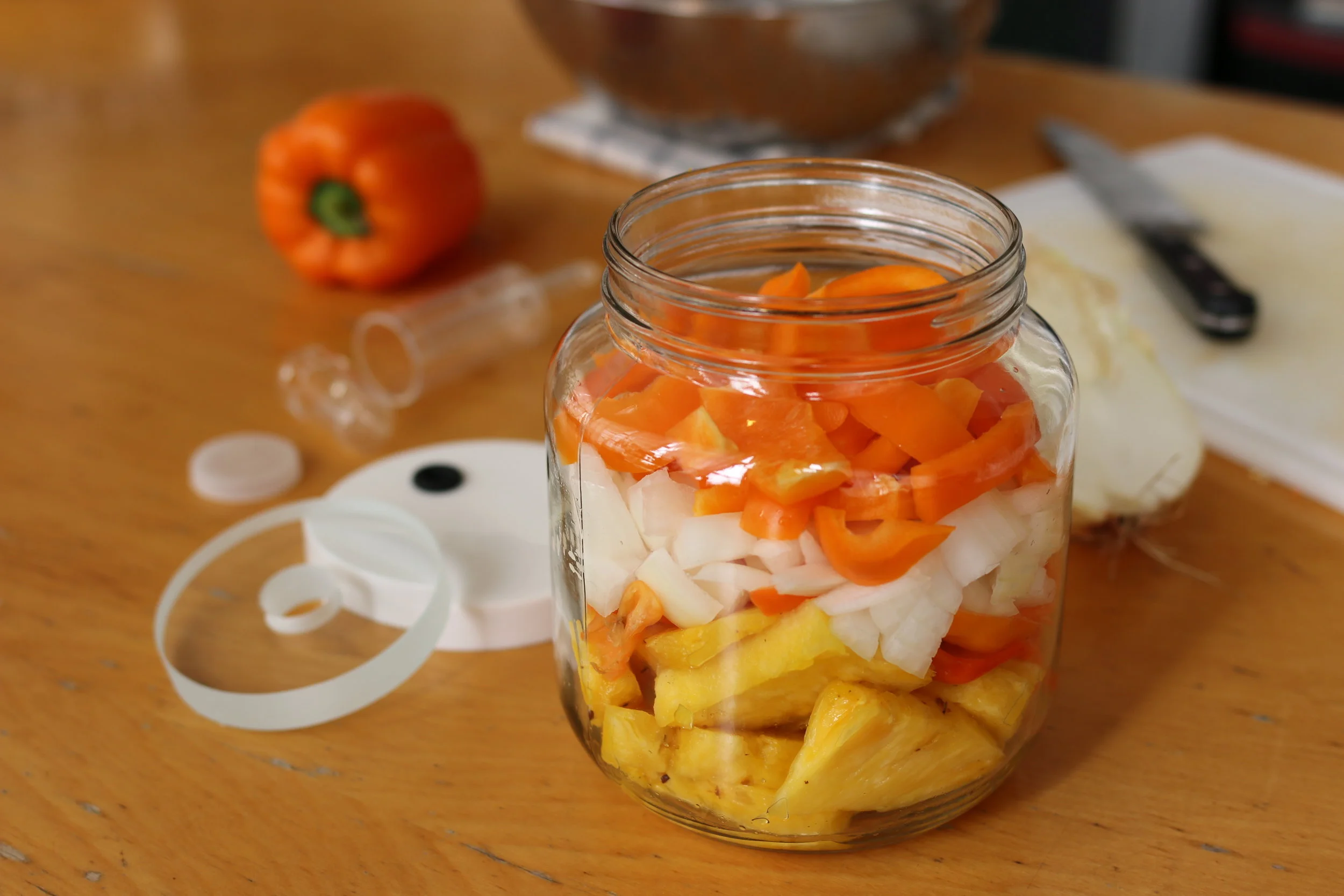
Fermenting habanero hot sauce is a relatively straightforward process, but like any food preservation method, it can come with its own set of challenges. Understanding potential issues and implementing proper safety measures are crucial to ensure a successful and safe fermentation.
Common Problems and Solutions
- Mold Growth:Mold can form on the surface of the ferment if it is exposed to air or if the pH is too high. To prevent mold, keep the ferment submerged in brine and ensure the pH is below 4.5. If mold does appear, discard the ferment.
- Unpleasant Odor:An unpleasant odor can indicate that the ferment has spoiled. This can be caused by contamination with bacteria or yeast, or by improper storage. Discard any ferment that has an off-putting odor.
- Lack of Fermentation:If the ferment does not show signs of activity (e.g., bubbling, carbonation), it may not be fermenting properly. Ensure that the temperature is within the optimal range (70-80°F) and that the salt concentration is correct (3-5%).
Safety Precautions
- Proper Storage:Store fermented habanero hot sauce in a cool, dark place. Refrigeration will slow down the fermentation process and extend the shelf life.
- Avoid Cross-Contamination:Use clean equipment and utensils when handling fermented hot sauce to prevent cross-contamination with harmful bacteria.
- Wash Hands:Always wash your hands thoroughly before handling fermented hot sauce to minimize the risk of introducing harmful bacteria.
Importance of Proper Handling
Proper storage and handling of fermented habanero hot sauce are essential to prevent foodborne illnesses. The acidic environment created during fermentation inhibits the growth of most harmful bacteria, but it is still important to take precautions to ensure the safety of your fermented product.
Health Benefits and Culinary Applications
Fermented habanero hot sauce offers not only culinary delights but also potential health benefits. The fermentation process enhances the nutritional profile of the sauce, making it a rich source of probiotics, beneficial bacteria that support gut health and overall well-being.
Incorporating fermented habanero hot sauce into your diet can contribute to a healthier digestive system, reducing inflammation and improving nutrient absorption. Additionally, the capsaicin present in habaneros has been linked to pain relief, reduced cholesterol levels, and anti-inflammatory properties.
Culinary Applications
Fermented habanero hot sauce is a versatile culinary ingredient that adds a spicy kick to a wide range of dishes. Its unique flavor profile complements both savory and sweet dishes, making it an excellent addition to:
- Tacos and burritos
- Pizzas and pasta
- Soups and stews
- Sandwiches and wraps
- Marinades and glazes
- Dipping sauces and condiments
For a delightful culinary experience, try incorporating fermented habanero hot sauce into the following recipes:
- Spicy Habanero Chicken Wings:Toss chicken wings in a mixture of fermented habanero hot sauce, honey, and spices for a fiery appetizer.
- Habanero Salsa:Combine fermented habanero hot sauce, tomatoes, onions, cilantro, and lime juice for a tangy and flavorful salsa.
- Habanero Mango Smoothie:Blend fermented habanero hot sauce, mango, yogurt, and honey for a refreshing and spicy smoothie.
Conclusion
To conclude, fermented habanero hot sauce offers a versatile and flavorful addition to any culinary repertoire. Whether you’re a seasoned sauce enthusiast or a novice looking to experiment with fermentation, this guide has provided you with the knowledge and techniques to create your own unique concoctions.
From the diverse flavor profiles to the potential health benefits, fermented habanero hot sauce is a culinary treasure waiting to be explored. So don’t hesitate to experiment with different recipes and techniques, and let your taste buds embark on a fiery and flavorful adventure.
Final Wrap-Up
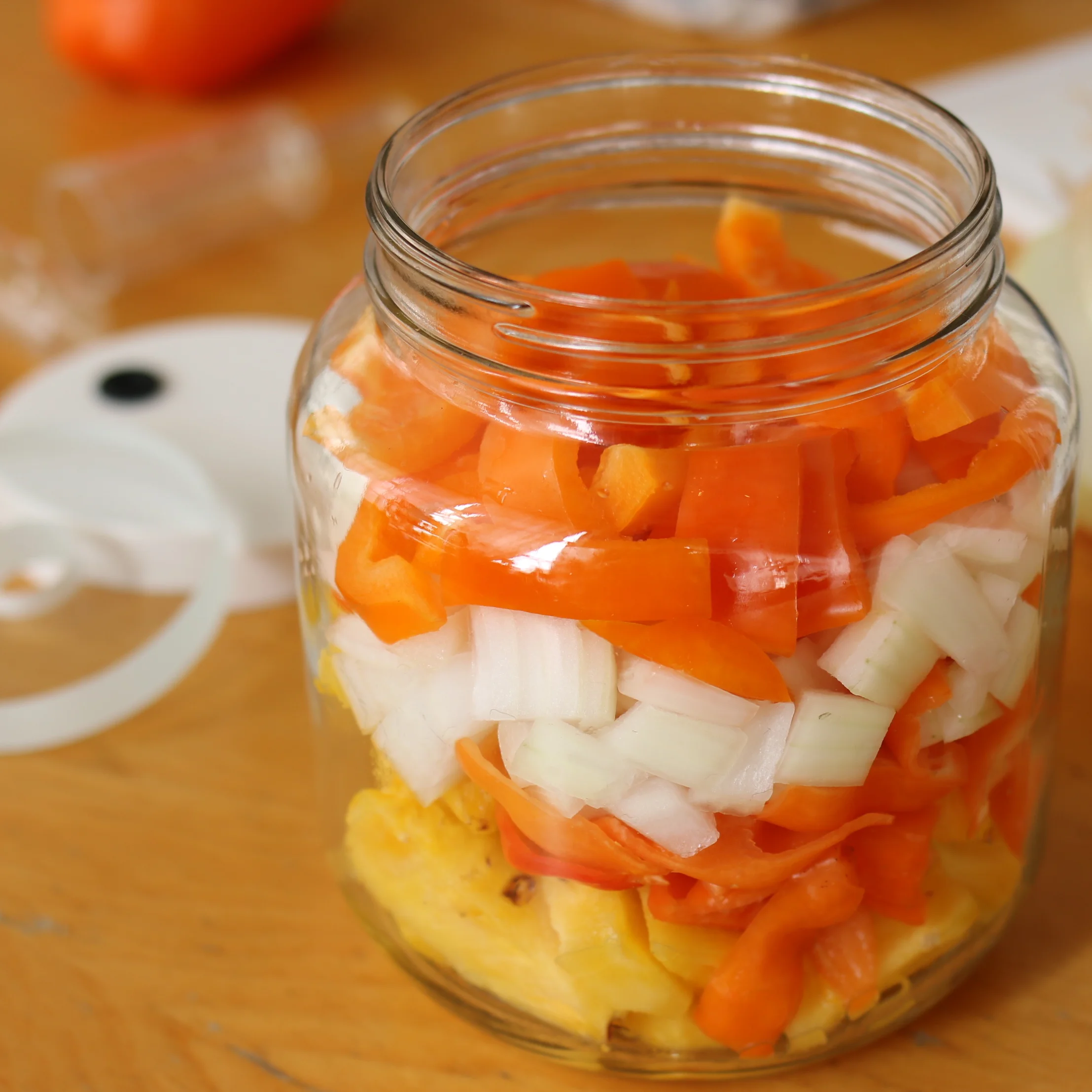
As you embark on your culinary journey, remember that the possibilities are endless. Experiment with different flavor combinations, aging techniques, and applications to create a hot sauce that truly reflects your taste. Whether you’re a seasoned chef or a home cook seeking to spice up your meals, fermented habanero hot sauce recipes offer a world of culinary exploration and fiery delight.