Prepare to embark on a culinary adventure as we delve into the tantalizing world of Fish Ball Recipe Sauce. This essential condiment elevates ordinary fish balls to extraordinary culinary delights, adding layers of flavor and texture that will captivate your taste buds.
Join us as we explore the secrets behind creating the perfect Fish Ball Recipe Sauce. From ingredient selection to preparation techniques and delectable variations, we’ll guide you through every step to ensure your sauce is a symphony of flavors that will leave a lasting impression on your palate.
Ingredients for Fish Ball Sauce

Fish ball sauce is a flavorful condiment that complements the taste of fish balls. It is typically made with a combination of ingredients that contribute to its unique flavor and texture.
Common Ingredients
- Sweet Chili Sauce: This is the base of the sauce, providing sweetness and a hint of spiciness.
- Hoisin Sauce: Adds a savory and slightly fermented flavor to the sauce.
- Soy Sauce: Enhances the umami flavor and adds a salty note.
- Sesame Oil: Provides a nutty aroma and flavor, as well as a glossy texture.
- Rice Vinegar: Balances the sweetness of the sauce with a touch of acidity.
- Garlic and Ginger: Adds depth of flavor and a hint of heat.
- Cornstarch: Thickens the sauce, giving it a smooth and velvety texture.
Impact on Flavor and Texture
The combination of these ingredients creates a harmonious balance of flavors and textures. The sweet chili sauce provides the base sweetness, while the hoisin sauce adds a savory and fermented depth. The soy sauce enhances the umami flavor, and the sesame oil adds a nutty aroma and glossy texture. The rice vinegar balances the sweetness with a touch of acidity, and the garlic and ginger provide a subtle heat and depth of flavor. Finally, the cornstarch thickens the sauce, giving it a smooth and velvety texture.
Methods for Preparing Fish Ball Sauce
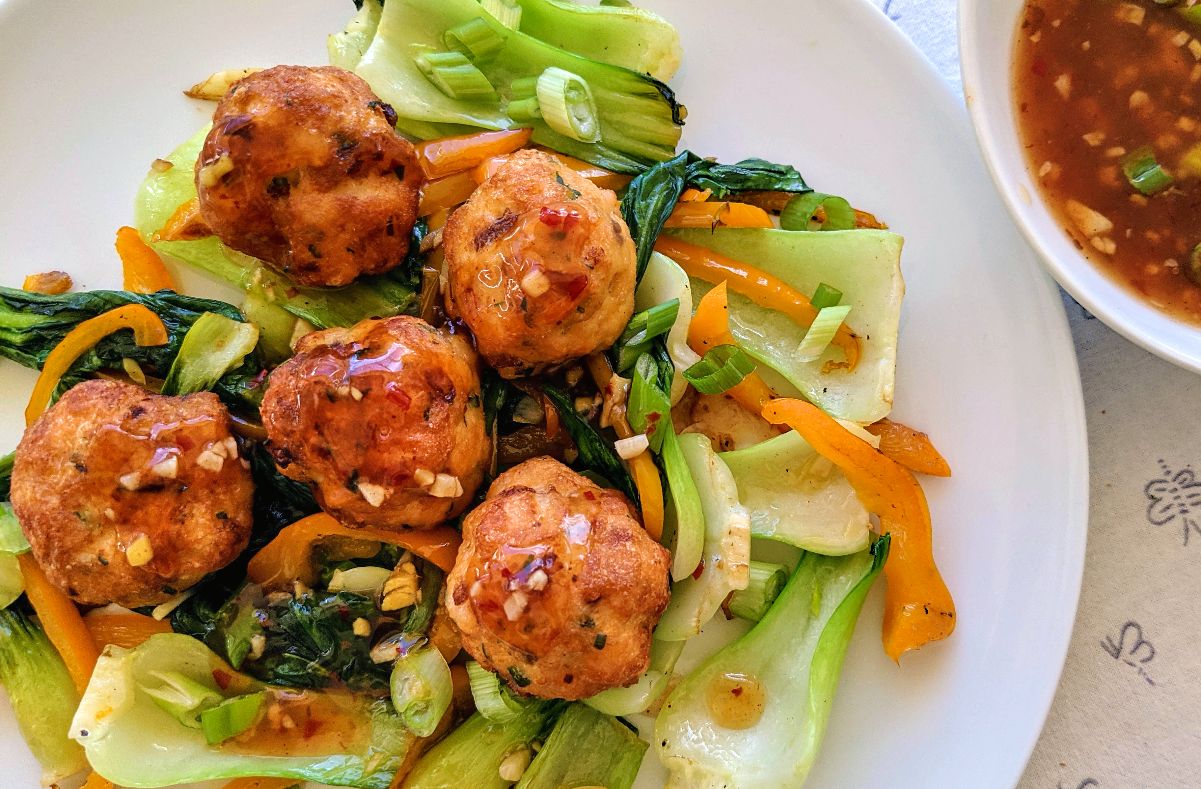
Preparing fish ball sauce involves various methods, each with its advantages and disadvantages. These methods include simmering, stir-frying, and blending.
Simmering is a gentle cooking method that involves slowly heating the sauce over low heat for an extended period. This method allows the flavors to develop gradually, resulting in a rich and flavorful sauce. However, simmering can be time-consuming, especially for larger batches of sauce.
Stir-frying is a quick and efficient method that involves cooking the sauce over high heat while constantly stirring. This method is ideal for making small batches of sauce and allows for quick flavor development. However, stir-frying can require constant attention to prevent burning.
Blending is a convenient method that involves using a blender to combine the sauce ingredients. This method is quick and easy, but it may not provide the same depth of flavor as simmering or stir-frying.
Basic Fish Ball Sauce Recipe Using Simmering Method
- In a saucepan, combine the following ingredients: soy sauce, fish sauce, sugar, water, and cornstarch.
- Bring the mixture to a boil over medium heat, stirring constantly.
- Reduce heat to low and simmer for 5-10 minutes, or until the sauce has thickened.
- Remove from heat and let cool slightly before serving.
Variations of Fish Ball Sauce

Fish ball sauce is a versatile condiment that can be customized to suit different tastes and preferences. Here are a few variations of fish ball sauce that you can try:
Spicy Fish Ball Sauce
To make a spicy fish ball sauce, simply add some chili peppers or chili flakes to the basic recipe. You can also add other spices, such as cumin, coriander, or paprika, to create a more complex flavor.
Sweet Fish Ball Sauce
For a sweeter fish ball sauce, add some sugar or honey to the basic recipe. You can also add some fruit, such as pineapple or mango, to create a more tropical flavor.
Sour Fish Ball Sauce
To make a sour fish ball sauce, add some vinegar or lemon juice to the basic recipe. You can also add some other sour ingredients, such as tamarind or rhubarb, to create a more complex flavor.
Regional Variations of Fish Ball Sauce
Fish ball sauce varies from region to region. In some regions, it is made with a tomato base, while in others it is made with a soy sauce base. Some regional variations of fish ball sauce include:
- Thai fish ball sauce: This sauce is made with a tomato base and is typically flavored with chili peppers, garlic, and lemongrass.
- Vietnamese fish ball sauce: This sauce is made with a soy sauce base and is typically flavored with garlic, ginger, and chili peppers.
- Malaysian fish ball sauce: This sauce is made with a combination of tomato and soy sauce and is typically flavored with chili peppers, garlic, and tamarind.
Fusion Styles of Fish Ball Sauce
In recent years, there have been a number of fusion styles of fish ball sauce that have emerged. These sauces combine elements from different regional cuisines to create new and innovative flavors. Some examples of fusion fish ball sauces include:
- Thai-Vietnamese fish ball sauce: This sauce combines elements from both Thai and Vietnamese fish ball sauces. It is made with a tomato base and is flavored with chili peppers, garlic, lemongrass, and ginger.
- Malaysian-Indonesian fish ball sauce: This sauce combines elements from both Malaysian and Indonesian fish ball sauces. It is made with a combination of tomato and soy sauce and is flavored with chili peppers, garlic, tamarind, and shrimp paste.
Accompaniments for Fish Ball Sauce

Fish ball sauce, with its savory and slightly spicy flavors, pairs well with a variety of accompaniments. These accompaniments enhance the overall taste experience and create a balanced and flavorful dish.
One of the most popular accompaniments for fish ball sauce is rice noodles. The soft and chewy texture of the noodles complements the crispy exterior and tender interior of the fish balls. The sauce’s flavors are absorbed by the noodles, creating a harmonious blend of tastes and textures.
Vegetables
Vegetables are another great accompaniment to fish ball sauce. They add a refreshing and healthy element to the dish. Some popular vegetable choices include boiled cabbage, carrots, and long beans. These vegetables can be blanched or stir-fried to retain their crispness and vibrant colors.
Fried Shallots
Fried shallots are a crispy and flavorful topping that adds an extra layer of texture and aroma to fish ball sauce. The shallots are sliced thinly and fried until golden brown, giving them a slightly sweet and savory flavor. They can be sprinkled over the fish balls and noodles, adding a crunchy contrast to the soft and chewy textures.
Sambal
For those who enjoy a bit of heat, sambal is an excellent accompaniment to fish ball sauce. Sambal is a spicy chili paste made from a variety of chilies, garlic, and other spices. It adds a fiery kick to the sauce, balancing out the savory and slightly sweet flavors.
Final Summary
As you master the art of crafting Fish Ball Recipe Sauce, you’ll discover its versatility and endless possibilities. Whether you prefer a fiery kick, a sweet embrace, or a tangy zest, the variations are limitless. Experiment with different ingredients and techniques to create your own signature sauce that will become a cherished staple in your kitchen.
So gather your ingredients, ignite your culinary passion, and let’s embark on a journey to create Fish Ball Recipe Sauces that will tantalize your taste buds and leave you craving more.
Detailed FAQs
What is the key ingredient that gives Fish Ball Recipe Sauce its distinctive flavor?
The combination of soy sauce, oyster sauce, and sesame oil creates the characteristic savory and umami-rich flavor profile.
Can I use other types of fish balls in this recipe?
Yes, you can use any type of fish balls, such as cod, pollock, or shrimp balls.
How can I adjust the spiciness of the sauce?
Add more or less chili peppers to the recipe, depending on your desired level of heat.