Embark on a culinary journey with our comprehensive full sour pickle recipe. From selecting the perfect ingredients to mastering the art of fermentation, this guide will empower you to create mouthwatering pickles that will tantalize your taste buds and elevate your culinary creations.
Ingredients
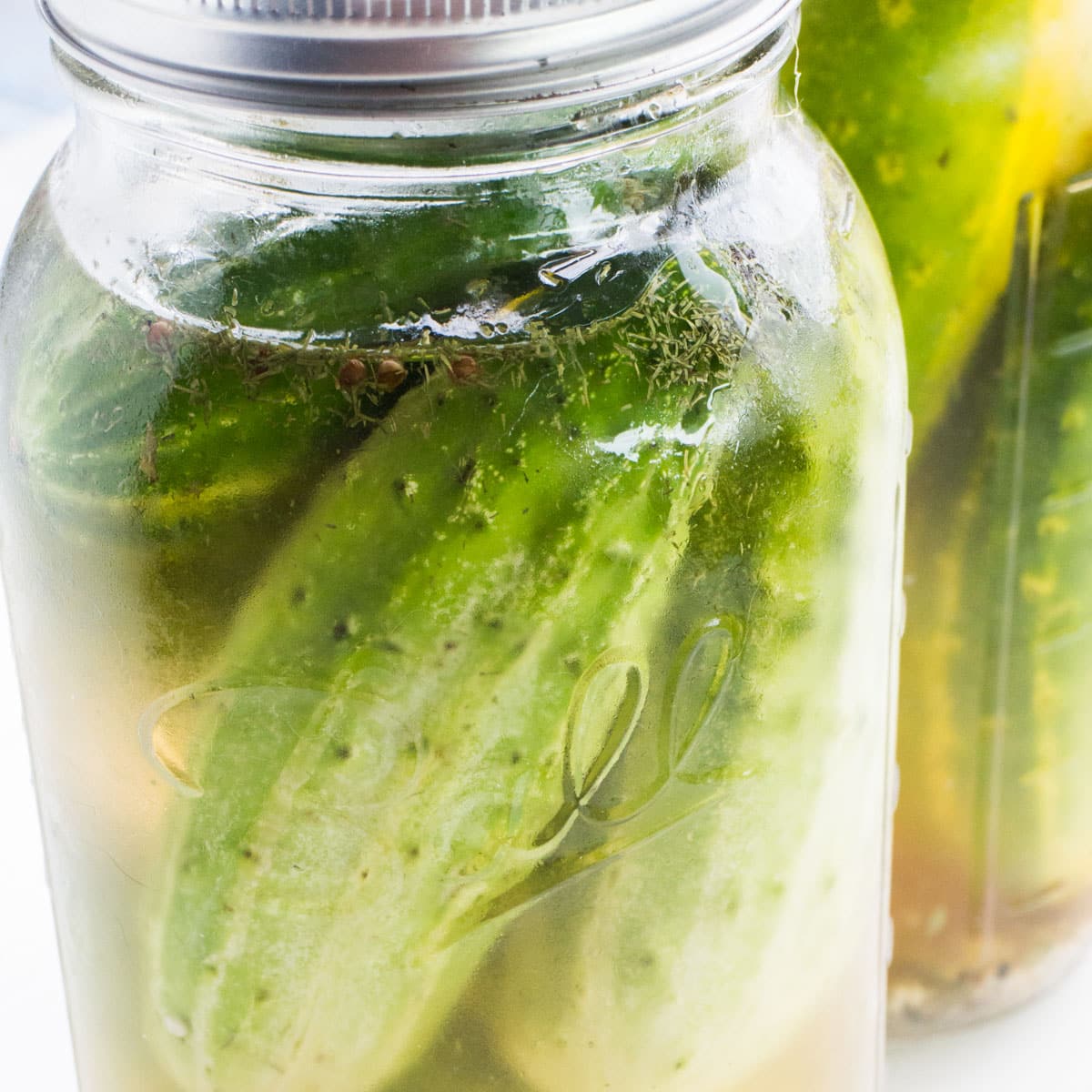
Preparing full sour pickles requires a specific set of ingredients, each contributing to the unique flavor and preservation of the pickles.
These ingredients can be categorized into the following groups:
Vegetables
- Cucumbers: The primary vegetable used in full sour pickles, providing the base for the fermentation process.
- Onions: Sliced onions add a subtle sweetness and crunch to the pickles.
- Garlic: Minced garlic imparts a pungent flavor that complements the sourness of the pickles.
Spices
- Mustard seeds: Whole mustard seeds add a subtle heat and enhance the preservation of the pickles.
- Celery seeds: Ground celery seeds provide a distinctive earthy flavor.
- Dill seeds: Dried dill seeds add a herbaceous aroma and flavor.
- Bay leaves: Whole bay leaves contribute a warm, slightly bitter note to the pickles.
- Black peppercorns: Whole black peppercorns add a touch of spiciness and complexity.
Liquids
- Water: The primary liquid used to create the brine for the pickles.
- Vinegar: White vinegar or apple cider vinegar is added to the brine to provide acidity and prevent spoilage.
- Salt: Coarse salt is used to create a brine that draws moisture from the cucumbers and helps preserve them.
Equipment
Embarking on the delectable adventure of crafting full sour pickles necessitates an array of indispensable tools. These culinary companions will guide you through each stage of the process, ensuring precision and efficiency.
Among the essential equipment, a large glass jar or crock emerges as the centerpiece. Its ample capacity accommodates the pickles and brine, allowing ample space for fermentation and flavor development. A tight-fitting lid or weight ensures an airtight seal, preventing contamination and preserving the integrity of the pickles.
Sterilization Tools
To ensure a pristine environment for your pickles, sterilization is paramount. A large pot, dedicated solely to sterilization purposes, provides a convenient vessel for boiling water. Tongs or a spider facilitate the safe handling of jars and lids, minimizing the risk of contamination.
Preparation
Preparing full sour pickles involves several steps, each essential for achieving the desired flavor and texture. Let’s explore the process in detail.
After enjoying the delectable full sour pickle recipe, why not try your hand at the best smoked queso recipe ? This cheesy dip is perfect for any occasion and is sure to impress your guests. Once you’ve savored the smoky flavors of the queso, return to the tangy goodness of your full sour pickles for a satisfying end to your culinary adventure.
The first step is to thoroughly wash and scrub the cucumbers to remove any dirt or debris. Then, the cucumbers are cut into uniform slices or spears, ensuring they are of similar size to promote even pickling.
Soaking the Cucumbers
After cutting, the cucumbers are soaked in a cold brine solution for several hours or overnight. This process helps to draw out excess water from the cucumbers, making them more receptive to the pickling liquid. The brine solution typically consists of water, salt, and sometimes other ingredients like vinegar or sugar.
Creating the Pickling Liquid
While the cucumbers are soaking, the pickling liquid is prepared. This liquid typically consists of vinegar, water, salt, sugar, and spices such as dill, garlic, and mustard seeds. The proportions of these ingredients can be adjusted to taste.
Packing the Jars
Once the cucumbers have soaked, they are packed into sterilized glass jars. The pickling liquid is then poured over the cucumbers, ensuring they are completely submerged. The jars are then sealed tightly and left to ferment at room temperature for several weeks.
Fermentation
During fermentation, the cucumbers undergo a process of lactic acid fermentation. This process is caused by beneficial bacteria that convert the natural sugars in the cucumbers into lactic acid. Lactic acid gives pickles their characteristic sour flavor and helps to preserve them.
Storing the Pickles
Once the pickles have fermented, they can be stored in a cool, dark place for several months. The pickles will continue to mature and develop in flavor over time.
Brine Solution
The brine solution is a crucial element in the pickling process. It not only preserves the cucumbers but also infuses them with flavor. The brine’s composition and concentration determine the final taste and texture of the pickles.
Creating the Brine, Full sour pickle recipe
To create the brine, you will need:
- 1 cup distilled white vinegar
- 1 cup water
- 1 tablespoon pickling salt
- 1 tablespoon sugar
- 1 teaspoon mustard seeds
- 1 teaspoon celery seeds
Combine all the ingredients in a saucepan and bring to a boil over medium heat. Stir until the salt and sugar dissolve. Remove from heat and let cool completely before using.
Fermentation
Fermentation is the process of converting carbohydrates into lactic acid by bacteria. In the case of sour pickles, the bacteria responsible for fermentation are Lactobacillus plantarumand Lactobacillus brevis. These bacteria convert the sugars in the cucumbers into lactic acid, which gives pickles their characteristic sour flavor.
The ideal conditions for fermentation are a temperature between 65 and 75 degrees Fahrenheit and a pH of 3.5 to 4.5. Fermentation typically takes 2 to 4 weeks, but the length of time will vary depending on the temperature and the type of cucumbers used.
Temperature
The temperature of the fermentation environment is important because it affects the activity of the bacteria. The ideal temperature for fermentation is between 65 and 75 degrees Fahrenheit. If the temperature is too low, the bacteria will not be able to grow and ferment the cucumbers.
If the temperature is too high, the bacteria will grow too quickly and produce off-flavors.
Duration
The duration of fermentation will vary depending on the temperature and the type of cucumbers used. In general, fermentation will take 2 to 4 weeks. However, some recipes may call for longer or shorter fermentation times.
Storage
To preserve the quality and flavor of full sour pickles, proper storage techniques are essential. Various storage options exist, each offering advantages and disadvantages:
Refrigeration
- Advantages:Refrigeration slows down the fermentation process, extending the shelf life of pickles. It also helps maintain their crisp texture and prevents spoilage.
- Disadvantages:Pickles stored in the refrigerator may lose some of their tangy flavor over time. The cold temperature can also make them slightly less crunchy.
Canning
- Advantages:Canning involves sealing pickles in sterilized jars, creating an airtight environment that prevents spoilage. Canned pickles have a much longer shelf life than refrigerated pickles and retain their flavor and texture well.
- Disadvantages:Canning requires specialized equipment and can be a time-consuming process. The high heat involved in canning can also slightly alter the taste and texture of pickles.
Troubleshooting

The pickling process can occasionally encounter issues. Identifying and resolving these problems promptly will ensure the success of your sour pickle endeavors.
Common problems that may arise include spoilage, discoloration, and off-flavors. Here are some insights and solutions to address these concerns:
Spoilage
- Problem:Signs of spoilage, such as mold or cloudiness in the brine.
- Solution:Discard the pickles immediately to prevent consumption of spoiled food. Ensure proper hygiene during the pickling process to minimize contamination.
Discoloration
- Problem:Pickles turning brown or black.
- Solution:This discoloration is usually caused by exposure to air. Use a weight or fermentation lid to keep the pickles submerged in the brine.
Off-Flavors
- Problem:Pickles tasting bitter, sour, or overly salty.
- Solution:Adjust the brine ratio or fermentation time to achieve the desired flavor balance. Taste-test the pickles periodically to monitor the fermentation process.
Variations
The full sour pickle recipe is a versatile base that can be customized to create a variety of unique and flavorful pickles. Experimenting with different vegetables, spices, and techniques can lead to endless possibilities.
One popular variation is to use vegetables other than cucumbers, such as carrots, onions, green beans, or cauliflower. These vegetables add different flavors, textures, and colors to the pickles.
Spices and Herbs
Adding additional spices and herbs to the brine solution can enhance the flavor profile of the pickles. Common choices include dill, garlic, mustard seeds, coriander, and bay leaves. The amount and combination of spices used can be adjusted to create pickles with varying levels of heat, sweetness, or acidity.
Fermentation Time
The fermentation time can also be adjusted to create different flavors and textures. Longer fermentation times will result in pickles that are more sour and have a stronger flavor. Shorter fermentation times will produce pickles that are less sour and have a milder flavor.
Serving Suggestions: Full Sour Pickle Recipe
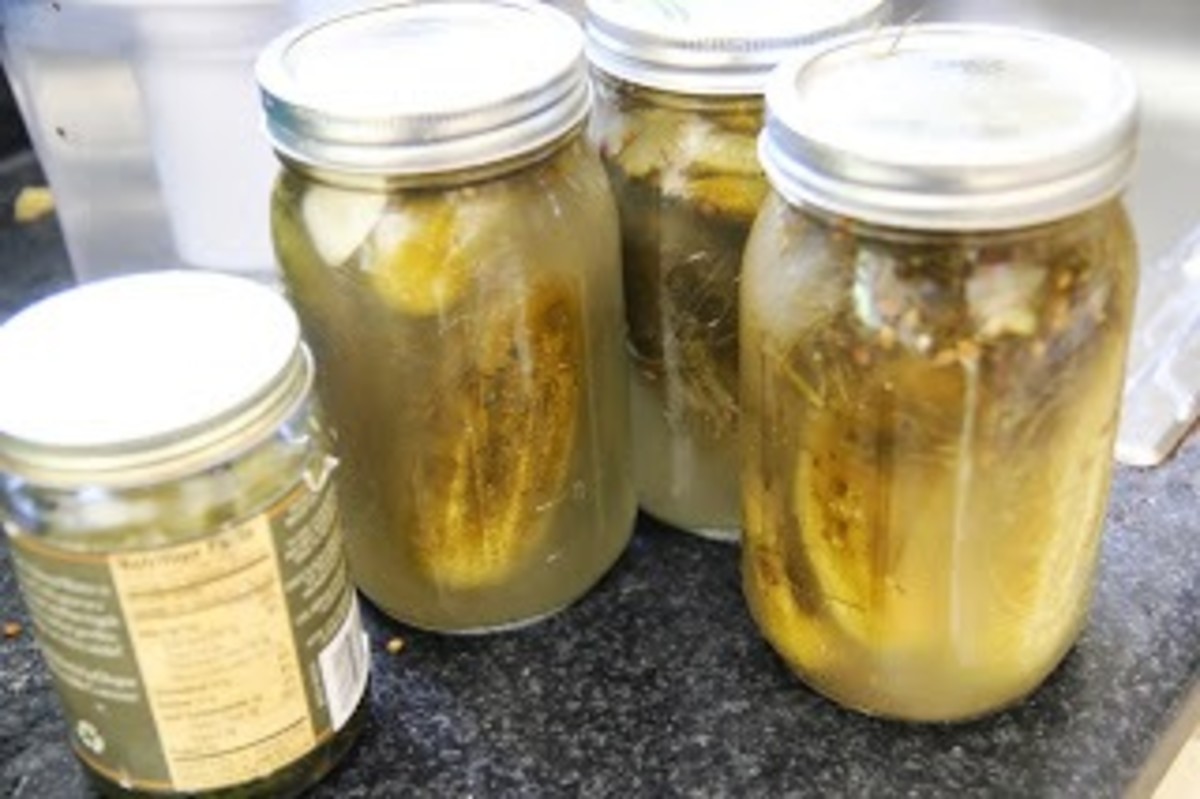
Full sour pickles are a versatile ingredient that can be enjoyed in various ways. Their tangy and slightly sour flavor adds a unique zest to dishes, making them an excellent accompaniment to many meals.
As a side dish, full sour pickles can be served alongside sandwiches, burgers, hot dogs, or grilled meats. Their acidity cuts through the richness of these dishes, providing a refreshing contrast.
In Salads
Full sour pickles can add a burst of flavor and crunch to salads. They pair well with leafy greens, such as lettuce, spinach, and arugula. Their acidity helps balance the sweetness of fruits and vegetables, making them a great addition to fruit salads or coleslaw.
In Sandwiches
Full sour pickles are a classic sandwich topping. Their tangy flavor complements meats, cheeses, and spreads. They can be sliced thin and added to deli sandwiches, grilled cheese sandwiches, or even tuna salad sandwiches.
As a Garnish
Full sour pickles can be used as a garnish for various dishes. Their bright green color and unique shape add a pop of color and interest. They can be sliced into spears and placed on top of tacos, nachos, or Bloody Marys.
Health Benefits
Full sour pickles are not just a delicious treat; they also offer several potential health benefits.
One of the key benefits is their probiotic content. Probiotics are beneficial bacteria that support a healthy digestive system by promoting the growth of good bacteria and suppressing the growth of harmful bacteria. Consuming fermented foods like full sour pickles can help maintain a healthy balance of gut microbiota, leading to improved digestion, reduced inflammation, and a stronger immune system.
Antioxidants
Full sour pickles are also a good source of antioxidants, which help protect cells from damage caused by free radicals. These free radicals can contribute to the development of chronic diseases such as heart disease and cancer. The antioxidants in pickles help neutralize these free radicals, reducing the risk of these diseases.
Electrolytes
Full sour pickles are a good source of electrolytes, which are essential minerals that help regulate fluid balance in the body. Electrolytes are lost through sweat, so consuming full sour pickles can help replenish these minerals and prevent dehydration, especially during hot weather or after physical activity.
Closing Notes
Whether you’re a seasoned pickle enthusiast or a novice yearning to explore new flavors, this recipe will guide you every step of the way. Embrace the art of pickling and savor the delightful results that await you.